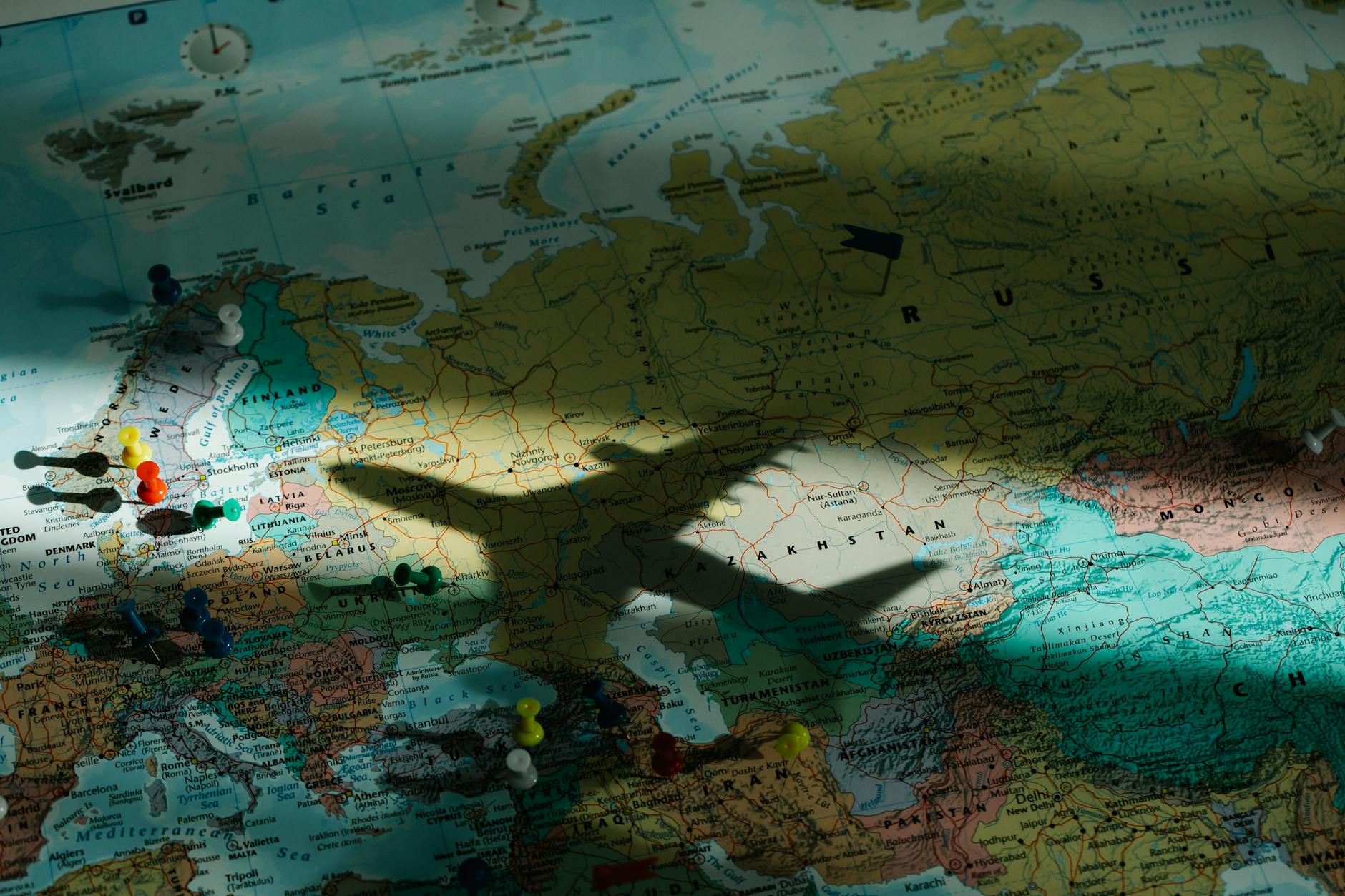
Forget what you think you know about European travel costs! I'm here to spill the beans on how I navigated charming cobblestone streets, savored local delicacies, and soaked in breathtaking views across Europe – all for less than $50 a day. Get ready to unlock the secrets to an epic, budget-friendly adventure that will truly blow your mind! ---
Europe on $50/Day: Your Mind-Blowing Budget Travel Guide
"You want to travel Europe for how much a day? That's impossible!"
That's the reaction I got from almost everyone when I first floated the idea of backpacking through Europe on a shoestring budget. My bank account was looking rather sad after university, and my dreams of exploring ancient ruins, bustling cities, and picturesque coastlines felt miles away. Every travel blog I read screamed about €100+ daily budgets, and my hopes dwindled.
But I'm stubborn. I refused to believe that Europe was only for the wealthy. I scrolled through forums, devoured obscure blog posts, and talked to seasoned backpackers. I pieced together a plan, packed my trusty (and slightly oversized) backpack, and set off with a daily goal of $50 (roughly €45 at the time).
And guess what? Not only did I do it, but I had the most incredible, authentic, and truly mind-blowing adventure of my life. I ate delicious food, slept in cozy beds, saw iconic sights, and made unforgettable memories – all while sticking to my budget. It wasn't about deprivation; it was about smart choices, local immersion, and a healthy dose of adventure.
So, if you're dreaming of European wanderlust but think your wallet can't keep up, buckle up! I'm about to share every secret, every hack, and every hard-won lesson I learned on how to travel Europe for under $50 a day. Prepare to have your mind blown and your travel plans ignited!
1. The Mindset Shift: Your First Step to Budget Bliss
Before we dive into the nitty-gritty, let's talk about the most crucial element: your mindset. Traveling Europe on a budget isn't about luxury resorts or Michelin-starred dining. It's about embracing the local way of life, being flexible, and finding joy in the simple, authentic experiences.
- Research is Your Superpower: Don't just show up. Spend time researching your destinations. Which cities are notoriously expensive (Paris, London, Zurich)? Which are budget-friendly (Krakow, Budapest, Lisbon)? Look up public transport costs, typical meal prices, and free attractions. Knowledge is power, and it saves you money.
- Embrace Flexibility: Your budget will thank you for traveling during the shoulder seasons (April-May, September-October) or even the off-season (November-March). Prices for accommodation and flights plummet, and you'll encounter fewer crowds. Traveling mid-week can also offer better deals. My trip largely took place in October, and the crisp air and colorful foliage were an added bonus, not to mention the cheaper hostel beds!
- Live Like a Local: This is key. Forget the tourist traps and overpriced cafes in main squares. Seek out the places locals frequent. This isn't just a budget hack; it's how you experience the true heart of a city.
- Set a Daily Budget (and Track It!): My $50 goal was non-negotiable. I used a simple spreadsheet (or apps like TravelSpend) to log every single expense. This kept me accountable and showed me where I could adjust. It’s a game-changer!
2. Sleeping Smart: Your Home Away From Home (for Cheap!)
Accommodation is often the biggest budget killer. But with a little savvy, you can find comfortable and even cool places to rest your head without breaking the bank.
- Hostels: Your Social & Budget Sanctuary: Forget the dingy stereotypes. Modern hostels are incredible! Many offer private rooms, female-only dorms, common areas for socializing, and often a free breakfast. They're perfect for meeting fellow travelers and sharing tips. I stayed in a fantastic hostel in Lisbon, The Independente Hostel & Suites, where a dorm bed was around €20, and the views from their terrace bar were priceless. Look on Hostelworld or Booking.com, and always check reviews for cleanliness and atmosphere. Aim for hostels with kitchens to save on food costs!
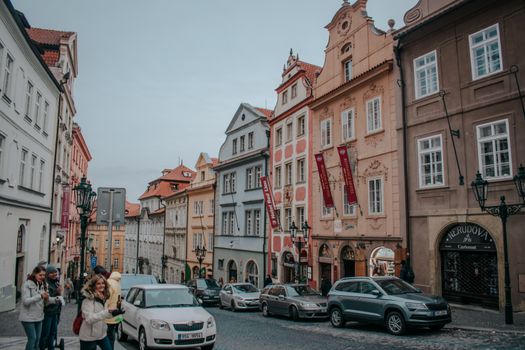
- Couchsurfing: Free Accommodation & Cultural Exchange: This platform connects you with locals willing to host travelers for free. It’s not just about a free bed; it's about genuine cultural exchange. I had an incredible Couchsurfing experience in Prague, where my host, a local student, cooked me traditional Czech goulash and showed me hidden viewpoints only locals knew about. It’s an amazing way to connect deeply with a destination. Always prioritize safety, read profiles carefully, and communicate openly.
- Camping: For the Nature Lovers: If you're traveling in warmer months or have a tent, camping can be incredibly cheap, especially outside major cities. Many campsites in Europe are well-equipped and beautifully located. This is particularly popular in places like Scandinavia (though generally more expensive countries, camping helps), France, and the Alps.
- House Sitting/Work Exchange: For longer stays, consider platforms like TrustedHousesitters or Workaway. You might look after pets or help with tasks in exchange for free accommodation. This is a fantastic way to immerse yourself for weeks or even months.
- Book in Advance (Sometimes): For popular destinations or peak season, booking hostels a few weeks ahead can secure better prices and availability. However, for more off-the-beaten-path locations, you might find last-minute deals.
Average daily spend on accommodation: €15-€25
3. Feast Like a Local, Not a Tourist Trap
Food is one of the greatest joys of travel, and you absolutely don't need to splurge to eat well in Europe. In fact, eating like a local is often cheaper and more authentic!
- Supermarkets: Your Culinary Canvas: This is your #1 budget hack for food. Head to local supermarkets like Lidl, Aldi, Carrefour, or smaller independent stores. Buy ingredients for breakfast (yogurt, fruit, bread), lunch (cheese, cured meats, bread, olives), and even dinner if your accommodation has a kitchen. My picnic lunches in parks – a fresh baguette, local cheese, and some grapes – became a daily ritual. I still remember a €3 picnic overlooking the Eiffel Tower, a memory far more precious than any overpriced bistro meal.
- Street Food & Local Bakeries: Europe excels at delicious, affordable street food. Think pizza al taglio in Italy (pizza by the slice), currywurst in Germany, pierogi in Poland, pastéis de nata in Portugal, or gyros in Greece. Seek out local bakeries for fresh pastries and sandwiches at a fraction of cafe prices. In Krakow, I could get a hearty bowl of żurek (sour rye soup) and a few pierogi for about €5.
- Avoid Tourist Traps: Restaurants directly on major squares or next to famous attractions almost always charge a premium. Wander a few blocks away down a side street, and you’ll find better food at better prices. Look for menus in the local language (a good sign it's authentic) and places packed with locals.
- Lunch Deals & Happy Hour: Many European restaurants offer a "Menu del Día" (menu of the day) or "Pranzo Fisso" (fixed lunch) which is a multi-course meal at a significantly lower price than dinner. Happy hours are also great for cheaper drinks and sometimes tapas.
- Carry a Reusable Water Bottle: Tap water is safe to drink in most of Europe. Refill your bottle instead of constantly buying plastic ones. It saves money and is better for the environment.
Average daily spend on food: €10-€20
4. Navigating Europe: The Art of Affordable Movement
Getting around Europe can be expensive if you only rely on fast trains and flights. But with a bit of planning, you can move between cities and explore within them for very little.
- Walk, Walk, Walk! This is the ultimate free and best way to experience a city. You discover hidden alleyways, charming cafes, and unexpected street art. Plus, it's great exercise! I walked miles every day in Rome, discovering ancient ruins tucked away from the main tourist paths.
- Master Public Transport: For longer distances within a city, public transport (metro, tram, bus) is your friend. Get a multi-day pass if you plan to use it a lot; it's usually cheaper than single tickets. Google Maps is excellent for navigating public transport routes.
- Intercity Buses: The Budget Traveler's Best Friend: Forget expensive high-speed trains. Companies like FlixBus, RegioJet, and Omio offer incredibly cheap connections between major European cities. I once traveled from Berlin to Prague for just €15! The journeys might take a bit longer, but they often have Wi-Fi and comfortable seats. Book in advance for the best deals.
- Overnight Buses/Trains: Kill two birds with one stone! Take an overnight bus or train to save on a night's accommodation while traveling to your next destination. I loved the overnight train from Budapest to Krakow – waking up in a new country with a full day ahead felt like a superpower.
- Ride-Sharing (BlaBlaCar): Platforms like BlaBlaCar connect drivers with passengers going the same way. It's often cheaper than buses, faster, and a great way to meet locals. Again, prioritize safety and check reviews.
- Avoid Flights (Mostly): While budget airlines exist, they often come with hidden costs (baggage fees, seat selection, airport transfers far from the city center). For shorter to medium distances, buses and trains are usually more cost-effective and less hassle.
Average daily spend on transport: €5-€15 (highly variable depending on travel days vs. city exploration days)
5. Experiences That Won't Break the Bank: Free & Low-Cost Adventures
Europe is brimming with incredible experiences that cost nothing or very little. You don't need expensive tours or entrance fees to create lasting memories.
- Free Walking Tours: Many cities offer free walking tours (usually tip-based). They're a fantastic way to get an overview of a city, learn its history, and get local recommendations. Remember to tip your guide generously – they work hard! I learned so much about the history of the Berlin Wall on a free tour, and it truly enhanced my understanding of the city.
- Parks, Gardens & Public Spaces: Europe's cities are renowned for their beautiful parks and vibrant public squares. Spend an afternoon people-watching in Parc de la Ciutadella in Barcelona, stroll through Tiergarten in Berlin, or simply relax by a fountain in Rome. They're perfect for picnics and soaking in the atmosphere.
- Museum Free Days/Evenings: Many world-class museums offer free entry on specific days, evenings, or the first Sunday of the month. Research this ahead of time! For example, many state museums in Berlin offer specific free entry times. The Vatican Museums offer free entry on the last Sunday of the month (be prepared for huge crowds!).
- Hiking & Nature Trails: From the stunning Dolomites to the coastal paths of Portugal, Europe has incredible natural beauty. Pack your hiking boots and explore! These experiences are often free and offer breathtaking views.
- Local Markets: Immerse yourself in the sights, sounds, and smells of a local market. While buying souvenirs might cost money, simply wandering through, sampling freebies, and observing local life is a wonderful, free experience. The Grand Market Hall in Budapest is a feast for the senses, even if you're just window shopping.
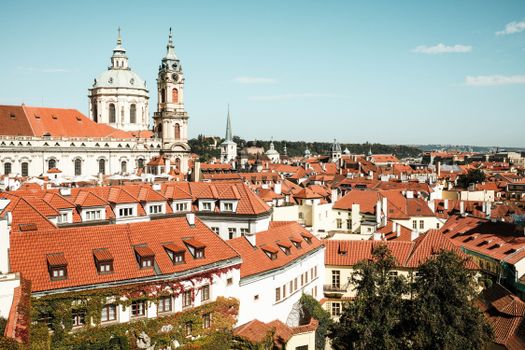
- Free Viewpoints: Instead of paying for expensive observation decks, seek out natural hills or public buildings that offer panoramic views. In Lisbon, I discovered an incredible viewpoint in the Alfama district after a free walking tour, offering sweeping views of the city's red roofs and the Tagus River – all for free!
Average daily spend on activities: €0-€10
6. Destination Deep Dive: Where Your Dollar Stretches Furthest
While you can budget travel anywhere, some European regions are inherently more wallet-friendly than others. Focus your itinerary on these areas for maximum bang for your buck.
- Eastern Europe: This region is a budget traveler's paradise.
- Poland (Krakow, Warsaw, Gdansk): Incredible history, vibrant cities, and unbelievably cheap food and drink. I regularly found pints of craft beer for €2-€3 and delicious, hearty meals for €7-€10.
- Hungary (Budapest): The "Pearl of the Danube" offers grand architecture, thermal baths, and a lively ruin bar scene, all at very reasonable prices. Hostels are cheap, and a full meal can be had for under €10.
- Czech Republic (Prague): While touristy, Prague still offers great value, especially for beer and food outside the main square.
- The Balkans (Croatia, Serbia, Bosnia & Herzegovina): Countries like Croatia (outside of Dubrovnik), Bosnia and Herzegovina (Sarajevo, Mostar), and Serbia (Belgrade) offer rich history, stunning landscapes, and incredibly low costs compared to Western Europe.
- Portugal (Lisbon, Porto): While gaining popularity, Portugal remains more affordable than Spain, France, or Italy. Delicious food, beautiful cities, and vibrant culture make it a fantastic budget destination.
- Southern Italy & Greece (Outside Peak Season): While iconic, places like Rome, Naples, or the Greek islands can be done on a budget, especially if you visit during the shoulder seasons and avoid the most touristy areas. Cooking your own meals and opting for local guesthouses will save you a lot.
7. The Nitty-Gritty & Staying Connected (Without Overspending)
These small details can make a big difference to your budget and overall experience.
- Local SIM Cards: Essential for navigation (Google Maps!), communication, and looking up reviews. In most EU countries, you can buy a local SIM card with plenty of data for €10-€20 that works across the entire EU due to roaming regulations. This is far cheaper than international roaming plans.
- Travel Insurance: Non-Negotiable: Don't skimp on this. While it's an upfront cost, it's vital for emergencies. Compare budget-friendly providers like World Nomads or SafetyWing. A few dollars a day can save you thousands.
- Emergency Fund: Always have a buffer. Even the most meticulous budgeter can hit unexpected expenses. I always kept an extra €200-€300 aside for emergencies or if I really wanted to splurge on a specific experience.
- Student/Youth Discounts: If you're a student or under 26, always carry your ID. Many museums, attractions, and even transport options offer significant discounts.
- ATM Withdrawals & Bank Fees: Research your bank's international ATM fees. Consider getting a travel-friendly debit card (like Revolut, N26, or Charles Schwab in the US) that offers fee-free international withdrawals. Always withdraw larger sums to minimize transaction fees.
Your Mind-Blowing European Adventure Awaits!
Traveling Europe for under $50 a day isn't a myth; it's an achievable, incredibly rewarding reality. It forces you to connect more deeply with the local culture, to seek out hidden gems, and to appreciate the simple joys of exploration. I promise you, the memories you make picnicking by a river in Krakow, sharing stories with a Couchsurfing host in Prague, or navigating bustling local markets will be far more enriching than any expensive tour or five-star meal.
So, stop dreaming and start planning! Challenge your assumptions about what's possible, embrace the adventure, and prepare to have your mind absolutely blown by the magic of Europe. Your epic, budget-friendly journey is just around the corner.
What's your best budget travel hack for Europe? Share it in the comments below! And don't forget to share this guide with anyone dreaming of their own European adventure!
---
More pictures


Tags
Share this guide
We may earn a commission if you click a link and buy a product or service, at no extra cost to you. How affiliate links work.
Been there?