
A practical guide to recognizing tourist traps, researching smarter and choosing authentic experiences, with checklists and examples for food, tours and shopping.
Every popular destination has them: restaurants with laminated picture menus right beside the main monument, shops selling the same souvenirs, tours that spend more time at gift stops than at sights. The good news is that avoiding tourist traps rarely needs insider contacts or secret knowledge. It needs a few habits, a bit of research and a willingness to walk a few streets further. This guide covers the practical side, so you can spend your time and money on things you actually enjoy.
First, what is a tourist trap?
A tourist trap is a place or service that depends on a steady stream of one-time visitors and offers poor value in return. The defining feature is not popularity. Many famous places are famous for good reason. A trap is where quality, price or authenticity is clearly lower than it should be, because the business does not rely on repeat custom or local reputation.
Some examples:
- A restaurant right next to a major landmark charging far more for average food.
- A "traditional" show that is shorter, more staged and more expensive than similar events elsewhere.
- A guided tour that diverts to commission-paying shops.
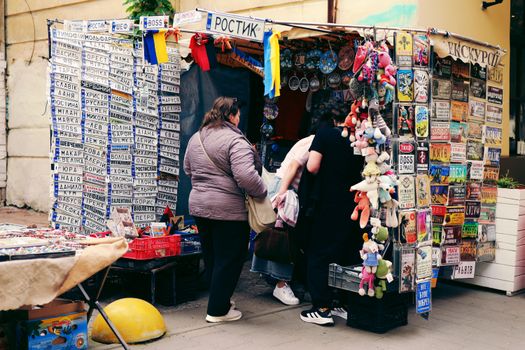
- A souvenir stall selling items marked as handmade that are clearly mass produced.
It is also worth saying that not everything touristy is bad. Seeing the Eiffel Tower, Machu Picchu or the Colosseum is touristy, and wonderful. The aim is to be selective, not snobbish.
Do your research the smart way
Look beyond the top results
The first page of a search is often dominated by sponsored content. Try these approaches instead:
- Read recent reviews in the local language by using a translation tool.
- Look for reviews from residents or long-stay visitors, which often mention more details.
- Check several sources, such as maps apps, forums and local news sites.
- Notice what reviews actually say. Specific comments about dishes, staff or timing are more useful than general praise.
Use maps as a research tool
Open an online map and look at where places cluster. Restaurants huddled around a landmark are usually geared to tourists. Move three or four blocks away and you will often see smaller, neighbourhood places with menus in just the local language and prices closer to what residents pay.
Check official tourism sites and local guides
Regional tourism boards often list markets, festivals and local products. Independent local guides, small walking tour companies and community blogs can offer a more grounded view than large booking platforms.
Eating without getting trapped
Food is where most travelers feel the pinch, but a few rules help.
- Walk away from the landmark. A few streets can make a big difference.
- Check the menu. A short menu focused on local dishes is usually a better sign than a huge menu with photos in six languages.
- Look at who is eating. A mix of locals and visitors, especially at lunchtime, is encouraging.
- Avoid touts. If someone is physically trying to pull people into a restaurant, think twice.
- Ask about prices. Check for cover charges, service fees or charges for bread and water before you sit down.
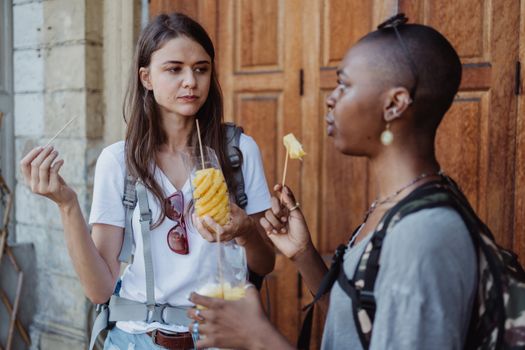
- Try markets and bakeries. Food halls, street stalls with queues and neighbourhood bakeries are often good value.
- Eat at local meal times. In many countries, restaurants that serve at local hours cook for locals.
Tours and attractions
Pick tours with care
Group tours can be excellent, particularly for history and food. To choose well:
- Read the itinerary and look for time spent at actual sights versus shopping stops.
- Check group size, as smaller groups often give a better experience.
- Look for guides who are licensed or well reviewed.
- Ask what is included. Entrance fees, transport and meals should be explicit.
Book smartly for headline sights
For the biggest attractions, buying tickets from the official site or from an authorized seller prevents overpaying and avoids fake or resold tickets. Check whether timed entry is needed and arrive early or late in the day when crowds thin.
Know when to skip
If a sight looks like a quick photo stop, you may not need a tour at all. Often you can see it on your own as part of a walk.
Shopping and souvenirs
Souvenir shopping can be fun, as long as you know what you are buying.
- Ask where an item was made. Genuine craft sellers are usually happy to explain.
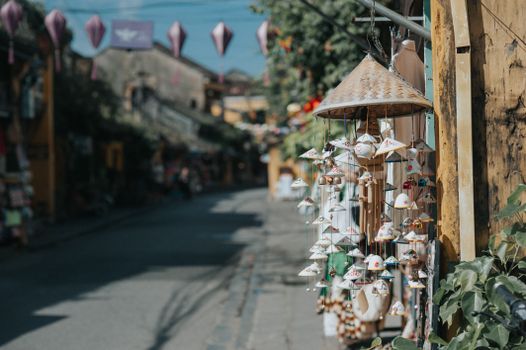
- Look for cooperatives, craft markets and workshops where makers sell directly.
- Compare prices in a few places before you buy.
- Be wary of "special" prices offered by someone who approaches you in the street.
- In places where bargaining is normal, learn the local etiquette. Bargaining is a conversation, not a battle.
- Remember that some items, such as antiques, ivory, coral or protected plants, may be restricted or illegal to export. Check the rules for your destination and home country.
Common scams and how to handle them
Most places are safe and welcoming, but a handful of familiar tricks recur worldwide.
- Taxi overcharging. Use licensed taxis, ride-hailing apps or fixed-price official stands. Ask for the meter.
- Friendly stranger offers. Someone who invites you to a tea shop, gallery or bar may be working for commission. Politely decline if you did not plan it.
- Fake closures. A tout says your destination is closed and offers an alternative. Check an official source.
- Distraction thefts. Crowded sites and transit can attract pickpockets. Keep valuables secure and zipped.
- Currency confusion. Count change carefully and know the approximate exchange rate before you pay.
You do not need to be paranoid. A calm "no thank you" and a steady pace deals with most situations.
Timing makes a big difference
When you go matters nearly as much as where.
- Visit big sights early in the morning or late in the afternoon.
- Travel in shoulder seasons if possible, when prices and crowds are lower.
- Check local holidays and school breaks, which can overwhelm popular places.
- Midweek is often quieter than weekends.
If you can only go at a busy time, build in a mix of famous sights and quiet neighborhoods to balance things out.
Stay in the right neighbourhood
Where you sleep influences everything. Hotels directly beside major sites may be convenient but are often pricier and surrounded by tourist-oriented shops. Consider a neighbourhood a short walk or metro ride away, with local cafes, markets and transport links. You will see more of daily life and often pay less.
Talk to local people
Locals are your best resource, but ask in the right way.
- Ask your host or hotel staff where they eat on a normal evening, not where you "should" go.
- Chat with café owners, bookshop staff or market vendors.
- Ask open questions such as "What is good to eat here at this time of year?"
- Be prepared for different suggestions, and cross-check them with reviews.
Learning a few phrases in the local language, such as greetings and thank you, also helps and is appreciated.
Build a flexible itinerary
Over-planning can leave you rushing; under-planning can leave you at the mercy of whoever approaches you first. A good balance:
- Choose two or three anchor activities per day.
- Leave space for wandering.
- Note a few backup restaurants or cafes in different areas.
- Keep your phone charged and offline maps downloaded.
A short checklist before you spend
Ask yourself:
- Is this place popular with residents, or only visitors?
- Does the price match what I would expect elsewhere?
- Have I read recent reviews from several sources?
- Am I being rushed or pressured?
- Would I be happy with this if the experience were plain?
If most answers are yes, go ahead.
Frequently asked questions
Are all famous restaurants tourist traps? No. Some historic cafes and well-known places remain excellent. Check recent reviews and prices rather than assuming.
Should I avoid guided tours altogether? Not at all. Good guides add context that is hard to find otherwise. Choose small groups, read the itinerary and check what is included.
What if I fall for a trap? It happens to everyone. Treat it as a small lesson, note what you would do differently and move on. For serious issues such as theft or fraud, contact local authorities and your accommodation.
Does avoiding tourist traps mean skipping famous sights? No. Visit the highlights, just do it with smart timing and good planning, and balance them with places where locals spend their time.
Summary
Avoiding tourist traps is about curiosity and a few habits: research from several sources, step away from the crowds, check what is included, buy tickets from official sellers and ask locals for everyday recommendations. Prices, opening hours and rules change, so always confirm details with official sources before you go. With a little preparation, you will spend less, see more and come home with experiences that feel like your own.
More pictures

Tags
Share this guide
We may earn a commission if you click a link and buy a product or service, at no extra cost to you. How affiliate links work.
Been there?