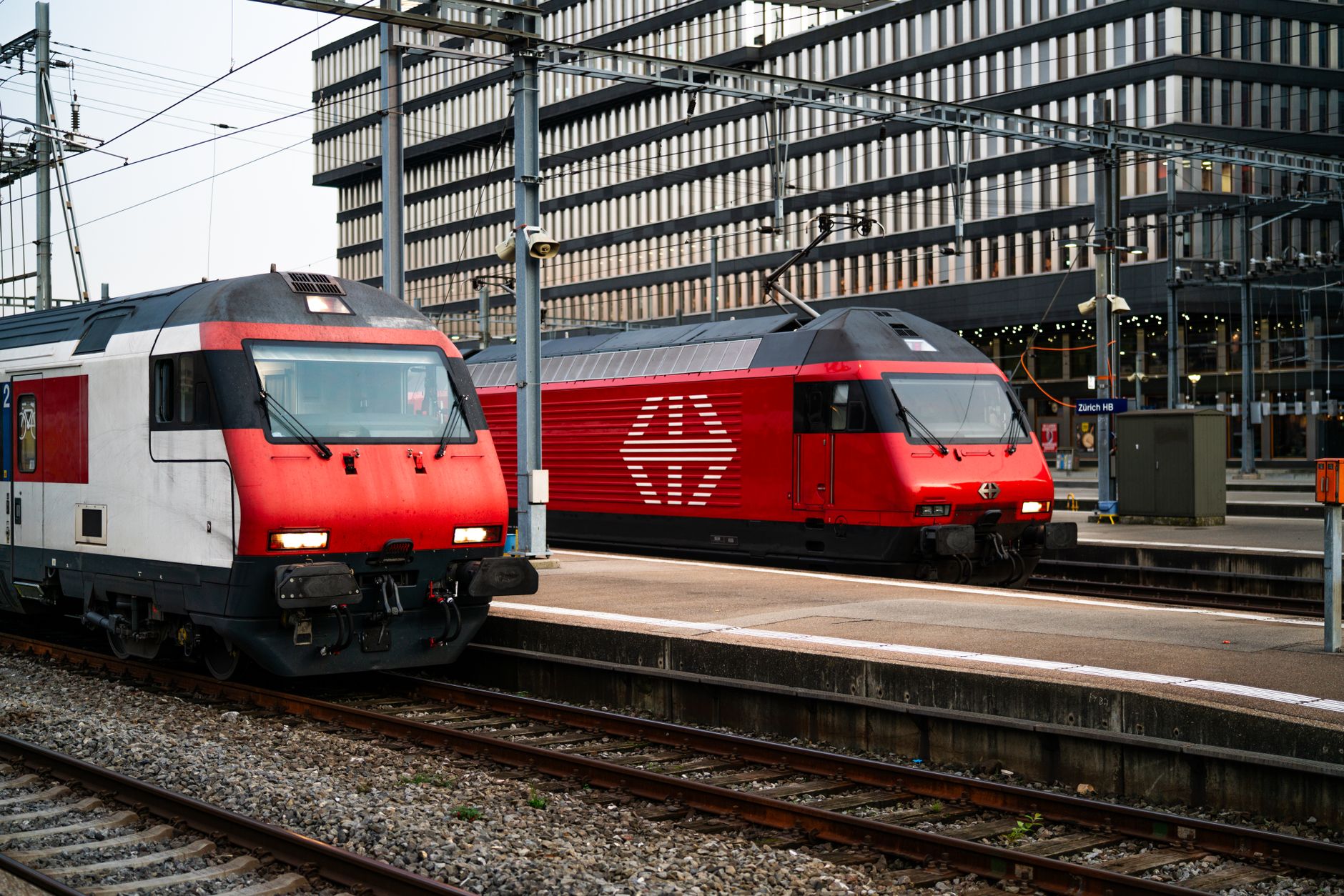
Europe's rail network makes city-to-city travel easy and enjoyable. Here is how to plan it well.
Why go by train
Trains run from city centre to city centre, avoid airport queues and offer views along the way. For distances of up to about four or five hours, they are often as fast as flying.
Tickets or a pass?
- Point-to-point tickets are often cheaper if you book early, especially on high-speed routes.
- Interrail and Eurail passes offer flexibility for many journeys. Calculate costs, as passes can be expensive, and some trains require extra reservations.
Practical tips
- Use the Deutsche Bahn Navigator or national rail sites to check times, even for other countries.
- Reserve seats on high-speed and night trains, which often require reservations.
- Allow buffer time for connections.
- Pack lightly. Overhead racks are limited.
- Download tickets to your phone.
Scenic routes
- Bernina Express, Switzerland and Italy.
- Flåm Railway, Norway.
- Munich to Salzburg and Vienna.
- Lisbon to Porto.
- Cinque Terre coastal line, Italy.
Night trains
Some night trains connect cities such as Vienna, Rome and Paris. They save a night's accommodation.
Timetables and prices change, so check before you book.
More pictures



Tags
Share this guide
We may earn a commission if you click a link and buy a product or service, at no extra cost to you. How affiliate links work.
Been there?