
Forget Michelin stars booked months in advance. The ultimate luxury in modern travel is stepping into the wild with a local expert to harvest your own dinner. From unearthing rare white truffles in the damp oak forests of Istria to plucking peppery sea dulse from Cornwall’s freezing Atlantic rock pools, here is the definitive guide to the world’s most exclusive, advisor-approved foraging experiences. ---
The Call of the Wild: Why We Are Foraging in 2026
I stepped off the gravel track in Oregon's Tillamook State Forest, and the scent of damp Douglas fir needles, decomposing loam, and ozone immediately filled my nose. The air was thick with coastal mist, silent save for the drip of water from the canopy and the squelch of my own boots in the mud.
Beside me stood Dr. Charles, a mycologist whose eyes could spot a golden chanterelle cap beneath three inches of pine duff from twenty yards away. "Look for the humps in the moss," he whispered, pointing a soil-stained finger at a tiny mound. "Don't just rip it out. Twist, lift, and brush the mycelium back to bed."
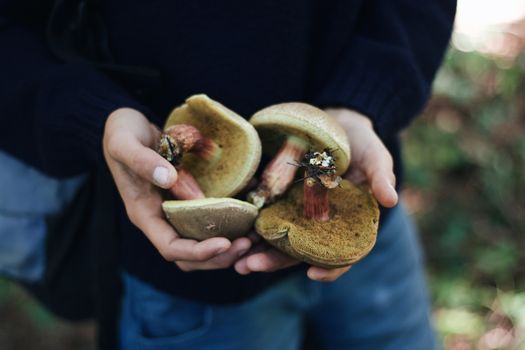
That morning, we harvested three pounds of pristine Cantharellus formosus, their apricot-like aroma wafting from our canvas sacks. Back at our base camp, we sautéed them in salted butter with wild ramp bulbs over an open fire. It tasted of earth, smoke, and pure achievement.
This isn't a mere weekend hobby; it is the pinnacle of regenerative, hyper-local travel. Leading luxury travel advisors are seeing an unprecedented surge in requests for hands-on, expert-led botanical excursions. Travelers no longer want to just sit at a table and be served; they want to understand the lineage of their food, guided by the indigenous elders, marine biologists, and generational hunters who hold the keys to the land.
Here are the six definitive foraging experiences around the globe that top travel advisors suggest booking right now.
---
1. The Fungi Hunter of Istria, Croatia
``` Location: Motovun Forest, Istria, Croatia Target Harvest: Black Summer Truffles (Tuber aestivum) and White Truffles (Tuber magnatum) Local Expert: Nikola and his Lagotto Romagnolo hounds ```
The damp, clay-rich soil of the Motovun Forest in northern Croatia is legendary among culinarians. While neighboring Italy gets the lion's share of truffle press, Istria is where those in the know go for an intimate, uncommercialized hunt.
The Experience
You will head into the dense oak forests with Nikola, a third-generation truffle hunter, and his two highly trained Lagotto Romagnolo dogs, Bella and Bruno. Watching these dogs work is poetry. They dart through the hazelnut brush, their noses glued to the earth, suddenly digging furiously when they catch the scent of a mature hypogeous fungus.
Nikola uses a small, spear-like tool called a lopatice to carefully extract the tuber without damaging its delicate exterior or the surrounding root systems.
Pro-Tip
- The Hidden Gateway: Avoid the large-group tours departing from central Motovun. Instead, ask your advisor to book a private departure from the tiny hamlet of Paladini.
- Timing is Everything: October and November are the golden months. This is when the prized white truffle (Tuber magnatum pico) is in season, offering an aroma so intense it borders on intoxicating.
- The Post-Hunt Ritual: After your trek, Nikola’s family prepares handmade fuži pasta in their home kitchen, shaving your freshly harvested truffles generously over the top, paired with a glass of skin-contact Malvazija wine.
---
2. Marine Foraging on the Rugged Coast of Cornwall, UK
``` Location: Falmouth Estuary and rocky shores of West Cornwall, England Target Harvest: Pepper dulse, sea lettuce, bladderwrack, and wild samphire Local Expert: Rachel, a marine biologist and coastal ecologist ```
The intertidal zone of Cornwall’s rugged coastline is an underwater garden teeming with mineral-rich sea vegetables. But harvesting here requires deep botanical knowledge; some species are protected, while others taste like old tires if harvested incorrectly.
The Experience
Rachel guides you along the slippery, slate rock pools of Cornwall during a spring low tide. You will learn to identify "the truffle of the sea"—pepper dulse (Osmundea pinnatifida)—which grows in small, fern-like tufts on wave-exposed rocks and tastes remarkably of garlic, pepper, and brine.
You’ll also harvest sea lettuce (Ulva lactuca) to dry into savory flakes, and learn how to sustainably clip the tender tips of bladderwrack to use as a natural steaming wrap for fresh fish.
Pro-Tip
- The Tide Window: You must arrive exactly 45 minutes before the lowest astronomical tide. If you are late, the best rock shelves containing the prized pepper dulse will already be submerged under the freezing Atlantic swells.
- Essential Gear: Wear neoprene-lined boots with high-traction soles. The wet slate of Cornwall is notoriously slick, and a fall can ruin your gear—and your day.
---
3. Desert Abundance in the Sonoran Desert, Arizona, USA
``` Location: Saguaro National Park outskirts, Tucson, Arizona Target Harvest: Cholla buds, prickly pear fruit, and mesquite pods Local Expert: Maegan, a Tohono O'odham ethnobotanist ```
To the untrained eye, the Sonoran Desert looks like a beautiful but inhospitable wasteland of thorns and heat. To Maegan, a native Tohono O'odham guide, it is an abundant, year-round pantry filled with nutrient-dense superfoods that have sustained her people for millennia.
The Experience
Under the blazing Arizona sun, you will learn the ancient art of harvesting ciolim (cholla cactus buds) before they bloom. Using long wooden tongs fashioned from saguaro ribs, you will pluck the green, pinecone-like buds from the buckhorn cholla.
Maegan will teach you how to roll the buds on a wire mesh screen to remove the formidable glochids (microscopic, barbed spines) before drying or pickling them. The result is a vegetable that tastes like an earthy cross between an artichoke heart and green bean, packed with calcium.
Pro-Tip
- Beat the Heat: Start your trek at 6:00 AM. By 10:00 AM, the desert heat is punishing, and the rattlesnakes become active.
- Culinary Application: Dry-roasted mesquite pods can be ground into a gluten-free flour that smells intensely of cinnamon, chocolate, and molasses. Use it to dust your morning pancakes or bake rustically textured shortbread.
---
4. Sansai (Mountain Vegetable) Foraging in Kyoto’s Northern Highlands, Japan
``` Location: Hanase Valley, Kyoto Prefecture, Japan Target Harvest: Kogomi (ostrich fern fiddleheads), Tara-no-me (angelica tree shoots), and Takenoko (bamboo shoots) Local Expert: Chef Kenji, a foraging master and ryokan owner ```
In spring, the snow-melt rivers of Kyoto’s northern mountains give rise to sansai—wild mountain vegetables prized in traditional kaiseki cuisine for their pleasant, cleansing bitterness.
The Experience
You will hike through the cedar-scented valleys of Hanase with Chef Kenji. He will guide you to find kogomi, the tightly furled fronds of the ostrich fern, which must be snapped off clean at the base.
The crown jewel of spring foraging here is takenoko (young bamboo shoots). You will search the bamboo groves for tiny, microscopic cracks in the soil. Once spotted, you’ll use a specialized narrow spade called a tsuru-kuwa to dig deep and unearth the tender, pale-yellow shoot before it ever sees sunlight.
Pro-Tip
- The Bitterness Secret: Raw takenoko contains oxalic acid, which makes it astringent. Chef Kenji will show you how to boil the shoots immediately after harvest with nuka (rice bran) and dried chili peppers to neutralize the bitterness and lock in the sweet, corn-like flavor.
- Where to Stay: Book a night at a traditional ryokan in Hanase, where your morning harvest will be transformed into delicate tempura and served alongside local sweetfish.
---
5. Fynbos and Coastal Veld Foraging in Cape Town, South Africa
``` Location: Cape Peninsula, Western Cape, South Africa Target Harvest: Dune spinach, wild rosemary, sour figs, and sea pumpkin Local Expert: Roushanna Gray and her team of botanical experts ```
South Africa's Cape Floral Kingdom is one of the most biodiverse regions on earth. Known as fynbos, this scrubland vegetation is packed with aromatic herbs, edible succulents, and coastal greens that have been used by the indigenous Khoisan people for thousands of years.
The Experience
Walking along the wild, wind-swept coastline of the Cape Peninsula, Roushanna teaches you how to identify Carpobrotus edulis (sour figs), whose succulent leaves contain a soothing gel, and whose fruits yield a sweet-sour pulp perfect for jams.
You’ll walk through the coastal dunes harvesting dune spinach (Tetragonia decumbens) and wild rosemary (Eriocephalus africanus), which has a distinct, camphoraceous aroma that elevates any roasted meat.
Pro-Tip
- Permit Check: South Africa has incredibly strict environmental protection laws. Never forage here without a registered guide who holds a valid harvesting permit from the Department of Forestry, Fisheries and the Environment (DFFE).
- Sensory Highlight: Crush a leaf of wild buchu (Agathosma betulina) between your fingers. It releases an incredible aroma of blackcurrant, mint, and pine—historically used as a medicinal panacea and now a darling of the craft gin industry.
---
The Master Comparison: Foraging Expeditions at a Glance
| Destination | Best Season | Target Harvest | Physical Difficulty | Est. Cost (Private) | How to Get There | | :--- | :--- | :--- | :--- | :--- | :--- | | Istria, Croatia | Oct – Dec (White); May – Sep (Black) | Truffles | Moderate (hilly, muddy forest) | $350 – $600 per group | Fly into Pula (PUY), drive 45 mins north to Motovun. | | Cornwall, UK | Spring and Autumn | Seaweeds, Pepper Dulse | High (slippery rock pools) | £150 – £300 per person | Train from London Paddington to Penzance, then local taxi. | | Arizona, USA | April (Buds); August (Fruit) | Cholla buds, Prickly Pear | Moderate (desert heat) | $200 – $400 per person | Fly into Tucson (TUS), drive 20 mins to Saguaro outskirts. | | Kyoto, Japan | April – May | Sansai, Bamboo Shoots | Moderate (mountain slopes) | ¥50,000 – ¥80,000 | Eizan Railway from Kyoto to Kurama, then private shuttle. | | Cape Town, SA | Year-round (Spring best) | Fynbos, Coastal Greens | Easy (coastal walks) | ZAR 1,500 – 3,000 | Fly into Cape Town (CPT), drive 1 hour south to Cape Point. |
---
The Golden Rules of Ethical Foraging
Before you head into the wild, every expert travel advisor stresses the importance of ethical, sustainable harvesting. Keep these three non-negotiables in mind:
- The Rule of Thirds: Take only one-third of what you find. Leave one-third for the wildlife, and one-third to regenerate and ensure the survival of the species.
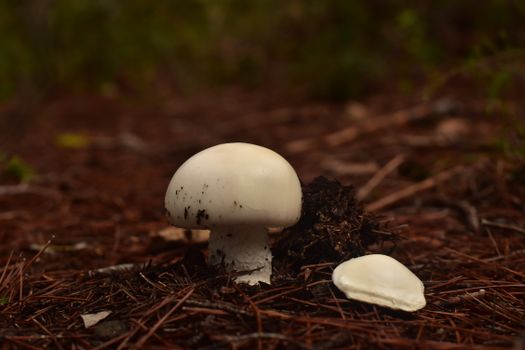
- Know Your Lookalikes: This is especially critical for mushrooms and wild berries. If you cannot identify a plant with 100% certainty, do not eat it. White-destroying angels look remarkably like edible field mushrooms to the untrained eye.
- Respect Indigenous Land Rights: Many of the world’s best foraging grounds are on protected indigenous territories. Always forage with a local guide who has permission to harvest on the land.
---
The Final Harvest
There is a profound shift that happens when you stop looking at nature as a backdrop for your photos and start looking at it as a source of sustenance. You begin to notice the micro-seasons, the health of the soil, and the delicate balance of the ecosystem.
On your next journey, skip the crowded tourist traps. Reach out to a specialized travel advisor, lace up your sturdiest boots, and head into the wild with the experts. Your palate—and your soul—will thank you.
---
More pictures

Tags
Share this guide
We may earn a commission if you click a link and buy a product or service, at no extra cost to you. How affiliate links work.
Been there?