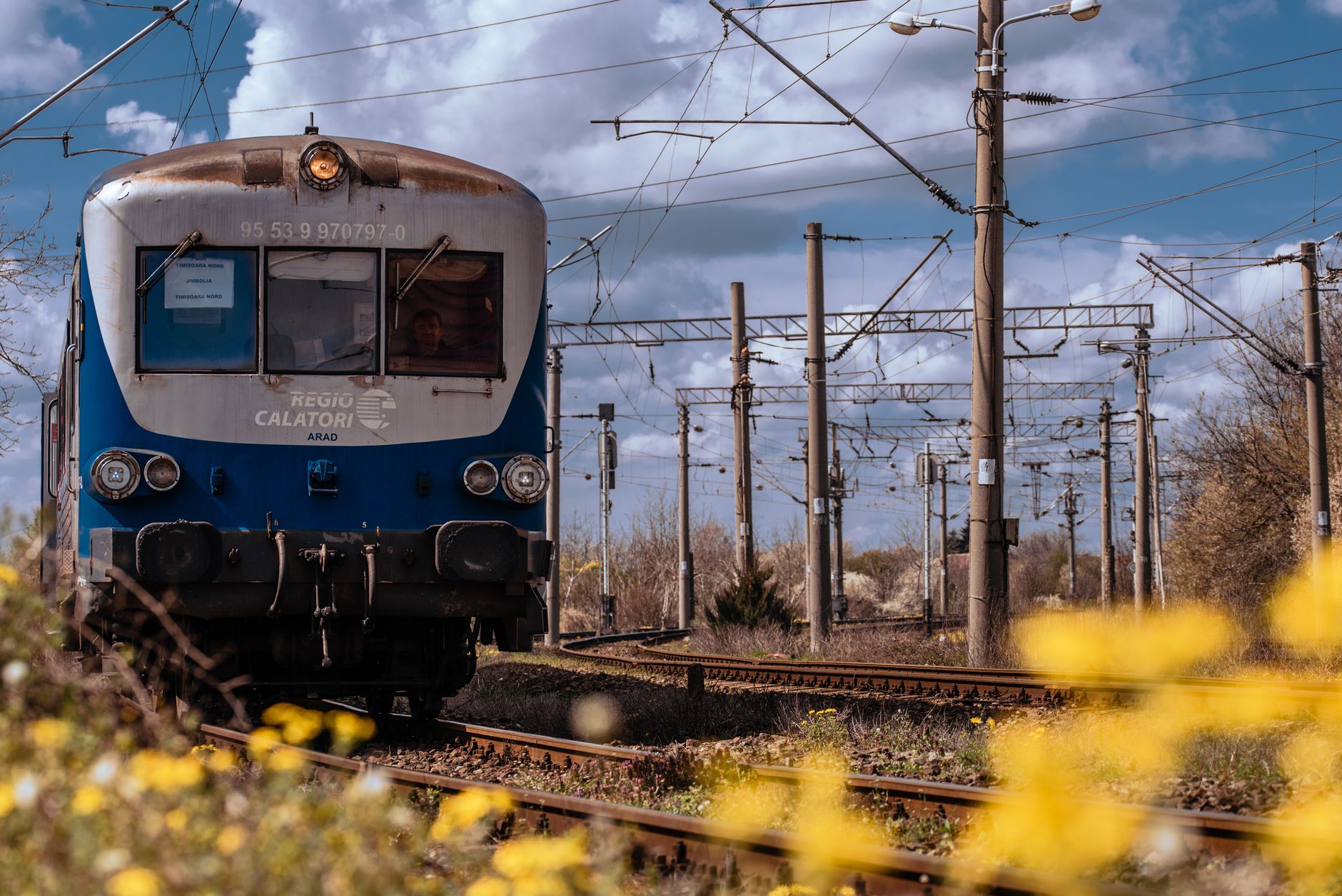
Ditch the airport chaos! Imagine waking up to Alpine vistas, sipping local wine as vineyards blur past, and arriving in a new city center, ready to explore. This is *the* definitive guide to mastering Europe by train – the way the pros do it. We’re talking insider hacks, budget-friendly secrets, and routes that’ll make your heart sing. Get ready for your most epic adventure yet!
I stepped off the train in Vienna, and the air was thick with the scent of Sachertorte and a subtle hint of damp cobblestones. The hushed rumble of the departing locomotive faded, replaced by the cheerful chime of a distant tram and the murmur of a dozen languages. This wasn't the frantic rush of an airport; it was an elegant arrival, a gentle immersion into the heart of the city. This, my friends, is the magic of traveling Europe entirely by train, and it’s the secret weapon of seasoned explorers and discerning travelers alike.
Forget the cramped seats, the security queues, and the soul-crushing baggage fees. Train travel in Europe is more than just a mode of transport; it’s an experience. It’s about slowing down, appreciating the journey, and discovering the continent in a way that’s both sustainable and deeply rewarding. I’ve spent years weaving my way through Europe on steel rails, and let me tell you, the experts are right: there’s no better way to see it.
The Allure of the Rails: Why Train Travel Reigns Supreme
As a travel journalist, I’ve seen my fair share of travel trends come and go. But the resurgence of European train travel? That’s no fad; it’s a return to a more elegant, connected, and conscious way of exploring.
- Unbeatable Scenery: From the rugged Scottish Highlands to the sun-drenched vineyards of Tuscany, train windows offer a constantly evolving panorama. You’re not just going somewhere; you’re witnessing the very fabric of Europe unfurl before you.
- City-Center Convenience: Arrive directly in the heart of your destination. No need for expensive airport transfers. Your hotel, your first café, your first historical site – they’re all just a short walk away.
- Environmental Empathy: Trains are significantly more eco-friendly than flying. Choosing the train is a conscious decision to tread lighter on our beautiful planet.
- The Joy of the Journey: There’s a certain romance to train travel. The rhythmic clickety-clack, the chance to read a book undisturbed, to strike up conversations with fellow travelers, or simply to gaze out at the passing world.
Pro-Tip: Embrace the Overnight Express
For longer distances, overnight trains are a game-changer. You save on a night’s accommodation and wake up refreshed in a new city. Think plush sleeper compartments, a glass of wine, and the gentle sway of the carriage as you drift off. It’s pure indulgence.
Charting Your Course: The Essential Planning Toolkit
Convinced? Excellent. Now, let’s talk logistics. Planning your epic European rail adventure doesn't have to be daunting.
Navigating the Pass System: Interrail vs. Eurail
This is where many get confused. The core difference is simple:
- Interrail Pass: For European residents (you need to prove residency in a European country).
- Eurail Pass: For non-European residents.
Both offer incredible flexibility, allowing you to hop on and off trains across a vast network. You can choose a global pass covering numerous countries or a specific country pass.
Pro-Tip: The Saver Pass vs. the Global Pass
Consider your itinerary. If you're planning a whirlwind tour of 10+ countries in a month, a global pass is likely your best bet. If you're focusing on 2-3 adjacent countries for a couple of weeks, a series of single-country passes or point-to-point tickets might be more economical. Always compare!
Booking Point-to-Point Tickets: When the Pass Isn't King
Sometimes, especially for high-speed routes or if you’re only taking a few journeys, buying individual tickets in advance can be cheaper than a pass.
- When to Book: Book 2-3 months in advance for the best prices on high-speed and popular routes. Prices often skyrocket closer to the travel date.
- Where to Book:
- Omio: A fantastic aggregator for trains, buses, and flights across Europe. Great for comparing prices and routes.
- Rail Europe: Official booking platform for many European rail operators.
- National Rail Websites: For specific countries (e.g., Deutsche Bahn for Germany, Trenitalia for Italy, SNCF Connect for France), booking directly can sometimes offer the absolute lowest fares or special promotions.
Pro-Tip: Seat Reservations are Key!
Many high-speed and overnight trains require mandatory seat reservations, even with a rail pass. These are usually an additional fee (typically €5-€30). Book these as soon as you can, especially during peak season, as they sell out!
Crafting Your Dream Itinerary: Expert Route Recommendations
The beauty of train travel is its flexibility. You can be spontaneous or meticulously planned. Here are a few routes that consistently get rave reviews from seasoned travelers.
The Grand European Explorer: A Classic Route
This route is perfect for first-timers, hitting major cultural capitals with seamless train connections.
- Start: Paris, France (The Eiffel Tower's iron lacework against a twilight sky, the aroma of freshly baked croissants wafting from a boulangerie).
- Train to: Amsterdam, Netherlands (A quick, comfortable journey. Imagine gliding past windmills and tulip fields).
- Train to: Berlin, Germany (Experience the city's vibrant history and modern art scene. The trains here are incredibly efficient).
- Train to: Prague, Czech Republic (Arrive in a fairytale city. The journey through the Bohemian countryside is a delight).
- Train to: Vienna, Austria (Imperial grandeur, classical music, and rich coffee house culture).
- Train to: Budapest, Hungary (The "Pearl of the Danube" awaits. The overnight train from Vienna is a classic experience).
- Duration: 2-3 weeks
Pro-Tip: Break up the Journey
Don't be afraid to add a stopover in a smaller town along the route. For instance, between Paris and Amsterdam, consider a day trip to Bruges or Ghent in Belgium. The trains are frequent, making these detours easy.
The Alpine Majesty: Scenic Train Journeys
For those who crave breathtaking natural beauty, the Alps offer unparalleled vistas.
- Start: Zurich, Switzerland (A pristine city on a crystal-clear lake).
- Train to: Interlaken, Switzerland (The gateway to the Jungfrau region. The local trains here are an adventure in themselves).
- Train to: Zermatt, Switzerland (Home of the Matterhorn. The Gornergrat Bahn offers iconic views).
- Train to: Milan, Italy (Descend into the fashion capital. The scenic route through the Simplon Pass is stunning).
- Train to: Venice, Italy (Arrive by train directly on the island – a truly unique entrance).
- Duration: 7-10 days
Pro-Tip: The Glacier Express & Bernina Express
These are iconic Swiss scenic routes. While they require separate reservations and can be pricey, the views are absolutely worth it for train enthusiasts. Book months in advance.
The Mediterranean Wanderer: Sun-Kissed Routes
Embrace the warmth and charm of Southern Europe.
- Start: Barcelona, Spain (Gaudi's architectural wonders and lively tapas bars).
- Train to: Marseille, France (The vibrant port city. Enjoy bouillabaisse with a sea breeze).
- Train to: Nice, France (The glamorous French Riviera. The coastal train line offers stunning sea views).
- Train to: Genoa, Italy (A historic maritime city. Explore its hidden alleyways).
- Train to: Florence, Italy (The cradle of the Renaissance. The high-speed trains between major Italian cities are excellent).
- Duration: 10-14 days
Pro-Tip: The Cinque Terre Train
While not a long-distance route, the local train connecting the five villages of Cinque Terre is essential for exploring this UNESCO World Heritage site. Buy a day pass for unlimited travel between the villages.
Mastering the Onboard Experience: Insider Tips for a Seamless Journey
The train itself is part of the adventure. Here’s how to make the most of it.
Pack Smart, Travel Light
- Your Carry-On is Your Best Friend: You’ll be managing your luggage yourself. Opt for a good quality backpack or a lightweight roller suitcase.
- Essentials at Hand: Keep snacks, a water bottle, a book, a portable charger, and any entertainment within easy reach.
Food & Drink: Beyond the Dining Car
- Picnic Power: Many travelers pack a picnic. Grab local cheese, bread, olives, and wine from a supermarket before boarding. It’s cheaper and often more delicious!
- Station Stops: Most longer journeys include brief station stops. Use these opportunities to grab a quick coffee or a local pastry.
Pro-Tip: The "Quiet Zone" Carriage
Some trains have designated "quiet zone" carriages. If you value peace and quiet for reading or working, seek these out.
Staying Connected (or Disconnecting)
- Wi-Fi: Wi-Fi availability varies greatly. Don't rely on it for critical work. Download maps and essential information beforehand.
- Power Outlets: Most modern trains have power outlets, but they can be scarce. A portable power bank is a lifesaver.
The Financials: Budgeting for Your Rail Odyssey
Let’s talk brass tacks. Train travel can be surprisingly budget-friendly, especially when planned well.
Quick Facts: European Train Travel
| Category | Estimated Cost ($USD) | Best Time to Visit | How to Get There | | :------------------- | :-------------------- | :----------------- | :----------------------------------------------------- | | Rail Pass (Eurail/Interrail) | $300 - $1500+ (depending on duration & class) | Shoulder seasons (Spring/Autumn) | Purchase online in advance. | | Point-to-Point Tickets | $50 - $300+ (per journey, depending on route & speed) | Book 2-3 months ahead for best prices. | Book via aggregators (Omio) or national rail sites. | | Seat Reservations | $5 - $30+ (per journey) | Book as soon as possible for popular routes. | Book online with your pass or ticket. | | Accommodation | $50 - $200+ per night (hostels to hotels) | Varies by city and season. | Book in advance, especially during peak times. | | Food | $30 - $70+ per day | Year-round. | Mix of supermarket picnics, local eateries, and cafes. | | Total Trip Estimate | $1500 - $5000+ (for 2 weeks, excluding flights to/from Europe) | Spring (April-May) & Autumn (September-October) | Fly into major hubs like London, Paris, or Amsterdam. |
Pro-Tip: Travel in the Shoulder Seasons
Spring (April-May) and Autumn (September-October) offer pleasant weather, fewer crowds, and often lower prices for both rail passes and accommodation compared to the peak summer months.
The Future of Travel: Sustainable Adventures
As we become more aware of our environmental impact, train travel stands out as a beacon of sustainable tourism. By choosing the train, you're not just embarking on a personal journey; you're contributing to a more responsible way of exploring our world.
The rhythmic pulse of the train, the ever-changing landscapes, the ease of access to city centers – it all coalesces into an experience that’s more enriching, more authentic, and frankly, more enjoyable than any other. So, pack your bags, grab your passport, and let the rails carry you through the heart of Europe. The adventure of a lifetime awaits.
More pictures


Tags
Share this guide
We may earn a commission if you click a link and buy a product or service, at no extra cost to you. How affiliate links work.
Been there?