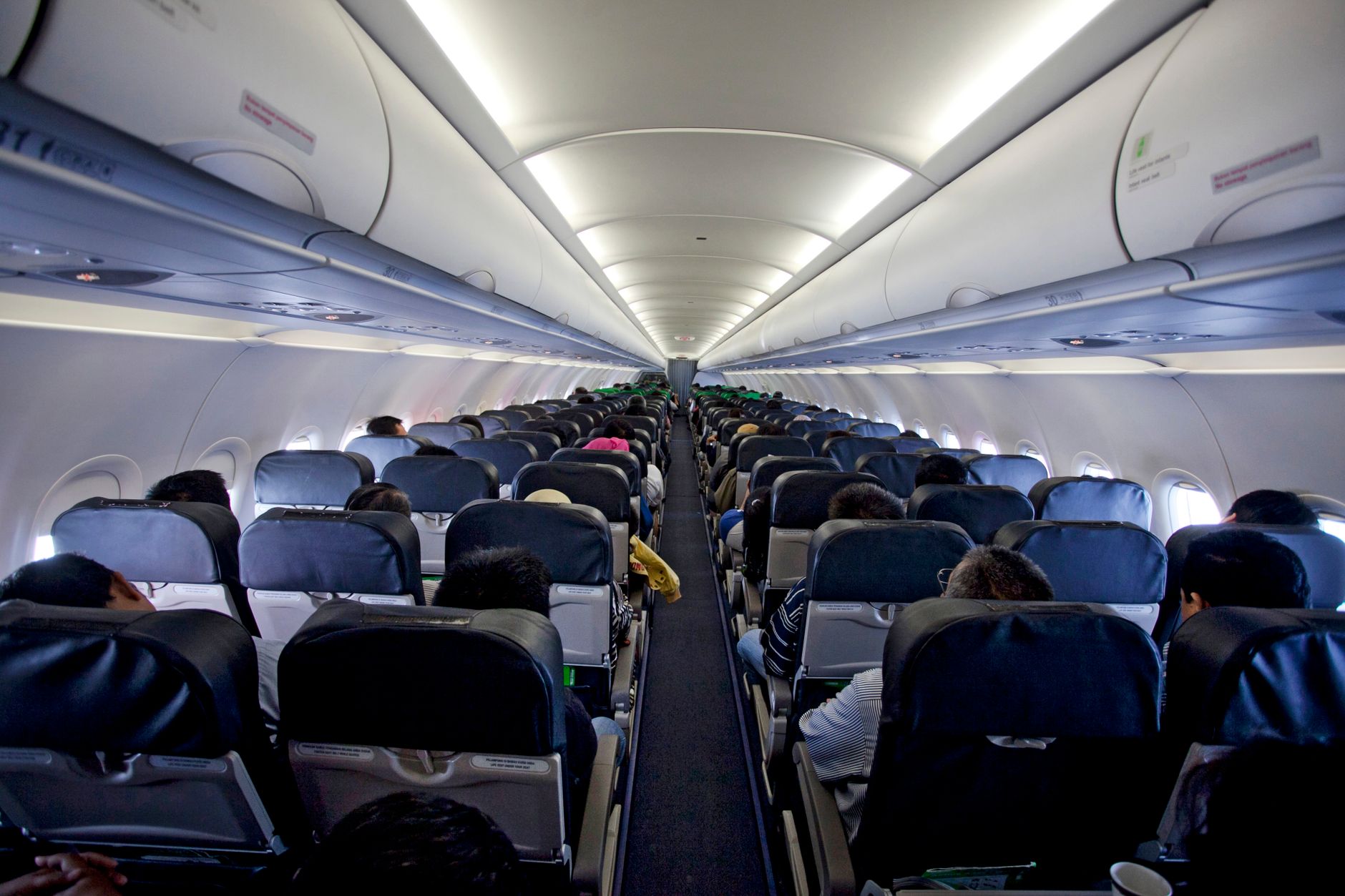
Long flights with kids can feel like a mission impossible, but what if there were secret hacks only seasoned local parents know? Forget the generic advice; we're diving deep into the real strategies that transform dreaded journeys into surprisingly smooth sailing, straight from the mouths of those who've mastered it. Prepare to unlock the insider wisdom that will change your family's travel game forever. ---
Oh, the dreaded long-haul flight with children. Just the thought of it can send shivers down the spine of even the most adventurous parent. I remember my first trans-Atlantic journey with my then-three-year-old, Maya, and her baby brother, Leo. We were heading to Lisbon, a city I’d dreamed of exploring with my family, but the 8-hour flight felt less like an exciting prelude and more like a potential hostage situation.
Mid-flight, Maya decided the tray table was a drum, Leo discovered his lungs at full volume, and I was sweating through my clothes, trying to juggle a screaming infant, a restless toddler, and the disapproving glances of fellow passengers. It was a disaster, a parental rite of passage I wouldn't wish on my worst enemy. I vowed then and there: never again would I be unprepared.
That’s when I started observing. On subsequent trips, from bustling Tokyo subways to serene Tuscan villages, I watched local parents. They didn't seem to have the same white-knuckled grip on sanity as I did. Their kids were... well, calmer. More engaged. And the parents? They had a knowing twinkle in their eye, a quiet confidence. It was then I realized: these locals, these seasoned travelers, they had secrets. Unspoken rules. Hacks they probably didn't even realize were hacks because they were just how things were done.
And today, my friends, I’m spilling the tea. This isn't your average "pack snacks and a tablet" advice. This is the real, gritty, game-changing wisdom that transforms a potentially nightmare flight into a surprisingly serene journey. The kind of wisdom that makes other tourists wonder, "How do they do it?"
Let's dive into the local playbook for surviving (and thriving!) on long flights with children.
1. The Unspoken Rule of Pre-Flight Prep: Draining the Energy Tank (The Smart Way)
Most travel advice tells you to arrive early, check in, and then… wait. But locals know that waiting is the enemy of a peaceful flight, especially with high-energy kids. Their secret? Strategic energy expenditure.
On a layover in Frankfurt once, I saw a German mother, her two kids (around 5 and 7) absolutely sprinting laps around a designated, nearly empty gate area. They weren't being disruptive; they were just running. When I asked her, she simply smiled and said, "Better here than in the air, right? We call it the 'pre-flight sprint'."
The Local Hack: Don't just sit at the gate. Find an open space – an unused gate, a family lounge, even a long corridor – and let them run. Play tag. Do jumping jacks. Have a dance party. The goal is to physically exhaust them before they get on the plane. If you have a long car ride to the airport, stop at a park beforehand. Many airports now have dedicated children's play areas (like the fantastic one in Changi Airport, Singapore, or the KidsPort at Zurich Airport), but even just a brisk walk through the terminal, pointing out interesting things, can help.
- My Anecdote: Before our last 10-hour flight to Buenos Aires, I took Maya and Leo to a fantastic playground near our hotel in the morning. We spent a good two hours there, climbing, swinging, and sliding. By the time we got to the airport, they were happily tired, not wired. They snacked quietly, watched a bit of the planes take off, and then practically collapsed into their seats on board. It was a revelation.
- Actionable Tip: Research airport layouts beforehand. Look for play areas, or identify less crowded gates for a pre-boarding "energy drain." Pack a small, lightweight ball or frisbee for open spaces.
2. The Carry-On Chronicles: More Than Just Snacks – It's a Survival Kit
You think you pack well? Locals pack smarter. Their carry-on isn't just a bag; it's a meticulously curated psychological arsenal designed to combat boredom, discomfort, and meltdowns.
The Local Hack: The "Surprise & Delight" Strategy. Instead of handing over everything at once, locals dole out new activities and treats strategically. Think of it like an advent calendar for the sky. Each item is a small victory, a fresh distraction.
- My Anecdote: On a flight from Rome to New York, I noticed an Italian nonna with her grandson. Every hour or so, she'd pull out a small, wrapped item from her bag: first, a new mini-puzzle book, then a small bag of locally sourced dried fruit, later a tiny figurine. Each reveal was met with genuine excitement, buying her another hour of peace. I adopted this immediately.
- Actionable Tips & Specifics:
- "New" Doesn't Mean "Expensive": Head to a discount store before your trip. Pick up small, novelties: a mini LEGO set (not too many pieces!), a new coloring book with fresh crayons, a small pack of stickers, a tiny bottle of play-doh, a deck of cards, or a finger puppet. Wrap them individually in tissue paper or small gift bags. The unwrapping itself is part of the fun.
- Noise-Canceling Headphones for Kids: Not just for screens. These are a game-changer for sensory overload. Invest in a good pair (e.g., PuroQuiet Kids Headphones, around $80-100) that limit volume and block out engine noise, allowing for calm contemplation or even sleep.
- The "Snack Extravaganza": Don't just pack some snacks. Pack many different kinds. Think variety, texture, and novelty. Small containers of berries, cheese sticks, mini rice cakes, fruit pouches, pretzels, homemade muffins. Avoid sugary junk food that causes energy spikes. For babies, pre-measured formula, small jars of purees, and teething biscuits are critical. Locals often bring a small, empty, refillable water bottle to fill after security.
- "Magic" Bag/Pouch: A small, dedicated pouch filled with essential comfort items: a travel-sized blanket (e.g., Cocoon travel blanket, about $30-50), a favorite small stuffed animal, a mini pillow, and a change of clothes (for both child and parent – trust me on this one!).
3. The Art of the Distraction: Beyond the Screen (The Engagement Game)
While screens are undeniably powerful, relying solely on them is a rookie mistake. Locals know that true engagement comes from interaction and imaginative play.
The Local Hack: The "Analog Advantage." Before tablets became ubiquitous, kids on planes were entertained differently. Locals still tap into this. They bring items that foster creativity and interaction.
- My Anecdote: On a flight to Hanoi, I watched a Vietnamese family play an elaborate game of "I Spy" and then a drawing game where one person described something and the other drew it. No screens, just pure, joyful interaction. It reminded me of my own childhood and how much fun we had without electronics.
- Actionable Tips & Specifics:
- Window Wonders: The airplane window is a magical portal. Play "spot the cloud animal," "guess what country we're flying over" (if you have an inflight map), or simply marvel at the tiny world below.
- Storytelling & Role-Play: Bring small figurines or puppets. Create an impromptu story. Have the airplane seats become a castle, a spaceship, or a pirate ship. Encourage your child to lead the narrative.
- Activity Books & Craft Kits: Reusable sticker books, water wow books (no mess!), simple origami paper, pipe cleaners, and a small sketch pad are fantastic. These require focus and fine motor skills.
- Travel Journals for Older Kids: Give them a small notebook and some colored pens. Encourage them to draw what they see, write about their feelings, or even create a comic strip of their journey. This is a brilliant way to process the experience and create a keepsake.
- Audio Adventures: Download kid-friendly podcasts or audiobooks before you leave home. This provides passive entertainment that doesn't strain eyes and can even encourage sleep. Apps like "Storynory" or "Circle Round" offer free stories.
4. Fuel & Forty Winks: Mastering the In-Flight Ecosystem (The Rhythm Keepers)
Long flights disrupt routines, but locals understand the importance of maintaining a semblance of normalcy, especially when it comes to eating and sleeping.
The Local Hack: "Micro-Routines" and "Strategic Hydration." Instead of trying to force a full sleep schedule, locals create small, predictable routines within the flight and prioritize hydration above all else.
- My Anecdote: Flying back from Japan, I saw a Japanese mother meticulously lay out a small, familiar blanket for her toddler, offer a specific comfort toy, and then sing a quiet lullaby before gently rocking him to sleep. It was a mini bedtime ritual, perfectly adapted for the cramped airplane seat. He was asleep within minutes.
- Actionable Tips & Specifics:
- Hydration is Key: Airplane air is incredibly dry. Dehydration exacerbates fatigue and irritability. Offer water constantly. For younger kids, small sips from a straw cup or water bottle. Avoid sugary drinks and excessive juice.
- Familiar Foods & Comforts: Airplane food can be hit-or-miss. Pack enough familiar, comforting foods that you know your child will eat. This is not the time for culinary adventures. For babies, ensure you have enough formula/breast milk and purees. Remember, most airlines can provide hot water for warming bottles.
- The Power Nap Strategy: Don't expect a full night's sleep. Aim for strategic naps. If you have a bassinet for an infant (book well in advance!), utilize it. For toddlers, an inflatable footrest (like the Fly-Tot or Plane Pal, around $60-80) can convert their seat into a flat bed, making sleep much easier. Ask a flight attendant if your airline permits them (some do, some don't).
- Layer Up & Cozy Down: Airplane cabins fluctuate in temperature. Dress kids in layers. Bring a favorite blanket or a soft, lightweight travel blanket. A neck pillow for older kids can also make a huge difference in comfort for napping.
5. Meltdown Management: The Zen Parent's Playbook (The Empathy Engineers)
Every parent dreads the mid-flight meltdown. Locals don't prevent them entirely (they're human, after all!), but they manage them with a calm, empathetic approach that defuses the situation rather than escalating it.
The Local Hack: "Proactive Empathy & Strategic Distraction." Instead of getting flustered, locals acknowledge the child's feelings and then pivot to a solution or distraction.
- My Anecdote: On a packed train in Italy, a little girl started crying loudly. Her mother didn't scold her. Instead, she knelt down, looked her in the eyes, and calmly said, "I know you're tired, tesoro. It's tough, isn't it? Let's find your favorite teddy and tell him how tired we are." She then gently redirected her. The crying subsided almost immediately. It taught me the power of validation before correction.
- Actionable Tips & Specifics:
- Acknowledge Feelings First: "I know you're feeling frustrated/tired/bored. It's hard to sit still for so long." This validation can instantly calm a child.
- Change of Scenery: If possible, take a walk to the galley or the lavatory. A brief change of environment, even just standing in a different spot, can reset a child's mood.
- The "Sensory Reset": Sometimes, meltdowns are due to sensory overload. Offer a calming activity: a quiet song, a gentle back rub, a squeeze toy, or simply holding them close and talking softly.
- Emergency "Happy" Bag: A small pouch with one highly coveted treat or toy that is only brought out during an absolute crisis. For Maya, it was a tiny, limited-edition unicorn figurine she'd been begging for. It worked wonders.
- Don't Fear the Stares: This is perhaps the biggest "secret" locals embody. They simply don't care what other passengers think. Their focus is 100% on their child. This calm demeanor often prevents the parent's anxiety from feeding the child's distress. Remember, you're doing your best.
6. Touchdown & Transition: Conquering Jet Lag Like a Pro (The Rhythm Re-Calibrators)
The flight is over, but the battle isn't. Jet lag can derail the first few days of any trip. Locals have subtle ways of easing their children into a new time zone.
The Local Hack: "Immediate Immersion & Sunlight Therapy." Forget tiptoeing around. Locals immediately adjust to the new time zone and use natural light as their biggest ally.
- My Anecdote: Landing in Sydney after a brutal 14-hour flight, I saw an Australian family with two young kids practically sprint out of the airport, straight into the bright morning sun. They headed directly to a park, let the kids play, and resisted the urge for an immediate nap. By evening, the kids were tired but ready for bed at a reasonable local hour. I, on the other hand, was dragging my feet, trying to convince myself a quick nap wouldn't hurt. It always hurt.
- Actionable Tips & Specifics:
- Adjust Clocks Immediately: As soon as you land, change all your watches and phones to the local time. Start thinking in the new time zone.
- Seek Sunlight: Natural light helps reset the body's circadian rhythm. Get outside as soon as possible after landing. Go for a walk, find a playground, or just sit at an outdoor cafe.
- No Immediate Naps (If Possible): Resist the urge to let kids nap for hours right after landing, no matter how tired they are. Push through until early evening. If they must nap, make it a short "power nap" (30-60 minutes).
- Hydrate & Eat Light: Continue to prioritize water. Avoid heavy, greasy meals. Opt for fresh fruits and vegetables.
- Embrace the Early Bedtime: The first night, aim for an early bedtime in the new time zone. A warm bath and a familiar bedtime story can help signal it's time to wind down.
The Ultimate Takeaway: Confidence is Your Co-Pilot
The real secret weapon of these local parents isn't just a specific toy or a particular snack; it's their confidence. They anticipate challenges, they prepare meticulously, and when things go sideways (because they will!), they handle it with a calm, empathetic resolve. They understand that flying with children is a journey, not just a destination, and they approach it with a strategic mindset.
So, next time you're gearing up for a long flight with your little adventurers, remember these insider hacks. Arm yourself with surprise delights, embrace the pre-flight sprint, and channel your inner Zen parent. You'll not only survive, but you'll unlock a whole new level of family travel, one where the journey itself becomes part of the adventure.
Now go forth, intrepid parent, and conquer those skies! What's your go-to "secret" hack for flying with kids? Share your wisdom in the comments below – let's build our own community of insider travel experts!
---
More pictures



Tags
Share this guide
We may earn a commission if you click a link and buy a product or service, at no extra cost to you. How affiliate links work.
Been there?