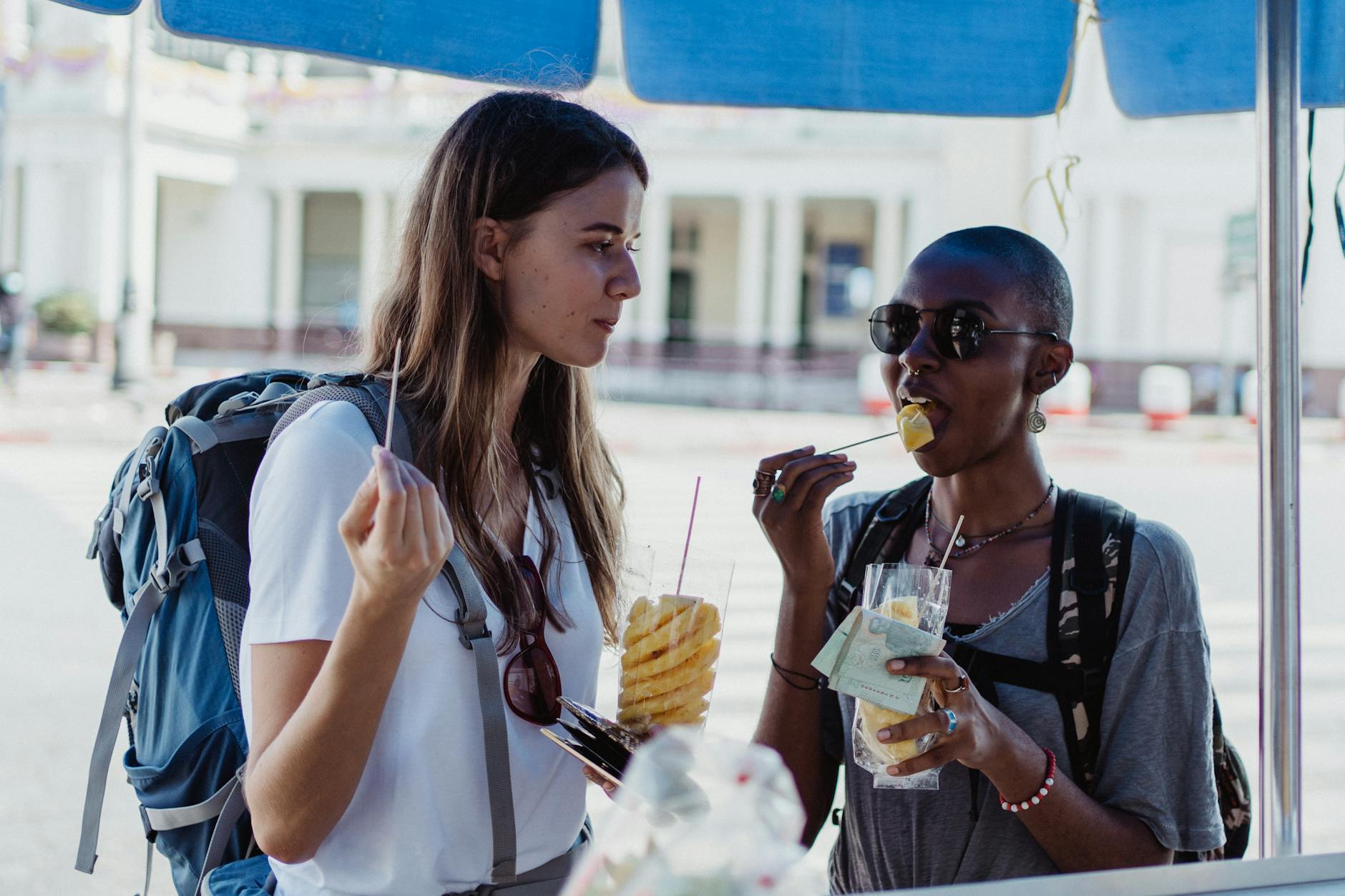
Ever bitten into what you thought was a sweet treat, only to be surprised by a burst of savory flavor? Get ready to have your culinary perceptions delightfully challenged! We're diving into the world's most deceptive dishes – foods that masterfully mimic desserts but are anything but sweet, perfect for your November 2025 travels. ---
Sweet Illusion: The World's Most Deceptive Dishes That Look Like Dessert (But Aren't!)
There’s a special kind of thrill in travel, isn't there? It’s the thrill of the unexpected, the joy of discovery, and often, the delightful surprise of new flavors. But what if that surprise comes from a dish that completely tricks your eyes, making you think you're about to indulge in something sweet, only to deliver a sensational savory punch?
My first encounter with this culinary trickery happened years ago in Kyoto. I was wandering through Nishiki Market, captivated by the vibrant stalls, when I spotted what looked like perfectly formed, glistening little cakes. They were arranged beautifully, some in delicate pastel hues, others a rich golden brown. "Mochis," I thought, my sweet tooth tingling. I eagerly pointed to a few, paid my 300 JPY (about $2 USD at the time), and took a bite, expecting that familiar chewy sweetness. Instead, my tastebuds were met with a burst of umami – a savory, almost salty, and slightly spicy flavor! It was Goma Dofu, a sesame tofu dish, exquisitely molded and presented. My initial confusion quickly turned into a delighted laugh. I had been gloriously, deliciously fooled.
That moment sparked an obsession. Since then, I’ve been on a global quest to uncover more of these "dessert imposters" – foods that masterfully play with our expectations, offering a savory surprise hidden behind a sweet façade. And let me tell you, November 2025 is the perfect time to embark on your own journey of culinary deception. Why November? It’s shoulder season in many incredible destinations, meaning fewer crowds, often better prices, and the perfect cool crispness to enjoy market strolls and cozy cafe discoveries.
So, pack your adventurous spirit and your camera, because these dishes are not just a treat for your palate, but also incredibly Instagrammable. Let's dive into the world of savory masquerades!
The Art of Savory Illusion: Why Do These Foods Exist?
Before we get to the delicious details, let's ponder why these culinary chameleons exist. Often, it's a blend of cultural tradition, resourcefulness, and a touch of artistic flair. In many cuisines, the line between sweet and savory is far blurrier than in Western cooking. Ingredients like coconut milk, sticky rice, and root vegetables can swing both ways, forming the base for both sweet and savory preparations. Presentation also plays a huge role; molding, layering, and garnishing can make almost anything look like a delicate patisserie item. It's a testament to the creativity and ingenuity of chefs and home cooks worldwide, challenging our preconceptions one delicious bite at a time.
Asia's Deceptive Delights: Where Sweet Meets Savory in Unexpected Ways
Asia is a treasure trove for these food illusions, where ancient culinary traditions often blur the lines of flavor.
1. Japan's "Mochi" Imposters & Tofu Treasures
My Kyoto experience was just the tip of the iceberg. Japan, with its meticulous presentation and use of versatile ingredients, excels at savory deception.
- Goma Dofu (Sesame Tofu): This is what tricked me! Often found in Buddhist temple cuisine (shojin ryori) but also in specialty stores and markets, Goma Dofu is made from ground sesame paste, water, and kudzu starch. It’s chilled and sets into a gelatinous, pudding-like consistency. It looks exactly like a creamy, delicate dessert – often served in elegant cubes or scoops. But one bite reveals a rich, nutty, and distinctly savory flavor, sometimes served with a dab of soy sauce or wasabi.
- Where to find it (November 2025): Look for it in Kyoto's Nishiki Market (around 400-600 JPY per serving, ~$2.70-$4.00 USD), or in high-end ryokans and shojin ryori restaurants across Japan. In Tokyo, department store food halls often have exquisite versions.
- Tripsora Tip: Don't just eat it; appreciate the artistry. The smooth, almost silken texture is divine. It’s incredibly photogenic against minimalist Japanese ceramics.
- Tamagoyaki (Rolled Omelet): While some versions are undeniably sweet (often served for breakfast), many Tamagoyaki are prepared savory, with dashi (fish stock), soy sauce, and mirin, sometimes even containing finely chopped vegetables or seaweed. Its perfectly layered, rectangular form, often presented in slices, can easily be mistaken for a delicate pound cake or a sweet sponge.
- Where to find it (November 2025): Izakayas, sushi restaurants (as part of a nigiri set), and bento boxes throughout Japan. Tsukiji Outer Market in Tokyo has famous Tamagoyaki stalls where you can watch it being made fresh (around 150-300 JPY per piece, ~$1-$2 USD).
- Tripsora Tip: Ask if it's "amai" (sweet) or "karai" (savory/spicy) if you're unsure, though most restaurant versions lean savory.
2. Southeast Asia's Kuih Kicks & Sticky Surprises (Malaysia & Singapore)
The vibrant street food scenes of Malaysia and Singapore are rife with colorful, often layered, "kuih" – traditional bite-sized snacks that can be either sweet or savory.
- Kuih Talam (Steamed Coconut Cake): This iconic Nyonya kuih is a beautiful two-layered cake. The bottom layer is a vibrant green (from pandan leaf), and the top is a creamy white. Its smooth, gelatinous texture and pretty presentation scream "dessert." However, while the pandan layer has a hint of sweetness, the thick white coconut cream layer is distinctly savory, seasoned with salt, creating a delightful contrast.
- Where to find it (November 2025): Street food stalls, hawker centers, and traditional kuih shops in Kuala Lumpur, Penang, and Singapore. Try the famous markets in Georgetown, Penang (around 1-2 MYR per piece, ~$0.20-$0.40 USD) or Maxwell Food Centre in Singapore (around 1.50-2.50 SGD per piece, ~$1.10-$1.80 USD).
- Tripsora Tip: Look for the freshest kuih in the mornings. The distinct green and white layers make for a fantastic close-up shot!
- Pulut Tai Tai (Blue Glutinous Rice with Kaya): This visually stunning kuih features glutinous rice stained a beautiful indigo blue with butterfly pea flowers, pressed into a dense block. It’s typically served with kaya, a sweet coconut jam. But sometimes, especially in home kitchens or specific local eateries, the kaya can be a less sweet, more savory version, or the rice itself is seasoned with a hint of salt to balance the richness, making the overall experience more complex than just sweet.
- Where to find it (November 2025): Specialty Nyonya restaurants and cafes in Malacca and Penang, Malaysia. Prices vary but expect around 5-8 MYR for a serving (~$1.10-$1.70 USD).
- Tripsora Tip: The vibrant blue color is a showstopper. Experiment with different kaya accompaniments – some will be sweeter, others more savory.
3. Korea's Savory "Cakes" and Pancake Puzzles
Korean cuisine also has its share of visually deceptive dishes, often playing on familiar dessert forms.
- Jeon (Savory Pancakes): While not always looking exactly like a dessert, some jeon, especially Kimchi Jeon (kimchi pancake) or Pajeon (scallion pancake), when cut into wedges, can resemble a rustic cake or a thick cookie. Served hot and crispy, they are definitely savory, packed with fermented kimchi, fresh scallions, or seafood, and dipped in a soy-vinegar sauce.
- Where to find it (November 2025): Ubiquitous in Korean restaurants, street food stalls, and markets. Head to Gwangjang Market in Seoul for an authentic experience (around 5,000-10,000 KRW per pancake, ~$3.70-$7.40 USD).
- Tripsora Tip: Order a variety of jeon to see the different shapes and fillings. They're perfect for sharing and pair wonderfully with makgeolli (rice wine).
European Eye-Openers: Subtle Savory Surprises
Europe, with its rich history of baking and patisserie, also hides some savory gems that might fool your sweet tooth.
1. Italy's "Panna Cotta" Pretenders & Rustic Tarts
Italian cuisine is famous for its dolce, but don't let that distract you from the savory imposters.
- Torta Salata (Savory Tart/Cake): These "savory cakes" are often beautifully presented, sometimes with intricate lattice tops or golden-brown crusts, making them look like a fruit tart or a rich quiche. But their fillings are entirely savory: spinach and ricotta, ham and cheese, various vegetables, or even seafood. I once saw a Torta Pasqualina (Easter cake) in a bakery window in Florence that looked like a glorious, multi-layered sweet pie, only to discover it was packed with artichokes and eggs!
- Where to find it (November 2025): Bakeries (panetterie), deli counters (gastronomie), and trattorias across Italy. Especially common in Emilia-Romagna and Tuscany. A slice might cost 4-7 EUR (~$4.30-$7.50 USD).
- Tripsora Tip: Perfect for a quick, authentic lunch or picnic. Pair it with a simple salad. Ask for "torta salata" or "torta rustica" to ensure you get the savory version.
- Polenta (Creamy Cornmeal): While often served as a side, polenta can be molded and presented in ways that resemble a rich dessert. Think of creamy polenta set into a terrine, then sliced and grilled, or individual portions served in ramekins. Its golden hue and smooth texture can be surprisingly dessert-like, but it's purely savory, often served with rich meat sauces, mushrooms, or cheese.
- Where to find it (November 2025): Northern Italy, particularly Veneto, Lombardy, and Piedmont. Look for it in traditional trattorias. A main course with polenta might be 12-20 EUR (~$13-$21 USD).
- Tripsora Tip: This is comfort food at its best. Don't be fooled by its innocent appearance; it's hearty and deeply satisfying.
2. France's Éclair Enigmas & Savory Puffs
The land of patisserie also has its savory secrets.
- Gougères (Savory Cheese Puffs): These light, airy choux pastry puffs are savory, infused with Gruyère or Comté cheese. They look uncannily like small cream puffs or éclairs, especially when freshly baked and golden. But instead of sweet cream, you get a warm, cheesy, slightly salty burst of flavor. I once grabbed a bag from a boulangerie in Lyon, thinking they were a sweet treat, and was delightfully surprised by the cheesy goodness.
- Where to find it (November 2025): Bakeries (boulangeries), charcuteries, and at apéro (pre-dinner drink) gatherings across France, especially in Burgundy. A bag might cost 3-6 EUR (~$3.20-$6.40 USD).
- Tripsora Tip: These are addictive! Perfect with a glass of local wine. They're incredibly photogenic piled high in a rustic basket.
- Terrines (Savory Molds): While usually clearly labeled, some vegetable or pâté terrines, especially those with vibrant layers and a smooth, gelatinous top, can appear like a sophisticated dessert. Think of a layered vegetable terrine looking like a colorful cake slice, or a rich pâté terrine resembling a dense chocolate dessert.
- Where to find it (November 2025): High-end delis (traiteurs), traditional French restaurants, and markets. Expect prices to vary widely depending on ingredients, from 8-15 EUR per slice (~$8.60-$16 USD).
- Tripsora Tip: Ask about the ingredients. These are often served cold and are a fantastic way to sample regional flavors.
Latin America & Beyond: Unexpected Treats from the Americas and Middle East
The world over, culinary creativity knows no bounds when it comes to visual deception.
1. Mexico's "Flan" Fakes & Tamale Twists
Mexican cuisine is a riot of colors and flavors, and sometimes, those colors hide savory secrets.
- Tamales (Savory Steamed Corn Dough): While usually wrapped in corn husks or banana leaves, once unwrapped, some tamales, especially those made with a smoother, paler masa, can resemble a dense sweet cake or pudding. But inside, you'll find savory fillings like seasoned pork, chicken in mole sauce, or cheese and chilies. The texture can be surprisingly delicate, further enhancing the dessert illusion.
- Where to find it (November 2025): Street vendors, markets, and traditional eateries across Mexico. Mexico City's Mercado de San Juan or Mercado de Coyoacán are great places (around 20-40 MXN per tamal, ~$1.10-$2.20 USD).
- Tripsora Tip: Tamales are a breakfast staple for many. Don't be shy to try different fillings! The unwrapping process itself is part of the experience.
2. Middle Eastern "Baklava" Bafflers & Savory Pastries
The intricate pastries of the Middle East are usually sweet, but some savory items can easily blend in.
- Sambousek (Savory Pastries): These small, often triangular or crescent-shaped pastries are popular across the Middle East. While they might resemble sweet filo pastries or small turnovers, they are invariably filled with savory ingredients like spiced meat (lamb or beef), cheese, or spinach. Their golden, flaky crust can easily make you think of a baklava or other sweet treat.
- Where to find it (November 2025): Bakeries, street food stalls, and restaurants in Lebanon, Jordan, Syria, and across the Levant. In Beirut, look for them in local bakeries (around 1,000-2,000 LBP per piece, ~$0.01-$0.02 USD – prices can vary wildly due to inflation, so this is a rough estimate).
- Tripsora Tip: These are fantastic finger foods and perfect for sharing. Try a variety of fillings to find your favorite.
Tips for the Savory Seeker: How to Master the Art of Food Deception
Ready to embark on your own "sweet illusion" hunt in November 2025? Here are my top tips:
- Read the Menu (Carefully!): This might seem obvious, but a quick scan might miss key descriptors. Look for terms like "savory," "salt," "cheese," "meat," or "vegetable" in the description, even if the item is under a "snacks" or "small plates" section that usually houses sweets.
- Ask the Locals: Don't be afraid to point and ask, "Is this sweet or savory?" (or "dulce o salado?" in Spanish, "dolce o salato?" in Italian, "sucré ou salé?" in French). Most vendors are delighted to explain their dishes.
- Observe the Context: Are you in a bakery that primarily sells bread and savory items, or a dedicated patisserie? The setting can often give clues. Street food stalls frequently offer both, so remain vigilant!
- Embrace the Surprise: The whole point of this culinary adventure is the delightful unexpectedness! Go in with an open mind and be ready to be charmed by a savory twist.
- Look for Clues in Garnish: While some savory dishes might have sweet-looking glazes, often a sprinkle of herbs, chili flakes, or a side of savory sauce can be a giveaway.
- Instagram-Worthy Shots: These deceptive dishes are perfect for social media! Capture the initial "dessert" look, then perhaps a close-up of the savory interior, or your reaction shot when you discover the truth. Use hashtags like #FoodIllusion #SavorySurprise #DessertImposter #TripsoraEats and tag the location!
Conclusion: Your Next Culinary Adventure Awaits!
The world of food is a playground for the senses, and these savory dishes masquerading as desserts are a testament to global culinary creativity. They challenge our perceptions, ignite our curiosity, and most importantly, offer utterly delicious experiences. From the delicate sesame tofu of Japan to the cheesy gougères of France, each bite is a story, a moment of delightful deception that you'll remember long after your trip.
So, as you plan your travels for November 2025, add "seek out savory dessert imposters" to your itinerary. Be bold, be curious, and let your taste buds be surprised. Have you encountered any of these culinary tricksters on your travels? Or discovered a new one I haven't mentioned? Share your stories and photos with us using #TripsoraSweetLies – we can't wait to see what delicious deceptions you uncover! Happy travels and happy eating!
---
More pictures
Tags
Share this guide
We may earn a commission if you click a link and buy a product or service, at no extra cost to you. How affiliate links work.
Been there?