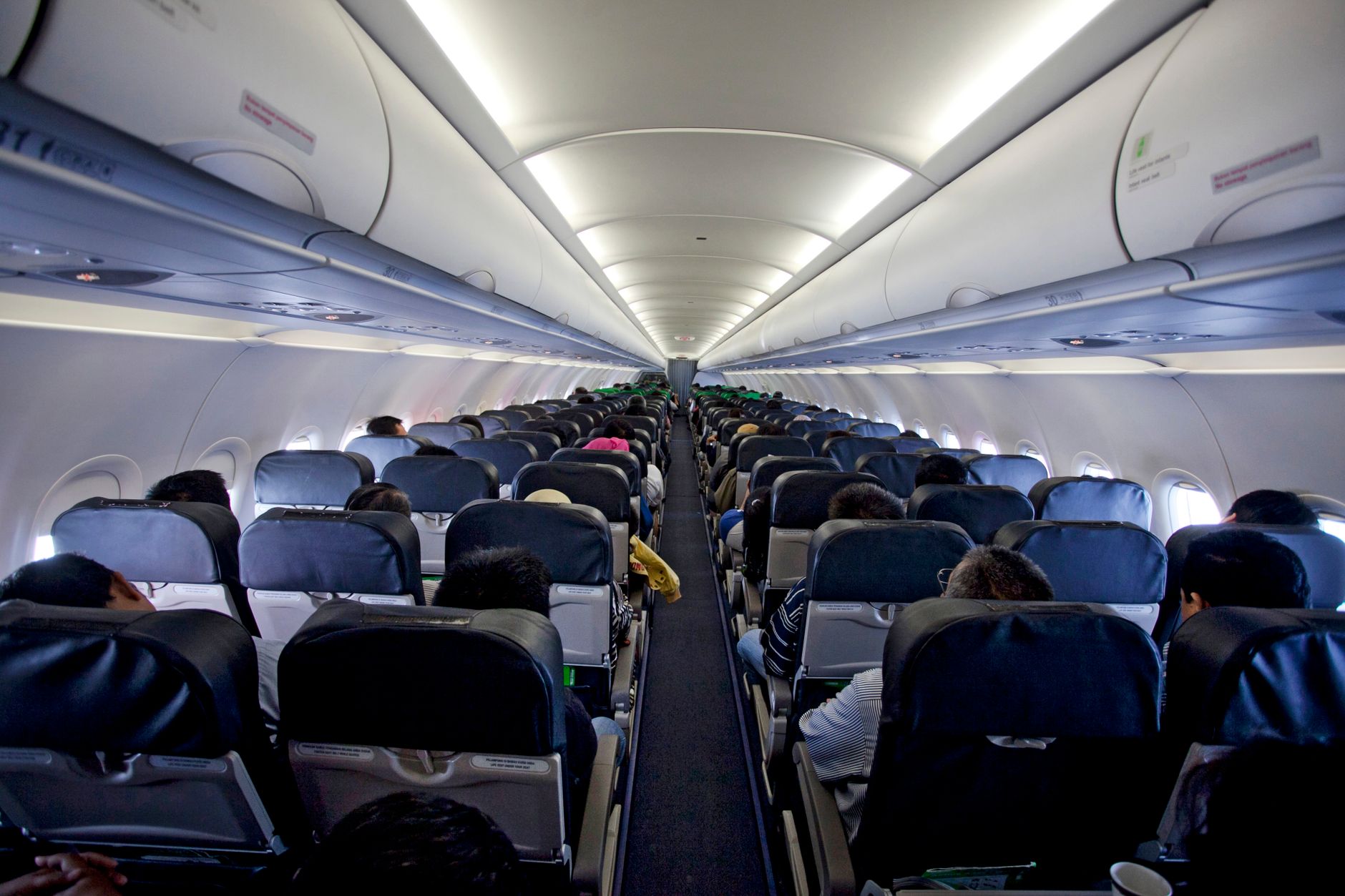
The thought of a long-haul flight with kids can send shivers down any parent's spine, but it doesn't have to be a nightmare. Get ready to transform your next family adventure into a surprisingly smooth journey, even across oceans, with our tried-and-true survival guide for November 2025. Learn the secrets to happy travels and make those "are we there yet?" moments a thing of the past. ---
Stress-Free Skies: Conquer Long Flights with Kids (Your Ultimate Guide for November 2025)
I remember it like it was yesterday: our first long-haul flight with our then 3-year-old Leo and 18-month-old Maya. We were heading to Bali, a dream destination, but the 16-hour journey from London felt more like a looming nightmare. I’d envisioned serene moments, maybe even a quick nap for myself. Instead, I got a full-blown tantrum over a spilled juice, a baby who refused to sleep anywhere but my arms, and a husband whose "helpful" suggestions mainly involved asking if I'd packed more snacks (I had, trust me). By the time we landed, I felt like I’d run a marathon, backward, uphill, in flip-flops.
Fast forward five years, countless flights, and several continents later, and I can confidently say: it doesn't have to be that way! We’ve cracked the code, transforming those daunting journeys into manageable, sometimes even enjoyable, parts of our family adventures. And with November 2025 just around the corner – a popular time for holiday travel and escaping the chill – I want to share every single trick, hack, and sanity-saving strategy I’ve learned. Get ready to ditch the dread and embrace the journey, because surviving long flights with children isn't just possible, it's about to become your new superpower.
---
1. The Pre-Flight Playbook: Planning for Peace (and Avoiding Panic)
The secret to a smooth flight isn't just about what happens on the plane, but what you do before you even leave your driveway. Think of it as your strategic mission briefing.
Booking Smart for November 2025:
- Timing is Everything: For those long-haul flights, especially crossing time zones, red-eye flights can be your best friend. If your kids are good sleepers, they might just snooze through a significant portion of the journey. We often aim for flights departing late evening, around 9-11 PM, when our kids are already winding down. This worked wonders on our recent trip to Thailand with Emirates, where the kids slept for a solid 8 hours.
- Seat Selection: Your Kingdom in the Sky: This is non-negotiable for us.
- Bulkhead seats: If you have an infant (under 2), these are gold for bassinet access. Book early as they go fast! Most airlines, like British Airways or Lufthansa, offer these for free or a small fee. Always call the airline directly after booking to confirm bassinet availability.
- Extra Legroom: If you have energetic toddlers, consider paying for extra legroom seats. The few extra inches can feel like a football field when you're trying to keep a wiggly 4-year-old contained. On our flight to Costa Rica, paying an extra $75 per seat for premium economy made a huge difference in spreading out.
- The "Empty Seat" Gamble: If flying with two adults and two kids, consider booking an aisle and window seat in a row of three, leaving the middle seat empty. If the flight isn't full, you might get lucky and have the whole row to spread out. If it fills up, the person in the middle will likely swap with one of you to sit next to their family/friends.
- Layovers: Friend or Foe? For truly epic journeys, a single long layover (4-6 hours) can be a sanity saver. It allows kids to run, stretch, and burn off energy in a proper airport play area (many major hubs like Singapore Changi or Amsterdam Schiphol have fantastic facilities) before the next leg. Just avoid super short layovers (under 2 hours) – a delayed first flight can turn into a missed connection nightmare with kids in tow.
Pre-Flight Admin & Details:
- Passport Power: Double-check passport expiry dates for everyone, including kids, for November 2025 travel. Many countries require passports to be valid for at least six months beyond your intended stay.
- Visa Check: Research visa requirements for your destination well in advance. Some countries offer e-visas, others require embassy visits. Don't leave it to the last minute!
- Airline Specifics: Confirm baggage allowances, car seat policies (some airlines allow you to bring them on board if they fit the seat dimensions, but check first!), and any specific services like kids' meals or entertainment options. Most airlines offer a "kids meal" option, but these can be hit or miss – more on that later.
---
2. The Carry-On Chronicles: Packing Smart, Not Heavy (The Survival Kit Edition)
This is where the magic happens. Your carry-on isn't just a bag; it's a meticulously curated arsenal of boredom-busters, comfort items, and emergency essentials. I call it the "Bag of Wonders," and it's organized within an inch of its life.
The "Bag of Wonders" – Entertainment Edition:
- The "New Toy" Reveal: This is my secret weapon. Buy 3-5 small, inexpensive, new toys or activities they've never seen before. Wrap them individually. When boredom strikes, unveil one! The novelty factor is huge. Ideas:
- Water Wow books (Melissa & Doug are great) – mess-free painting!
- Sticker books/reusable sticker pads – hours of quiet fun.
- Mini Play-Doh pots (just a few, not the whole tub!).
- Small LEGO Duplo sets or a few favorite Hot Wheels cars.
- Pipe cleaners and pom-poms – surprisingly versatile for creative play.
- Small magnetic drawing boards.
- Screen Time Saviors: Load up tablets with their favorite shows, movies, and educational games before you leave home. Don't rely on in-flight Wi-Fi or entertainment, which can be spotty or non-existent. Invest in good quality, comfortable kids' headphones (like Puro Sound Labs or BuddyPhones) – they're worth every penny (around $40-$60) for sound quality and volume limiting.
- Books & More: A couple of their favorite lightweight books, coloring books, and crayons (twistable ones are less messy).
Snack Attack Strategy:
- Variety is Key: Pack a diverse range of snacks. Sweet, savory, crunchy, soft. Kids are fickle.
- Non-Messy Champs: Crackers, cheese sticks, pre-cut fruit (apples, grapes), dried fruit, granola bars, mini muffins, pretzels, fruit pouches. Avoid anything sticky, crumbly, or overly sugary.
- Allergy Awareness: If your child has allergies, packing your own food is paramount. Always check airline policies on bringing outside food. Most are fine, especially for kids.
- Empty Water Bottle: Bring an empty reusable water bottle for everyone. You can fill it up after security, saving money and plastic.
Comfort & Emergency Kit:
- Comfort Items: Their favorite small blanket, a compact travel pillow, and a beloved stuffed animal. These familiar items provide security and aid sleep in an unfamiliar environment.
- Change of Clothes (for everyone!): Yes, everyone. Kids spill, kids get sick, and sometimes, adults get caught in the crossfire. Pack one full change for each child and a spare top for yourself and your partner.
- Wipes, Wipes, Wipes: Even if your kids are potty-trained, travel wipes are essential for sticky hands, messy faces, and sanitizing surfaces.
- Small First-Aid Kit: Band-aids, antiseptic wipes, children's pain reliever (e.g., Tylenol/Motrin), thermometer, any prescription medications.
- Plastic Bags: For soiled clothes, trash, or motion sickness emergencies.
- Hand Sanitizer: A must.
---
3. Airport Acrobatics: Navigating the Chaos with Grace
The airport itself can be a gauntlet. But with a little foresight, you can turn it into part of the adventure, not just a stressful hurdle.
Security Line Sanity:
- TSA PreCheck/Clear (US) or similar programs: If you travel frequently, these are priceless. Skipping the main lines saves precious time and reduces stress.
- TSA Cares (US): If you have a child with a disability or medical condition, you can call TSA Cares 72 hours in advance for assistance through security.
- Stroller Strategy: Gate-check your stroller. It allows you to use it right up to the plane door, which is invaluable for tired little legs. Just get a tag from the check-in counter or the gate agent.
- Shoes Off, Bags Out: Mentally prepare for taking off shoes (yours and older kids'), removing liquids, and electronics. Have your liquids bag easily accessible. Assign each adult a specific task.
Gate Game Plan:
- Burn Energy: Before boarding, let your kids run, jump, and play in the gate area (safely, of course!). The more energy they burn now, the less they'll have to expend on the plane. Find a quiet corner or an empty stretch of hallway.
- Hydrate & Bathroom Break: This is your last chance for a proper bathroom break before being confined. Make everyone go, even if they say they don't need to.
- Boarding Smart: Many airlines offer priority boarding for families with young children. Take advantage of it if you need extra time to settle in, install car seats, or organize carry-ons. However, for older, more mobile kids (3+), we often prefer to board last. It means less time cooped up on the plane before takeoff. One parent can board early with all the bags, set up, and the other parent can stay with the kids until the very last call.
---
4. In-Flight Zen: Keeping Everyone Happy (or at least Quiet)
You're on the plane, seatbelts fastened. Now the real fun begins. This is where your planning truly pays off.
The "Reveal" Strategy:
- Don't dump all the toys at once! Introduce one new activity or toy every 1-2 hours, or whenever boredom starts to creep in. This keeps the novelty alive and stretches out your entertainment options. My 5-year-old, Leo, still gets excited about the "mystery bag" on our flights.
- Screen Time Management: While I'm usually strict about screen time, long flights are an exception. It's a survival tool. Set expectations before the flight ("you can watch movies for a bit, then we'll do some coloring").
- Headphones are Crucial: Not just for kids, but for your sanity and fellow passengers. Nothing is worse than listening to "Baby Shark" on repeat from a tablet speaker.
Sleep Strategy:
- Mimic Home: Try to stick to your kids' usual sleep routine as much as possible. Change them into PJs, read a familiar story, sing a lullaby.
- Comfort is Key: Their favorite blanket, stuffed animal, and a travel pillow can make a huge difference.
- White Noise: A small, portable white noise machine or an app on your phone can drown out cabin noise and create a familiar sleep environment.
- Bassinet Bliss: If you have an infant and a bassinet, use it! It's a lifesaver for getting hands-free time. Just be aware that turbulence means taking them out.
Dealing with Ear Pressure:
- Chewing/Sucking: For babies, feeding (breast or bottle) during ascent and descent works wonders. For toddlers and older kids, lollipops, chewing gum, or even just sipping water can help equalize pressure.
- Yawning: Encourage older kids to yawn or swallow frequently.
Movement & Breaks:
- Aisle Walks: When the seatbelt sign is off, take your kids for a walk up and down the aisle. It helps with circulation, stretches legs, and offers a change of scenery. A quick trip to the galley to say hello to the flight attendants can also be a fun diversion.
- Window Wonders: My daughter Maya loves looking out the window. Point out clouds, cities, and the vastness of the world below. It's a simple, free form of entertainment.
---
5. Food & Fuel: Airplane Edition (Because Hunger is the Enemy of Peace)
Airline food is notoriously unpredictable, especially for kids. Don't rely on it.
Bring Your Own Feast:
- Pack Smart: Focus on nutrient-dense, non-perishable, and non-messy items. Think pasta salads, sandwiches, wraps, hard-boiled eggs, cut-up veggies with hummus, and plenty of those previously mentioned snacks.
- Temperature Control: For longer flights, pack food in an insulated bag with a small ice pack (ensure it's completely frozen when going through security).
- Kids' Meals: If you ordered one, manage expectations. Sometimes they're great, sometimes they're a sad plate of lukewarm pasta. Always have backups.
- Hydration, Hydration, Hydration: Cabin air is incredibly dry. Encourage everyone to drink water constantly. Those reusable water bottles filled after security will be your best friend. Skip sugary drinks, which can lead to energy crashes.
My Personal Anecdote: On a flight to Japan, the airline-provided kids' meal was a mystery meat casserole that neither of my children would touch. Thankfully, I had packed individual Bento boxes filled with mini sandwiches, fruit, veggie sticks, and some homemade cookies. They ate every bite, and I avoided a major meltdown. It’s always better to be overprepared.
---
6. Post-Flight Finesse: Landing with Sanity Intact (and Minimal Jet Lag)
You've made it! The plane has landed. But the journey isn't over yet. How you handle the first 24-48 hours can make or break the start of your vacation.
Jet Lag Jousting for Juniors:
- Immediate Time Adjustment: As soon as you land, try to switch to the local time zone. If it's daytime, get outside in the sunlight. Sunlight helps reset the body's internal clock.
- Stay Awake (if it's daytime): Resist the urge for long naps. Keep kids engaged and active. A playground visit or a walk can work wonders.
- Early Bedtime: Aim for an early local bedtime on the first night, even if it's earlier than usual.
- Melatonin (Consult Your Doctor First!): For older children and severe jet lag, a very small dose of children's melatonin (under medical guidance) can sometimes help reset sleep patterns. We've used it sparingly on advice from our pediatrician for extreme time differences.
- Hydration Continues: Keep everyone well-hydrated.
Smooth Arrivals:
- Pre-Arranged Transport: The last thing you want after a long flight with tired kids is to haggle with taxi drivers or navigate unfamiliar public transport. Book an airport transfer or car service in advance. Many services offer car seats for children, just specify when booking.
- Downtime is Divine: Don't plan a packed itinerary for your arrival day. Allow for plenty of rest, a relaxed meal, and maybe some quiet playtime at your accommodation. We learned this the hard way after trying to hit a theme park immediately after a 10-hour flight – never again!
---
Conclusion: Your Family's Next Adventure Awaits!
Flying long distances with children doesn't have to be an ordeal. It's an adventure, a learning experience, and with the right preparation, it can even be enjoyable. From our first chaotic flight to Bali to our recent smooth journey to the Dolomites, we've learned that patience, planning, and a well-stocked "Bag of Wonders" are your best allies.
November 2025 could be the month you conquer that dream destination with your family, feeling refreshed and ready to explore. Remember, you're not just surviving; you're creating memories. So, pack smart, breathe deep, and embrace the journey.
What are your go-to long flight hacks? Share your wisdom and personal anecdotes in the comments below! Let's build a community of stress-free family travelers!
---
More pictures



Tags
Share this guide
We may earn a commission if you click a link and buy a product or service, at no extra cost to you. How affiliate links work.
Been there?