
Forget crowded resorts! We're diving deep into the world of hidden hot springs – those magical, secluded soaking spots only locals know about, now quietly trending among in-the-know adventurers. Get ready to discover the secrets to finding your own slice of geothermal paradise and experience nature's ultimate spa. ---
The steam clung to my eyelashes, a warm, earthy embrace against the crisp mountain air. Above me, a canopy of ancient pines whispered secrets, and below, the mineral-rich water enveloped me in a soothing hug. There was no entrance fee, no gift shop, no throngs of tourists vying for the perfect Instagram shot. Just me, the wilderness, and the profound silence broken only by the gentle gurgle of the spring. This wasn't a commercial spa; this was a hidden hot spring, a true gem whispered about in hushed tones, a local secret I'd been lucky enough to stumble upon.
For years, my travel philosophy has been simple: the more remote, the more authentic, the better. I’ve chased sunrises from remote peaks, navigated bustling markets in far-flung towns, and slept under more stars than I can count. But nothing quite compares to the thrill of discovering a natural hot spring that feels untouched by time, a place where the earth itself seems to breathe warmth and healing into existence.
Lately, I’ve noticed a quiet buzz among my fellow wanderlusters. The hunt for these "locals-only" hot springs is no longer just a niche pursuit for hardcore adventurers; it's becoming a trending quest for anyone yearning for genuine connection, tranquility, and an escape from the over-touristed. And for good reason. These aren't just places to soak; they're experiences that reset your soul, challenge your navigation skills, and reward you with unparalleled serenity.
So, how do you find these elusive pools? How do you respect the sanctity of a local treasure while satisfying your adventurous spirit? Grab your towel and a sense of wonder, because I’m about to share the unwritten rules, the insider tips, and a few tales from my own geothermal journeys to help you uncover your own hidden hot spring paradise.
The Irresistible Allure of the Undiscovered Soak
Why are we so drawn to these hidden hot springs? Is it the promise of solitude, the allure of the forbidden, or simply the primal urge to connect with nature's raw power? For me, it's a potent mix of all three.
Imagine this: After a long day of hiking, your muscles ache, your mind buzzes with the day's sights and sounds. Then, you descend into a secluded canyon, or trek through a dense forest, and suddenly, a plume of steam rises from the earth. The air smells faintly of sulfur, and a pool of crystal-clear, naturally heated water beckons. You shed your layers, carefully step in, and feel an immediate wave of relief wash over you. The warmth penetrates deep, soothing every tired fiber. The only sounds are the wind, the water, and perhaps a distant bird. This isn’t just relaxation; it’s a profound communion with the planet.
These aren't the manicured, chlorinated pools of a resort. These are wild places, often accessible only by foot, sometimes requiring a bit of bushwhacking or navigating tricky terrain. The journey itself becomes part of the reward, a testament to your determination. And when you finally slide into those mineral-rich waters, the feeling of accomplishment amplifies the therapeutic benefits tenfold. It's an authentic, unfiltered experience that leaves you feeling rejuvenated, grounded, and utterly alive.
Decoding the Local Whisper Network: Your Guide to Finding the Unfindable
Okay, so you're convinced. You want to find one of these magical spots. But how? The very nature of a "locals-only" hot spring means it's not on Google Maps with a thousand reviews. This is where your inner detective, your respectful demeanor, and a touch of serendipity come into play.
1. Talk to the True Locals (Respectfully!): This is your number one tool. When you're in a region known for geothermal activity (think the Pacific Northwest, the Rockies, parts of California, or even places like Iceland or Japan where geothermal activity is abundant), strike up conversations. Not with the hotel concierge, but with the weathered old timers at the local diner, the barista who seems to know everyone, the shop owner whose family has been there for generations. Start casually: "I love exploring natural wonders. Are there any unique hiking spots around here that are less known?" If they warm to you, you might then gently pivot: "I heard this area has some amazing natural springs. Are there any hidden gems that aren't too crowded?" Emphasize your respect for the environment and local customs. Be genuine, be humble, and never push. A true local will share if they feel you're worthy of the secret.
Personal Anecdote: I once spent a week in a small town in Idaho, subtly asking around. On my last day, a kind woman at a general store, after seeing my enthusiasm for local history, leaned in and drew a rough sketch on a napkin. "Go past the old logging road, then look for the fallen aspen," she whispered. "It's a bit of a hike, but worth it." That sketch led me to one of the most pristine, multi-tiered hot springs I've ever encountered. Her trust was the real treasure.
2. Scrutinize Topographic Maps & Satellite Imagery: This is a more scientific approach. Look for areas with known geothermal activity (often marked by geological symbols or simply by the terrain itself). Then, zoom in on satellite maps. Look for subtle signs: unusual clearings in dense forest, faint trails that don't lead to obvious landmarks, or even steam plumes in colder weather. Cross-reference with topographic maps to identify potential water sources (rivers, streams) and elevation changes that might indicate a spring. It’s like being a digital Indiana Jones!
3. Join Niche Online Communities (with Discretion): There are forums and Facebook groups dedicated to wild hot springs and primitive camping. While direct coordinates are often frowned upon (and for good reason!), people sometimes share clues, general regions, or offer to guide others. Again, approach with respect, offer to share your own knowledge (non-secret spots!), and demonstrate your commitment to Leave No Trace principles.
4. Follow the Faint Trails: Sometimes, the best way is simply to explore. Many hidden springs are found by hikers who follow game trails, old logging roads, or simply a hunch. Keep an eye out for subtle signs of human passage that aren't official trail markers: a neatly stacked cairn, a discarded water bottle (sadly, a sign, though we advocate not leaving trash!), or a path that seems to diverge from the main route. Use your intuition.
My Top Picks (and How to Find Yours): Archetypes of Hidden Hot Spring Bliss
I won't give away specific GPS coordinates – that would defeat the purpose of "hidden" and disrespect the locals who've preserved these places. Instead, I'll describe archetypes of hidden hot springs I've found, giving you a sense of what to look for and how the journey might unfold. Think of these as templates for your own discovery.
1. The Emerald Grotto Pools: Pacific Northwest Wilderness
- The Vibe: Imagine dense, moss-laden forests, towering old-growth trees, and streams carved through ancient volcanic rock. The air is cool and damp, and the springs are often tucked into lush canyons or alongside rushing rivers.
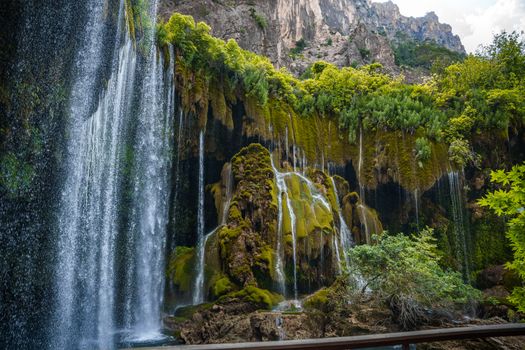
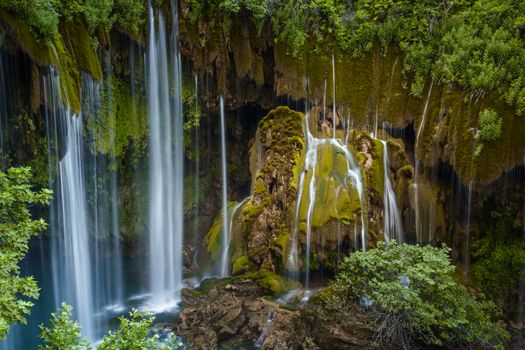
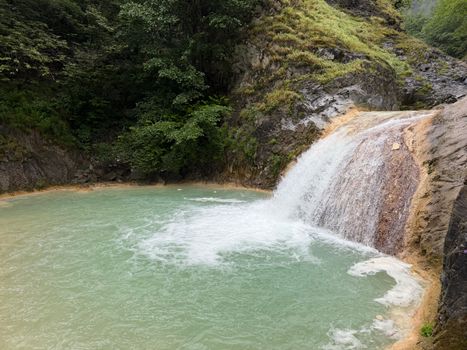
- My Experience: I recall finding a series of cascading pools deep in the Cascades, accessible only by a challenging 3-mile hike through overgrown trails. The water was a stunning emerald green, framed by ferns and giant cedars. It wasn't just one pool, but several, each with a slightly different temperature, flowing into each other like natural infinity pools. The sound of the nearby river was a constant, soothing hum. I spent hours there, feeling utterly disconnected from the outside world, watching condensation rise from the pools into the cool forest air.
- How to Find Yours: Look for areas with known volcanic activity and significant rainfall. Rivers often expose geothermal vents. Ask locals about "swimming holes" or "old bathing spots" that are off the main roads. Be prepared for muddy trails and river crossings.
2. The Desert Oasis Springs: Southwest Solitude
- The Vibe: Stark, dramatic desert landscapes giving way to unexpected pockets of geothermal warmth. Think red rock canyons, vast starry skies, and the surprising resilience of life in arid environments.
- My Experience: One unforgettable night, guided by a cryptic map from a grizzled prospector in Nevada, I found a series of shallow, sandy-bottomed pools nestled in a remote canyon. The air was cool, but the water was perfectly warm, allowing me to soak under a blanket of a million stars, the Milky Way stretching across the inky blackness. There were no lights for miles, just the glow of the moon and the distant howl of a coyote. It felt like stepping onto another planet. The only sound was the bubbling of the spring and my own contented sighs.
- How to Find Yours: Focus on volcanic regions within deserts (e.g., parts of Nevada, New Mexico, California). Look for geological features like volcanic cones, basalt flows, or dry washes that might indicate underground water. Early morning or late night are the best times to spot steam against the cool desert air. Be extremely prepared for desert conditions – carry more water than you think you need.
3. The Forest Nymph Baths: Appalachian Mystique
- The Vibe: Rolling mountains, dense deciduous forests, and a sense of ancient magic. These springs often feel like secret grottos, hidden under leafy canopies, sometimes with subtle mineral deposits staining the rocks.
- My Experience: Deep in the Smoky Mountains, a local artist I met at a craft fair mentioned "the place where the mist rises, just before the old logging bridge." After a few wrong turns and a scramble down a steep embankment, I discovered a small, circular pool, no bigger than a hot tub, fed by a trickling spring. The water had a slightly milky appearance and was surrounded by moss-covered stones and dripping ferns. It felt like a hidden sanctuary, a place where forest spirits might gather. The air was thick with the scent of damp earth and pine. It was incredibly intimate and utterly peaceful.
- How to Find Yours: Explore areas with known fault lines and old mining towns. Locals might refer to them as "healing waters" or "sulfur springs." Look for areas where streams converge or where the forest seems particularly dense and untouched. The key here is often local folklore and oral history.
4. The Coastal Geothermal Pockets: Island & Ocean's Embrace
- The Vibe: The dramatic juxtaposition of warm mineral waters against the cool ocean breeze, sometimes with direct views or even direct access to the sea. Think rugged coastlines, volcanic islands, and the sound of crashing waves.
- My Experience: On a remote Hawaiian island, after a challenging hike along a black sand beach, I discovered a series of tide pools warmed by geothermal vents just beneath the surface. As the waves crashed nearby, filling the pools with fresh ocean water, the temperature fluctuated, creating a dynamic, invigorating experience. It was a natural jacuzzi, carved by lava and sea, offering unparalleled views of the Pacific. The salt on my skin, the warmth of the water, and the vastness of the ocean created an unforgettable sensory overload.
- How to Find Yours: Focus on volcanic islands or coastal regions with known geothermal activity (e.g., parts of Hawaii, Iceland, New Zealand, certain Caribbean islands). Look for steam rising from the beach or rocky outcrops, especially at low tide. Always be mindful of ocean currents and tides when exploring coastal springs.
The Unwritten Rules of the Secret Spring: Be a Responsible Adventurer
Finding these hidden gems comes with a profound responsibility. These are not tourist attractions; they are natural wonders, often cherished by local communities, and fragile ecosystems.
1. Leave No Trace (Seriously!): This is paramount. Pack out everything you pack in. This includes all trash, food scraps, and even organic waste like fruit peels (which take a long time to decompose and attract wildlife). Don't leave toilet paper. If you must go, dig a cathole 6-8 inches deep and at least 200 feet from water sources and trails.
2. Respect the Locals & Their Secrets: If a local shares a spot with you, treat that information as sacred. Do not immediately post the exact location on social media or share it widely. The very act of over-sharing is how secret spots become crowded, damaged, and eventually, closed off. When writing this post, I deliberately kept my specific locations vague to preserve the integrity of these places.
3. Preserve the Natural State: Do not alter the springs in any way. Don't build rock dams, move stones, or add "improvements." Let nature be nature. Avoid using soaps, shampoos, or lotions in the springs, as these chemicals can harm the delicate ecosystem.
4. Practice Quiet Enjoyment: These are places of tranquility. Keep voices low, avoid loud music, and be mindful of others who might be seeking peace.
5. Safety First: Many hidden springs are in remote areas. Cell service might be non-existent. Inform someone of your plans, carry a first-aid kit, and be aware of potential wildlife (snakes, bears, etc.) and unstable terrain. Test water temperatures carefully before entering; some springs can be dangerously hot.
6. Respect Private Property: Always be aware of land ownership. If a spring is on private property, you need explicit permission to access it. Trespassing is illegal and disrespectful.
7. Go at Off-Peak Times: If you do manage to find a relatively accessible "hidden" spot, try to visit during weekdays or early mornings to maximize your chances of solitude and minimize impact.
Gear Up for Adventure: What to Pack for Your Geothermal Quest
Being prepared is key to a safe and enjoyable experience. Here's a quick checklist:
- Sturdy Hiking Shoes: Many hidden springs require a hike over uneven terrain.
- Swimsuit & Towel: Duh! A quick-drying travel towel is ideal.
- Water Bottle: Stay hydrated, especially if the spring is hot.
- Snacks: Energy for the hike in and out.
- Headlamp/Flashlight: Essential if you're hiking in the dark or planning a sunset/sunrise soak.
- First-Aid Kit: Blisters, scrapes, minor cuts – be prepared.
- Trash Bag: For packing out all your waste.
- Map & Compass/GPS (Offline): Don't rely solely on your phone.
- Dry Bag: To protect electronics and valuables.
- Sunscreen & Hat: Even on cloudy days, UV can be strong, especially at altitude.
- Layers of Clothing: Temperatures can change quickly.
- A Sense of Adventure & Respect!
The Call of the Wild Waters: Your Next Adventure Awaits
The journey to find a hidden hot spring is more than just a search for warm water; it's an embrace of responsible adventure, a commitment to respecting nature, and a reward for your adventurous spirit. It's about disconnecting from the digital noise and reconnecting with the earth, one mineral-rich soak at a time.
These places are trending not because they're suddenly appearing on mainstream travel guides, but because discerning travelers are seeking deeper, more authentic experiences. They are seeking the quiet magic, the challenge of discovery, and the profound peace that only an untouched natural wonder can offer.
So, are you ready to embark on your own geothermal quest? Are you prepared to listen to the whispers of the locals, decipher the secrets of the landscape, and treat these sacred spots with the reverence they deserve?
Go forth, explore responsibly, and perhaps you'll find your own slice of hidden hot spring heaven. And when you do, remember the unwritten rules, cherish the moment, and keep its magic alive for those who come after.
What's your most memorable hidden gem discovery? Share your stories (without giving away too many secrets!) and tag @Tripsora on social media. Let's inspire each other to explore more mindfully and marvel at the incredible wonders our planet holds. Happy soaking, fellow adventurers!
---
More pictures

Tags
Share this guide
We may earn a commission if you click a link and buy a product or service, at no extra cost to you. How affiliate links work.
Been there?