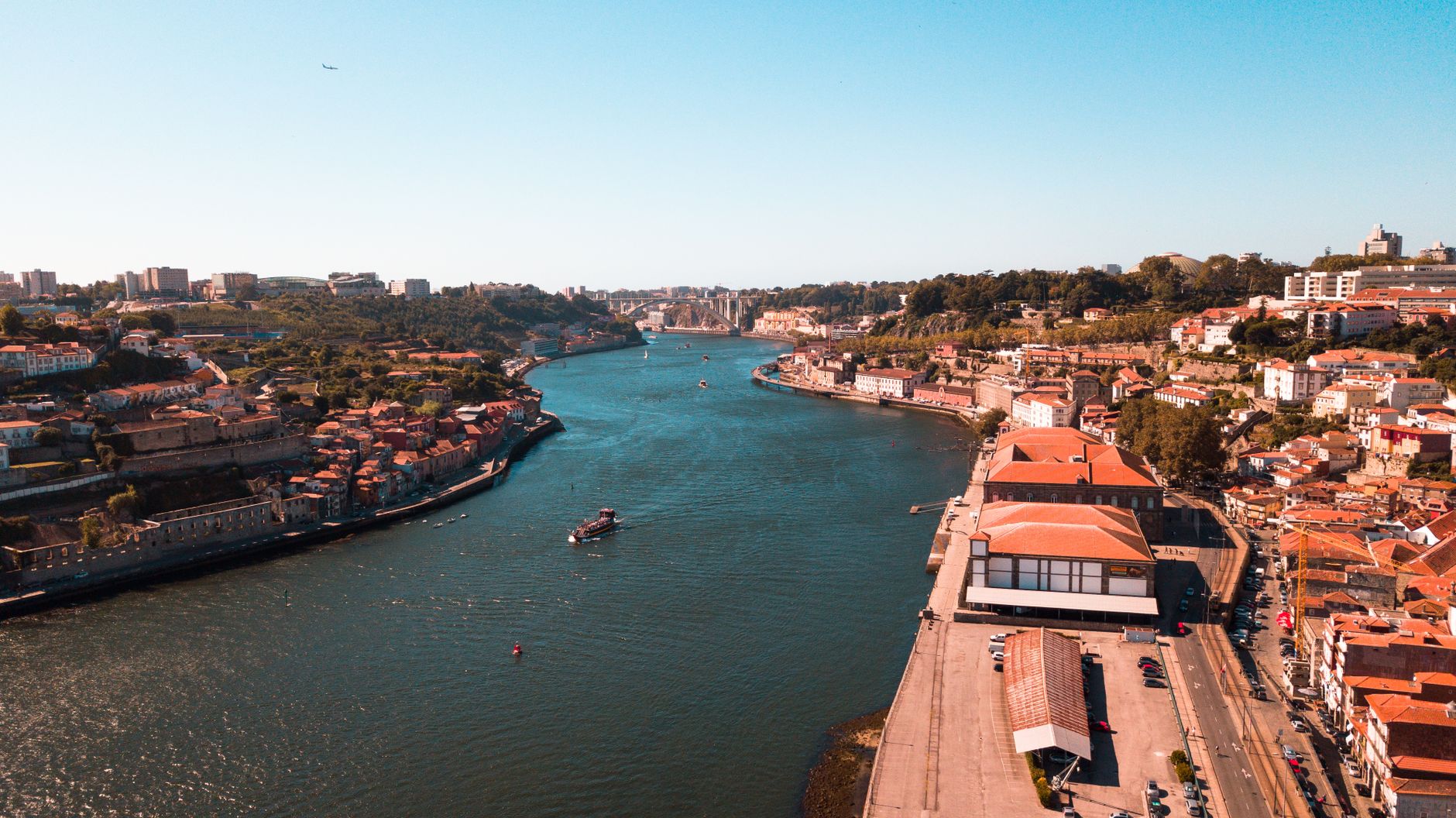
Planning a first trip to Portugal requires deciding on trip duration, choosing a manageable route between core regions, and securing transport and key monuments ahead of time. This guide breaks down the essential choices from seasonal timing to budgeting and neighborhood selection.
Planning a trip to Portugal requires balancing historic cities, coastal regions, and inland heritage without overfilling your days. For a successful first visit, focus on a clear sequence of decisions: decide your trip length, choose the right season, select a logical route, pick your transport, and book high-demand monuments well before arrival.
At Trip-Planner.ai, we recommend clarifying these logistical details before diving into daily schedules. Whether you use Tripsora to ask specific destination questions or use TripBuilder to assemble day-by-day itineraries, following this step-by-step approach ensures a smooth journey across mainland Portugal.
Step 1: Decide how long to stay and when to go
Your first decision is setting realistic boundaries on time. Portugal is compact compared to Spain or France, but transit between regions and exploring hilly historic centers takes longer than many travelers anticipate.
How many days do you need?
- 7 to 8 days: Ideal for visiting Lisbon and Porto, including simple day trips to Sintra and the Douro Valley. This duration suits travelers who want to focus on urban culture, dining, and historic landmarks without renting a car.
- 10 to 14 days: The optimal duration for a first-time trip. A two-week itinerary allows you to combine Lisbon, central Portugal (such as Coimbra and Tomar), Porto, and a taste of the southern Algarve coast or the rural Alentejo region.
- 21 days or more: Provides enough time to cover mainland Portugal thoroughly from the northern Minho region down to the southern coast, or to add an island flight to Madeira or São Miguel in the Azores.
Choosing your season
- Spring (April to June): Pleasant daytime temperatures, green countryside, and moderate crowds make this one of the most practical periods for walking city streets and hiking coastal trails.
- Summer (July to August): Hot and dry, especially in central inland Portugal and the Alentejo, where temperatures regularly exceed comfortable walking levels. The Algarve and major coastal beaches fill up, accommodation rates peak, and cities experience heavy crowds.
- Autumn (September to October): Warm sea temperatures linger in the south, grape harvests occur in the Douro Valley, and summer crowds thin out. It offers balanced conditions for combined city and rural travel.
- Winter (November to March): Mild compared to northern Europe, though rain is frequent in Porto and the north. Lisbon and the Algarve remain relatively sunny, with lower lodging prices, making winter suitable for travelers prioritizing budget and cultural sites over beach weather.
Step 2: Choose your route based on trip length
Trying to see every corner of the country on a single trip leads to fatigue. We suggest selecting one of three classic routes structured around realistic transit connections.
One week: Lisbon and Porto
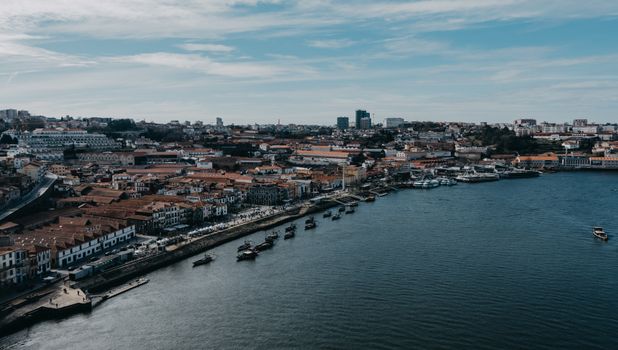
Spend four nights in Lisbon and three nights in Porto. From Lisbon, take the commuter train to Sintra to see the historic palaces and estates, and take an afternoon tram to the historic monuments in Belém. Travel north to Porto by high-speed train. In Porto, explore the Ribeira district, visit historic port wine cellars across the river in Vila Nova de Gaia, and take a scheduled day tour or train ride into the Douro Valley.
Two weeks: The classic north-to-south route
Fly into Porto and out of Lisbon or Faro to avoid backtracking. Spend three days in Porto, then travel south into central Portugal for three or four days. Stop in the university city of Coimbra, visit historic monasteries in Batalha and Alcobaça, or explore the canal city of Aveiro.
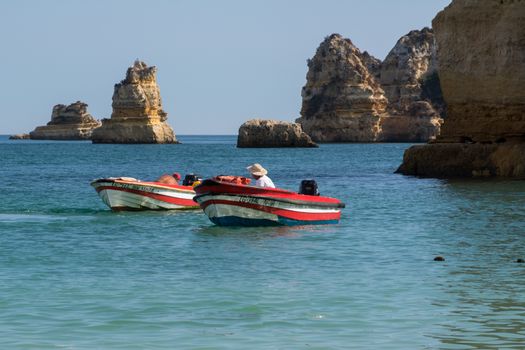
Continue south to Lisbon for four nights, including a day trip to Sintra and coastal Cascais. Finish with three to four nights in the southern Algarve, basing yourself in historic towns like Lagos or Tavira to walk cliff trails and explore Atlantic coves.
Three weeks: Comprehensive mainland or island addition
With three weeks, follow the two-week route and expand eastward or northward. Add two to three nights in the Alentejo region, using Évora as a base to view Roman ruins, megalithic sites, and whitewashed fortified villages such as Monsaraz. Alternatively, head north from Porto to explore Guimarães and Braga in the Minho, or book a short domestic flight to Madeira to spend five days hiking mountain paths and exploring Funchal.
Step 3: Pick the right transport options
Portugal features a dependable public transit network alongside well-maintained motorways. The best method depends on whether you stay along the main urban corridor or venture into rural districts.
Trains and long-distance buses
The rail operator, Comboios de Portugal, runs regular services between major hubs. Fast trains (Alfa Pendular) and intercity trains (Intercidades) connect Lisbon and Porto in roughly three hours. Rail lines also run south from Lisbon to Faro in the Algarve in about three to three and a half hours. For secondary towns without direct rail lines, such as Nazaré or Évora, long-distance bus operators like Rede Expressos provide efficient, clean, and economical transit.
Renting a car
A rental car is unnecessary and stressful in Lisbon and Porto due to narrow lanes, steep hills, and scarce parking. However, if your itinerary includes the Alentejo, the Costa Vicentina, or rural central Portugal, a car is invaluable. If you plan a road trip, use RoutePlanner to plot your driving segments between rural stops. Ensure your rental vehicle includes an electronic toll transponder (Via Verde), as many Portuguese highways rely exclusively on electronic toll gantries without cash booths.
Domestic flights
For mainland travel, driving or taking the train is faster and more comfortable than flying once airport security is factored in. Domestic flights are primarily useful for connecting Lisbon or Porto to Madeira (Funchal) or the Azores (Ponta Delgada), which take approximately one and a half to two and a half hours.
Step 4: Choose where to stay
Selecting the right district within each base city saves commuting time and keeps you close to dining and public transit.
Lisbon bases
- Baixa and Chiado: Central, flat, and connected to major metro lines. Baixa is convenient for first-timers, while Chiado offers refined shopping, theaters, and cafes.
- Príncipe Real: Situated uphill from Chiado, this residential neighborhood features independent boutiques, small gardens, and quiet streets while remaining walkable to central sights.
- Alfama: The oldest quarter, filled with winding alleys, stone stairs, and fado houses. It is atmospheric, but expect steep climbs and limited vehicle access.
Porto bases
- Baixa (City Center): Centered around Aliados and São Bento station, this is the most practical area for walking to monuments and transit hubs.
- Ribeira: The riverfront quarter facing the Douro. It offers classic views of the Dom Luís I Bridge, though it is steep and heavily frequented by tourists.
- Cedofeita: A creative district slightly northwest of the center, known for art galleries, relaxed cafes, and a more local pace.
Algarve bases
- Lagos: Situated in the western Algarve, Lagos offers an intact historic center, marina services, and proximity to scenic headlands like Ponta da Piedade.
- Tavira: Located in the eastern Algarve near the Ria Formosa natural park, Tavira retains traditional architecture, quiet plazas, and ferry access to offshore barrier island beaches.
Step 5: Estimate your budget
While Portugal has experienced rising travel costs in popular hubs, it remains moderately priced compared to northern Europe. Budget levels can be broadly split into three tiers:
- Low budget: Staying in hostel dorms or simple guesthouses, cooking some meals, dining at neighborhood snack bars (tascas), and traveling via regional buses and trains. This style keeps daily costs economical.
- Mid-range budget: The standard choice for many travelers. It includes private rooms in central three-star hotels or guesthouses, sit-down dinners with regional wine, entry to two or three cultural monuments per day, and high-speed rail tickets.
- High budget: Central boutique or luxury historic properties (such as converted Pousadas), rental cars with premium insurance, fine-dining restaurants, and private guided excursions in regions like the Douro Valley.
Step 6: What to book ahead and pre-trip checklist
Leaving key reservations until arrival often leads to long queues or sold-out slots, especially between May and October.
What to reserve in advance
- Major monuments: Book timed-entry tickets online for Pena Palace in Sintra, the Jerónimos Monastery in Belém, and the Livraria Lello bookstore in Porto.
- Express trains: Alfa Pendular and Intercidades tickets can be booked online several weeks ahead, often at discounted promotional fares.
- Rental cars: Reserve early if you need an automatic transmission, as standard fleets in Portugal are predominantly manual.
Practical preparation checklist
- Official requirements: Check official government websites for the latest rules regarding entry visas, passport validity rules, vaccinations, and international driving permits before departing.
- Footwear: Pack sturdy walking shoes with rubber soles. Portugal’s traditional cobblestones (calçada portuguesa) are slippery, particularly when worn smooth or wet.
- Payment methods: Carry a debit or credit card, but keep some cash on hand. Small neighborhood shops, rural cafes, and taxis occasionally do not accept foreign bank cards.
- Itinerary mapping: Organize your daily sightseeing clusters geographically using TripBuilder to minimize backtracking across hilly terrain.
Frequently asked questions
Do you need a car in Portugal?
You do not need a car if you are traveling exclusively between major hubs like Lisbon, Porto, Sintra, and Coimbra, which are well served by trains and buses. A car is recommended only when exploring rural areas like the Alentejo, national parks, or remote coastal stretches.
How many days should you spend in Lisbon versus Porto?
For a standard first trip, allocate four days to Lisbon and three days to Porto. Lisbon is larger and serves as a springboard for day trips like Sintra, while Porto is more compact and easier to explore over a slightly shorter stay.
When is the best time to visit to avoid crowds?
The shoulder months of April, May, and October offer the best compromise between pleasant weather and manageable visitor numbers. Summer months see heavy crowds at major sights in Sintra, Lisbon, and the Algarve coast.
Is Portugal safe for solo travelers?
Portugal consistently ranks as one of the safest countries in the world with low rates of violent crime. Standard precautions apply in crowded transit hubs and tourist centers where pickpocketing can occur, but solo travelers generally encounter few safety issues.
Start planning
More pictures



Tags
Share this guide
We may earn a commission if you click a link and buy a product or service, at no extra cost to you. How affiliate links work.
Been there?