
Planning a honeymoon requires balancing relaxation with practical logistics, from early budgeting to pacing your daily itinerary. This comprehensive guide outlines every stage of the planning process so you can design a seamless trip tailored to your travel style.
Planning a honeymoon comes down to aligning expectations early, setting a clear budget, booking logistics in a logical sequence, and avoiding an overly packed itinerary. By treating the trip as a collaborative project rather than an afterthought to wedding arrangements, couples can create a balanced journey that offers both celebration and genuine downtime.
At Trip-Planner.ai, we see couples make the process far simpler by defining their shared priorities before browsing hotels. Whether you want pure beachside rest, cultural exploration, or an open-road adventure, the steps below break down the entire process from initial brainstorming to departure.
Step 1: Determine your travel style and destination
The first step is deciding what kind of experience you both want. Couples often assume a honeymoon must look like a postcard of a tropical overwater bungalow, but the best honeymoon matches your personal interests.
Talk openly about your energy levels after the wedding. Some couples want complete stillness, while others recharge through mountain hikes or discovering historic cities. We recommend categorizing your ideas into one of three primary styles:
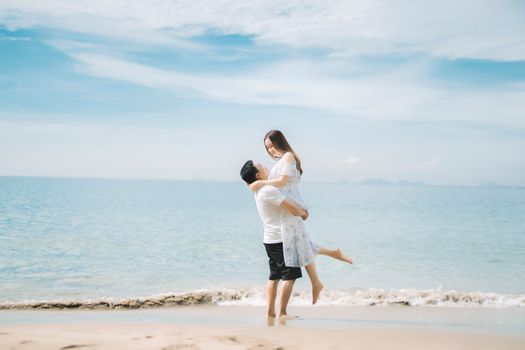
Tropical relaxation and island retreats
If your main goal is unhurried rest, warm water, and minimal daily decision-making, an island destination is ideal. Classic choices include:
- The Maldives: Renowned for calm lagoons, private villas, and marine life. Most resorts sit on private islands reached via a 30- to 60-minute speedboat or seaplane transfer from Malé.
- Maui, Hawaii: Offers a blend of resort comfort and accessible outdoor activities, from watching the sunrise at Haleakalā National Park to driving the scenic Road to Hana.
- Bora Bora, French Polynesia: Famous for Mount Otemanu views and protected barrier reefs, best suited for leisurely water sports and slow-paced days.
Culture, gastronomy, and historic cities
If you prefer architecture, vibrant markets, and world-class dining, focus on regions with rich histories and reliable rail networks:
- Italy: A classic route connects Rome, Florence, and the Amalfi Coast. High-speed trains run between Rome and Florence in roughly 1 hour and 30 minutes, allowing you to pair historic monuments with rural Tuscan landscapes.
- Japan: A journey combining Tokyo, Kyoto, and a traditional ryokan stay in Hakone provides a mix of ultra-modern energy and quiet gardens. The Shinkansen bullet train connects Tokyo and Kyoto in about 2 hours and 15 minutes.
- France: Combining Paris with the vineyards of Bordeaux or the coast of Nice offers world-class art, culinary heritage, and relaxed train travel.
Scenic drives and outdoor exploration
For couples who love sweeping landscapes and the freedom of stopping wherever they like, a road trip provides built-in flexibility:
- California’s Pacific Coast Highway (Highway 1): Driving between San Francisco and Los Angeles covers roughly 720 km (450 miles) of rugged coastal bluffs, coastal redwoods, and seaside towns like Carmel-by-the-Sea.
- The Canadian Rockies: A drive connecting Banff and Jasper along the Icefields Parkway spans roughly 230 km (140 miles) of glacial lakes and mountain passes.
If you are uncertain where to start, you can use Tripsora to ask open-ended travel questions and narrow down candidate regions. Once you choose a destination type, TripBuilder can help assemble a day-by-day outline, while RoutePlanner calculates driving intervals and scenic stops for road trips.
Step 2: Establish the ideal timing and duration
Wedding timelines do not always match the best travel seasons for your dream destination. Deciding when to go is just as important as deciding where to go.
Immediate departure versus a delayed honeymoon
Leaving the morning after your wedding reception sounds romantic, but it can lead to traveling while exhausted. Many couples now opt for a "mini-moon"—a two- or three-night stay at a nearby boutique hotel or coastal cabin right after the wedding—and postpone the main trip by a few weeks or months. This delay allows you to rest, unpack, and travel during the optimal season for your destination.
Navigating weather windows and shoulder seasons
Always review the climate patterns of your target region before confirming dates. Tropical destinations often have pronounced wet and dry seasons. For example, parts of Southeast Asia experience heavy monsoon rains from June to October, while the Caribbean hurricane season peaks between August and October.
Aiming for shoulder seasons—the period directly between peak high season and the low season—often delivers pleasant weather, lower accommodation rates, and fewer crowds. In southern Europe, May and September offer warm temperatures without the intense midsummer heat and crowded sights of July and August.
Step 3: Map out your budget realistically
A honeymoon budget should be distinct from your general wedding budget so wedding overruns do not compromise your trip. Group your costs into broad categories rather than stressing over every individual meal cost:
- Long-haul and regional transportation: International airfare, high-speed rail passes, regional flights, and rental cars.
- Lodging: Base hotel nights, with funds set aside for one or two upgraded properties or unique stays.
- Daily living and dining: Breakfasts, casual lunches, celebratory dinners, and cafe stops.
- Activities and wellness: Guided museum tours, scuba diving excursions, park entries, or spa treatments.
- Buffer fund: Keep about 10% to 15% of your total budget unassigned to absorb currency fluctuations, rideshares, luggage fees, and spontaneous splurges.
If family and friends want to contribute, setting up a honeymoon registry can offset special activities, such as a guided boat tour or a tasting menu, without complicating your core logistics.
Step 4: The ideal booking order
Booking reservations in the wrong order can cause scheduling conflicts and unnecessary cancellation fees. Work through your bookings systematically:
1. Long-haul flights or primary transit
Secure your primary arrival and departure tickets roughly 6 to 9 months before travel. Having your hard dates locked down establishes the framework for the rest of your itinerary.
2. High-demand accommodations
Boutique properties, popular safari camps, and historic inns with limited inventory often fill up months in advance. Book your primary "anchor" accommodations right after your flights are set. If you plan a multi-city trip, map out transit times on TripBuilder before paying non-refundable room deposits.
3. Internal connections and rental cars
Once your city sequence is firm, reserve domestic flights, ferry crossings, and car rentals. If you plan a road trip, use RoutePlanner to verify vehicle pick-up and drop-off hubs to avoid steep one-way drop fees.
4. High-demand dining and activities
Certain Michelin-starred restaurants, historic monuments (such as the Colosseum in Rome or the Alhambra in Spain), and specialty guided excursions release tickets 30 to 90 days in advance. Note these release dates on your calendar.
Step 5: Common honeymoon planning mistakes to avoid
We frequently see couples fall into easily preventable traps during the planning process:
- Overscheduling every hour: Packing five activities into each day turns a romantic trip into an exhausting exercise. Schedule no more than one major tour or site visit per day, leaving afternoons open for exploring or resting.
- Name discrepancies on official documents: If you plan to change your legal surname after the wedding, remember that the name on your airline tickets must match the name on your passport exactly. Because official name changes take weeks or months to process, it is almost always safer to book all honeymoon travel under your maiden or pre-marriage name.
- Ignoring transit fatigue: Crossing multiple time zones requires an adjustment period. Do not schedule an intensive, sunrise-to-sunset guided tour on the morning after a 14-hour long-haul flight.
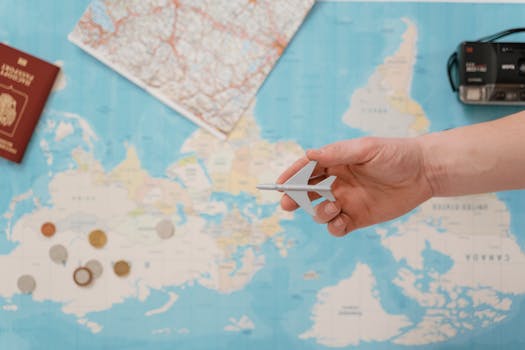
- Failing to check entry and passport rules: Many countries require passports to be valid for at least six months beyond your planned return date, along with multiple blank pages. Check the official embassy or immigration website of your destination country well before departure.
Step 6: Practical packing and preparation tips
Packing efficiently reduces stress on moving days and leaves room for trip souvenirs.
- Carry essential documents and medicines in your personal item: Keep passports, insurance cards, prescriptions, chargers, and one change of clothes in your cabin bag in case checked luggage is delayed.
- Pack versatile layers: Choose a cohesive color palette so items can be mixed and matched across dinners and daytime sightseeing.
- Secure digital and physical copies: Upload digital copies of your passports, travel insurance, and booking confirmations to secure cloud storage, and keep one paper copy in your luggage.
- Check electronic adapters and currency: Verify the plug types used in your destination and inform your bank of your travel dates to avoid card blocks.
Step 7: A step-by-step honeymoon planning checklist
Use this timeline to keep your preparations on track:
9 to 12 months before departure
- Discuss travel styles, preferred destinations, and general trip duration.
- Establish a dedicated honeymoon budget.
- Research seasonal weather patterns for your short-listed locations.
- Verify that your passports have at least six months of validity remaining from your return date.
6 to 8 months before departure
- Book international flights or long-distance transit.
- Secure essential accommodations and unique boutique properties.
- Review official government websites for visa and entry requirements.
3 to 4 months before departure
- Book internal transit, including domestic rail passes, flights, or car rentals.
- Map out a loose day-by-day itinerary with TripBuilder.
- Check recommended vaccinations with a travel clinic.
1 to 2 months before departure
- Reserve specific restaurant tables, popular museum tickets, and spa services.
- Purchase comprehensive travel insurance covering medical care and trip interruptions.
- Finalize your wardrobe and buy any missing gear or clothing.
1 to 2 weeks before departure
- Confirm all bookings and download offline maps.
- Organize foreign currency or check fee-free ATM card access.
- Print or save travel documents for offline access.
- Pack your bags using a checklist to avoid last-minute scrambling.
Frequently asked questions
How far in advance should we book our honeymoon?
We recommend booking long-haul flights and key accommodations roughly six to nine months in advance, especially if you are traveling during peak seasons or heading to destinations with limited boutique lodging. This timeframe gives you the best balance of availability, flight schedules, and pricing.
Should we leave for our honeymoon the day after our wedding?
Most couples find it far less stressful to wait at least two or three days—or even several weeks—before departing. Taking a short break between the reception and your flight gives you time to rest, recover from wedding fatigue, and pack without rushing.
What name should appear on our flight tickets if we change surnames?
Your flight tickets and boarding passes must match the legal name on your passport at the time of travel. Because processing official name changes takes significant time, it is generally easiest to book all honeymoon travel under your pre-marriage name and update your documents after returning home.
Start planning
More pictures



Tags
Share this guide
We may earn a commission if you click a link and buy a product or service, at no extra cost to you. How affiliate links work.
Been there?