
Planning a first trip to Japan is straightforward when you break decisions into logical steps, from choosing travel dates to reserving transport and hotels. This guide outlines how to build an efficient route, set realistic budgets, and prepare for your travels.
Planning a trip to Japan comes down to making practical decisions in the right order: establishing your travel duration, choosing the season, mapping an efficient route, and booking high-demand transport and attractions before you arrive. By approaching your trip step by step, you can build a smooth itinerary that balances lively cities, traditional culture, and scenic landscapes without feeling rushed.
At Trip-Planner.ai, we recommend starting with big-picture choices before diving into daily schedules. Whether you use Tripsora to answer specific travel questions or TripBuilder to assemble day-by-day itineraries, here is how to plan your first visit to Japan with confidence.
Step 1: Decide How Long to Stay
The length of your stay determines how much ground you can realistically cover without spending half your holiday on trains or unpacking bags.
One Week (7 to 9 Days)
A week allows you to see the core highlights of the classic Golden Route. We recommend focusing strictly on Tokyo and Kyoto, with an optional afternoon in nearby Nara or an evening in Osaka. This timeframe provides a strong introduction to both hyper-modern cityscapes and historic temples, but leaves little room for rural detours.
Two Weeks (14 Days)
Two weeks is the sweet spot for a first-time trip. You have enough time to explore Tokyo and Kyoto thoroughly, spend an evening sampling street food in Osaka, take a day trip to Hiroshima or Nara, and add an overnight stay in a scenic area such as Hakone or Takayama.
Three Weeks (21 Days or More)
With three weeks, you can branch out beyond the standard tourist corridor. You can spend meaningful time in the Japanese Alps (such as Kanazawa and Shirakawa-go), travel south to the island of Kyushu, or head north to explore Hokkaido's natural parks and coastal towns.
Step 2: Choose the Right Season
Japan has four distinct seasons, each offering a different atmosphere, climate, and crowd level. Official entry requirements and seasonal advisories should always be checked on government websites before you confirm dates.
Spring (March to May)
Spring brings mild temperatures and the blooming of cherry blossoms, usually peaking between late March and early April across the central corridor. This is one of the most popular times to visit, which means higher accommodation rates and crowded sights. May, after the Golden Week holiday period, offers pleasant weather and fewer visitors.
Summer (June to August)
Summer starts with a rainy season in June and transitions into hot, humid weather through July and August. While city sightseeing can be tiring in the midday heat, summer is ideal for hiking in the northern regions like Hokkaido, climbing Mount Fuji, and attending local evening festivals.
Autumn (September to November)
Autumn offers crisp air, lower humidity, and striking fall foliage that sweeps across the country from north to south. Peak foliage in Tokyo and Kyoto typically arrives in mid-to-late November. Like spring, autumn draws large numbers of travellers, so early planning is necessary.
Winter (December to February)
Winter is cold but often clear and sunny along the Pacific coast, including Tokyo and Kyoto. Sights are substantially less crowded outside the New Year holiday period, and accommodation rates are generally lower. Winter is also the prime season for world-class skiing in regions like Nagano and Hokkaido, as well as relaxing in outdoor hot springs.
Step 3: Choose Your Route and Cities
For a first visit, we suggest sticking to well-connected cities that offer distinct perspectives on Japanese culture.
The One-Week Classic
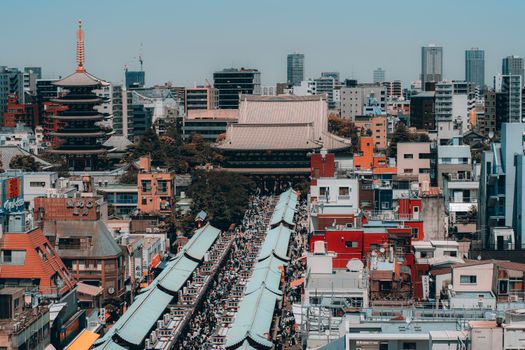
- Tokyo (4 nights): Explore diverse districts such as Shinjuku, Shibuya, Asakusa, and Ueno.
- Kyoto (3 nights): Tour historic sites such as Fushimi Inari Taisha, Kinkaku-ji, and the Gion district.
The Two-Week Explorer
- Tokyo (5 nights): Modern architecture, museums, shopping, and day trips to Kamakura or Nikko.
- Hakone (1 night): Views of Mount Fuji, hot springs, and scenic transport loops.
- Kyoto (4 nights): Temples, bamboo groves, traditional tea culture, and an easy day trip to Nara to see Todai-ji temple.
- Osaka (2 nights): Dotonbori food culture, Osaka Castle, and vibrant nightlife.
- Hiroshima and Miyajima (1–2 nights): Peace Memorial Park and the island shrine of Itsukushima.
The Three-Week Deep Dive
- Follow the two-week route above, then add 4–5 days to explore the Hokuriku region and Japanese Alps.
- Kanazawa (2 nights): Kenroku-en garden, preserved geisha districts, and fresh seafood markets.
- Takayama (2 nights): Historic wooden merchant houses, local morning markets, and access to the thatched-roof villages of Shirakawa-go.
Step 4: Understand Transport in Japan
Japan has an exceptional public transit network. In almost all major tourist regions, you will not need a rental car.
High-Speed Trains (Shinkansen)
The Shinkansen connects major cities like Tokyo, Nagoya, Kyoto, Osaka, and Hiroshima with exceptional speed and reliability. High-speed journeys between Tokyo and Kyoto take roughly 2 hours and 15 minutes. Train passes are available, but individual point-to-point tickets or regional rail passes often make more financial sense depending on your exact route.
Local Trains and Subways
Within cities, local trains and subways run frequently. We recommend purchasing an IC card (such as a Suica or Pasmo, available digitally on smartphones or as physical welcome cards for tourists). These contactless cards let you tap in and out of subways, local trains, and city buses without buying single paper tickets.
Highway Buses and Domestic Flights
For budget-conscious travellers, highway buses run between major cities like Tokyo, Kyoto, and Osaka at a fraction of the cost of the Shinkansen, though travel times are longer (roughly 7 to 9 hours between Tokyo and Kyoto). Domestic flights can be faster and cheaper than trains for very long distances, such as travelling between Tokyo and Sapporo or Fukuoka.
Rental Cars
Driving in major cities is stressful and unnecessary due to heavy traffic and high parking fees. However, if you plan to explore rural Hokkaido, the Noto Peninsula, or remote parts of Shikoku, using RoutePlanner to map a driving loop can be rewarding. Always check international driving permit requirements on official government websites before renting.
Step 5: Choose Where to Stay
Instead of searching for specific hotel brands right away, narrow down the neighborhood that matches your travel style. Staying near a major transit station will save you significant walking time each day.
Where to Stay in Tokyo
- Shinjuku: Excellent transport hub with lively nightlife, endless dining options, and direct train links across the city.
- Shibuya: Energetic, youthful, and central, ideal for shopping and quick transit access.
- Tokyo Station and Ginza: Quieter in the evenings, clean, modern, and perfectly situated for catching early morning Shinkansen trains.
- Asakusa or Ueno: Traditional atmosphere, close to historic temples and parks, and often more budget-friendly.
Where to Stay in Kyoto
- Downtown (Kawaramachi and Sanjo): Close to shopping arcades, restaurants, and the Gion area, with convenient bus and subway lines.
- Kyoto Station: Practical for regional day trips and late arrivals, though slightly removed from the most charming historic streets.
Where to Stay in Osaka
- Namba and Shinsaibashi: The heart of southern Osaka, putting you steps away from street food stalls and nightlife.
- Umeda (Kita): The main northern transport hub, filled with department stores and convenient connections to Kyoto and Kobe.
Step 6: Set a Realistic Budget and Book Ahead
Daily spending in Japan varies based on accommodation style and dining preferences. The following rough guidelines represent typical daily costs per person, excluding international airfare:
- Budget (Low): Approximately $60 to $100 per day. Staying in hostel dorms or budget business hotels, eating convenience store meals and fast-casual noodle shops, and taking local transit.
- Mid-Range: Approximately $150 to $300 per day. Staying in standard three-star city hotels, enjoying sit-down meals at casual restaurants, taking occasional high-speed trains, and visiting paid attractions.
- High-End: $400 or more per day. Staying in luxury western hotels or traditional ryokan with kaiseki dinners, dining at upscale sushi or wagyu restaurants, and taking private taxis.
What to Book in Advance
- High-Demand Attractions: Tickets for popular venues like the Ghibli Museum, teamLab exhibitions, and theme parks sell out weeks or months ahead.
- Ryokan Stays: Traditional inns in places like Hakone or Kyoto have limited rooms and book up 3 to 6 months in advance.
- Shinkansen Seats During Peak Weeks: While Shinkansen trains run frequently, reserved seats sell out rapidly during New Year, Golden Week (late April to early May), and Obon (mid-August).
Step 7: The Simple Planning Checklist
Keep your preparations organized by following this timeline:
- 6 to 9 Months Before: Decide your trip duration, confirm your travel dates, and book international flights.
- 4 to 6 Months Before: Outline your city-by-city route using TripBuilder and secure accommodations in popular areas.
- 2 to 3 Months Before: Reserve tickets for restricted-entry attractions and book special dining experiences or ryokan stays.
- 1 Month Before: Order an eSIM or pocket Wi-Fi device for constant data access, and review official government portals for visa and customs paperwork.
- 1 Week Before: Complete any online immigration declarations recommended by official entry portals, pack comfortable walking shoes, and load your transit card.
Frequently asked questions
Do I need to carry cash in Japan?
While credit cards and digital IC cards are widely accepted in major cities, Japan still relies on cash for many small purchases. Coin lockers, traditional temple entrance fees, and small ramen shops frequently require Japanese Yen. You can withdraw cash easily using international debit cards at convenience store ATMs throughout the country.
Is English widely spoken in Japan?
English signage is standard across train stations, airports, and major tourist sites, so navigating is very straightforward. While many restaurant staff and shopkeepers speak limited English, translation apps and visual menus make daily interactions easy. Learning a few polite Japanese phrases will also go a long way.
What are the visa and entry requirements for tourists?
Entry rules, visa exemptions, and customs regulations depend on your nationality and change periodically. Travellers should always review the latest entry requirements on their home country's foreign travel advisory site and official Japanese immigration websites before departing.
Start planning
More pictures

Tags
Share this guide
We may earn a commission if you click a link and buy a product or service, at no extra cost to you. How affiliate links work.
Been there?