
Think an aerial view of vibrant autumn leaves is reserved for private jet-setters? Think again. Across the world’s most scenic autumn corridors, a wave of hyper-short "micro-flights," subsidized scenic hops, and seasonal introductory runs are clocking in at $25 to $40 per seat. That is officially cheaper than a timed-entry ticket to the Biltmore Estate ($89+), Summit One Vanderbilt ($46+), or London’s major gallery retrospectives ($35+). Here is your definitive, field-tested guide to riding rotors for pocket change this fall. ---
The $32 Skybox Over Autumn
The smell of sweet aviation kerosene cut right through the crisp mountain air, sharp as a cracked peppermint. I pulled the foam earcups of the David Clark headset tightly over my ears, and the low-frequency thrum of the two-bladed rotor overhead dropped from a chest-rattling roar to an intimate, mechanical heartbeat.
"Airborne in three, two..." crackled the pilot through the intercom.
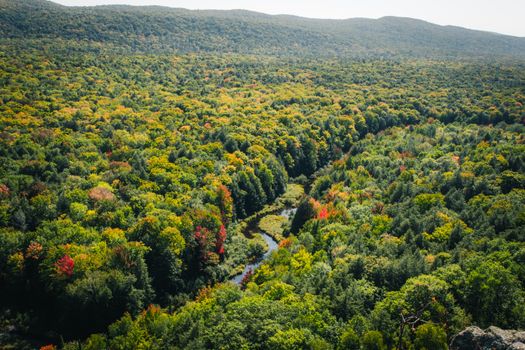
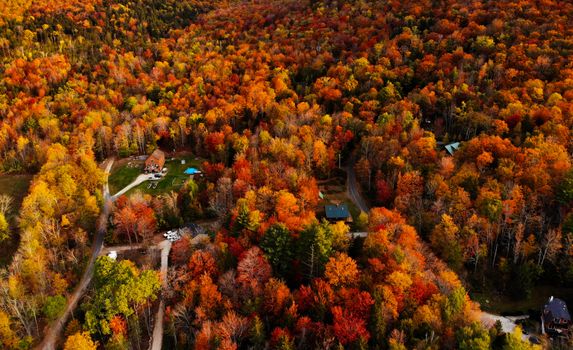
The skid lifted off the tarmac with that unmistakable, stomach-dropping lightness—the feeling of gravity simply giving up. Ten seconds later, the scrubby parking lot outside Pigeon Forge vanished, replaced by an intoxicating, undulating carpet of fiery sugar maples, blazing scarlet oaks, and electric yellow poplars cascading down the foothills of the Great Smoky Mountains.
My receipt for this six-minute high-G joyride? Exactly $32.49 including tax.
Earlier that morning, I had looked at booking an afternoon pass to an interactive pop-history exhibit down the strip: $39.50 before convenience fees. The math hit me like an engine backfire. We have been conditioned to accept $45 museum admissions, $35 observation deck passes, and $50 immersive light shows as standard cultural overhead. Meanwhile, tucked away along airstrips and scenic bypasses, commercial flight schools and charter operators are quietly running shoulder-season micro-tours that cost less than an exhibition ticket and an overpriced flat white.
If you know where to look, when to arrive, and how to talk to flight dispatchers, you can trade museum crowds for a bird's-eye view of peak foliage. Here is where the rotors are turning this fall for under forty bucks.
---
1. The Great Smoky Mountains: The Ridge Hopper That Beats Biltmore
Pigeon Forge & Sevierville, Tennessee
The American South during mid-to-late October is a masterclass in deciduous fireworks. While thousands of travelers crawl bumper-to-bumper along Newfound Gap Road breathing exhaust fumes, local operators running out of Sevierville harness the sheer volume of autumn tourists to offer absurdly cheap introductory "sampler" routes.
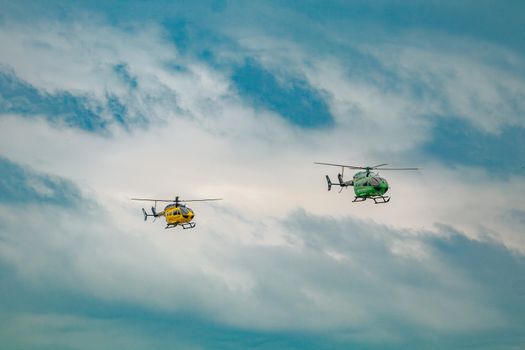
These aren't rogue operations; they are FAA-certified Part 91 aerial tours operated primarily in lightweight Robinson R44 helicopters. The R44 is the workhorse of regional aviation—light, agile, and boasting massive bubble-canopy windows that give every passenger a front-row seat to the landscape.
- The Route: The classic "Ridge Hopper" lifts out of the valley, vaults the French Broad River, and skims the tree line over Bluff Mountain at 80 knots. At 1,200 feet, the rolling ridge lines look like waves of copper and gold crashing against the horizon.
- The Price Tag: $25 to $35 per person. Compare that to the Biltmore Estate just over the state line in Asheville, where autumn grounds-plus-house tickets regularly surge past $100.
- Pro-Tip: Skip the mid-day lines along the Parkway. Arrive at the helipad between 8:30 AM and 9:15 AM on a crisp Tuesday. The morning valley fog ("smoke") is just burning off the hollows, creating dramatic, low-lying cloud ribbons through the orange canopy that look phenomenal on camera.
---
2. The Ozark Plateau: Table Rock Lake’s Low-Altitude Run
Branson, Missouri
Branson is synonymous with neon marquees and massive indoor attractions, but the limestone bluffs and serpentine waters of Table Rock Lake are where the real autumn visual spectacle unfolds. In late October, the Ozark oak-hickory forests turn an intense rust-red and deep amber.
Because the airspace outside the immediate entertainment strip is remarkably clear, pilots running out of regional airparks offer quick low-level runs designed to give hesitant flyers a quick taste of altitude.
- The Route: You lift off southward toward the Table Rock Dam, banking hard over the shoreline where white limestone bluffs plunge straight into deep emerald water, framed by fiery shoreline foliage. The pilot usually drops down to 500 feet above the water—close enough to spot bass boats and read trail markers.
- The Price Tag: $35 to $40 per seat. A standard adult ticket to the Titanic Museum down Highway 76 costs around $40; the flight delivers infinitely more adrenaline and zero wax figures.
- Pro-Tip: Request the left-side rear seat when boarding. Due to the standard counter-clockwise traffic pattern around the lake’s shoreline, the left side hugs the contour of the bluffs at the bottom of the bank, offering an unobstructed down-angle shot with zero glare.
---
3. The Kissimmee Swamplands: Subtropical Autumn from 800 Feet
Kissimmee & Orlando Suburbs, Florida
Florida does not do traditional autumn foliage, but it does something arguably stranger: the seasonal cypress "rust." During November, the bald cypress trees encircling the central Florida marsh systems drop their emerald needles, transitioning into an eerie, coppery-orange hue that illuminates the blackwater lagoons.
With dozens of flight schools clustered around the Kissimmee Gateway Airport, competition among charter operators is cutthroat. The result? Intro-hops priced to entice theme-park escapees who don't want to spend $40+ standing in line at an indoor novelty museum.
- The Route: The Lake Toho micro-loop. Departing the paved helipad, you skim above the tangled canopies of live oak and rust-tinged cypress domes, tracking the shallow shorelines where sunbathing alligators look like discarded lumber from 600 feet up.
- The Price Tag: $30 to $35 per passenger (typically based on a two- or three-passenger minimum).
- Pro-Tip: Book the final slot before civil twilight (usually around 5:15 PM in November). The setting sun catches the moisture evaporating off the wetlands, backlighting the golden-brown marsh grasses in a way you simply cannot experience from the boardwalks.
---
4. The Australian Spring-Fall Inversion: The Gold Coast Micro-Hop
Main Beach, Queensland, Australia
For travelers heading south of the equator where our autumn is their spring, or catching early southern hemisphere autumn shifts, low-cost scenic aviation has found a permanent home along the Queensland coastline.
Operating out of dedicated coastal sea-world pads, commercial operators run short circuit transfers and introductory littoral sprints over the broadwater.
- The Route: A high-speed dash across the sand spit, sweeping out over the turquoise break of the South Pacific before curving over the coastal parklands. While the trees here are eucalyptus and paperbark rather than maples, the changing seasonal light in the shoulder months makes the sandbars pop with electric blue and white patterns.
- The Price Tag: AUD $49 to $59 (approximately USD $32 to $38 at current exchange rates). For context, general admission to major regional art galleries or interactive skydecks in nearby Surfers Paradise easily matches or exceeds this fee.
- Pro-Tip: Wear a matte black shirt. Helicopter windows are curved acrylic and catch interior cabin reflections viciously. Dark clothing acts as a natural polarizing filter, guaranteeing your aerial phone footage stays crystal clear without cabin glare.
---
5. The Mechanics of the "Micro-Flight": Why Are These Tours So Cheap?
It feels like an economic impossibility: how can a machine burning 15 gallons of 100LL avgas an hour take passengers into the sky for less than the cost of a museum audio-tour combo?
The answer lies in aviation logistics. These ultra-affordable routes are built around three operational realities:
1. High Turnaround, Low Fuel Burn
The aircraft run on short out-and-back tracks within a three- to five-mile radius of the pad. The engine rarely shuts down between passengers; rotors stay spinning ("hot loading"), which eliminates the starter-wear and high fuel consumption of cold engine starts. Five groups an hour paying $30 per head across three seats generates upwards of $450/hour—easily covering the R44’s operating and maintenance reserves.
2. Commercial Hour-Building
Many pilots running these short seasonal hops are seasoned commercial flight instructors or young commercial pilots accumulating the 500 to 1,500 flight hours required to transition to offshore transport, corporate charters, or emergency medical services (EMS). They are precise, hyper-vigilant, and FAA-regulated, but their labor costs keep the ticket prices accessible.
3. Seat-Filling Algorithms
Autumn brings a sudden dip in weekday tourism before the winter holiday rush. Operators would rather fly an R44 with three budget seats filled at $30 each than let the airframe sit cold on the apron depreciating.
---
6. The Tactical Playbook: How to Fly for Pocket Change
Do not just pull up to an airfield and hand over your credit card. Use these tactical guidelines to secure sub-$40 seats:
- Weight Matters (Pack Light): Helicopters operate within razor-thin weight and balance limits. You will be weighed at the desk. Avoid heavy boots, bulky coats, and large backpacks; leave your luggage in the car. Operators balance the cabin by seat, and lighter overall groups burn less fuel, keeping pilots happy.
- The "Orphan Seat" Strategy: If you travel solo or as a duo, ask the ground crew if there’s a single seat on an upcoming departure that needs weight balancing. Solo walk-ups frequently snag unoccupied copilot seats on already-booked flights for cash discounts—sometimes as low as $20—just to hit the aircraft's minimum operational weight threshold.
- Weather Watching (Barometric Pressure): Cool autumn air is dense air. For helicopters, dense air equals superior rotor efficiency and lift generation compared to the sweltering heat of July. Check the morning barometer: high pressure and temperatures between 45°F and 60°F produce the smoothest, gentlest rides with virtually zero turbulence.
- Camera Gear vs. Phones: Ditch the heavy DSLR with the massive telephoto lens. Cabins are compact, and long lenses bump against the curved acrylic canopy, vibrating your footage into a blurry mess. Use an ultra-wide smartphone lens, hold the phone an inch away from the glass (without touching it, to avoid engine vibration transfer), and set your frame rate to 4K at 60fps.
---
Quick Facts & Cost Comparison Guide
| Location | Aircraft Type | Flight Time | Estimated Cost (USD) | Comparable Attraction / Museum Cost | | :--- | :--- | :--- | :--- | :--- | | Pigeon Forge, TN | Robinson R44 | 5-7 mins | $25 - $35 | Biltmore Estate Entry ($89 - $115) | | Branson, MO | R44 / Bell 206 | 5 mins | $35 - $40 | Titanic Museum Ticket ($39 - $44) | | Kissimmee, FL | R44 Astro | 6 mins | $30 - $35 | WonderWorks All-Access ($36) | | Gold Coast, AUS | Eurocopter EC120 | 5 mins | ~$32 - $38 | SkyPoint Observation + Food ($35 - $42) |
Logistics Overview:
- Best Time to Visit: Mid-October through mid-November for peak color shifts and crisp, stable air masses.
- Booking Policy: Most operators sell entry-tier micro-flights on a walk-up basis or via basic same-day phone reservation. Avoid third-party booking aggregators; they tack on $10 to $15 "convenience" surcharges that double the price of budget flights.
- Getting There: Almost all low-cost operators are based at municipal airfields or roadside helipads situated on secondary state highways just outside the main tourist strips. A cheap 10-minute rideshare from town drops you directly at the flight office door.
---
The Verdict: Trade the Glass Case for the Rotor Wash
Museums are extraordinary institutions. But on a clear, golden-hued October morning when the light hits the valley at a thirty-degree angle, you do not want to be peering at a placard under fluorescent lights.
For the price of an exhibit ticket, an audio headset, and a lukewarm cafe sandwich, you can strap yourself into an aircraft, plug into air traffic control, and watch the world turn into a living, breathing canvas of bronze and gold.
Put down the museum map, head to the perimeter airfield, and get off the ground.
---
More pictures

Tags
Share this guide
We may earn a commission if you click a link and buy a product or service, at no extra cost to you. How affiliate links work.
Been there?