Planning a holiday with young children requires realistic pacing, careful accommodation choices, and minimal logistical friction. This practical guide covers everything from destination selection and budgeting to packing, booking sequences, and pre-departure checklists.
Planning a successful family holiday with young kids comes down to one core rule: slow the pace down and build your plans around your children's daily routine rather than trying to fit them into an adult schedule. By choosing low-friction destinations, securing spacious lodging with self-catering amenities, and leaving generous downtime between activities, you can prevent burnout and enjoy travel together.
At Trip-Planner.ai, we see family travel succeed most often when logistics are straightforward. Whether you use Tripsora to ask quick questions about baby facilities at your destination or build a relaxed schedule with TripBuilder, thoughtful preparation transforms an overwhelming trip into a manageable break.
Choosing the right destination
Selecting a destination with toddlers or preschoolers means weighing travel duration, healthcare quality, walkability, and available infrastructure. The ideal location minimizes airport layovers and transit time while providing child-friendly outdoor spaces.
Prioritising low-friction travel
When children are small, long transfers between airports and hotels create immediate fatigue. We recommend looking for destinations reachable via direct flights or short car rides. Look for places with smooth pavements for strollers, easy access to grocery stores, and well-regarded local medical facilities in case of sudden illnesses.
Well-tested destination ideas
- Mallorca, Spain: The Balearic island offers calm, shallow waters along beaches like Alcúdia and Puerto Pollensa. Transfer times from Palma airport to northern resorts take about 45 to 60 minutes along modern motorways, and beachfront promenades make buggy walks easy.
- Orlando, Florida: For families seeking organized entertainment, Orlando provides comprehensive infrastructure tailored to young visitors. Beyond major theme parks, the area features residential villa rentals with private, fenced pools and short drives to grocery stores.
- Copenhagen, Denmark: Renowned for public transport accessibility and family welfare, the Danish capital has wide pavements, abundant city parks like Frederiksberg Gardens, and low-stress transit options where prams travel easily.
- The Black Forest, Germany: Families preferring nature and self-drive trips can base themselves in towns like Titisee or Hinterzarten. If you plan a road trip through southern Germany, using RoutePlanner helps map out short driving segments with frequent rest stops along regional routes.
Timing your trip around routines and seasons
Timing influences both the daily experience and the total cost of family travel. Traveling at the wrong time of year or pushing through regular nap hours can unravel the best plans.
Matching daily travel to child schedules
Plan transit times around your child's sleep patterns. Some parents prefer booking direct flights during normal nap hours, while others find early morning departures more reliable because flights face fewer delays. When scheduling sightseeing, limit outings to one morning activity and keep afternoons clear for quiet rest, swimming, or playing at a local park.
Choosing the right season
If your children are not yet of school age, travel during shoulder seasons—typically May to early June or September to October in southern Europe and North America. You will encounter moderate temperatures, smaller crowds, and lower accommodation costs without having to navigate midday heat waves.
Setting a realistic family holiday budget
Family travel budgets should prioritize comfort and convenience over pure cost-cutting. Small upgrades can save substantial energy when traveling with small children.
Accounting for convenience costs
- Spacious accommodation: Booking a multi-room apartment or villa costs more than a standard hotel room, but separate sleeping spaces allow parents to relax in the evening without sitting in the dark while a child sleeps.
- Private transfers: After a flight, arranging a pre-booked transfer or hiring a car directly from the terminal eliminates waiting in public transport queues with tired kids and luggage.
- Dining flexibility: Preparing simple breakfasts and snacks in a rental kitchen lowers daily dining costs and avoids restaurant meltdowns before bedtime.
Buffer funds for flexibility
Always set aside a contingency fund of roughly 10% to 15% of your total budget. This safety margin covers unexpected taxi rides when toddlers refuse to walk, laundry fees, replacement gear bought on the road, or doctor visits.
The step-by-step booking order
Booking travel components in the correct sequence reduces the risk of expensive date changes and ensures child-friendly amenities are locked in early.
Step 1: Flights and major transport
Book your flights or trains first to lock in sensible departure times. Avoid late-night arrivals that disrupt sleep rhythms. If flying, reserve allocated seats immediately to guarantee your family sits together.
Step 2: Child-friendly accommodation
Book apartments, holiday homes, or family resorts next. Check specifically for essential equipment: high chairs, travel cots, washing machines, and walk-in showers or bathtubs. Verify that staircases have safety gates and balconies feature solid railings.
Step 3: Car rentals and child seats
If you need a rental vehicle, reserve it early. Specify the exact child seat group required, or plan to bring your own FAA- or ECE-approved car seat. Ensure the vehicle has enough boot capacity for both suitcases and a folded stroller.
Step 4: Low-commitment activities
Pre-book only one or two highlight attractions where timed entry is mandatory, such as famous aquariums or wildlife reserves. Avoid non-refundable advance tickets for every day; weather, toddler moods, and minor illnesses require schedule flexibility. TripBuilder lets you drag and reorder days easily when plans need to change.
Packing essentials without overpacking
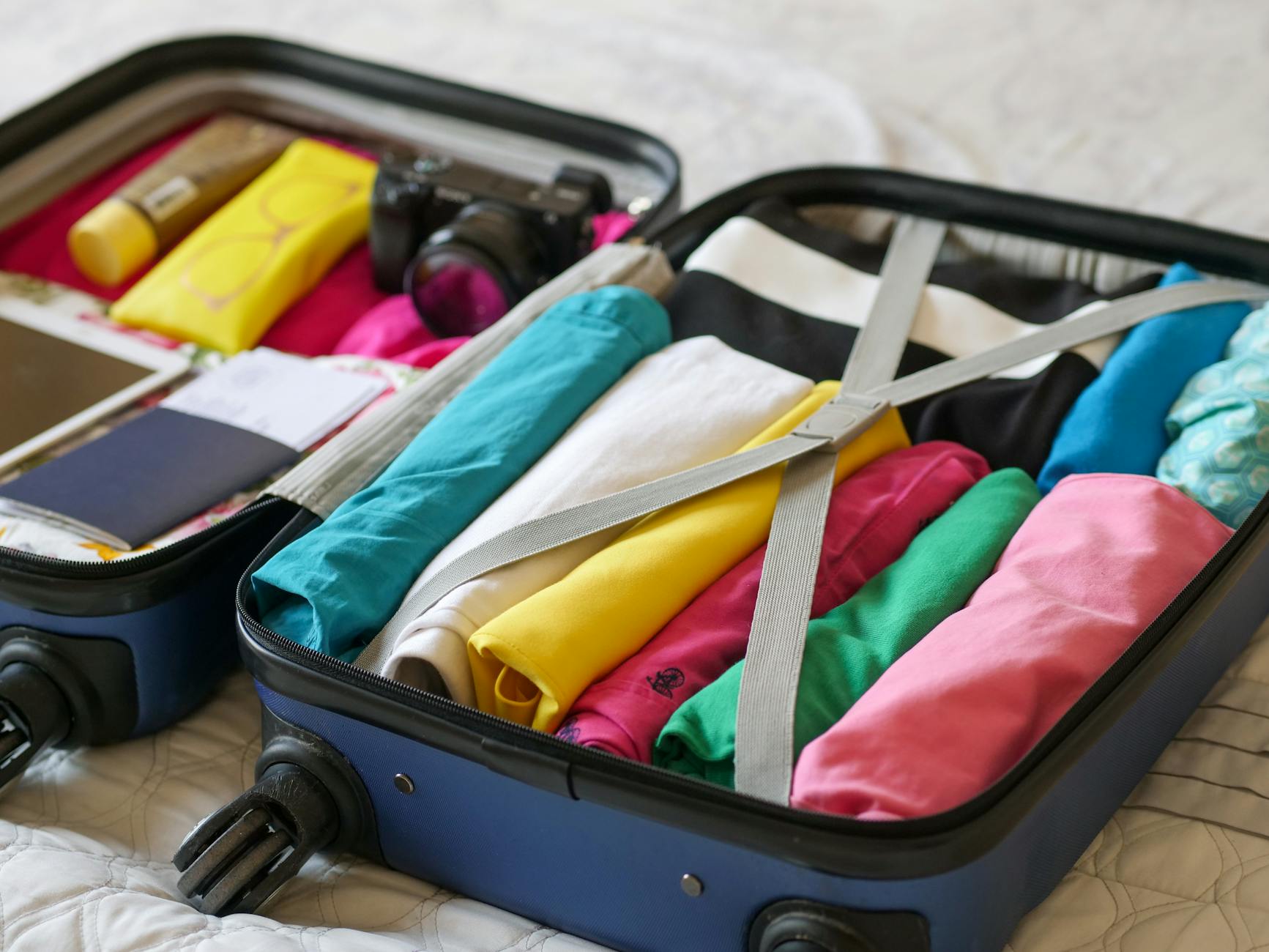
Overpacking creates unnecessary stress when managing luggage and young children simultaneously. Focus on daily necessities and plan to restock consumable items at your destination.
Carry-on survival kit
- One complete spare outfit for each child and a spare shirt for each parent in case of spills.
- Enough nappies, wipes, and formula/snacks for the transit duration plus an extra 24 hours of potential delays.
- Reusable water bottles (fill them after airport security), child-safe paracetamol or ibuprofen, and any prescription medications.
- Two or three quiet, compact toys or sticker books that the children have not seen before.
- Downloaded audiobooks or videos on a tablet with toddler-safe headphones.
What to rent or purchase locally
Avoid hauling weeks of consumable supplies. Supermarkets worldwide carry baby food, nappies, wipes, and sun cream. Many resort destinations also have specialized baby equipment rental businesses that deliver cots, high chairs, and rugged buggies directly to your rental property.
Common mistakes to avoid
- Over-scheduling the itinerary: Trying to see three tourist sights in one day leads to exhaustion. Aim for one core activity per day, followed by unstructured play.
- Underestimating transit times: Moving with young children takes twice as long as traveling solo. Add a 30-minute buffer to every departure, airport security check, and train transfer.
- Ignoring official border rules: Rules for travelling with minors (such as passports, child consent letters when travelling with one parent, and visa entries) can change. Always check the official government or embassy sources of your destination country well before departure.
- Relying entirely on dining out: Dining at sit-down restaurants twice a day with overtired toddlers creates high stress. Mix relaxed restaurant lunches with self-catered evening meals.
A practical family holiday planning checklist
Use this timeline to keep tasks organized in the months leading up to your departure.
Three to four months before departure
- Verify that all passports—including for babies—are valid according to entry regulations.
- Check official travel advisories and health vaccination requirements for your destination.
- Secure direct flights or train tickets and confirm seat allocations.
- Reserve accommodation with separate bedrooms and laundry facilities.
One to two months before departure
- Arrange airport parking or transport to the terminal.
- Book your rental car and confirm child car seat availability.
- Check travel insurance coverage to ensure it includes full family medical cover and trip interruption.
- Outline a gentle daily schedule using TripBuilder or consult Tripsora for practical tips regarding local child amenities.
One to two weeks before departure
- Confirm cot, high chair, and equipment reservations with your accommodation host.
- Gather standard medical items: thermometer, pain relief, rehydration salts, and plasters.
- Download offline maps, airline entertainment apps, and boarding passes.
The day before departure
- Pack the carry-on bag with spare clothes, travel documents, medications, and chargers.
- Prepare non-perishable snacks and charge all mobile devices.
- Confirm pickup times for taxis or airport transfers.
Frequently asked questions
Is it better to rent an apartment or stay in a hotel with young kids?
For most families with young children, a rented apartment or holiday villa offers more flexibility than a standard hotel room. Having separate bedrooms allows adults to stay awake and talk after the children go to sleep, while a private kitchen simplifies snack preparation and early breakfasts. Hotels, however, can be useful if they provide dedicated childcare, kids' clubs, or on-site breakfast buffets.
Should we bring our own stroller or rent one at the destination?
A lightweight, compact folding stroller that fits in overhead plane lockers is often worth bringing from home for navigation through airports and city streets. If your trip involves rough terrain, cobbles, or beach sand, hiring a robust all-terrain buggy at your destination can be more practical than carrying a heavy personal pram.
How many activities should we plan per day with a toddler?
We recommend planning no more than one structured activity per day, preferably in the morning when children are most energetic and alert. Leave afternoons open for naps, casual strolls, park visits, or pool time so the family avoids overtired meltdowns.
Start planning
More pictures




Tags
Share this guide
We may earn a commission if you click a link and buy a product or service, at no extra cost to you. How affiliate links work.
Been there?