
Lisbon offers a sunny, expansive capital experience with world-class museums and beaches nearby, while Porto delivers an intimate, riverside setting famous for historic architecture and wine cellars. Both cities are exceptional, but your available time, budget, and travel preferences will dictate the right choice.
If you have limited time and must choose between Portugal's two largest cities, the answer comes down to what kind of pace you prefer. Choose Lisbon if you want a grand, lively capital with wide avenues, distinct hilltop quarters, renowned art collections, and quick rail access to coastal resort towns. Choose Porto if you prefer a compact, atmospheric city centered on a dramatic river gorge, where you can explore historic streets entirely on foot and spend afternoons touring historic wine lodges.
At Trip-Planner.ai, we regularly help travelers choose between these two urban hubs. While both destinations share classic Portuguese hallmarks—colorful decorative tiles (azulejos), steep cobbled streets, delicious pastries, and dramatic coastal light—their personalities, scales, and rhythms are distinctly different.
Atmosphere and Scale: Grand Capital vs Historic Enclave
Lisbon feels every bit like a major European maritime capital. Spanning across seven steep hills overlooking the Tagus River estuary, the city covers substantial ground. Neighborhoods here have very individual identities:
- Baixa and Chiado: Rebuilt in a neoclassical grid after the 1755 earthquake, these central districts feature grand boulevards, shopping arcades, and traditional cafés.
- Alfama and Mouraria: Surviving medieval quarters with labyrinthine alleys, whitewashed houses, and traditional Fado taverns.
- Bairro Alto and Cais do Sodré: Centers for evening dining, social street gatherings, and late-night music venues.
- Belém: A sprawling waterfront district filled with expansive parks, grand monuments, and historic maritime sights.
Lisbon is energetic, cosmopolitan, and sun-drenched, giving it the feel of a larger metropolis that still retains historic character.
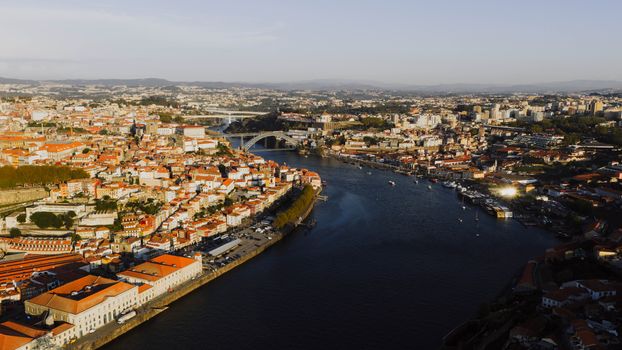
Porto, situated along the Douro River in the north, has a distinctly moodier, more historic feel. Built largely of local gray granite, the city balances stoic architectural grandeur with the vivid colors of tiled facades and terracotta roofs:
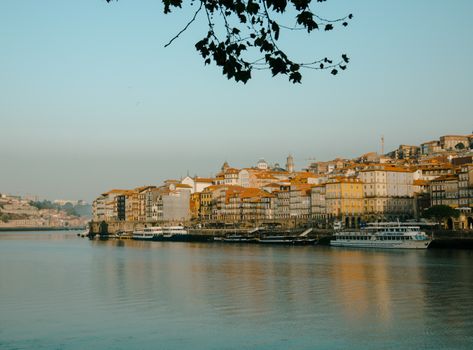
- Ribeira: The ancient riverfront district lined with tall, narrow merchant houses and small open squares facing the water.
- Vila Nova de Gaia: Sitting directly across the river, this municipality hosts the historic Port wine lodges and waterfront promenades.
- Baixa and Cedofeita: The cultural and commercial core, filled with independent shops, leafy plazas, and traditional eateries.
Because Porto is significantly smaller than Lisbon, it feels more cohesive and manageable. You can cross the central districts in a moderate walk, giving travelers an intimate sense of the city within a couple of days.
Sights and Day Trips: Monuments vs Valley Views
Both cities offer major cultural landmarks, but they shine in different ways when it comes to sightseeing and regional day trips.
Sightseeing in Lisbon
Lisbon is home to many of the country's national monuments and major museums. Top sights include:
- Castelo de São Jorge: The historic hilltop fortress offering wide panoramic views over the terracotta rooftops to the river.
- Mosteiro dos Jerónimos: A prime example of Manueline architecture in Belém, built to celebrate the Age of Discovery.
- Torre de Belém: The fortified 16th-century tower standing directly on the northern bank of the Tagus.
- Calouste Gulbenkian Museum: One of Europe's premier private art collections, surrounded by modern landscaped gardens.
For day trips, Lisbon provides quick rail connections. Within about 40 minutes by train, you can reach Sintra with its eccentric palaces like Pena Palace and Quinta da Regaleira. A separate 30-minute train ride along the coast leads directly to the beaches and seaside boardwalks of Cascais.
Sightseeing in Porto
Porto's sights are tightly clustered, making for rewarding walking itineraries:
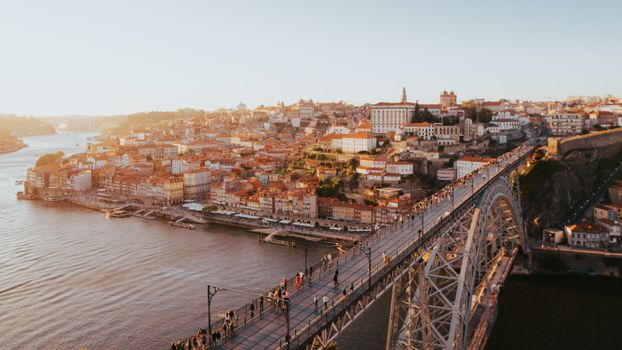
- Ponte de Dom Luís I: The double-deck iron bridge designed by a student of Gustave Eiffel, offering elevated views over the Douro.
- Clérigos Tower: A baroque bell tower that you can climb for 360-degree views of the city center.
- São Bento Railway Station: Renowned for its entrance hall covered in roughly 20,000 blue-and-white historic tiles.
- Port Wine Lodges: Centered in Vila Nova de Gaia, where you can tour centuries-old cellars and sample aged varieties of Port.
Porto also serves as the gateway to northern Portugal. Its premier excursion is the Douro Valley, the world's oldest demarcated wine region, accessible by train, river cruise, or car in roughly two hours. Other easy rail day trips include the historic university city of Coimbra, the religious heritage site of Braga, and Guimarães, known as the birthplace of the Portuguese nation.
Food and Drink: Pastéis and Seafood vs Francesinha and Port
Portuguese food is hearty, seasonal, and rooted in fresh ingredients, but regional specialties vary between north and south.
Dining in Lisbon
Lisbon's culinary scene leans toward fresh seafood and cosmopolitan dining:
- Bacalhau: Salt cod prepared in dozens of traditional ways, such as Bacalhau à Brás (shredded cod with onions, eggs, and thin straw potatoes).
- Sardinhas Assadas: Grilled sardines, particularly popular during summer street festivals.
- Pastéis de Belém: The famous egg custard tarts served warm with powdered sugar and cinnamon.
- Diverse Cuisine: As a global hub, Lisbon boasts modern international restaurants, contemporary seafood bars, and innovative Michelin-starred dining.
Dining in Porto
Porto favors robust, hearty comfort food suited to northern Portugal's cooler climate:
- Francesinha: Porto's signature sandwich, layered with steak, ham, and fresh sausage, covered in melted cheese, and soaked in a spiced beer-and-tomato sauce.
- Tripas à Moda do Porto: A traditional stew of tripe, white beans, and sausage that dates back to the 15th century.
- Fresh Seafood in Matosinhos: A coastal suburb easily reached by metro or bus, where fresh fish is grilled over charcoal outside dockside restaurants.
- Port Wine: Sweet, fortified wine aged in barrels on the Gaia riverfront, ranging from young Rubies to complex aged Tawnies.
Budget and Logistics: Getting Around and Cost Differences
Both cities offer good value compared to most Western European capitals, but there are differences in cost and ease of navigation.
Cost Levels
Portugal remains an affordable European destination, though prices in Lisbon have risen faster due to international popularity. In general:
- Accommodation: Porto is usually slightly cheaper than Lisbon for comparable hotels and rentals, particularly outside high season.
- Dining: Casual lunches (prato do dia) remain economical in both cities, but Lisbon has a larger selection of high-end, premium-priced restaurants.
- Attractions: Entry tickets to major museums, historical monuments, and cellars are priced similarly across both locations.
Getting Around
Lisbon requires more transit planning. The city's hills are steep, and distances between major areas—such as central Baixa and suburban Belém—are substantial. The system of metro lines, historic trams, buses, and funiculars helps navigate the terrain.
Porto is much easier to explore on foot. While hills around the river gorge are steep, the primary sights, shops, and restaurants are clustered within a walkable radius. The city also operates a clean, modern light-rail metro system that connects directly to Francisco Sá Carneiro Airport.
Timing and Duration: How Many Days Do You Need?
Because of its layout and nearby day trips, Lisbon generally requires 3 to 5 days:
- 2 to 3 days to explore central quarters, visit Belém, and tour key museums.
- 1 full day for Sintra's palaces.
- 1 optional day for Cascais, the coastal beaches, or the modern Parque das Nações.
Porto is comfortable in 2 to 3 days:
- 2 full days to walk the historic center, visit churches, cross the bridge, and take a Port cellar tour.
- 1 optional day dedicated to a scenic train ride or boat tour into the Douro Valley.
Best Time to Go
Spring (April to June) and early autumn (September to October) are ideal for both cities, offering warm weather and manageable crowds. Lisbon is slightly warmer year-round and enjoys more winter sunshine. Porto receives significantly more rainfall from November through March due to Atlantic weather systems.
How to Decide: Lisbon or Porto?
Choose Lisbon if:
- You want a larger, energetic capital with rich international dining and diverse nightlife.
- You enjoy spending full afternoons in major historical museums and cultural institutions.
- You want easy access to sandy beaches and fairy-tale palaces like those in Sintra.
- You have 4 or more days to explore at a relaxed pace.
Choose Porto if:
- You prefer an intimate, walkable destination with an authentic historic atmosphere.
- You are passionate about wine culture and want to visit historic Port cellars and the Douro Valley.
- You have a shorter weekend window (2 to 3 days) and want to cover most major sights without rushing.
- You are looking for slightly lower accommodation and dining prices.
Can You Combine Lisbon and Porto?
If you have at least 7 to 8 days, combining both cities is very straightforward. The high-speed train (Alfa Pendular) links Lisbon's Santa Apolónia or Oriente stations with Porto's Campanhã station in approximately 3 hours. Intercidades trains take roughly 3.5 hours.
If you prefer to drive, a road trip allows you to stop at central Portugal's historic highlights along the way, including the university town of Coimbra, the monastery at Batalha, the canal town of Aveiro, or the walled medieval village of Óbidos. You can use our TripBuilder to create a customized day-by-day itinerary for either city, or plan driving routes and intermediate stops using RoutePlanner. If you have specific logistics questions along the way, Tripsora can help you sort out the details.
Frequently asked questions
Is Lisbon or Porto cheaper for travelers?
Porto is generally slightly cheaper than Lisbon, particularly when booking boutique hotels, guest houses, and traditional meals. However, both cities remain very affordable compared to major hubs in northern or western Europe, and casual dining in both places provides excellent value.
Which city is better for families with young children?
Lisbon is generally easier for families thanks to its world-class Oceanário de Lisboa (one of Europe's largest aquariums), the science museum at Parque das Nações, and flat waterfront promenades. While Porto is welcoming, its steep river gorge and numerous stone stairs can be challenging to navigate with strollers.
Do I need a car to visit Lisbon or Porto?
You do not need a car inside either city, as both feature efficient public transportation systems, readily available taxis, and walkable neighborhoods. Renting a car is only recommended if you intend to explore rural regions outside the cities, such as the remote areas of the Douro Valley or the historic villages of central Portugal.
Start planning
More pictures


Tags
Share this guide
We may earn a commission if you click a link and buy a product or service, at no extra cost to you. How affiliate links work.
Been there?