
Ever wondered how some travelers seem to effortlessly blend in, making friends with locals while others only meet other tourists? The secret isn't luck; it's a mindset and a few simple, powerful strategies. Get ready to unlock a whole new dimension of solo travel, forging connections that transform your journey from a trip to a true adventure. ---
The aroma of freshly baked bread mingled with the scent of strong espresso, a symphony of everyday life in a bustling Roman piazza. I was tucked away in a corner café, nursing my third cappuccino, feeling utterly, profoundly alone. It was my second solo trip, and while I loved the freedom, I yearned for connection beyond a transactional "grazie" or a fleeting smile. I saw other travelers, mostly in pairs or groups, laughing, sharing stories. And then I saw them – a woman with silver hair, her laugh echoing joyfully as she chatted with the barista, a young man animatedly discussing football with a shop owner. They weren't just in Rome; they were part of Rome.
That day, something shifted. I realized I was doing solo travel all wrong. I was seeing the sights, tasting the food, but I wasn't experiencing the heart of the place – its people. I was a tourist, and while there's nothing wrong with that, I wanted more. I wanted to break through the invisible barrier that separates visitors from residents, to uncover the "local secrets" that most guidebooks never mention.
Over the years, through countless solo adventures from the bustling souks of Marrakech to the serene tea houses of Kyoto, I’ve honed a few powerful strategies. These aren't about being pushy or fake; they're about genuine curiosity, respect, and a willingness to step outside your comfort zone. And trust me, the locals do want to connect – they just don't always know how to bridge the gap with a passing tourist. This is how you become the traveler they want to know.
1. The Mindset Shift: From Tourist to Temporary Local
Before you even think about where to go or what to say, you need to adjust your internal compass. Most tourists arrive with a checklist: Colosseum, Trevi Fountain, Spanish Steps. While these are magnificent, a local's life revolves around the neighborhood market, the corner bar, the park where they walk their dog. To connect with locals, you need to shed the "tourist" label and embrace the role of a "temporary local."
This means:
- Slow Down: Don't rush from one landmark to the next. Spend an extra hour in that small park, linger over your coffee, browse the local shops without feeling pressured to buy.
- Observe, Don't Just See: Pay attention to how people interact, their daily routines, the rhythm of life. What makes them laugh? What are their concerns?
- Be Open, Not Entitled: Locals are not there to entertain you or be your free tour guide. Approach every interaction with genuine curiosity and respect for their culture and time. Leave your expectations at home.
- Learn a Few Phrases: Even a simple "hello," "please," "thank you," and "excuse me" in the local language can open doors. It shows effort and respect, often eliciting a warm smile and a willingness to engage. In Portugal, "Olá" and "Obrigado/a" (thank you, male/female) went a long way. In Japan, "Konnichiwa" and "Arigato gozaimasu" are essential.
Personal Story: I remember my first time in Vietnam, trying to navigate Hanoi's Old Quarter. I was overwhelmed, constantly checking my map, looking lost. Locals largely ignored me. But on my second visit, I decided to just be. I sat on a tiny plastic stool, sipping iced coffee, watching the motorbikes weave, the street vendors call out. I wasn't trying to do anything, just exist. That's when an elderly woman selling fruit next to me offered me a slice of mango, simply because I looked relaxed and present. It wasn't about buying; it was about sharing a moment.
2. Master the Art of the 'Soft Approach': Where & How to Begin
You won't make friends by standing in line at a tourist attraction. You need to go where locals gather naturally, and approach them in a way that feels unthreatening and genuine.
- Local Cafes & Bars (Not Tourist Traps): Seek out places bustling with locals. Look for cafes without English menus prominently displayed, or bars where the chatter is all in the local tongue. Sit at the bar, not a secluded table. The barista or bartender is your first potential point of contact. Ask them for a recommendation, comment on the local specialty, or simply offer a friendly smile. In Lisbon, I found a tiny tasca (traditional tavern) called "A Ginjinha Espinheira" where locals would pop in for a shot of cherry liqueur. Standing shoulder-to-shoulder with them, a simple "Saúde!" (Cheers!) led to conversations about Fado music and the best seafood restaurants.
- Markets & Small Shops: These are goldmines for interaction. Instead of rushing, browse slowly. Ask vendors about their produce, their craft, or how to use a particular ingredient. "What's this fruit? How do you eat it?" is a fantastic conversation starter. I once spent an hour at a spice stall in the Djemaa el-Fna in Marrakech, not just buying saffron, but learning about traditional Moroccan remedies and the vendor's family history. It wasn't about the sale; it was about the connection.
- Community Events & Parks: Check local listings for free concerts, festivals, farmers' markets, or even public yoga classes. Parks are also great. See someone struggling with a stroller? Offer a hand. Notice a cute dog? Ask about it. These are low-pressure ways to initiate contact.
- Utilize Common Ground: If you see someone reading a book in your language, or wearing a sports team jersey you recognize, that's an instant bridge. "Excuse me, I love that author/team! Are you from [country]?"
3. Beyond the Transaction: Offering Value & Being Present
Locals often perceive tourists as takers – taking photos, taking up space, taking experiences. To bridge the gap, shift your energy to one of giving and genuine presence.
- Offer Help (When Appropriate): See someone struggling with heavy bags? Offer to help. A lost local? Offer directions if you know them, or help them find someone who does. These small acts of kindness are universally appreciated and instantly build rapport. In rural Thailand, I once helped a farmer retrieve a stray chicken from the road. He insisted I come back to his stall for free fresh coconut water every day of my stay.
- Participate, Don't Just Observe: Don't just watch the street performers; clap, cheer, and engage. Don't just walk past a local festival; join in the dancing, try the local games. Look for opportunities to volunteer for a few hours. Many hostels and local NGOs offer short-term volunteer gigs that put you directly in touch with the community.
- Put Away Your Phone: This is crucial. When you're constantly looking at your screen, you send a clear signal that you're unavailable and uninterested in your surroundings or the people in them. Make eye contact, smile, and be present in the moment. This simple act makes you infinitely more approachable.
- Learn a Skill or Attend a Workshop: Cooking classes, language exchange meetups, art workshops – these are fantastic ways to spend several hours with locals who share a common interest. I took a pasta-making class in Florence for about €60, and not only did I learn to make incredible ravioli, but I bonded with the Italian instructor and a few local students over flour-dusted hands and shared laughter. We exchanged Instagrams and still follow each other!
4. The Power of Shared Interests: Hobbies & Local Hangouts
Connecting over shared hobbies is a universal language. Research what locals do for fun and join in.
- Join Local Clubs/Groups: Many cities have expat groups, but also look for local running clubs, hiking groups, photography meetups, or even board game nights. Apps like Meetup.com are fantastic for this, but also check local community centers or university bulletin boards. I joined a free weekly yoga session in a park in Medellín, Colombia. By the third week, I was chatting with regulars, getting tips on local eateries, and even invited for coffee.
- Language Exchange Meetups: Even if you only know a few words, these are designed for people to practice languages together. You offer English (or your native tongue) and they offer theirs. It’s a perfect, low-pressure way to meet people who are already open to interacting with foreigners. Search for "Tandem" or "Language Exchange" groups on Facebook for your destination.
- Sports & Games: If there's a popular local sport, find a bar showing a match and strike up a conversation with fellow fans. Or, if you play, look for pickup games in parks. A simple question like "Is this spot free?" or "Who's playing today?" can lead to an hour of fun and new acquaintances. I once spent an entire afternoon playing beach volleyball with a group of Brazilians in Rio, despite my terrible Portuguese. Laughter and high-fives transcend language barriers.
- Co-working Spaces/Libraries: If you're a digital nomad or just need to get some work done, opting for a co-working space or a public library frequented by students can lead to casual conversations and networking opportunities.
5. Embrace Serendipity & Vulnerability: The Unexpected Connections
Some of the best connections happen when you least expect them. Be ready to say "yes" and be a little vulnerable.
- Be Open to Invitations: A casual chat might lead to an invitation for a coffee, a meal, or to join a local activity. Don't be immediately suspicious or dismissive. Use your judgment, of course, but embrace the unexpected. I was once invited to a family dinner in a small village in Puglia, Italy, after striking up a conversation with a local woman at a bus stop. It was one of the most heartwarming and authentic experiences of my life, sharing homemade pasta and stories until late into the night.
- Share a Little About Yourself: Don't just ask questions; offer information about your own life, your travels, your home country. This reciprocity builds trust and rapport. People connect with people, not just with a "tourist."
- Don't Fear Rejection: Not every interaction will lead to a deep friendship, and that's okay. Some people are busy, some are shy, and some just aren't interested. Don't take it personally. Move on with a smile and try again. The more you put yourself out there, the higher your chances of success.
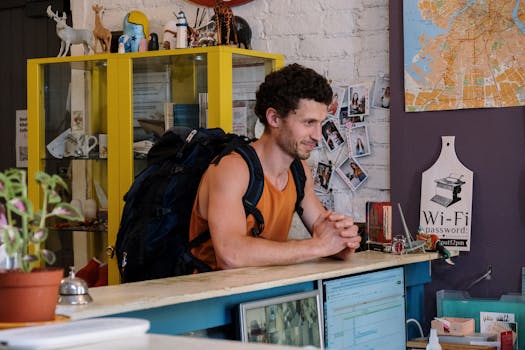
- Stay at Hostels (Even if You're Not a Backpacker): Many hostels, especially boutique or "poshtel" options, have private rooms and common areas designed for socializing. While you'll meet other travelers, the staff are often locals and can be incredible resources for connecting with the community. They often have local friends who frequent the hostel bar or events.
6. The Etiquette of Friendship: Respect & Reciprocity
Once you've made a connection, nurture it with respect and cultural awareness.
- Understand Cultural Nuances: Research basic cultural etiquette. Is it rude to be direct? Is personal space important? Should you offer a small gift if invited to someone's home? Knowing these can prevent misunderstandings and show you care. In Japan, bowing slightly is a sign of respect, and accepting a business card with two hands is crucial.
- Offer to Treat Them: If a local has shared their time, knowledge, or even a meal with you, offer to buy them a coffee, a drink, or treat them to a meal. This shows appreciation and reciprocity. "Let me get this round!" is a universally understood gesture of goodwill.
- Follow Up, But Don't Be Pushy: If you exchange contact info, a simple "It was great meeting you!" message or an Instagram follow is polite. Don't bombard them with messages or expect them to be your constant companion. Let the friendship evolve naturally.
- Long-Term Connections: For those truly special connections, consider sending a postcard from your next destination, a small gift from your home country, or simply keeping in touch via social media. These are the friends who might offer you a place to stay on your next visit, or who you might host in your own home someday.
The magic of solo travel isn't just in seeing the world; it's in seeing the world through the eyes of the people who call it home. These connections don't just enrich your trip; they enrich your life. They teach you empathy, broaden your perspective, and often lead to the most unforgettable stories you'll ever tell.
So, next time you're sipping that coffee alone, look up from your phone. Smile at the barista. Ask about the local bread. Step outside your comfort zone, and you might just find a friend waiting to show you their world.
What's your favorite way to connect with locals when traveling solo? Share your stories and tips in the comments below!
---
More pictures

Tags
Share this guide
We may earn a commission if you click a link and buy a product or service, at no extra cost to you. How affiliate links work.
Been there?