
Tired of surface-level connections on your solo adventures? This post dives deep into unconventional, pre-mainstream methods for finding your travel tribe, ensuring your next journey is filled with genuine, unforgettable friendships. Get ready to ditch the apps and embrace the magic of organic connection!
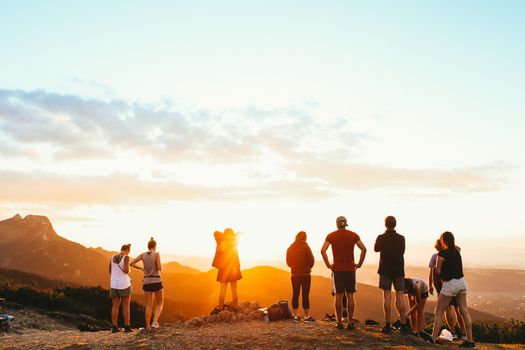
The sun dipped below the horizon, painting the sky in fiery oranges and purples over the Moroccan desert. I watched, mesmerized, from atop a dune, a profound sense of peace washing over me. It was my third solo trip, and while the solitude was often blissful, there was a tiny pang of longing. I wished I had someone to share this breathtaking moment with, someone to swap stories with over mint tea later.
Just then, a figure emerged from the camp, a woman with a wide, infectious smile and a camera slung over her shoulder. "Isn't it incredible?" she asked, settling beside me. "I'm Sarah, from Australia. First time in the Sahara?"
That accidental encounter, sparked by a shared appreciation for a sunset, blossomed into a week of shared adventures, from haggling in the Marrakech souks to navigating chaotic bus rides. It was one of those truly organic connections that solo travelers dream of – a friendship found, not forced.
But how do you find these connections consistently? In an age where every interaction seems to be mediated by an app, and every travel "secret" is quickly commoditized, finding truly authentic connections on the road can feel like searching for a needle in a haystack. Everyone's on the same hostel pub crawls, swiping on the same dating apps, or joining the same curated group tours.
I’m here to tell you: there’s a secret sauce. It’s about getting ahead of the curve, embracing methods that are just bubbling up, or rediscovering timeless ways to connect that haven't yet been swallowed by the mainstream. This isn't about collecting Instagram followers; it's about forging genuine bonds that enrich your journey and maybe even last a lifetime. Are you ready to dive into the art of making friends when traveling alone, before everyone else catches on?
Beyond the Hostel Bar: The Art of the 'Micro-Adventure' Meetup
Let's be real: hostel bars are great for a quick beer and a superficial chat, but they rarely lead to deep, meaningful friendships. To truly connect, you need shared experiences that go beyond a shared dorm room. This is where the 'micro-adventure' comes in – short, focused activities that put you in a situation to bond over a shared interest, rather than just shared proximity.
Think local workshops, day-long volunteer stints, or specialized tours that cater to a niche. I once found myself in a tiny pottery studio in Hoi An, Vietnam, attempting (and failing spectacularly) to throw a clay bowl. Beside me was a woman from Germany, equally covered in clay, laughing at her own misshapen creation. We spent the next two hours struggling, encouraging each other, and eventually, sharing stories over iced coffee. That shared, slightly embarrassing, creative endeavor forged a bond far stronger than any "where are you from?" conversation ever could.
How to Find Your Micro-Adventure:
- Local Cultural Centers: These are goldmines! Look up "cultural center [city name]" or "art workshop [city name]". They often have affordable, short-term classes in cooking, art, language, or traditional crafts. In Florence, Italy, I took a pasta-making class for €45 ($50 USD) through a local culinary school, and not only learned to make incredible ravioli but also met two fellow foodies who joined me for dinner later that week.
- Volunteer for a Day: Many cities have local initiatives like beach cleanups, community garden days, or animal shelter support. Websites like VolunteerMatch (for global opportunities) or simply searching "[city name] volunteer opportunities day" can yield results. It’s a fantastic way to meet locals and other travelers who care about similar causes.
- Niche Interest Tours: Forget the big bus tours. Look for specific photography walks, street art tours, food history tours, or even ghost tours. These attract people with a defined interest, making conversation starters much easier. I joined a "hidden alleyways of Kyoto" photography tour for ¥3,000 ($20 USD) and ended up spending the entire day exploring with a fellow shutterbug from Canada.
The beauty of these micro-adventures is their low commitment but high reward. You spend a few hours engaged in an activity, and if a connection sparks, great! If not, you’ve still had a unique experience.
The 'Local's Haunt' Blueprint: Finding Your Tribe Off-Grid
Mainstream travel often funnels us into tourist traps – places designed for visitors, not for community building. To find truly authentic connections, you need to go where the locals go. This isn't just about finding the best coffee; it's about finding places where people linger, interact, and build a sense of belonging.
My most memorable connections have often happened in the most unassuming places. In Lisbon, Portugal, instead of hitting the busy tourist bars, I sought out a small, family-run Tasca (a traditional Portuguese eatery) recommended by my Airbnb host. It was packed with locals, the air thick with chatter and the aroma of bacalhau. I sat at the bar, nursing a glass of vinho verde, and soon found myself drawn into a conversation with the elderly couple next to me, who insisted on teaching me a few Portuguese phrases and sharing their recommendations for their favorite Fado house. That night, I didn't just eat; I experienced a slice of genuine Lisbon life and made friends with some wonderful local characters.
Your Blueprint for Off-Grid Connections:
- Community Coffee Shops/Bookstores: Look for places with notice boards, local art, or small event listings. These are often hubs for local creatives and thinkers. In Berlin, I spent an afternoon in a tiny bookstore cafe that hosted a weekly poetry reading, meeting artists and writers in a relaxed, intellectual setting.
- Local Markets: Beyond the main tourist markets, find the smaller, neighborhood produce or craft markets. People are more relaxed, willing to chat, and often proud to share their wares and stories. Asking a vendor about their produce or craft is an easy icebreaker.
- Neighborhood Pubs/Izakayas/Bodegas: Find the spots that don't have menus in English and are filled with after-work crowds. Sit at the bar, order something simple, and just observe. Be open to eye contact and a friendly nod. Often, the bartender or a fellow patron will strike up a conversation out of curiosity or friendliness. In Tokyo, I spent an evening at a tiny izakaya in Shinjuku, sharing sake and laughter with a group of salarymen who were fascinated by my solo journey. The tab for the night? Around ¥4,000 ($27 USD) for drinks and small bites, and priceless memories.
- Co-working Spaces (Even for a Day): If you're a digital nomad or just need to get some work done, consider a day pass to a local co-working space. These environments are designed for networking and often host social events. Even just getting coffee in the communal kitchen can lead to a chat with a fellow traveler or local entrepreneur.
The key here is presence and patience. Don't go in with the sole intention of "finding friends." Go to experience local life, and let the connections happen naturally.
Skills Exchange & Shared Passions: The 'Give & Take' Connection
This is where you move beyond passive interaction and actively engage in shared learning or teaching. It’s a powerful way to build rapport quickly because you’re offering something of value or sharing a mutual passion.
One of my most profound travel friendships began in Medellín, Colombia, through a language exchange. I posted on a local Facebook group (more on niche groups later) offering English conversation practice in exchange for Spanish. I met María, a university student eager to improve her English. We met weekly at a local park, practicing our respective languages, but soon our conversations drifted to life, dreams, and culture. We explored Medellín together, hiked in the nearby mountains, and even cooked a traditional Colombian sancocho in her family home. Our friendship transcended language learning; it became a deep cultural exchange.
How to Leverage Shared Passions:
- Language Exchange Meetups: Apps like Tandem or HelloTalk can connect you, but also look for local university groups or community centers that host in-person meetups. Even if you only know a few words of the local language, the effort is appreciated, and you'll find others eager to practice their English.
- Join a Local Sports/Hobby Group: Many cities have informal running clubs, yoga groups (check studios for drop-in classes or community events), hiking groups, or even board game meetups. Search "[city name] running club" or "yoga in the park [city name]". These are often free or very low cost and instantly put you in a social, active environment. In Vancouver, Canada, I joined a free trail running group for a morning, met incredible people, and got some fantastic local trail recommendations.
- Workaway/HelpX (Short Stints): While usually for longer periods, some hosts offer shorter experiences. Even a few days helping on a farm, in a hostel, or with a community project can create intense, fast bonds with fellow volunteers and locals. It’s an immersive way to connect through shared effort and purpose.
The beauty of these methods is that they build trust and camaraderie through shared vulnerability (trying a new skill) or shared effort. You’re not just talking; you’re doing something together.
The Art of the 'Accidental' Encounter: Mastering Spontaneous Connections
Sometimes, the best connections are the ones you don't plan. These "accidental" encounters are often the most magical, but they require you to be open, present, and approachable. This is about cultivating an aura that says, "I'm friendly, I'm open to connection," without being overbearing.
I remember a long train ride across India. I was engrossed in my book when a young woman across the aisle, noticing my backpack, asked, "Solo traveler?" That simple question led to hours of conversation, sharing chai from vendors, and exchanging travel stories. By the time we reached our destination, we'd swapped contact details and ended up meeting again a week later in Goa. That connection was purely spontaneous, born from a moment of curiosity and openness.
Mastering the Accidental Encounter:
- Be Present, Not Just Physically: Put your phone away. Make eye contact. Smile. Observe the world around you. When you're absorbed in your device, you project an "unavailable" vibe.
- Sit at the Bar (Not a Table): Whether it's a coffee shop, restaurant, or pub, sitting at the bar instantly makes you more approachable. You're facing outward, often near other solo patrons, and can easily chat with the bartender or someone next to you.
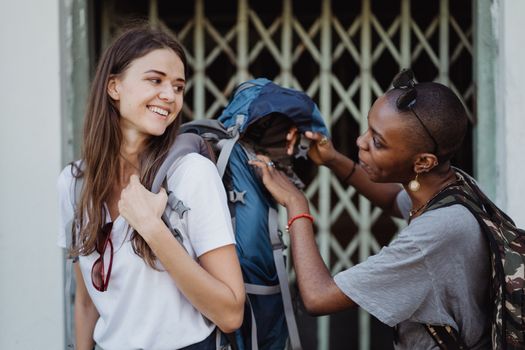
- Ask for (and Offer) Help: "Excuse me, do you know if this bus goes to the market?" or "Could you recommend a good local dish?" These are simple, genuine icebreakers. Conversely, if you see someone struggling with a map or a photo, offer to help. "Would you like me to take a photo of you two?" is a fantastic way to start a conversation.
- Carry a Conversation Starter: This isn't about cheesy pickup lines. It's about having something unique that sparks curiosity. Maybe a cool travel journal, a distinctive piece of jewelry, or a book with an interesting cover. I once wore a t-shirt with a local phrase I'd learned, and it led to countless friendly chats with locals curious about my grasp of their language.
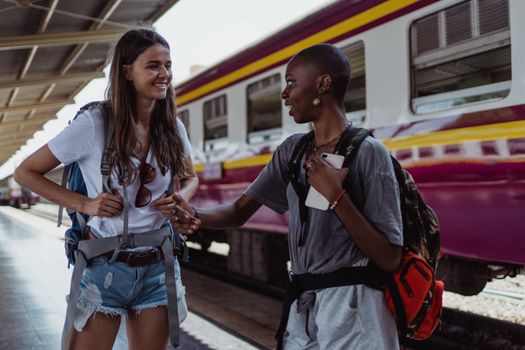
- Embrace the Waiting Game: Airports, train stations, bus stops, queues for popular attractions – these are all prime locations for accidental encounters. Strike up a conversation with the person next to you. You already have something in common: you're both waiting.
The trick is to be genuinely curious about others and their stories. People love to share. And remember, not every interaction has to lead to a lifelong friendship. Sometimes, a brief, pleasant chat is enough to brighten your day and remind you of the kindness of strangers.
Unlocking the Digital Niche: Micro-Communities & Hyper-Local Groups (The Right Way)
Yes, I know I said "beyond mainstream apps," but not all digital connections are created equal. The trick is to leverage digital tools in a way that’s niche, hyper-local, and focused on shared interests, rather than generic "meetup" apps that everyone is already using. This is about finding your tribe in the digital wild, before it becomes oversaturated.
Forget the big, generic travel groups. I’m talking about digging deeper. In San Miguel de Allende, Mexico, I wanted to find people interested in hiking. Instead of a general expat group, I searched for "San Miguel hiking group" on Facebook. I found a small, active community that organized weekly treks into the surrounding hills. I joined a hike, met a dozen fantastic people (both locals and long-term expats), and spent a beautiful morning exploring the Mexican countryside. The group was small enough that everyone got to chat, and the shared physical activity made bonding effortless.
Your Guide to Niche Digital Connections:
- Facebook Groups (The Niche Angle):
- Hyper-Local Interest Groups: Search "[city name] + [specific hobby]" (e.g., "Chiang Mai Digital Nomads - Muay Thai," "Lisbon Photography Meetup," "Solo Female Travelers Barcelona"). These groups are often smaller and more focused, leading to higher quality connections.
- Specific Travel Style Groups: "Budget Backpacker Europe," "Van Life Nomads," "Adventure Travel South America." These groups often have members actively traveling in your current region who are looking for meetups.
- Reddit Subreddits: Reddit is a treasure trove for hyper-local information. Search for `r/[cityname]` (e.g., `r/Amsterdam` or `r/BuenosAires`). Look for "meetup" threads, "things to do" posts, or simply post a polite, specific request: "Solo traveler from [country] looking for [activity] on [date] – any recommendations or anyone interested?" Be clear about your intentions.
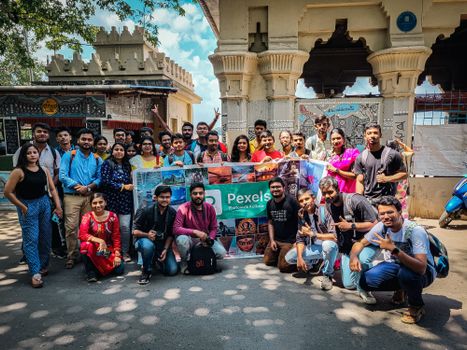
- Meetup.com (Filtered for Specificity): While Meetup can be mainstream, its strength lies in its vast array of niche groups. Instead of "social mixers," look for groups dedicated to board games, specific language practice, hiking, coding, or even obscure book clubs in your current city. I once joined a "Craft Beer Explorers" Meetup in Portland, Oregon, and spent an evening hopping between breweries with a fun group of locals and fellow travelers.
- Local Event Listings (Online): Check websites for local universities, community centers, independent cinemas, or music venues. Often, they have calendars of events – open mic nights, film screenings, lectures, or small concerts – that attract a local, engaged crowd. Showing up alone to these events makes you approachable.
The key to using these digital tools effectively is to be specific and proactive. Don't just lurk. Post a genuine request, suggest an activity, or RSVP to an event. Show up with an open mind and a friendly attitude. These micro-communities offer a bridge between the digital and the real, helping you find your people in a sea of strangers.
The Power of Being Genuinely Curious & Vulnerable
Ultimately, making friends on the road, especially before everyone else figures out the "hack," comes down to two things: genuine curiosity and a willingness to be a little vulnerable.
Genuine curiosity means actively listening, asking open-ended questions, and showing interest in someone's story. It’s not about waiting for your turn to talk; it’s about wanting to understand. When you’re genuinely interested in someone, they feel seen, and that’s a powerful foundation for connection.
Vulnerability means taking a small risk. It might be initiating a conversation, admitting you’re a little lost, or sharing a personal anecdote. It’s stepping outside your comfort zone, even just a little. That first smile, that first "hello," that first invitation to share a meal – these are all small acts of vulnerability that can open the door to incredible friendships.
I once found myself feeling a bit lonely in a small town in rural Thailand. Instead of retreating, I approached an elderly woman selling fruit from a cart. With limited Thai and much gesturing, I asked about her fruit, complimented her beautiful smile, and eventually, through a younger passerby who translated, learned about her family and her life. I bought some fruit, but more importantly, I shared a moment of human connection that lifted my spirits and reminded me of the profound beauty of simple interactions. It didn't lead to a long-term friendship, but it was a connection, a shared moment that mattered.
Your Next Adventure Awaits
Traveling solo is a transformative experience, a journey of self-discovery that pushes your boundaries and expands your horizons. But it doesn't mean you have to be alone. By embracing these "ahead-of-the-curve" strategies, you're not just finding friends; you're cultivating a richer, more authentic travel experience. You're moving beyond the superficial and diving into the heart of human connection.
So, next time you pack your bags for a solo adventure, remember: the world is full of incredible people waiting to connect. Ditch the well-trodden paths, step out of your comfort zone, and embrace the magic of organic encounters. Your next lifelong friend might just be a cooking class, a local market, or a chance conversation away.
Now it's your turn! What are your secret, "before they become mainstream" tips for making friends while traveling solo? Share your stories and advice in the comments below – let's build a community of savvy, connected solo travelers!
---
More pictures
Tags
Share this guide
We may earn a commission if you click a link and buy a product or service, at no extra cost to you. How affiliate links work.
Been there?