
Tired of feeling like a mere spectator on your travels? This isn't just a guide; it's your blueprint to unlocking the profound, soul-stirring experience of truly living like a local in any country. Prepare to ditch the tourist clichés and discover the beating heart of a destination, one authentic moment at a time. ---
Have you ever returned from a trip feeling like you saw all the sights, took all the photos, but somehow missed the soul of the place? You checked off the Eiffel Tower, the Colosseum, the Sagrada Familia – but did you truly feel Paris, Rome, or Barcelona?
I certainly have. My early travels were a blur of guidebooks, crowded queues, and souvenir shops. I remember my first trip to Venice, years ago. I spent most of my time navigating hordes of tourists, eating overpriced pasta near St. Mark's Square, and feeling utterly disconnected from the city's melancholic charm. I saw Venice, but I didn’t live Venice.
It wasn't until a subsequent trip to Japan, a few years later, that something clicked. Instead of a fancy hotel, I booked a traditional ryokan in a quiet Kyoto neighborhood. Instead of relying solely on Google Maps, I let myself get delightfully lost down cobbled alleys. I bought my groceries at a local supermarket, learned a few basic Japanese phrases, and found myself sharing sake with an elderly couple at a tiny, unassuming izakaya, laughing despite the language barrier. That trip wasn't just a vacation; it was an immersion. It was then I truly understood the profound difference between being a tourist and being a traveler who lives like a local.
And let me tell you, once you taste that authentic connection, there’s no going back. It’s about more than just saving money or finding hidden gems (though you’ll do plenty of both!). It’s about building bridges, understanding different ways of life, and enriching your own perspective in ways a guided tour simply cannot. It’s about experiencing a country before you die, not just before you leave.
Ready to ditch the tourist trap and dive headfirst into the heart of a destination? Here’s your comprehensive guide to living like a local, no matter where your wanderlust takes you.
1. The Mindset Shift: Embrace the Unknown & Shed Expectations
Living like a local starts long before you even board the plane. It begins with a fundamental shift in your perspective.
Ditch the Itinerary, Embrace Spontaneity: While it’s good to have a rough idea of what you want to see, rigidly sticking to a pre-planned schedule is the enemy of local living. Leave room for serendipity. That spontaneous invitation from a shopkeeper for tea, the unexpected street festival, or the local café that becomes your daily ritual – these are the moments that truly define an immersive experience.
Learn Basic Phrases: This is non-negotiable. Even a handful of words – "hello," "please," "thank you," "excuse me," "do you speak English?" and "where is the toilet?" – can open doors. Locals appreciate the effort, and it often leads to warmer interactions. Before my trip to Colombia, I spent an hour a day on Duolingo for a month, just enough Spanish to navigate markets and order food. The smiles I received in return were priceless, and the willingness of people to help me, despite my broken Spanish, was incredibly touching.
Research Beyond the Tourist Hotspots: Before you go, spend time researching local blogs, forums, and even Instagram accounts of people who live in your destination. Look for local events, community gatherings, and lesser-known neighborhoods. For instance, before my visit to Lisbon, I stumbled upon a blog post about Campo de Ourique, a charming residential neighborhood known for its local market and traditional shops, far from the bustling Baixa district. It became my favorite place to unwind.
Be Open, Patient, and Respectful: Things will go wrong. You’ll get lost. You’ll misunderstand. Embrace it. A local mindset means understanding that your way isn't the only way. Be patient with cultural differences, respect local customs, and always approach interactions with humility and a genuine desire to learn. Remember that time in Rome when I tried to order a cappuccino after noon? The barista just smiled, shook his head, and offered me an espresso. It was a gentle, humorous lesson in Italian coffee culture!
2. Home Away From Home: Accommodation That Connects
Your choice of lodging is perhaps the single most impactful decision for local immersion. Ditch the sterile hotel chains.
Airbnb & Local Rentals: This is your best friend. Renting an apartment or even a room in a shared house immediately plops you into a residential neighborhood. You’ll see neighbors going about their day, hear the sounds of local life, and have access to a kitchen – a crucial component for local living. In Berlin, I once rented a charming Airbnb in Prenzlauer Berg. My host, an art student, gave me incredible tips on underground galleries and the best currywurst stand that tourists never find.
Homestays & Guesthouses: For an even deeper dive, consider a homestay. Websites like Homestay.com connect travelers with local hosts. This offers an unparalleled opportunity to live with a family, share meals, and gain intimate insights into their daily routines and traditions. I spent a week in a traditional minshuku (family-run guesthouse) in rural Japan, near Matsumoto. The elderly couple who ran it barely spoke English, but their hospitality, the incredible home-cooked meals, and the shared baths were an unforgettable cultural exchange. It cost me about ¥7,000 (around $50 USD) a night, including dinner and breakfast – an absolute steal for such an authentic experience.
Couchsurfing: If you’re on a tight budget and truly crave human connection, Couchsurfing is an incredible platform. You stay for free on a local’s couch or spare room, and the expectation is cultural exchange. I’ve had incredible experiences Couchsurfing, from staying with a musician in Istanbul who took me to local jam sessions, to a student in Budapest who showed me the city's hidden ruin bars. It requires an open mind and a willingness to engage, but the rewards are immense.
Location, Location, Location: When booking, prioritize residential areas over central tourist zones. Look for places near local markets, public transport hubs, and parks. You want to be where people live, not just where they visit.
3. Feast Like a Local: Culinary Adventures Off the Beaten Path
Food is the universal language, and eating like a local is arguably the most delicious way to immerse yourself.
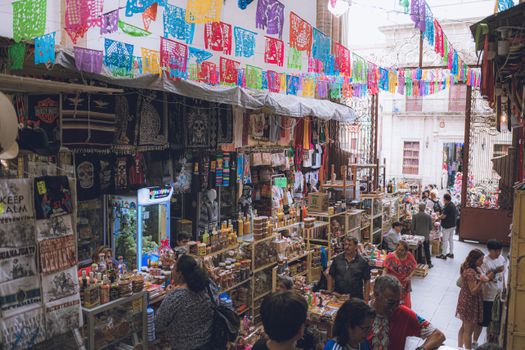
Hit the Local Markets: Forget expensive supermarkets for exotic ingredients; head straight for the local produce markets. Not only will you find fresher, seasonal, and often cheaper ingredients, but you’ll also experience a vibrant hub of local life. In Barcelona, I bypassed the famous La Boqueria (which has become quite touristy) and instead frequented Mercat de Sant Antoni. Here, I found incredible fresh seafood, regional cheeses, and engaged in lively banter with vendors, practicing my elementary Spanish. I cooked simple, delicious meals in my Airbnb kitchen, saving a fortune and tasting authentic Catalonia.
Street Food & Hole-in-the-Wall Eateries: The best food is often found in the humblest settings. Look for places packed with locals, especially during lunch hours. Ask your host or a friendly local for their favorite "secret" spots. In Hanoi, Vietnam, I followed a recommendation to a tiny, unassuming Pho spot down a narrow alley. For about ₫50,000 (roughly $2 USD), I had the most fragrant, soul-satisfying bowl of pho I've ever tasted, sitting on a tiny plastic stool alongside busy Vietnamese workers. These are the meals you remember.
Take a Cooking Class: This is an incredible way to learn about local ingredients, techniques, and culinary traditions. Many destinations offer classes where you go to the market with a local chef, learn to prepare regional dishes, and then feast on your creations. I took a pasta-making class in a small village outside Bologna, Italy. Not only did I learn to make perfect tagliatelle, but I also heard stories about the chef’s nonna and the importance of food in Italian family life. It was a full day of hands-on learning and delicious eating, costing around €90.
Embrace Local Beverages: Skip the international beer brands and try the local brews, wines, or spirits. In Portugal, I quickly fell in love with ginjinha, a sour cherry liqueur, often served in a chocolate cup. In Mexico, it was Mezcal. In Colombia, aguardiente. It’s a small but significant way to participate in local culture.
4. Navigate Like a Native: Mastering Local Transit & Footpaths
How you move around a city profoundly impacts your experience and your wallet.
Public Transport is Your Friend: Buses, subways, trams, and trains are not just modes of transport; they’re windows into local life. You’ll see commuters, students, and families going about their day. Purchase a multi-day pass or a reloadable card – it’s almost always cheaper than individual tickets and a fraction of the cost of taxis. In Tokyo, mastering the intricate subway system was initially daunting, but with a Suica card and Google Maps, I navigated like a pro. A 72-hour Tokyo Subway Pass costs around ¥1,500 (approx. $10 USD) and offers unlimited travel, a stark contrast to expensive taxis.
Walk Everywhere Possible: Many of the most charming streets, hidden cafes, and serendipitous discoveries happen on foot. Wear comfortable shoes and explore. Walking allows you to absorb the atmosphere, notice architectural details, and truly feel the pulse of a neighborhood. I’ve discovered countless hidden staircases in Lisbon, vibrant street art in Medellín, and serene temple gardens in Kyoto simply by choosing to walk instead of ride.
Rent a Bicycle: In many cities, especially in Europe (think Amsterdam, Copenhagen, Berlin), cycling is a way of life. Renting a bike for a day (often €10-€15) gives you freedom and allows you to cover more ground while still feeling like a local. Just be aware of local traffic laws and cycling etiquette!
Avoid Taxis/Ride-Shares (Mostly): While convenient, taxis isolate you from the local environment and are almost always more expensive. Use them only when absolutely necessary (e.g., late at night, with heavy luggage, or when public transport isn't feasible).
5. Immerse & Connect: The Heart of Local Life
This is where the magic truly happens – forging genuine connections.
Learn & Practice the Language: I can't stress this enough. Even a few words go a long way. Use translation apps for more complex conversations, but try to initiate with the local language. People are often delighted and more willing to help or chat.
Engage with Locals (Respectfully): Strike up conversations. Ask for recommendations. Compliment someone's shop or food. These small interactions can lead to incredible experiences. I once asked a bookseller in Rome for his favorite local park, and he ended up drawing me a detailed map to a beautiful, little-known garden atop Janiculum Hill, offering breathtaking views without the crowds.
Find Local Hangouts: Instead of tourist pubs, seek out neighborhood cafes, bars, or community centers. Observe, listen, and if the opportunity arises, join in. Many cities have "language exchange" meetups (often found on apps like Meetup.com) where locals want to practice English, and you can practice their language. It's a fantastic way to make friends and get insider tips.
Attend Local Events & Festivals: Check local listings for community events, concerts, art exhibitions, or festivals. These are authentic celebrations of local culture and often free or inexpensive. During a trip to Cusco, Peru, I stumbled upon a vibrant local parade celebrating a patron saint. The music, dancing, and colorful costumes were an unexpected and joyous highlight, completely unplanned.
Volunteer for a Day: If you have a bit more time, consider volunteering for a local charity or organization. It’s a powerful way to give back, meet locals, and gain a unique perspective on the challenges and triumphs of the community. Even a few hours can make a difference and provide invaluable insights.
6. Embrace the Rhythm: Daily Life Unfiltered
Living like a local isn't just about grand adventures; it's about embracing the mundane, the routine, the everyday.
Establish a Local Routine: Find your local coffee shop, your favorite park bench, your go-to bakery. Wake up early and watch the city come alive. Observe the morning rituals: people walking their dogs, grabbing coffee, heading to work. In Paris, I started each day with a croissant and coffee from the same tiny boulangerie on Rue des Martyrs, watching the neighborhood wake up. It made me feel like I belonged.
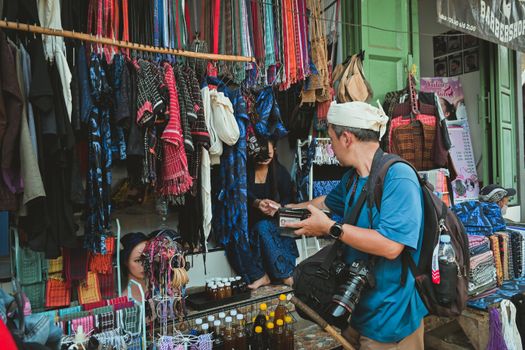
Shop at Local Stores: Bypass the big chains and support independent local businesses. Whether it's a small grocery store, a tailor, or a bookstore, these places are the backbone of a community and offer unique products you won't find elsewhere. Plus, you'll likely interact with the owners, who often have great stories and recommendations.
Visit Local Parks & Green Spaces: Parks are communal living rooms. Observe families picnicking, friends chatting, children playing. They offer a relaxed setting to people-watch and soak in the local atmosphere without any pressure. The Retiro Park in Madrid, the Vondelpark in Amsterdam, or even a small piazza in Italy – each offers a slice of authentic local life.
Slow Down: One of the biggest differences between a tourist and a local is the pace. Tourists rush from one sight to the next. Locals savor their moments. Sit at a cafe for an hour, just watching the world go by. Read a book in a park. Don't feel pressured to "do it all." The beauty of living like a local is in the quiet moments of observation and absorption.
7. Unearth Hidden Gems: Go Where Guidebooks Don't
Once you’ve mastered the art of daily local living, you’ll naturally start discovering the truly unique spots.
Ask Locals for Recommendations: This is the golden rule. Your Airbnb host, the barista at your favorite café, a shop owner – they are treasure troves of information. Ask them where they go for a quiet evening, a good meal, or a beautiful view that isn't swarming with tourists. They might point you to a secret rooftop bar, a secluded beach, or a charming artisan workshop that no guidebook would ever list. I once asked a waiter in Cartagena, Colombia, for a "real" local experience, and he directed me to a tiny, vibrant salsa club in the Getsemani neighborhood that was utterly unforgettable.
Get Lost (Intentionally): Sometimes the best discoveries are made when you simply wander without a destination. Turn down that intriguing side street. Explore that alleyway that seems to lead nowhere. You might stumble upon a stunning piece of street art, a hidden garden, or the most charming little antique shop. Just make sure you have a way to find your way back, or at least a fully charged phone!
Beyond the "Must-Sees": While iconic landmarks are famous for a reason, don’t let them be your only focus. Seek out less-visited museums, smaller galleries, local theaters, or historic neighborhoods that aren't on the main tourist circuit. Instead of the Uffizi in Florence, explore the Pitti Palace and its beautiful gardens – often less crowded but equally stunning.
Embrace the "Boring": Sometimes, the most authentic experiences are the least glamorous. A visit to a local laundromat, a trip to the post office, or even just sitting on a park bench watching kids play football – these mundane moments offer genuine glimpses into the fabric of everyday life that are far more enriching than another selfie in front of a monument.
---
Living like a local isn't just a travel strategy; it's a philosophy. It’s about slowing down, opening up, and truly connecting with the world around you. It’s about realizing that the most profound travel experiences often aren't found in glossy brochures, but in the everyday rhythms, the unexpected conversations, and the quiet moments of shared humanity.
So, next time you plan a trip, challenge yourself. Ditch the comfort zone. Learn a few phrases, book a homestay, eat street food, and let yourself get beautifully lost. You won't just visit a country; you’ll live it. And trust me, those are the experiences that stay with you, shaping who you are long after you've returned home.
What's your best tip for living like a local? Share your stories and advice in the comments below! And don't forget to share this guide with your fellow wanderlusters!
---
More pictures

Tags
Share this guide
We may earn a commission if you click a link and buy a product or service, at no extra cost to you. How affiliate links work.
Been there?