
A practical guide to experiencing a country the way residents do, covering where to stay, how to eat, move and spend your days, and how to be a respectful guest.
Living like a local does not mean pretending to be someone you are not. It means paying attention to how people in a place actually spend their days, and fitting yourself into that rhythm instead of racing from landmark to landmark. The result is usually a calmer, more interesting trip and a better understanding of where you are. Best of all, it works in almost any country, because the principles are the same even when the details differ.
This guide gives you a practical framework: choose a neighborhood, adopt local timing, eat where residents eat, move around the way locals do, learn a few phrases, and behave as a thoughtful guest.
Start with the right mindset
Before you pack, adjust your expectations. A local-style trip is not a checklist of secret spots. It is a way of paying attention. Residents do ordinary things: buy bread, take a bus, meet friends in a park, pick up children from school. If you slow down enough to join those small routines, you will see far more than you would from a tour bus.
Some helpful attitudes:
- Curiosity over judgment. When something feels strange, ask why it is done that way rather than deciding it is wrong.
- Flexibility over perfect plans. Leave room for wandering, because the best discoveries are rarely scheduled.
- Humility. You are a guest. Locals will notice and appreciate effort even when you get things wrong.
- Fewer places, more time. Staying longer in one area teaches more than skimming five.
Choose where to stay with care
Your accommodation shapes your whole experience. If you stay in the middle of the most famous tourist district, you will mostly meet other visitors and businesses built around them. A residential neighborhood a short transit ride from the center gives you a different view.
When researching a base:
- Look for areas with everyday shops, bakeries, markets and local restaurants rather than only souvenir stores.
- Check access to public transport so you can reach sights without needing taxis.
- Read recent reviews for comments on noise, safety and the feel of the street.
- Consider a small guesthouse, a family-run hotel or an apartment rental where permitted. Be aware that short-term rental rules vary by city, and some places restrict them, so book through reputable channels and follow local regulations.
- Ask your host for recommendations. A good host often knows the best bakery, the nearest pharmacy and which street to avoid after midnight.
If you can, stay a week or more in one place. After a few days, the shopkeeper starts to recognize you, and the neighborhood begins to feel familiar.
Adopt the local daily rhythm
Every culture has its own tempo. Matching it makes your days smoother and signals respect.
- Meal times differ widely. In some countries dinner starts late in the evening, while in others restaurants close early. Check typical hours instead of expecting yours to apply.
- Midday breaks. Some places slow down or close in the early afternoon. Plan sightseeing around that.
- Weekend patterns. Markets may peak on a certain day, and certain businesses may be closed on religious or rest days.
- Seasonal habits. Locals may avoid the midday heat or head to the coast on weekends. Follow the pattern.
A simple test: spend your first morning observing. When do people appear on the street? Where do they have coffee? What time do cafes fill up? Use what you see to build your own schedule.
Eat where residents eat
Food is the fastest route into a culture, and it is also where "local" is easiest to spot.
- Look for crowds of residents, not just a menu with photos in five languages.
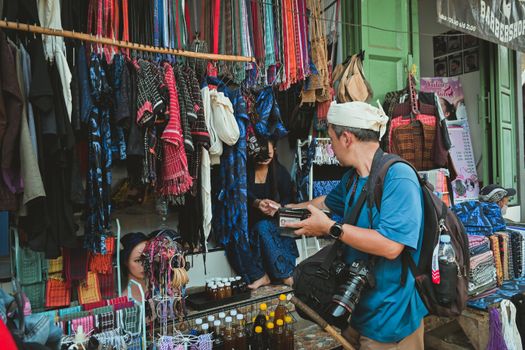
- Visit markets. Fresh produce markets, bakeries and food stalls show what people cook and eat. Go in the morning, when selection is best.
- Order what is common. Ask what the daily special is, or what a server would eat. Many places have a set lunch menu that is both filling and good value.
- Learn the meal structure. Is breakfast a quick coffee and pastry or a full meal? Is bread free at the table or charged? Small differences can save confusion.
- Try regional specialties instead of dishes that are famous internationally.
- Mind your health. If you have allergies or dietary needs, learn how to explain them in the local language and carry a written note. For general food safety, choose busy places with high turnover.
Cooking can be a powerful way to connect, too. A class with a local cook or a visit to a market with a guide teaches you ingredients and techniques you can use at home.
Get around like residents do
Using local transport is one of the quickest ways to feel part of daily life, and it usually costs less.
- Learn the system before you ride. Check whether you need a card, a paper ticket or contactless payment, and whether you must validate your ticket.
- Walk more. Many cities reveal their character on foot. Choose a neighborhood and wander without a destination.
- Rent a bicycle in cities with good cycling infrastructure, but learn local traffic rules first.
- Respect transit etiquette. In some places it is normal to stand on one side of an escalator, offer a seat to older passengers, or keep quiet on trains. Watch others and follow.
- Use local ride options sensibly. Taxi and ride-hailing rules differ, so check what is common and trusted in your destination.
Download an offline map and a transit app that works locally. Residents often use a different app than the one you use at home.
Learn a little of the language
You do not need fluency. A handful of phrases changes how people respond to you.
Start with:
- Hello and goodbye.
- Please and thank you.
- Excuse me and sorry.
- "Do you speak English?" in the local language, asked before launching into English.
- Numbers, so you can understand prices.
- A few food words, including any allergies.
Practice pronunciation with a free language app or audio guide before you go. Do not worry about mistakes. People are usually kind when you try, and many will happily help you improve.
Shop and spend with local impact in mind
How you spend money affects the places you visit. Small choices add up.
- Buy from neighborhood shops, family restaurants and independent guides when possible.
- Choose crafts made locally rather than mass-produced souvenirs. Ask where an item was made.
- Learn about tipping customs. In some countries tipping is expected, in others it is unusual or even awkward.
- Carry some local cash for markets and small businesses, while keeping most funds in safer forms.
- Be respectful when bargaining. In places where it is normal, negotiate with a smile and stop when a fair price is reached. Do not haggle over tiny sums that matter far more to the seller than to you.
Find your own routine
One of the nicest local habits to copy is repetition. Go to the same cafe three mornings in a row. Take the same park path in the evening. Visit the same market stall. Familiarity builds conversation, and conversation builds the sort of memories that postcards cannot.
Other ideas for building a routine:
- Pick a "regular" spot for coffee or tea and become known there.
- Join a community class, such as yoga, cooking, language exchange or a craft workshop.
- Attend a local sports match or neighborhood festival if it is open to visitors.
- Use public libraries, parks and public swimming spots where appropriate.
- Check local event listings for markets, concerts and community gatherings.
Be a respectful guest
Living like a local also means understanding local norms and following them.
- Dress appropriately. Research expectations for religious sites and conservative areas, and carry a scarf or light layer if needed.
- Ask before photographing people, especially in sensitive settings.
- Follow local laws and customs. Rules about alcohol, public behavior, photography and drones differ from country to country. Check official travel advice from your government and local authorities.
- Keep noise down in residential areas, especially at night.
- Take care of the environment. Carry a reusable bottle, follow waste and recycling rules, and respect protected areas.
- Avoid exploiting hardship. Be thoughtful about "poverty tourism" and activities that treat people or their homes as attractions.
Things to avoid
- Overplanning so tightly that you cannot adapt.
- Assuming one neighborhood or city represents the entire country.
- Chasing "hidden gems" so aggressively that you ruin them. If a place is quiet and local, behave quietly and lightly.
- Comparing everything to home. Try to notice what works well instead.
- Pretending to a local identity you do not have. Be honest that you are a visitor who is interested and respectful.
Frequently asked questions
How long do I need to stay to live like a local? A week in one place gives you a taste, and longer stays deepen it. Even a weekend can feel local if you choose a residential neighborhood and slow down.
Is it rude to act like a tourist? Not at all. Visiting famous sights is fine. The aim is balance: see the highlights, but also spend time in ordinary places.
Do I need to speak the language? No, but learning basic phrases helps a lot. Translation apps can fill gaps, and a friendly attitude carries you further than perfect grammar.
How do I find authentic experiences without being scammed? Use reputable sources, read recent reviews, ask your accommodation for suggestions and be cautious of anyone who approaches you aggressively with a "special" offer. Check current local advice, as conditions change.
Summary
To live like a local in any country, choose a neighborhood with everyday life, follow the local rhythm of meals and rest, eat where residents eat, use local transport, learn a few key phrases and spend in ways that support the community. Build small routines, stay longer in fewer places, and behave as a respectful guest. You do not need secrets or special access. You need patience, curiosity and a willingness to participate. Check current local rules, safety advice and customs before you travel, because these can change.
More pictures
Tags
Share this guide
We may earn a commission if you click a link and buy a product or service, at no extra cost to you. How affiliate links work.
Been there?