
Tired of repetitive travel feeds? We're spilling the beans on the most authentic, hands-on travel experiences Instagram influencers conveniently forget to mention. Discover how you can master a fascinating ancient trade in just one day, creating unforgettable memories and a truly unique souvenir. ---
We’ve all been there. Scrolling through perfectly curated travel feeds, watching influencers pose effortlessly in front of iconic landmarks, sipping designer coffee in aesthetically pleasing cafes. It’s beautiful, it’s aspirational, but sometimes… it feels a little empty. A little too much about the photo, and not enough about the experience.
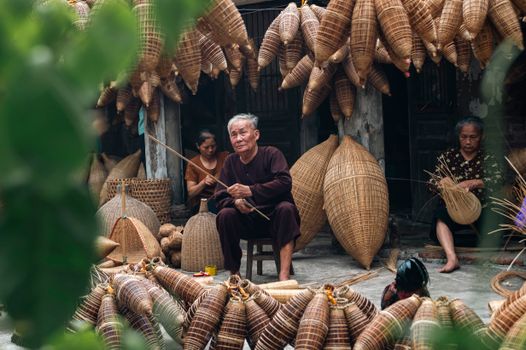
I hit that wall a few years ago during a trip through Southeast Asia. I was ticking off temples and beaches, but something was missing. I wanted to do something, make something, connect with the culture beyond just observing it. It was in a small, dusty village in Vietnam, watching an elderly woman meticulously weave a basket, that it clicked. What if travel wasn’t just about seeing, but about learning? About getting your hands dirty and discovering skills that have shaped humanity for centuries?
That day, I signed up for a half-day workshop to learn basic basket weaving. My fingers fumbled, my patience was tested, but by the end, I held a wonky, imperfect, yet undeniably mine creation. It wasn't just a souvenir; it was a story, a connection, a tangible memory far more precious than any mass-produced trinket.
Since then, chasing these "ancient trades in a day" has become my ultimate travel hack. Forget the queues and the filters; this is about diving deep, engaging your senses, and creating something real. And trust me, these are the experiences that Instagram influencers, with their perfectly polished feeds, might not even know exist – or simply can't capture the raw, authentic joy of.
Ready to trade your selfie stick for a craftsman's tool? Let's get started.
1. The Magic of Mud & Wheel: Pottery Perfection (or Glorious Imperfection!)
There’s something profoundly meditative about pottery. The cool, slippery clay, the rhythmic hum of the wheel, the transformation of a formless lump into a vessel – it’s pure magic. And it’s surprisingly accessible for a day-long introduction!
My first real pottery workshop was in a tiny, sun-drenched studio tucked away in a quiet street in Lisbon, Portugal. I’d seen a small sign outside that simply said "Olaria - Workshops." The instructor, an older gentleman with clay permanently etched under his fingernails and a twinkle in his eye, spoke limited English, but his passion needed no translation. He patiently guided my hands on the wheel, showing me how to center the clay, how to coax it upwards, how to shape it. My first few attempts resulted in collapsed mounds and lopsided bowls, but with each try, I felt a little more connected, a little more confident. By the end of the three-hour session, I had a wobbly, yet recognizable, mug and a small, surprisingly elegant dish. I was covered in clay, laughing, and utterly hooked.
Why it’s a game-changer:
- Tangible Result: You walk away with a piece (or several!) that you made yourself. Most studios will fire and glaze it for you, shipping it later if you’re leaving soon.
- Mindfulness: The focus required on the wheel is incredibly grounding and relaxing.
- Cultural Connection: Pottery traditions are deeply embedded in many cultures, from Japanese Raku ware to Mediterranean terracotta.
Where to find it:
- Kyoto, Japan: Famous for its diverse pottery styles. Look for studios offering "one-day Raku experience" or "hand-building workshops." Expect prices around ¥5,000-¥10,000 (€35-€70).
- Florence, Italy: Many artisan studios offer short courses. Check out places like Florence Art and Fashion Workshops. Prices can range from €60-€120 for a half-day.
- Anywhere with a vibrant art scene: Search "pottery taster session" or "clay workshop" in your destination. Local community art centers are often great, affordable options.
Tripsora Tips:
- Dress for mess: Wear old clothes and be prepared to get covered in clay. Aprons are usually provided, but accidents happen!
- Embrace imperfection: Your first pot won't be perfect, and that's the beauty of it. It's a record of your learning journey.
- Ask about shipping: If you're traveling, confirm if they can fire your piece and ship it home. This might be an extra cost.
2. Forge Your Own Path: The Art of Blacksmithing
When I tell people I’ve done a blacksmithing workshop, their eyes usually widen. "Really? Like with fire and hammers?" Yes, exactly like that. And it's one of the most exhilarating and empowering experiences you can have in a day.
My introduction to the forge was in a small, open-air workshop at a living history museum in rural Germany. The air was thick with the smell of coal smoke and hot metal. The instructor, a burly man with forearms like tree trunks, was surprisingly gentle as he guided me through the basics. The heat from the forge was intense, but the rhythmic clang of hammer on anvil was mesmerizing. I learned to heat the metal, to "draw out" a point, to twist, and to bend. My project for the day? A simple, yet sturdy, bottle opener. Holding that still-warm piece of metal, knowing I had shaped it with my own strength and guidance, felt incredibly primal and satisfying. It was loud, it was sweaty, and it was utterly unforgettable.
Why it’s a game-changer:
- Unique & Empowering: How many people can say they’ve forged metal? It’s a powerful, tangible skill.
- Sensory Overload: The heat, the sparks, the clang – it’s a full-body experience.
- Historical Connection: Blacksmithing has been crucial to human civilization for millennia.
Where to find it:
- Colonial Williamsburg, USA: Offers blacksmithing experiences that immerse you in 18th-century techniques. Prices can be higher, around $150-$250 for a half-day.
- Historical Villages & Craft Schools: Many open-air museums or dedicated craft schools across Europe (e.g., UK, Germany, Scandinavia) offer "taster" sessions. Look for specialized artisan centers.
- Rural Craft Fairs: Sometimes, blacksmiths at larger craft fairs will offer short, hands-on demonstrations or mini-workshops.
Tripsora Tips:
- Safety First: Always wear appropriate safety gear (gloves, safety glasses, closed-toe shoes) and listen very carefully to your instructor. This isn't a craft to be casual about.
- Start Small: Don't expect to forge a sword in a day. A hook, a bottle opener, or a small decorative item is a perfect first project.
- Hydrate: You'll be working near intense heat, so drink plenty of water.
3. Threads of Time: Natural Dyeing & Weaving Wonders
In a world saturated with synthetic colors, the subtle, earthy beauty of natural dyes is a revelation. Learning how to extract vibrant hues from plants, insects, and minerals connects you directly to the earth and ancient traditions.
My deepest dive into natural dyeing was in the Sacred Valley of Peru, near Cusco. I visited a women's weaving cooperative where generations of knowledge were passed down. We collected local plants, pounded cochineal insects (a traditional source of red), and steeped wool in large vats. Watching the yarn slowly transform from a dull white to a rich indigo, a warm ochre, or a deep crimson was like witnessing alchemy. Later, I tried my hand at a small backstrap loom, learning the basic rhythm of weaving. The patterns were complex, but the simple act of interlacing threads felt deeply satisfying. I left with a small, naturally dyed coaster and a profound respect for the artistry and patience involved.
Why it’s a game-changer:
- Sustainable & Earthy: Connects you to natural resources and traditional, eco-friendly practices.
- Vibrant & Beautiful: The colors achieved are unique and deeply satisfying.
- Cultural Insight: Many cultures have rich textile histories tied to local flora and fauna.
Where to find it:
- Cusco, Peru / Oaxaca, Mexico: Both regions are famous for their indigenous textile traditions and natural dyeing. Look for cooperatives or artisan workshops offering half-day sessions (e.g., Centro de Textiles Tradicionales del Cusco). Prices vary but expect around $30-$80 for a few hours.
- Bali, Indonesia / India: Many retreats and craft centers offer indigo dyeing or batik workshops.
- Local Fiber Arts Guilds: Even in your home country, local groups often run introductory workshops on natural dyeing or basic weaving (e.g., frame loom weaving).
Tripsora Tips:
- Research local traditions: Different regions use different plants and techniques. Learning about them enhances the experience.
- Bring a small item: Ask if you can bring a small, natural fiber item (like a cotton scarf or a plain t-shirt) to dye alongside your workshop materials.
- Patience is key: Natural dyeing is a slow art. Enjoy the process, not just the final result.
4. A Taste of Tradition: Hand-Pulled Pasta & More
Food is the universal language, and learning to prepare a traditional dish isn't just a cooking class; it's a deep dive into a culture's heart and soul. And yes, you can absolutely master a foundational dish like fresh pasta in a day!
My most cherished culinary memory is from a tiny apartment kitchen in Bologna, Italy. I'd found a "Cucina della Nonna" experience through a local tourism board. Nonna Maria, a spry woman in her late 70s, didn't speak a word of English, but her gestures and warm laughter were enough. We kneaded dough on a worn wooden table, rolled it impossibly thin with a giant rolling pin, and then she deftly cut it into perfect tagliatelle. We made a simple ragu from scratch, the aroma filling the small kitchen. The best part? Sitting down afterward, sharing the meal we had just created, with Nonna Maria pouring us small glasses of local wine. It wasn't just food; it was family, history, and pure joy.
Why it’s a game-changer:
- Delicious & Practical: You gain a skill you can use at home, and you get to eat your delicious creation!
- Cultural Immersion: Cooking side-by-side with locals offers unparalleled insight into their daily life and traditions.
- Sensory Delight: The smells, tastes, and textures are unforgettable.
Where to find it:
- Bologna, Italy: The "food capital" is perfect for pasta-making classes (tagliatelle, tortellini). Look for small group classes or private experiences. Prices typically range from €70-€150.
- Mexico City, Mexico: Learn to make authentic tacos, tamales, or mole. Many markets offer "cook and eat" tours.
- Kyoto, Japan: Try your hand at traditional Japanese sweets (wagashi) or learn the art of ramen broth.
- Anywhere with strong culinary traditions: Search for "cooking class," "food workshop," or "culinary experience" in your destination.
Tripsora Tips:
- Go local: Seek out classes taught by local families or small, independent chefs rather than large tourist-focused schools for a more authentic experience.
- Ask for recipes: Most instructors are happy to share their knowledge.
- Eat your fill: Don't be shy – enjoy the fruits of your labor!
5. From Hide to Heirloom: The Craft of Leatherworking
The scent of leather, the feel of a finely stitched seam, the satisfaction of creating something both beautiful and useful – leatherworking is an ancient craft that remains incredibly relevant. And a simple wallet or key fob is totally achievable in a day.
I stumbled upon a leatherworking workshop in a quaint alleyway in Seville, Spain. The city is known for its artisan traditions, and this small studio, filled with tools, rolls of leather, and finished goods, immediately drew me in. The instructor, a young artisan named Miguel, was passionate about preserving traditional techniques. My project was a simple cardholder, but it involved cutting, punching holes, saddle stitching by hand, and burnishing the edges. It required precision and patience, but the steps were clear. By the end, I had a sleek, sturdy cardholder that felt far more personal and valuable than anything I could buy. It's still one of my favorite travel souvenirs.
Why it’s a game-changer:
- Practical & Stylish: You create something genuinely useful and aesthetically pleasing.
- Durable Souvenir: Leather goods last a lifetime, making for a lasting memory.
- Skill for Life: Basic leatherworking skills can be applied to many small projects.
Where to find it:
- Florence, Italy: Renowned for its leather goods. Many workshops offer introductory classes. Expect to pay €80-€180 for a half-day.
- Marrakech, Morocco: Explore the tanneries and then look for workshops in the souks.
- Artisan Districts: Many major cities have dedicated artisan districts where you can find small studios offering classes.
Tripsora Tips:
- Start Simple: A wallet, a key fob, a small pouch – these are perfect first projects.
- Learn the Tools: Get familiar with basic leatherworking tools (cutting knives, hole punches, stitching awls).
- Embrace the Process: Hand stitching takes time, but it results in a stronger, more beautiful finish than machine stitching.
6. The Art of the Pen: Calligraphy & Illumination
In our digital age, the art of beautiful handwriting feels almost revolutionary. Calligraphy, the art of decorative handwriting, is a meditative and elegant skill that connects you to centuries of scribes and artists.
My first encounter with formal calligraphy was during a silent retreat in a monastery in County Wicklow, Ireland. While not strictly a "day workshop," they offered a concentrated introductory session on Celtic illumination. Sitting in a quiet room, with only the scratching of pens on parchment, was incredibly peaceful. Our instructor, a soft-spoken nun, taught us basic strokes and how to form the intricate initial letters seen in ancient manuscripts. It wasn't about speed, but about deliberate, mindful movement. I left with a small, beautifully illuminated initial of my own, a profound sense of calm, and a newfound appreciation for the art of the written word.
Why it’s a game-changer:
- Meditative & Relaxing: The focus required is deeply calming.
- Elegant Skill: A beautiful art form that can be applied to cards, gifts, or personal journals.
- Historical & Spiritual Connection: Many calligraphic traditions are tied to religious texts and ancient wisdom.
Where to find it:
- Kyoto, Japan: Learn Japanese Shodo (brush calligraphy) in cultural centers or private studios. Prices vary, but often ¥3,000-¥7,000 (€20-€50) for an introductory session.
- Ireland / UK: Look for workshops on Celtic or medieval calligraphy, sometimes offered in monasteries or historical societies.
- China: Explore traditional Chinese brush painting and calligraphy classes.
- Art Schools & Cultural Centers: Many cities offer introductory workshops in various calligraphic styles.
Tripsora Tips:
- Choose a style: There are many types of calligraphy (italic, copperplate, Gothic, Japanese, Chinese). Pick one that resonates with you.
- Practice, practice, practice: This is a skill that improves with repetition.
- Enjoy the quiet: Calligraphy is often a solitary and introspective art form. Embrace the stillness.
Your Next Adventure Awaits: Crafting Memories, Not Just Content
So, there you have it. Six incredible ancient trades you can dive into in a single day, offering a depth of experience that goes far beyond a perfectly filtered photo. These aren't just workshops; they're portals to history, culture, and a deeper connection with yourself and the world around you. They challenge you, inspire you, and leave you with something truly unique – a skill, a story, and a handmade souvenir that will always remind you of the day you stepped off the beaten path and forged your own adventure.
The next time you're planning a trip, consider adding one of these hands-on experiences. You won't just see the world; you'll touch it, taste it, smell it, and make a piece of it your own. And who knows, you might just discover a hidden talent (or at least a fantastic story to tell!).
What ancient trade are you eager to try first? Share your thoughts in the comments below, and don't forget to bookmark this post for your next trip!
---
More pictures
Tags
Share this guide
We may earn a commission if you click a link and buy a product or service, at no extra cost to you. How affiliate links work.
Been there?