
We've all been there: the dreaded delay announcement, followed by the sinking feeling of impending boredom and meltdowns. But what if I told you there's a whole world of pre-mainstream entertainment hacks that can transform those stressful waits into memorable family moments? Get ready to ditch the screens and discover the magic! ---
The overhead announcement crackled, a harbinger of doom for every parent within earshot: "We regret to inform you that Flight 472 to Orlando is now delayed by an additional three hours due to unforeseen mechanical issues." My heart sank faster than a lead balloon. My two kids, then aged five and seven, had already exhausted their screen time, devoured their snacks, and were teetering on the precipice of a full-blown airport meltdown. This wasn't just a delay; it was an existential threat to my sanity, played out in the sterile, fluorescent glow of Chicago O'Hare's Terminal 1.
I looked around, desperate. Every other parent seemed to be either glued to their phone, frantically searching for an outlet, or handing over another tablet. The mainstream advice – "pack snacks, bring a tablet, download movies" – had failed me. It was in that moment, amidst the chaos and the whines of "Are we there yet?", that I vowed to find a better way. A way to keep kids genuinely entertained, engaged, and even happy during those inevitable travel delays, long before the 'viral hacks' hit every parenting blog.
Over the past decade, as I’ve crisscrossed continents with my now-teenagers (and younger nieces and nephews), I’ve refined a toolkit of unconventional, pre-mainstream strategies. These aren't just time-killers; they're memory-makers, designed to turn unexpected waits into unexpected adventures. Forget the usual suspects; let's dive into the secret sauce of delay-defying fun!
1. The "Analog Advantage": Unplugging for Unexpected Fun
In a world saturated with screens, the most revolutionary entertainment often involves going back to basics. The beauty of analog activities is their simplicity, their ability to spark creativity, and their complete independence from Wi-Fi or battery life. These are the tools that turn any waiting area into a canvas for imagination.
My go-to "Analog Advantage" kit is small, lightweight, and packs a mighty punch. First up: Pocket Palettes. Forget bulky art supplies. I found these incredible mini watercolor sets (like the Winsor & Newton Cotman Water Colour Sketchers' Pocket Box, usually around $25-35) that are no bigger than a smartphone. Paired with a small, refillable water brush pen and a compact sketchbook (the Moleskine Art Sketchbook, pocket size, is perfect at about $12-15), my kids can transform airport lounge chairs, train station benches, or even ferry decks into their personal art studios. We’ve sketched everything from the iconic architecture of Grand Central Station in NYC to the curious faces of fellow travelers at Heathrow. It’s quiet, absorbing, and the results are often beautiful keepsakes.
Next, I swear by Story Starter Dice (like Rory's Story Cubes, about $8-10 a set). These nine dice, each with different images, provide endless prompts for collaborative storytelling. One person rolls, starts a sentence based on an image, and passes it on. It’s incredible to see how quickly a simple roll of the dice can transport us from a delayed flight in Atlanta to a fantastical quest involving a wizard, a key, and a mischievous cat. It’s also a fantastic way to engage older kids and even adults, turning a boring wait into a shared imaginative journey. The best part? No batteries, no Wi-Fi, just pure, unadulterated imagination.
For younger kids, a small pouch of loose parts is gold. Think brightly colored wooden beads, pipe cleaners, pom-poms, and a few small, smooth river stones. These aren't toys with a prescribed purpose; they're open-ended invitations to create. We've built miniature sculptures on tray tables, invented elaborate games involving sorting and counting, and even used them to illustrate our Story Starter Dice narratives. The cost is minimal (a craft store haul might be $10-15), but the creative returns are infinite.
Tripsora Tip: When packing your analog kit, think "minimal footprint, maximum engagement." Opt for items that encourage open-ended play rather than single-use toys.
2. The Art of the "Micro-Adventure": Turning Waiting into Wonder
A delay doesn't just mean waiting; it means being somewhere for an extended period. Instead of lamenting the wait, I’ve learned to embrace the location itself as part of the adventure. Every airport, train station, and ferry terminal holds hidden gems waiting to be discovered, if you only know how to look.
My absolute favorite "micro-adventure" is the "Observation Deck Odyssey." Many major airports have observation decks or designated viewing areas that are often overlooked. At San Francisco International Airport (SFO), for instance, the free SkyTerrace (pre-security, Terminal 2) offers incredible panoramic views of the airfield. We spent a two-hour delay there, identifying different airline logos, watching planes take off and land, and even spotting the Golden Gate Bridge in the distance. It’s a sensory feast, a mini-lesson in aviation, and a fantastic way to burn off energy in a contained space. Even without a formal deck, finding a quiet window near a gate can provide a similar, albeit smaller, thrill.
Another go-to is "Architectural Explorer Bingo." Before a trip, I’ll do a quick Google search for "interesting architecture [airport/station name]." For places like Denver International Airport (DEN) with its iconic tent-like roof, or the stunning glass ceilings of Berlin Hauptbahnhof, I’ll create a simple bingo card with architectural features to spot: "dome," "arch," "stained glass," "unique lighting fixture," "water feature," "interesting pattern on the floor." The kids get a small prize (a sticker, a special snack) for a bingo. It encourages them to look up, around, and truly observe their surroundings, turning a dull walk through a terminal into an engaging treasure hunt.
And let's not forget "People Watching Pictionary." This is a quiet, observation-based game perfect for any waiting area. We take turns secretly picking an interesting person (e.g., "the lady with the giant hat," "the man with the bright green backpack") and then we try to draw them (without being obvious, of course!) or describe them using only gestures. The other person guesses. It’s hilarious, encourages empathy, and sharpens observation skills. We played this for nearly an hour during a ferry delay from Tsawwassen to Swartz Bay (Vancouver Island), laughing silently at our terrible sketches.
Tripsora Tip: Always check the airport or station website for hidden amenities like art installations, play areas, or even quiet zones. You'd be surprised what you can find!
3. Culinary Questing: Beyond the Fast Food Frenzy
Food is more than just sustenance; it can be a source of exploration and entertainment, especially during a delay. Instead of defaulting to the nearest fast-food chain, turn mealtime into a "culinary quest." This is about making food an experience, not just a necessity.
My kids' all-time favorite delay hack is the "Mystery Snack Box Challenge." Before we even leave home, I'll pack a small, opaque box with 3-5 unusual snacks I know they haven't tried before. These could be exotic fruit leathers, freeze-dried fruit, unique cracker flavors, or even small packets of international candies. During a delay, when boredom starts to set in, I bring out the box. Each child gets to pick a "mystery" item, and we do a blind taste test. They describe the texture, flavor, and guess what it might be. We rate them, compare notes, and sometimes even invent backstories for the snacks. I once bought some bizarre-looking Japanese Pocky sticks (matcha flavor, around $3-4 a box) during a layover in Tokyo Narita, and it turned into a memorable, giggling taste-testing session that totally diverted attention from a two-hour flight delay. The element of surprise and novelty makes it incredibly engaging.
Another fantastic option is the "Local Delicacy Detective." If you're delayed in a specific city or region, make it your mission to find a unique local treat. At Munich Airport (MUC), we sought out pretzels and Weisswurst (white sausage). In Portland, Oregon, it was Voodoo Doughnuts. Even a simple regional candy bar or a local brand of chips can become an exciting "find." We turn it into a mini-scavenger hunt: "Let's find something unique that only THIS place has!" It teaches kids about local culture, gives them a sense of accomplishment, and provides a delicious distraction. Budget around $5-15 for these culinary adventures, depending on the treat.
And for those really long delays, consider the "DIY Picnic Power-Up." Instead of buying individual meals, visit a small grocery store or convenience store within the terminal (many larger airports have them now, like the Hudson News that often carries more than just magazines). Buy a baguette, some cheese, fruit, and maybe some local deli meat. Find a quiet corner and assemble your own "gourmet" picnic. It feels special, saves money compared to restaurant meals, and the act of choosing and assembling the food itself is a fun activity. We did this during a five-hour train delay in Italy, turning a potentially frustrating wait into a charming, impromptu family meal on a park bench near the station.
Tripsora Tip: Always check for food allergies before introducing new snacks, especially if you're doing a blind taste test!
4. The "Secret Agent" Skillset: Stealth Learning & Engagement
Who says learning can't be fun, especially when disguised as a top-secret mission? These activities tap into kids' natural curiosity and love for puzzles, making them forget they're even learning.
One of our favorite "secret agent" missions is "Code Breaker Kids." Every airport has a three-letter IATA code (e.g., LAX, JFK, LHR). I challenge my kids to find as many different airport codes as possible on departure boards, baggage tags, or even airline merchandise. Once they find a code, their mission is to "decode" it by coming up with a funny or clever phrase using those letters. For example, LAX could be "Lions Are Xylophones," or JFK could be "Jumping Frogs Kiss." We keep a running tally and award points for creativity. It’s a subtle way to introduce geography and phonics, all while acting like covert operatives.
Another hit is "Language Detective." If you're traveling internationally, or even through a diverse hub, challenge your kids to spot words in different languages. Can they find "exit" in Spanish ("salida") or French ("sortie")? Can they hear someone speaking a different language and try to identify it? This can be expanded to finding different currencies on display, or even identifying flags on other travelers' bags. It broadens their global awareness in a playful, low-pressure way. For younger kids, even just spotting the same word in different fonts or colors can be a mini-mission.
For slightly older kids (7+), "The Travel Journal Mission" is a fantastic way to engage. I provide them with a small, unlined notebook and a colorful pen. Their mission: document the delay. This isn't just writing "we're delayed." It's about sketching the scene, jotting down funny things they hear, making a list of things they would be doing if not delayed, or even designing an "improved" airport lounge. It encourages observation, creative writing, and gives them a sense of control over an uncontrollable situation. Plus, these journals become amazing time capsules of your travels, far more personal than any photo. A simple journal and pen set costs around $5-10.
Tripsora Tip: Frame these activities as "missions" or "challenges" rather than "games" to heighten the sense of intrigue and adventure.
5. The "Pocket Playground": Small Tools, Big Impact
Sometimes, the simplest, most compact items can provide hours of entertainment. These are the unsung heroes of the travel bag, taking up minimal space but offering maximum distraction.
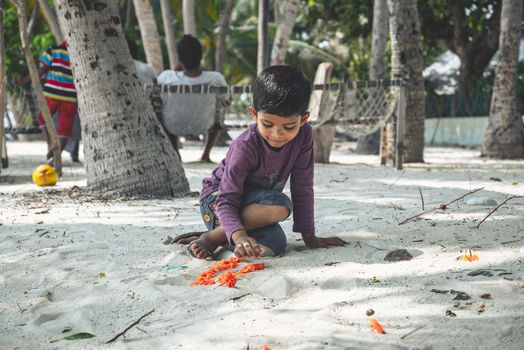
My absolute secret weapon for long waits is a small container of Kinetic Sand (a small 1lb bag is about $10-12). Yes, sand! But this isn't messy beach sand. Kinetic sand sticks to itself, making it incredibly easy to clean up. I pack a small, sturdy plastic container (like a Gladware snack container) and a few miniature cookie cutters or a tiny plastic shovel. Kids can sculpt, squish, and build to their heart's content, all within the confines of their tray table or a small mat. It’s incredibly tactile and calming, a perfect sensory activity for overstimulated kids. I've used this to great effect during a four-hour car ferry delay en route to Prince Edward Island, turning a potentially chaotic wait into a zen-like creative session.
Another low-profile, high-impact item is a pack of pipe cleaners and googly eyes. These are ridiculously cheap (a multi-pack is $5-8) and take up virtually no space. With just these two items, kids can create an entire menagerie of fantastical creatures, build miniature structures, or even fashion wearable art. The open-ended nature means endless possibilities. We once created an entire "pipe cleaner zoo" during a flight delay at Dallas/Fort Worth (DFW), populating our gate area with colorful, fuzzy animals. It’s a fantastic fine motor skill builder and sparks incredible creativity.
Finally, don't underestimate the power of origami paper. A small pack (around $5-10 for hundreds of sheets) and a simple instruction book (or just YouTube a few basic folds beforehand) can provide hours of quiet, focused activity. From simple paper planes to more complex animals, origami teaches patience, precision, and gives kids a tangible sense of accomplishment. The resulting creations can then become part of the Story Starter Dice game or be given as gifts to fellow travelers. It’s a quiet, engaging activity that can be done anywhere.
Tripsora Tip: Always pack a small, sealable bag for any "pocket playground" items to ensure easy cleanup and containment.
6. The "Parental Pivot": Mindset & Management
Ultimately, the success of any delay strategy hinges on the parents' mindset. Kids feed off our energy, and a calm, flexible parent can turn a potential disaster into a minor hiccup. This section isn't about what to pack, but how to approach the situation.
The first rule of "Parental Pivot" is Embrace the Unexpected. Delays are inevitable. Instead of fighting it, acknowledge it. "Looks like we have some extra time here! What an unexpected bonus!" This reframes the situation from a negative to a neutral, or even positive, one. Your tone sets the stage.
Next, master the art of the "Surprise Reveal." Don't unleash all your entertainment hacks at once. Keep them hidden. When boredom starts to creep in, or a new delay is announced, pull out a single new item with a flourish. "Aha! Just when we thought we had nothing left, I remembered our secret weapon: the Mystery Snack Box!" The novelty of a surprise reveal can buy you significant chunks of time and excitement.
Involve them in the "Problem-Solving." For older kids, you can say, "Okay, we've got a challenge: how do we make this extra hour fly by?" Let them brainstorm ideas. Sometimes, their own suggestions, even if they're simple, feel more empowering and engaging than anything you could impose. This gives them agency and helps them develop coping skills for unexpected situations.
Finally, Prioritize Connection over Perfection. It's not about flawlessly executing every activity or keeping them perfectly quiet. It's about being present, engaging with your kids, and creating shared moments. A silly game of "I Spy" or simply chatting about what they're looking forward to can be just as valuable as any elaborate activity. During that fateful O'Hare delay, after my initial panic, I sat down with my kids and we simply made up silly stories about the people walking by. No props, no plans, just us, connecting. It wasn't perfect, but it was real, and it calmed everyone down.
Tripsora Tip: Keep your own phone charged, but resist the urge to bury yourself in it. Your presence and engagement are your most powerful tools.
The Unwritten Chapter: Your Delay Story
Travel with kids is an unpredictable adventure, full of highs, lows, and those inevitable moments when plans go completely sideways. But with a little preparation and a willingness to think outside the mainstream box, those dreaded delays don't have to define your trip. They can become the unexpected chapters, the spontaneous detours, and the unique memories that you and your kids will talk about for years to come.
These pre-mainstream hacks aren't just about killing time; they're about cultivating resilience, sparking creativity, and strengthening family bonds. So, the next time that dreaded delay announcement rings out, take a deep breath, flash a knowing smile, and unleash your arsenal of secret weapons. You've got this.
What are YOUR go-to, non-mainstream delay hacks? I'm always on the lookout for new inspiration! Share your ingenious ideas in the comments below – let's build the ultimate community toolkit for stress-free family travel! And if you found these tips helpful, don't forget to share this post with your fellow travel-loving parents. Happy travels, and may your delays be filled with unexpected joy!
---
More pictures


Tags
Share this guide
We may earn a commission if you click a link and buy a product or service, at no extra cost to you. How affiliate links work.
Been there?