
You rarely need to pay roaming fees. Here are the best ways to get online abroad, and how to protect yourself.
Your options
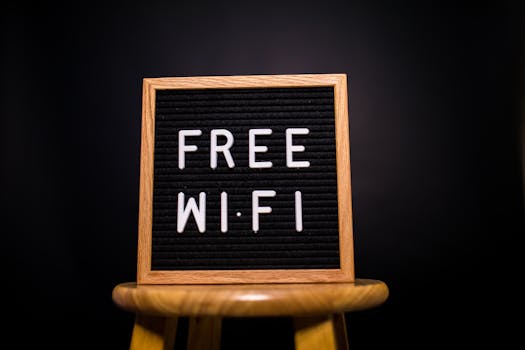
- Free Wi-Fi. Many hotels, cafés, airports and libraries offer it. Speeds and reliability vary.
- eSIMs. Digital SIMs let you buy a data plan for the country you visit, with no need to change your physical SIM. Check that your phone supports eSIM.
- Local SIM cards. Often cheap at airports or shops, but may require registration with a passport.
- Roaming plans. Check your provider's rates, as some include roaming in certain regions.
- Portable Wi-Fi devices. Useful for groups, and some can be rented.
Stay safe on public Wi-Fi
- Avoid logging into banking or sensitive accounts on open networks.
- Use a VPN if you must.
- Turn off automatic connection to open networks.
- Check the network name with staff to avoid fake hotspots.
- Keep software updated.
Before you go
Download offline maps, translation packs and boarding passes. Save emergency contacts offline.
Prices and plans change, so compare options before you buy.
More pictures



Tags
Share this guide
We may earn a commission if you click a link and buy a product or service, at no extra cost to you. How affiliate links work.
Been there?