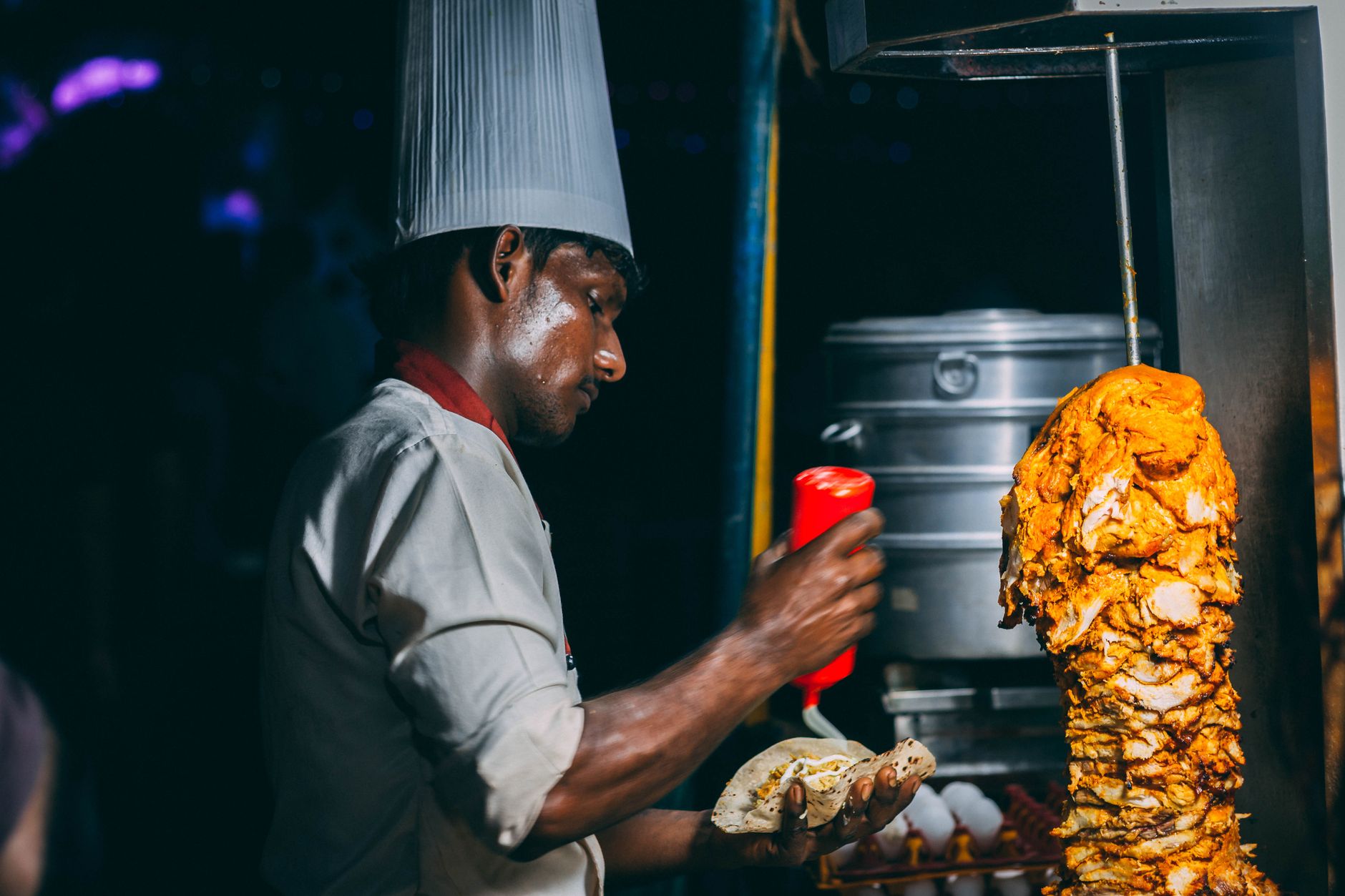
Forget overpriced tourist traps! This post unveils the secrets to experiencing truly authentic and delicious food around the world, all while sticking to a shoestring budget. Get ready for culinary adventures that will redefine your travel experiences.
Introduction: My Ramen Revelation in Tokyo
My first trip to Tokyo was a whirlwind of neon lights, bustling crowds, and…ramen. Not the fancy, Instagram-worthy bowls you see in tourist guides, but a steaming, flavorful bowl from a tiny, hole-in-the-wall shop tucked down a side street. It cost me a mere 500 yen (around $4 USD) – and it was the most incredible ramen I’ve ever tasted. That experience sparked a passion: discovering the local culinary scene on a budget. This isn't about surviving on instant noodles; it's about immersing yourself in the heart of a culture through its food, without emptying your wallet. This post is your guide to eating like a local for pennies – experiences you'll cherish long after your trip ends.
1. Embrace the Street Food Scene:
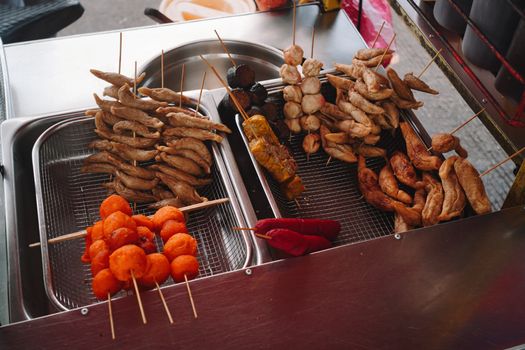
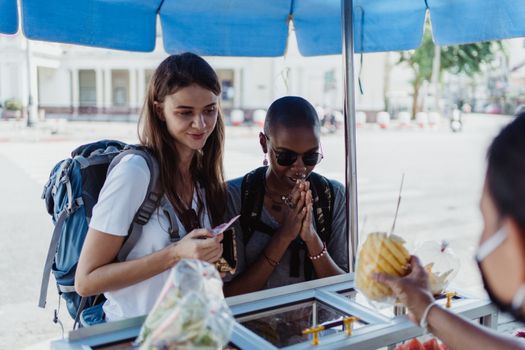
Street food is the undisputed king of budget-friendly, authentic cuisine. From the bustling night markets of Bangkok (where Pad Thai can cost as little as $1 USD) to the vibrant food stalls of Marrakech (try the delicious tagines for around $3-5 USD), street food offers a diverse and affordable taste of local life. Remember to look for places with long lines – that’s a sure sign of quality and popularity. Don't be afraid to try something new; you might discover your new favorite dish! In Oaxaca, Mexico, I once stumbled upon a street vendor selling tlayudas (large, crispy tortillas) for just $2 USD – a culinary masterpiece!
2. Master the Art of the Local Market:
Local markets are treasure troves of fresh, affordable produce, meats, and cheeses. Instead of eating out for every meal, buy ingredients from the market and prepare your own simple meals. This is a fantastic way to save money and experience the local culture through its ingredients. In Florence, Italy, I spent a morning at the Mercato Centrale, picking out fresh pasta, tomatoes, and basil for a delicious lunch that cost me less than $10 USD. The flavors were far superior to anything I found in a tourist restaurant.
3. Seek Out Local Eateries:
Avoid the restaurants with pictures of the food in the window – these are often geared towards tourists and charge inflated prices. Instead, venture off the main tourist drags and look for small, family-run restaurants where the locals eat. These places often have daily specials or set menus that are incredibly affordable and delicious. In Hanoi, Vietnam, I discovered a tiny Pho restaurant tucked away in a quiet alleyway. A steaming bowl of Pho, brimming with fresh herbs and tender beef, cost me only $2 USD – a far cry from the tourist-priced versions.
4. Utilize Apps and Online Resources:
Several apps and websites can help you find affordable and authentic food options. HappyCow (for vegetarians and vegans), TripAdvisor (check reviews carefully!), and even Google Maps can reveal hidden culinary gems. Look for reviews that mention "local favorite," "authentic," or "budget-friendly." Before my trip to Lisbon, I used an app to find a local Pastel de Nata bakery, where I enjoyed these delicious custard tarts for half the price of those in the tourist areas.
5. Embrace the Power of the "Menu del Dia":
In many Spanish-speaking countries, the "Menu del Dia" is a lifesaver for budget travelers. This set lunch menu usually includes a starter, main course, dessert, and drink for a remarkably low price (often under $10 USD). It's a fantastic way to sample a variety of local dishes and experience the rhythm of daily life. During my travels through Spain, I relied heavily on the Menu del Dia – it was consistently delicious and surprisingly filling.
6. Learn Basic Phrases:
Knowing a few basic phrases in the local language can go a long way. Even a simple "hello," "thank you," and "how much is this?" can show respect and help you connect with locals, potentially leading to better deals or recommendations. In a small village in rural Italy, my simple attempt at speaking Italian led the shopkeeper to give me a free sample of his homemade bread – a small gesture that made a big impact.
7. Be Adventurous (and Open-Minded!):
The most rewarding culinary experiences often come from stepping outside your comfort zone. Don't be afraid to try unfamiliar dishes or ingredients. You might discover a new favorite food! In Thailand, I initially hesitated to try the Durian fruit, known for its pungent smell. But after overcoming my apprehension, I found it surprisingly delicious – a unique and unforgettable taste.
Conclusion: Your Culinary Journey Awaits!
Eating like a local isn't just about saving money; it's about connecting with a culture on a deeper level. It's about discovering the hidden gems, the local flavors, and the stories behind the food. By embracing the tips above, you can embark on unforgettable culinary adventures without breaking the bank. So, pack your bags, grab your appetite, and get ready to experience the world – one delicious, budget-friendly meal at a time! Share your own local food discoveries in the comments below – let's inspire each other!
More pictures



Tags
Share this guide
We may earn a commission if you click a link and buy a product or service, at no extra cost to you. How affiliate links work.
Been there?