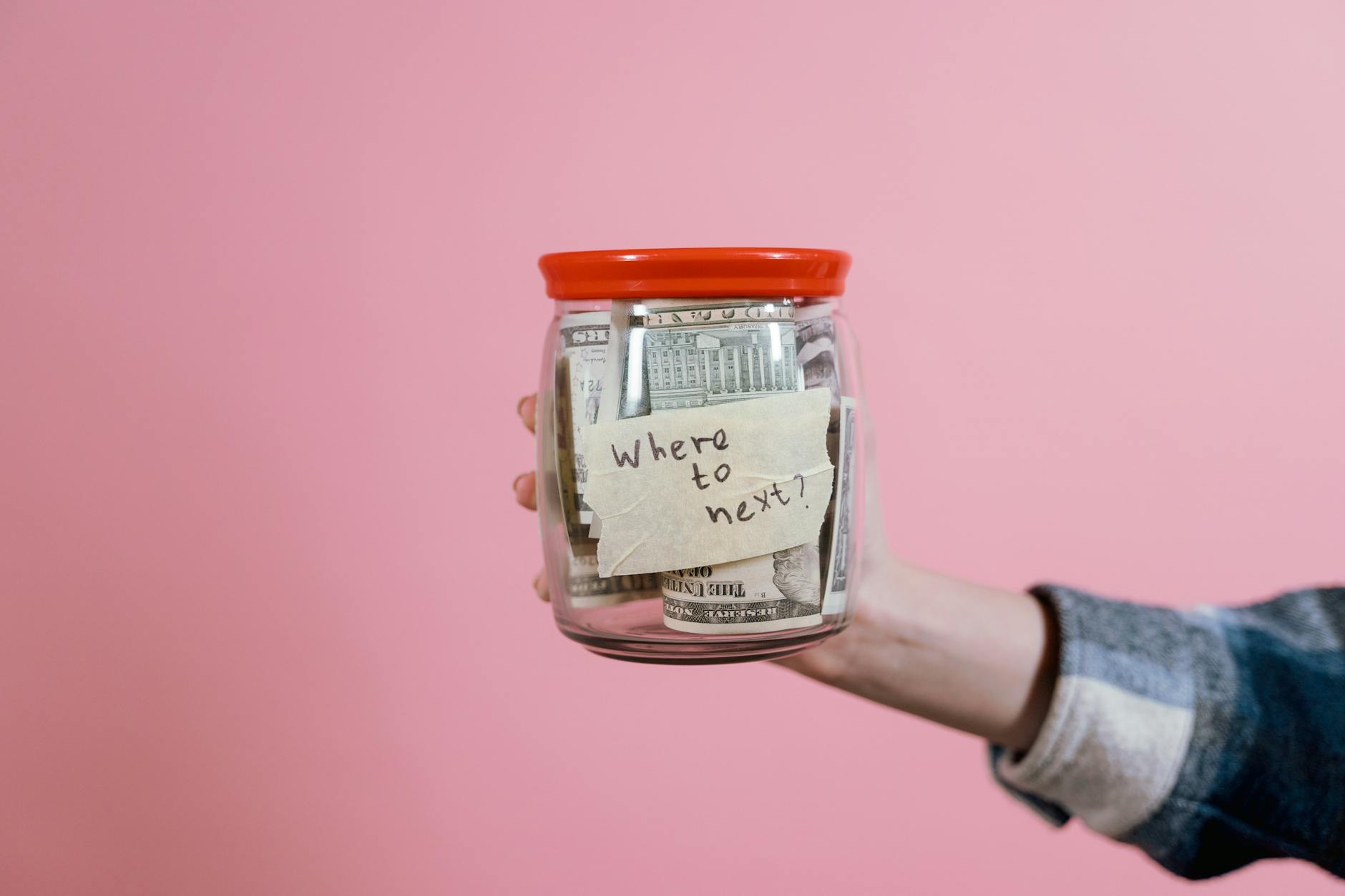
Ever wonder how some travelers seem to stay abroad forever without breaking the bank? It's not magic, it's savvy travel. We're pulling back the curtain on the incredible countries where $1000 can genuinely fund a month of adventure, experiences, and delicious food – secrets your favorite Instagram influencers might not want you to know. ---
The $1000 Challenge: Unmasking the World's Best Budget Destinations (Influencers Hate This!)
I still remember the pit in my stomach. It was my second month into my first "long-term" backpacking trip, somewhere in Western Europe, and my bank account was screaming. I was meticulously tracking every euro, but the numbers just weren't adding up. My grand vision of months exploring the world was about to be cut short, all because I believed the glossy travel magazines and the perfectly curated Instagram feeds that made travel look effortlessly luxurious. I was doing it wrong.
Then, a chance encounter with a seasoned backpacker in a hostel common room changed everything. He spoke of places where a dollar stretched further than I could imagine, where a delicious meal cost less than my morning coffee back home, and where a month’s rent was a fraction of what I was paying for a single night. He wasn't flaunting designer clothes or posing by infinity pools; he was just... living. And he was having the time of his life.
That conversation sparked a revelation: the world of budget travel wasn't about deprivation; it was about smart choices, cultural immersion, and unlocking incredible value. It was about finding those destinations where $1000 doesn't just get you a week, but a full, rich, unforgettable month. And trust me, these aren't the places you'll often see plastered across your favorite influencer's grid – because authentic, affordable travel doesn't always sell luxury brand collaborations.
Welcome, fellow wanderlusters, to the ultimate guide to stretching your travel dollars further than you ever thought possible. Get ready to bookmark, share, and start planning your next epic, month-long adventure.
The Myth of the "Broke Backpacker" (and Why Influencers Keep These Secrets)
Before we dive into the destinations, let's address the elephant in the room. Why aren't these places shouted from the rooftops by every travel personality on social media? Simple: the economics of influence. Many popular travel influencers are sponsored by luxury resorts, high-end travel brands, or destinations that cater to a more affluent crowd. Promoting a $5 hostel or a $1 street food meal doesn't align with their brand partnerships.
The narrative often pushed is that travel is expensive, aspirational, and best enjoyed with a hefty budget. This creates a psychological barrier, making many believe that long-term travel is only for the wealthy or the "truly broke" who endure hardship. But this is a false dichotomy. There's a sweet spot: destinations where you can live comfortably, eat incredibly well, experience rich culture, and embark on thrilling adventures, all while keeping your daily spend under $33.
These aren't just "cheap" places; they are vibrant, welcoming countries offering profound experiences. They are the secrets of slow travelers, digital nomads, and seasoned backpackers who value immersion over extravagance. And today, we're spilling the beans.
---
1. Vietnam: A Symphony of Street Food and Scenery
My Story: My first taste of Hanoi was a revelation. I remember sitting on a tiny plastic stool, a steaming bowl of pho bo in front of me, the sounds of motorbikes buzzing past, and the fragrant aroma of spices filling the air. That bowl of heaven cost me about $1.50. I spent the next month navigating chaotic streets, cruising through breathtaking karst landscapes, and discovering ancient towns, all while marveling at how little I was spending.
Why $1000 Lasts a Month: Vietnam is the quintessential budget traveler's paradise. Its infrastructure for backpackers is well-developed, prices are incredibly low, and the experiences are boundless.
- Accommodation: Expect to pay $5-10 for a clean hostel dorm bed, or $15-25 for a private guesthouse room with AC and a private bathroom. I often found charming homestays in Hoi An or rural areas for even less.
- Food: This is where Vietnam truly shines. Street food is king! Delicious pho, banh mi, bun cha, and fresh spring rolls can be had for $1-3 per meal. Even a sit-down meal at a local restaurant won't usually exceed $5-7. If you're savvy, you can easily eat for $10-15 a day.
- Transport: Local buses are incredibly cheap, covering long distances for $5-15. Renting a motorbike for local exploration costs around $5-8 per day. For epic journeys like the Ha Giang Loop, you can join a tour for a few hundred dollars, or rent a bike for a month and explore at your own pace.
- Activities: Entrance fees to temples or museums are usually a few dollars. A trip to Ha Long Bay (a must-do!) can be found for $50-100 for a 2-day, 1-night tour, including food and accommodation. Cooking classes, lantern-making workshops, and even tailor-made clothing are all surprisingly affordable.
Budget Breakdown Example (per day):
- Accommodation (hostel dorm): $8
- Food (street food + local restaurant): $12
- Transport (local bus/motorbike rental): $5
- Activities/Misc: $8
- Total: ~$33
Tripsora Tip: Embrace the street food culture! Not only is it delicious and authentic, but it's also incredibly cheap. Don't be afraid to try new things from vendors with long queues – it's a good sign! For longer stays, consider renting an apartment or room for a month, which can significantly reduce accommodation costs.
---
2. Cambodia: Temples, Tranquility, and Unbelievable Value
My Story: Waking up at 4 AM to catch the sunrise over Angkor Wat was a spiritual experience I'll never forget. But what truly surprised me was how easily I settled into life in Siem Reap. I found a guesthouse with a pool for $12 a night, befriended a tuk-tuk driver who became my local guide, and spent my afternoons exploring hidden temples and enjoying $3 curries. It felt like I was living a dream, but my wallet barely noticed.
Why $1000 Lasts a Month: Cambodia offers incredible historical and cultural depth without the hefty price tag. It's a country that truly rewards the slow traveler.
- Accommodation: Hostels are plentiful at $4-8 for a dorm, and private guesthouse rooms often come with a pool and AC for $10-20.
- Food: Local Khmer cuisine is delicious and inexpensive. Noodle soups, curries, and stir-fries can be found for $2-5 at local eateries. Even Western-style meals are affordable, usually $5-8.
- Transport: Tuk-tuks are the primary mode of transport in cities and for temple hopping. You can hire one for a full day around Angkor for $15-25. Long-distance buses are comfortable and cheap ($8-15 for inter-city travel).
- Activities: The iconic Angkor Wat pass is the main expense ($37 for 1 day, $62 for 3 days, $72 for 7 days). A 3-day pass allows for plenty of exploration. Beyond the temples, cooking classes, village tours, and even basic Khmer lessons are very affordable.
Budget Breakdown Example (per day):
- Accommodation (guesthouse private room): $15
- Food (local eateries): $10
- Transport (tuk-tuk/bus): $5
- Activities/Misc (factoring in Angkor pass spread out): $5
- Total: ~$35 (Easily lower if opting for dorms and only a 1-day Angkor pass)
Tripsora Tip: While the Angkor complex is phenomenal, don't miss out on exploring beyond. Visit Battambang for its charming colonial architecture and bamboo train, or relax on the southern islands like Koh Rong Samloem for a fraction of what you'd pay in Thailand. Always bargain respectfully for tuk-tuk rides!
---
3. Nepal: Himalayan Dreams on a Shoestring
My Story: The crisp mountain air, the sound of prayer flags fluttering, and the majestic Annapurna range towering above me – my trekking experience in Nepal was transformative. What surprised me most was how little it cost. My tea house stays, including simple but hearty meals, rarely exceeded $15 a day, even deep in the mountains. Back in Kathmandu, I found delicious momos for cents and a comfortable guesthouse for under $10.
Why $1000 Lasts a Month: Nepal is a spiritual and adventurous haven where your money goes an incredibly long way, especially if you embrace local living.
- Accommodation: Guesthouses and hostels in Kathmandu and Pokhara average $5-15 for a private room. During treks, tea houses offer basic rooms for $3-10, though they often expect you to eat your meals there.
- Food: Dal Bhat (lentil soup with rice and vegetables) is the staple and a budget traveler's best friend – often refillable and costing $2-5. Momos (dumplings), curries, and other local dishes are similarly priced. Eating local will keep your food budget around $10-15 a day.
- Transport: Local buses are the cheapest way to travel between cities ($5-10 for longer journeys). Taxis are affordable for shorter distances but always negotiate the fare beforehand.
- Activities: Trekking permits (TIMS card and national park fees) are the main expense, typically around $30-40 total for popular treks like Annapurna Base Camp or Langtang. Beyond trekking, visiting temples, stupas, and exploring ancient cities like Bhaktapur have minimal entrance fees (usually $5-15).
Budget Breakdown Example (per day):
- Accommodation (guesthouse/tea house): $10
- Food (dal bhat, local meals): $12
- Transport (local bus/walking): $4
- Activities/Misc (trekking fees spread out, temple entries): $7
- Total: ~$33
Tripsora Tip: If you're planning a trek, consider going independently or hiring a local porter/guide directly rather than through an expensive agency. This supports the local economy and saves you money. Embrace the simplicity of life in the mountains – it's part of the charm!
---
4. Georgia: Europe's Hidden Gem (Without the Euro Price Tag)
My Story: Stepping into Tbilisi felt like walking into a fairytale – ancient churches nestled beside modern architecture, sulfur baths steaming in the old town, and the scent of khachapuri (cheese bread) wafting through the air. I rented a charming apartment for a month on Airbnb for about $300, and spent my days sipping incredible local wine for a few dollars a glass, exploring monasteries, and feasting on hearty Georgian food. It felt like I was in Europe, but my budget thought I was in Southeast Asia.
Why $1000 Lasts a Month: Georgia is an incredible country that offers stunning mountain landscapes, ancient history, delicious cuisine, and world-class wine, all at incredibly affordable prices, making it a true European budget champion.
- Accommodation: Hostels in Tbilisi and Kutaisi are $8-15 for a dorm. Guesthouses and private rooms can be found for $15-30. If you're staying for a month, consider renting an Airbnb apartment for $250-400, which offers excellent value.
- Food: Georgian food is hearty, flavourful, and incredibly cheap. Khachapuri costs $2-5, a full meal at a local restaurant with wine can be $8-15. Groceries are also very affordable if you prefer to cook some meals. You can easily eat for $15-20 a day.
- Transport: Marshrutkas (minibuses) are the primary mode of inter-city transport and are incredibly cheap, usually $3-10 for longer journeys. Within cities, the metro and local buses are pennies. Bolt (like Uber) is widely available and very affordable for taxis.
- Activities: Many churches and cathedrals are free to enter. Entrance to museums or ancient cave cities like Uplistsikhe or Vardzia typically costs $3-8. A day trip to the wine region of Kakheti can be done for $30-60 (including transport and tastings) if you find a local tour or share a taxi.
Budget Breakdown Example (per day):
- Accommodation (Airbnb monthly rental divided): $12
- Food (local restaurants/cooking): $18
- Transport (marshrutkas/local transit): $5
- Activities/Misc: $8
- Total: ~$43 (Can be lower with hostels/more cooking, but even at $43, it's $1290 for a month, still very achievable with careful spending)
Tripsora Tip: Don't skip the wine! Georgia is the birthplace of wine, and you can find delicious, traditional wines for a steal. Learn a few basic Georgian phrases – the locals appreciate it immensely. For spectacular mountain views, head to Svaneti (Mestia) or Kazbegi.
---
5. Guatemala: Land of Eternal Spring and Epic Savings
My Story: I spent a month in Antigua, studying Spanish, hiking volcanoes, and kayaking on the mystical Lake Atitlán. My homestay, including three meals a day, cost me about $150 a week! That's less than $22 a day for food and accommodation. I'd spend my afternoons exploring the cobblestone streets, sipping local coffee, and buying vibrant textiles from market vendors. Guatemala felt incredibly rich in culture, yet so gentle on my budget.
Why $1000 Lasts a Month: Guatemala is a vibrant, culturally rich country in Central America that offers incredible value for money, especially for those seeking authentic experiences and natural beauty.
- Accommodation: Hostels are typically $8-15 for a dorm, and private rooms in guesthouses can be found for $15-25. Homestays are an excellent option, often including meals, for $150-250 per week.
- Food: Local food is delicious and incredibly cheap. A plate of comida típica (rice, beans, plantains, meat) can be $3-6. Street food like tacos or pupusas are $1-2. Markets offer fresh produce for pennies. Easily eat for $10-15 a day.
- Transport: "Chicken buses" (colorful, repurposed school buses) are the cheapest and most authentic way to get around ($1-5 for most routes). Colectivos (shared vans) are slightly more expensive but faster. Lanchas (boats) are used to navigate Lake Atitlán ($1-3 per ride).
- Activities: Hiking volcanoes (like Acatenango for an overnight trip, often $50-100 including guides/food), exploring Mayan ruins like Tikal ($20 entrance), and Spanish lessons are all affordable. Entrance fees to most sites are $5-15.
Budget Breakdown Example (per day):
- Accommodation (homestay with food): $22
- Transport (chicken buses/lanchas): $5
- Activities/Misc (volcano hike spread out, lessons): $6
- Total: ~$33 (Even lower if you opt for hostels and cook some meals)
Tripsora Tip: Learn some basic Spanish before you go – it will open up so many doors and make your interactions with locals even richer. Embrace the chicken buses for a truly local experience, but keep an eye on your belongings. Lake Atitlán is a must-visit, and consider staying in one of the smaller, quieter villages around the lake.
---
6. Bolivia: High Altitude, Low Prices, Unforgettable Adventures
My Story: The sheer scale of the Salar de Uyuni (Uyuni Salt Flats) was mind-blowing, but so was the fact that my 3-day, 2-night tour, including food and basic accommodation, cost me less than $150. In La Paz, I found cheap and delicious salteñas (savory pastries) for less than a dollar, and navigated the city's unique cable car system for cents. Bolivia might be high in altitude, but its prices are wonderfully low.
Why $1000 Lasts a Month: Bolivia is often overlooked, but it's one of South America's most affordable countries, offering dramatic landscapes, indigenous culture, and unique adventures.
- Accommodation: Hostels in cities like La Paz, Sucre, or Santa Cruz are $5-12 for a dorm, and private rooms can be found for $15-25.
- Food: Local markets and street food stalls are your best friends. Salteñas, empanadas, and hearty stews cost $1-4. Even a sit-down meal at a local comedor (eatery) won't usually exceed $5-8. You can easily eat for $10-15 a day.
- Transport: Long-distance buses are the most common and cheapest way to travel between cities ($5-15 for a long journey). Within cities, micros (small buses) and trufis (shared taxis) are very cheap, usually under $1. La Paz's teleférico (cable car) is also an incredibly affordable and scenic way to get around.
- Activities: The iconic Salar de Uyuni tour is the biggest expense, but at $100-150 for 3 days, it's incredible value. Other activities like exploring the Witches' Market in La Paz, visiting colonial Sucre, or even mountain biking the "Death Road" (often $50-80 for a day trip) are very budget-friendly. Most museum entries are a few dollars.
Budget Breakdown Example (per day):
- Accommodation (hostel dorm): $10
- Food (street food/local meals): $12
- Transport (local buses/teleférico): $5
- Activities/Misc (Uyuni tour spread out, other entries): $6
- Total: ~$33
Tripsora Tip: Acclimatize to the altitude, especially in La Paz, by taking it easy for the first few days. Drink plenty of coca tea! Bolivia is a photographer's dream, from the salt flats to the colorful markets – always ask permission before taking photos of people.
---
Your $1000 Adventure Awaits – Ditch the Scroll, Embrace the World
There you have it. Six incredible countries where $1000 can truly fund a month of unforgettable travel. These aren't just budget destinations; they are rich tapestries of culture, history, adventure, and culinary delights, waiting to be explored by those willing to look beyond the polished facade of mainstream travel.
The truth is, you don't need to be a millionaire to travel the world. You just need to be smart, open-minded, and willing to embrace the authentic, local experience. These destinations prove that long-term travel is not only possible but also incredibly rewarding, often leading to deeper connections and more meaningful memories than any luxury resort ever could.
So, stop scrolling through those aspirational feeds that make you feel like your travel dreams are out of reach. Start planning. Start saving. And get ready to embark on an adventure that will redefine what "travel" means to you.
Which of these incredible destinations will you choose for your next month-long adventure? Share your budget travel dreams in the comments below! Pin this post, share it with your travel tribe, and let's inspire real, authentic, and affordable adventures around the globe!
---
More pictures



Tags
Share this guide
We may earn a commission if you click a link and buy a product or service, at no extra cost to you. How affiliate links work.
Been there?