
Tired of overpriced tourist traps and curated influencer meals? We're diving deep into the delicious, budget-friendly world of truly local food that will transform your travels. Get ready to eat like a king (or queen) for pennies, uncovering culinary secrets the 'grammers don't want you to know. ---
Eat Like a Local for Pennies: The Delicious Secrets Instagram Influencers Don’t Want You to Know
There I was, standing on a bustling street corner in Ho Chi Minh City, sweat dripping down my back, clutching a plastic stool that felt suspiciously wobbly. In front of me, a tiny, unassuming stall, just a few pots simmering over open flames, no fancy signage, no perfectly plated dishes. Just a handful of locals slurping noodles with a contented hum. My gut, still reeling from a tourist-trap "authentic pho" that cost me more than a full day's budget and tasted like dishwater, told me this was it. This was the real deal.
I pointed hesitantly at a bowl being served, a woman with a kind smile nodded, and a few moments later, I had it: a steaming bowl of bún riêu cua (crab noodle soup) that exploded with flavor. Rich, tangy, savory, with a perfect balance of textures. It cost me 30,000 VND – about $1.30 USD. My eyes widened. My taste buds sang. My wallet breathed a sigh of relief. And in that moment, I knew: this was how travel food was meant to be. This was the secret.
You see, while Instagram influencers are busy posing with avocado toast in chic cafes or showcasing Michelin-starred tasting menus, they're often missing out on the true heart of a destination's culinary scene. And frankly, they don’t want you to know how easy it is to eat like royalty for next to nothing, because it doesn't fit their curated, often sponsored, aesthetic. But I’m here to spill the beans (and the broth, and the noodles). Forget the fancy filters and overpriced hype. Let’s talk about how to truly eat like a local for pennies, and have an experience infinitely richer than any perfectly staged flat lay.
1. The Whispers of the Locals: Your Culinary Compass
Think of locals as your personal, highly-qualified food critics. They know the hidden gems, the family-run spots, the places that have been serving up deliciousness for generations. But you have to know how to ask, and more importantly, how to observe.
Actionable Advice:
- Ask Smart: Don't just ask "Where's a good restaurant?" That often gets you pointed to tourist traps. Instead, ask, "Where do you eat lunch/dinner with your family?" or "Where can I find the best [specific local dish] that locals love?" If you're staying in a guesthouse or Airbnb, ask your host. If you take a taxi or tuk-tuk, ask the driver. Shopkeepers, baristas – anyone who lives and works in the area is a potential goldmine.
- Personal Anecdote: In Rome, I asked the owner of a small artisan leather shop where he went for a quick, authentic pasta lunch. He pointed me to a tiny, unmarked doorway just around the corner. Inside, a bustling, no-frills trattoria packed with locals. No English menu, just handwritten specials. I had the most incredible cacio e pepe for €8 that tasted like a nonna made it just for me. It was glorious.
- Observe Like a Hawk: This is your most powerful tool.
- Look for Lines (of Locals): A long queue, especially one filled with locals, is almost always a sign of exceptional, affordable food. Don't be intimidated; join the line!
- Spot the Unassuming: The best places are often the ones you might walk right past. No fancy decor, plastic chairs, maybe a bit noisy. These are usually the places focusing purely on incredible food at great prices.
- Follow Your Nose: Seriously. If you catch a whiff of something amazing, follow it. Your nose knows best.
- Check Out the Menus (or Lack Thereof): If there’s no English menu, or just a few items, it’s a good sign they specialize in a few things they do exceptionally well. Google Translate's camera function is your best friend here!
2. The Mighty Street Food Scene: Your Wallet's Gastronomic Paradise
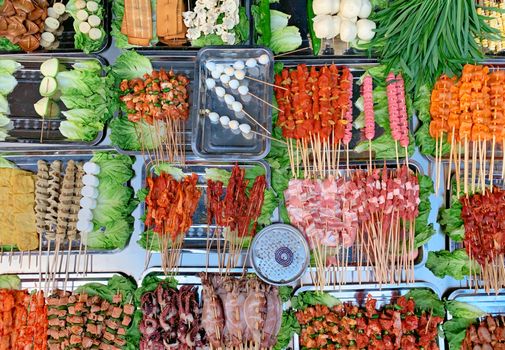
If there’s one universal truth to eating well and cheaply while traveling, it’s this: Embrace street food. From sizzling skewers in Southeast Asia to savory empanadas in South America, street food is the vibrant, beating heart of local cuisine. It’s fresh, fast, flavorful, and incredibly affordable.
Actionable Advice:
- Safety First (Mostly): While street food can seem daunting to the uninitiated, it’s generally safe if you follow a few rules:
- Look for High Turnover: Stalls with a constant flow of customers mean food isn't sitting around.
- Watch Them Cook: Can you see your food being prepared fresh? Good sign.
- Heat is Your Friend: Opt for hot, cooked food. Avoid anything that looks like it’s been sitting out for hours in the sun.
- Trust Your Gut (Literally): If a place looks dirty or smells off, move on. There are always more options.
- Dive Deep into Local Delights:
- Tacos in Mexico City: Forget the chain restaurants. Head to a taqueria on the street. For 15-20 pesos (less than $1 USD) a pop, you can feast on tacos al pastor, suadero, or carnitas. My personal favorite is finding a stand with a giant trompo (vertical spit) of al pastor meat, shaved right onto a fresh tortilla. Add some salsa verde and a squeeze of lime, and you’re in heaven. I once had 5 incredible tacos, a horchata, and still had change from $5.
- Pho in Vietnam: As my Ho Chi Minh story illustrates, the best pho is often found at humble street stalls. A giant bowl of fragrant broth, tender meat, fresh herbs, and noodles will set you back a mere $1.50-$3.
- Satay in Malaysia/Indonesia: Skewers of marinated meat grilled over charcoal, served with a rich peanut sauce. Often sold by hawkers in night markets. You can get a dozen for a few dollars.
- Currywurst in Berlin: A quick, cheap, and surprisingly delicious German street food staple – sliced sausage smothered in curried ketchup. Perfect for a chilly day, and costs around €3-4.
- Seek Out Night Markets: These are culinary playgrounds! They burst to life after dark, offering an incredible array of local dishes, snacks, and drinks at unbeatable prices. They’re also a fantastic cultural experience, often with live music and bustling energy.
- Personal Anecdote: In Chiang Mai, Thailand, the Sunday Night Market transformed the city center into a food wonderland. I spent hours hopping from stall to stall, trying Khao Soi (Northern Thai curry noodles), mango sticky rice, grilled skewers, and fresh fruit smoothies – all for less than $10 total. It was a feast for the senses and unbelievably cheap.
3. Market Magic: A Feast for the Senses (and the Stomach)
Food markets are not just for buying groceries; they are living, breathing culinary museums. Beyond fresh produce, you’ll often find dedicated sections for prepared foods, allowing you to sample a huge variety of local delicacies.
Actionable Advice:
- Eat Your Way Through the Stalls: Many markets have food stalls or counters where vendors prepare fresh meals right in front of you. This is an excellent way to try authentic dishes at local prices.
- Example: In Kyoto, Japan, Nishiki Market is famous for its incredible array of food. While some spots cater to tourists, you can still find delicious, affordable bites like takoyaki (octopus balls), tamagoyaki (rolled omelet), and various pickles and sweets. A skewer of grilled fish or a small bowl of noodles can be had for a few hundred yen.
- Example: In Barcelona, while La Boqueria can be a bit touristy, head to the lesser-known Mercat de Sant Antoni. Here, you’ll find more local vendors selling tapas, freshly squeezed juices, and delicious sandwiches at a fraction of the price.
- Buy Ingredients for a DIY Meal: If your accommodation has a kitchen (or even just a microwave), hit up a local market or supermarket. Grab fresh bread, local cheeses, cured meats, fruits, and vegetables.
- Personal Anecdote: In Paris, instead of spending €20+ on a mediocre restaurant lunch, I’d pop into a local boulangerie for a fresh baguette (€1.20), a cheese shop for some local Comté (€3), and a market for a ripe tomato and some jambon cru (€2). A picnic by the Seine or in a park was not only delicious and cheap but also incredibly romantic and authentic. Total cost: less than €7 for a gourmet lunch!
- Sample Everything (Responsibly): Many vendors offer samples. Take advantage! It’s a great way to try new things without committing to a full portion. Just be polite and don't overdo it if you're not planning to buy.
4. The Lunchtime Lure: When Fine Dining Goes Frugal
Want to experience a nicer restaurant without the hefty dinner price tag? Lunch is your secret weapon, especially in Europe and parts of Latin America. Many restaurants offer special lunch menus that are significantly cheaper than their dinner counterparts.
Actionable Advice:
- Look for "Menu del Día" or "Pranzo di Lavoro":
- Spain/Latin America: The "Menu del Día" (menu of the day) is a sacred institution. For a fixed price (often €10-€15 in Spain), you get 2-3 courses, bread, and often a drink (wine or water). It’s designed for local workers and offers incredible value.
- Italy: Look for "Pranzo di Lavoro" (worker's lunch) or "Menu Fisso." Similar concept, offering simplified, often heartier, versions of their dinner menu at a much lower cost.
- France: "Formule Midi" or "Menu du Jour" offers similar deals, typically a starter + main, or main + dessert, for a set price.
- Check Restaurant Windows: These specials are usually advertised on chalkboards or printed signs outside the restaurant. If you don't see one, don't be afraid to ask!
- Personal Anecdote: During a trip to Lisbon, Portugal, I stumbled upon a small, unassuming restaurant near my Airbnb. The chalkboard outside advertised a "Prato do Dia" (Dish of the Day) for €7. It included a generous portion of grilled fish with potatoes and salad, a glass of vinho verde, and a small dessert. The quality was outstanding, the service warm, and the experience felt truly local. I went back three times!
5. Supermarket Savvy & Picnic Perfection: DIY Delights
Sometimes, the best meal is one you assemble yourself. Supermarkets, especially local ones, are treasure troves of affordable, delicious food. They offer a window into local eating habits and are perfect for stocking up on snacks, picnic supplies, or ingredients for a simple meal.
Actionable Advice:
- Explore Local Grocery Stores: Forget the big chains. Seek out smaller, independent grocery stores or delis. They often have better prices and a more authentic selection.
- Example: In Italy, a local alimentari (deli) is perfect for fresh pasta, incredible cured meats, cheeses, and olives. Grab some crusty bread, a bottle of local wine, and you have a feast.
- Embrace the Picnic: Find a beautiful park, a scenic viewpoint, or a quiet square. Lay out your supermarket finds and enjoy a meal with a view. It’s relaxing, budget-friendly, and often more memorable than a restaurant.
- Personal Anecdote: I spent an afternoon in Vienna, Austria, with a baguette, some local cheese, fresh cherries, and a bottle of sparkling water, picnicking in the gardens of Schönbrunn Palace. It cost me less than €10 and was one of the most serene and enjoyable meals of my trip. The palace views were a bonus!
- Stock Up on Snacks: Don’t underestimate the power of local snacks. They can tide you over between meals and often cost next to nothing. Think local biscuits, fruit, nuts, or savory pastries.
6. Ditch the 'Grammable: Authenticity Over Aesthetics
This is the core secret that influencers often overlook. The most authentic, delicious, and affordable food rarely comes in a perfectly lit, minimalist setting with a designer latte art. It comes from the heart, often in humble surroundings.
Actionable Advice:
- Prioritize Taste Over Presentation: Don't be swayed by perfectly curated Instagram feeds. A dish that looks "ugly" might be the most delicious thing you eat all trip. The best mole in Oaxaca might come from a small, family-run kitchen with mismatched chairs. The best ramen in Tokyo might be in a cramped counter-only joint.
- Seek Out the "Hole-in-the-Wall": These are often the places with the most character, the most history, and the most fiercely loyal local following. They survive on repeat business and word-of-mouth, not flashy marketing.
- Embrace the Experience: Eating like a local is about more than just the food; it's about the atmosphere, the sounds, the smells, and the connection to the culture. The plastic stools, the bustling crowds, the shared tables – these are all part of the authentic journey.
- Personal Anecdote: I once ate at a tiny, crowded izakaya in Tokyo, where the chef barely spoke English, and the menu was entirely in Japanese. I pointed to a few items, and what arrived was a series of small, incredibly flavorful dishes – perfectly grilled skewers, fresh sashimi, and a surprisingly delicious potato salad. It wasn't "Instagrammable" in the traditional sense, but the warmth of the place, the genuine smiles, and the incredible food made it an unforgettable meal that cost me less than ¥2,000 (about $15 USD). It was a million times better than any trendy, overpriced "fusion" restaurant.
The Real Flavor of Travel
Eating like a local for pennies isn't just about saving money (though that's a huge bonus!). It's about diving deeper into a culture, connecting with its people, and experiencing a destination through its most fundamental and delicious lens. It’s about discovering the true essence of a place, one flavorful, affordable bite at a time. It’s about creating memories that taste better than any perfectly filtered photo could ever convey.
So, next time you travel, ditch the influencer-approved hotspots. Ask a local, follow your nose, and embrace the humble, authentic, and utterly delicious world of budget-friendly eats. Your taste buds, your wallet, and your soul will thank you.
What's your favorite hidden gem for local, cheap eats? Share your stories and tips in the comments below! Tag @Tripsora and #EatLikeALocal for a chance to be featured on our social media!
---
More pictures




Tags
Share this guide
We may earn a commission if you click a link and buy a product or service, at no extra cost to you. How affiliate links work.
Been there?