
Forget the perfectly curated feeds; this autumn, we're diving headfirst into the real, messy, and utterly unforgettable world of authentic harvests. Discover the hands-on farm experiences that offer genuine connection, delicious rewards, and stories far richer than any filtered selfie.
Remember that time you saw a picture-perfect apple orchard on Instagram? You know the one: golden hour glow, effortlessly chic outfit, a single, perfectly ripe apple held just so. Inspired, I once dragged myself (and a very patient friend) two hours out of the city, only to find a crowded, overpriced 'farm' where the apples were clearly just props for photoshoots, and the 'authentic experience' involved waiting in line for a pre-picked basket. My boots remained spotless, my soul remained unstirred, and my camera roll was... well, let's just say it looked suspiciously like everyone else's.
It was a stark reminder that sometimes, the most beautiful experiences aren't the ones trending on your feed. They're the ones you stumble upon, the ones where you get a little dirty, where the air smells of earth and effort, and where the 'likes' come from the genuine smile on your face, not a perfectly angled shot. This autumn, I'm inviting you to step off the curated path and into the heart of the harvest. We're talking about the real deal – the sticky, the muddy, the utterly delicious autumn harvests that Instagram influencers might not want you to know about, because, frankly, they require a bit more than a pretty filter. These are the experiences that fill your baskets, your belly, and your soul, leaving you with memories far richer than any viral post. Ready to get your hands dirty?
The Apple of My Eye (Beyond the Orchard Selfie)
Apple picking is a quintessential autumn activity, but it’s easy to fall into the trap of the commercialized "orchard experience." To truly connect with the apple harvest, you need to seek out places that celebrate heritage varieties, local cider presses, and the simple joy of a crisp, fresh-from-the-tree bite.
My most memorable apple experience wasn't at a sprawling, manicured orchard, but at a small, family-run farm in Upstate New York. I arrived early on a misty Saturday morning, the air thick with the scent of damp earth and ripening fruit. Instead of rows of identical Gala or Fuji, I found gnarled trees heavy with obscure varieties like Esopus Spitzenburg and Northern Spy. The farmer, a weathered man named Hank, showed me how to pick without bruising, sharing stories of his grandfather who planted some of the very trees we were harvesting from. Later, I watched as locals brought their own apples to a community press, turning bushels into gallons of cloudy, sweet cider – a flavor so vibrant it tasted like autumn itself. My hands were sticky, my basket overflowing, and my heart was full.
Where to Find It:
- Upstate New York (Finger Lakes Region): Look for smaller "U-pick" farms that might also have an on-site cider press or partner with local community presses. Often, these are advertised on local town boards or small farm signs. Expect to pay around $20-30 for a peck or bushel.
- Normandy, France: Beyond wine, Normandy is famous for its cider apples. Seek out "Cidreries Artisanales" (craft cideries) near towns like Honfleur or Bayeux. Many offer tours during harvest season (late September to October) where you can learn about traditional apple harvesting for cider and Calvados.
- Pacific Northwest (Oregon/Washington): The Hood River Fruit Loop in Oregon is fantastic, boasting diverse apple varieties, pears, and more. While some places are larger, many small family farms focus on unique heirloom apples.
Tips for a True Apple Experience:
- Ask about heritage varieties and what they're best for (eating, baking, cider).
- Look for farms that also press their own cider – the fresh stuff is incomparable.
- Go early on a weekday to avoid crowds and have a more serene experience.
Grape Expectations (Stomping, Not Posing)
The grape harvest, or vendemmia, is an intoxicating experience that goes far beyond a wine tasting. It's about getting sticky, stained, and utterly immersed in the ancient art of winemaking. While influencers might show you sipping rosé on a Tuscan terrace, I’m talking about getting your feet (and hands!) purple.
My first time participating in a grape harvest was at a tiny, organic vineyard in Oregon's Willamette Valley. The morning dew still clung to the leaves as we joined a small crew, clippers in hand, carefully selecting ripe clusters of Pinot Noir. The sun warmed my back, the air hummed with quiet chatter, and the scent of crushed grapes was everywhere. Later, at a rustic barn, we literally stomped grapes in a wooden vat – a surprisingly cathartic and joyful experience that ended in laughter and purple-stained feet. The simple meal shared afterwards, paired with the vineyard's own wine, tasted like pure triumph.
Where to Find It:
- Sonoma County, California: While Napa can be glitzy, Sonoma offers more opportunities for hands-on experiences. Look for "harvest parties" or "volunteer grape picking" events at smaller, family-run wineries like Preston Farm and Winery (Healdsburg) or Benziger Family Winery (Glen Ellen). Prices for these experiences can range from $50-150.
- Chianti, Italy: Agriturismo stays are your best bet here. Many authentic farm stays in Tuscany, particularly around Greve in Chianti, offer guests the chance to participate in the grape and olive harvests, often culminating in a communal meal.
- Douro Valley, Portugal: The stunning Quintas (wine estates) along the Douro River, such as Quinta do Vallado or Quinta da Roêda, are renowned for traditional grape treading in stone lagares during harvest season (September-October). Some offer multi-day packages including accommodation and meals, starting from €150-300 per night.
Tips for a True Grape Experience:
- Book well in advance, as these experiences are highly seasonal and popular.
- Wear old clothes and shoes you don't mind getting stained.
- Engage with the winemakers – their passion is infectious!
The Great Pumpkin (More Than Just a Patch)
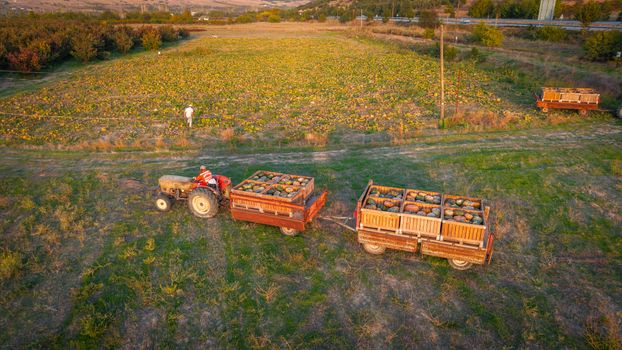
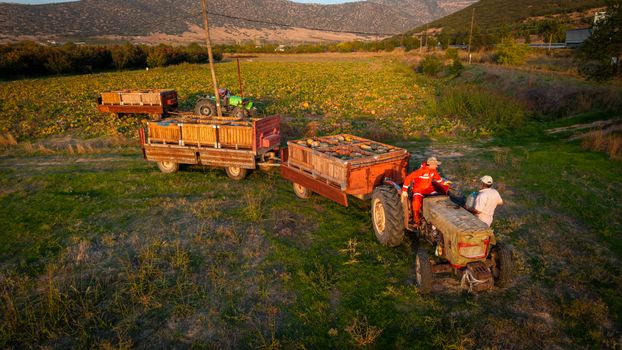
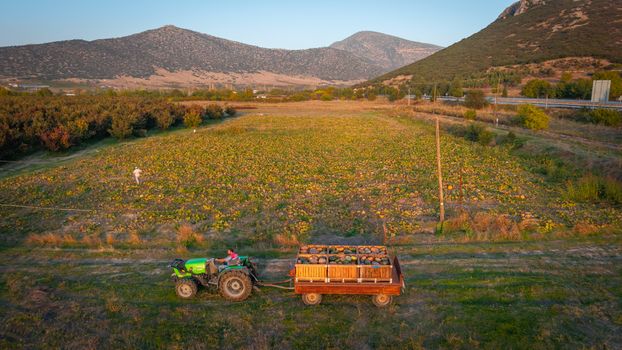
Sure, a pumpkin patch makes for a cute photo op, but the real magic of the autumn squash harvest lies in discovering the incredible diversity of gourds and transforming them into delicious meals. This isn't just about finding the perfect carving pumpkin; it’s about culinary adventure.
I remember one crisp October day in rural Illinois, venturing beyond the typical pumpkin patch. I found a farm that specialized in heirloom squash – a kaleidoscope of shapes, sizes, and colors I'd never seen before. There were warty Jarrahdales, elegant Delicatas, and massive Cinderella pumpkins. I spent hours wandering, picking out peculiar beauties, my arms aching from carrying them. Back home, I roasted a sweet dumpling squash with maple syrup, baked a pie from a specific sugar pumpkin, and made a hearty soup from a Hubbard. It was a feast born from curiosity and a willingness to explore beyond the familiar.
Where to Find It:
- Midwest USA (Illinois, Ohio, Michigan): This region is a pumpkin paradise. While large festivals exist, search for smaller, local farms like Jonamac Orchard (Malta, IL) which offer diverse pumpkin varieties, corn mazes, and often other fall produce. Prices are typically per pound, around $0.50-$1.00/lb.
- United Kingdom: Many "Pick Your Own" (PYO) farms across the UK, especially in agricultural counties like Kent or Suffolk, offer a wide range of squash and pumpkins. Look for local farm shops that host specific autumn harvest events.
Tips for a True Pumpkin Experience:
- Look for farms that grow a wide variety of pumpkins and squash, not just standard carving pumpkins.
- Ask farmers for cooking tips or recipe suggestions for less common varieties.
- Don't be afraid of "ugly" squash – they often have the most flavor!
Cranberry Craze (Wade into the Red Sea)
This is one of the most visually stunning and uniquely hands-on autumn harvests you can experience. Forget the perfectly staged outfits; here, you'll be donning waders and stepping directly into a vibrant red bog.
My first cranberry bog experience in Massachusetts was surreal. Donning chest waders, I slowly stepped into the shallow, chilly water, surrounded by millions of floating, crimson berries. The air was crisp, the sky a brilliant blue, and the sheer volume of red was breathtaking. I learned how the bogs are flooded, how the berries are "wet harvested" by water reels, and even got to help push some of the floating berries towards the collection area. It was cold, a little muddy, but utterly exhilarating and unlike any other harvest I'd ever witnessed. The fresh cranberries I took home tasted like pure autumn.
Where to Find It:
- Massachusetts (Cape Cod Area): A.D. Makepeace Company (Wareham, MA) is one of the largest growers and often offers public tours and sometimes "wade-in" experiences during their harvest festivals (late September to October). Prices for tours can range from $15-50.
- Wisconsin: The Wisconsin Rapids area is another major cranberry hub. Check out the Cranberry Discovery Center (Warren, WI) for listings of local harvest tours and events.
- British Columbia, Canada: The Fort Langley Cranberry Festival (Langley, BC) is a huge annual event. Some smaller farms in the Fraser Valley might offer more intimate, hands-on experiences.
Tips for a True Cranberry Experience:
- These events are highly seasonal and weather-dependent; book far in advance.
- Wear waterproof waders (often provided or rented) and dress in layers, as the water can be chilly.
- Be prepared to get wet and have an unforgettable sensory experience.
Olive You So Much (Mediterranean Gold)
For a taste of the Mediterranean, immerse yourself in the olive harvest. This late autumn activity (usually late October to November) is a journey into ancient traditions and the creation of liquid gold – fresh, vibrant olive oil.
I spent a week on an agriturismo in Tuscany during the olive harvest, and it was pure magic. Each morning, armed with nets and small rakes, we'd head to the groves. The work was meditative: gently raking the olives from the branches onto the nets spread below, the air filled with the rustle of leaves and the gentle thud of falling fruit. The highlight was visiting the local frantoio (olive mill), watching the olives transform into a stream of emerald-green oil. Tasting that first, peppery, fresh-pressed oil drizzled over crusty bread was an experience that forever changed my perception of olive oil.
Where to Find It:
- Tuscany, Italy: Many agriturismos (farm stays) offer olive picking experiences, often culminating in a visit to a local mill and a tasting. Look for smaller, family-run places near towns like Greve in Chianti or Siena. Prices for experiences can be €50-150 depending on duration and inclusions.
- Andalusia, Spain: Jaén province is known as the "World Capital of Olive Oil." Seek out "oleoturismo" (olive oil tourism) experiences at smaller family groves. Many offer half-day picking and pressing tours.
- Crete, Greece: The island boasts ancient olive groves. Many boutique hotels and rural guesthouses can arrange olive picking experiences with local farmers.
Tips for a True Olive Experience:
- Combine your harvest experience with an agriturismo stay for a deeper immersion.
- The harvest usually takes place late October through November, so plan accordingly.
- Don't just pick; learn about the different olive varieties and their oil characteristics.
Forage for Fall Flavors (Nutty Adventures)
For a truly wild and rustic autumn harvest, consider foraging for nuts. Chestnuts, walnuts, and hazelnuts dot the forest floor in many regions, offering a satisfying treasure hunt and the reward of truly wild, unprocessed flavors.
One blustery autumn afternoon in the Appalachian Mountains, a local friend took me on a chestnut foraging expedition. We tramped through fallen leaves, our eyes peeled for the spiky burs that held the precious nuts. The thrill of finding a cluster, carefully extracting the smooth, dark chestnuts, was akin to finding hidden gold. Later, roasted over an open fire, their sweet, earthy flavor was a perfect antidote to the chilly air. It was a simple, primal pleasure that connected me deeply to the rhythms of the forest.
Where to Find It:
- Appalachian Mountains, USA: Search for local foraging groups or guides in areas like Western North Carolina or Eastern Tennessee for chestnuts, walnuts, and hickory nuts. Local farmers' markets can also be a good source for workshops or guided tours.
- Dordogne, France: This region is famous for its walnuts and chestnuts. Many rural gîtes or B&Bs can offer advice or even guided foraging tours. Mid-October is prime time for walnuts.
- Black Forest, Germany: Chestnuts (Maronen) are a beloved autumn treat here. Look for marked hiking trails or ask locals for the best foraging spots.
Tips for a True Nut Foraging Experience:
- Always be 100% sure of what you're picking. When in doubt, leave it out. Consider going with a local expert or guide.
- Wear sturdy shoes, long pants, and gloves (especially for spiky chestnut burs).
- Respect private property and local foraging regulations.
Practical Tips for the Authentic Harvest Seeker:
To ensure your autumn harvest adventure is genuinely unforgettable, here’s some actionable advice:
- Do Your Homework: These aren't always daily operations. Call ahead, check farm websites, or consult local tourism boards for specific harvest dates, availability, and booking requirements.
- Go Local: Bypass the big, commercialized operations. Look for smaller, family-run farms, community initiatives, or agriturismos. Local tourism offices, farmers' markets, and even local Facebook groups are excellent resources.
- Dress the Part: Expect dirt, mud, sticky juice, and potentially brambles. Wear sturdy, closed-toe shoes (waterproof if possible), layers, and clothes you don't mind getting stained. Gloves are a good idea for some harvests.
- Embrace the Imperfect: A wonky apple, a muddy boot, a smudged face – these are the hallmarks of a real experience, not a flaw. Let go of the need for perfection.
- Ask Questions: Engage with the farmers and workers! They are often incredibly passionate about their work and happy to share their knowledge and stories.
- Respect the Land: Follow all farm rules. Don't waste produce. Leave no trace and be mindful of the environment.
- Capture Authentically: Take photos of the process, the effort, the genuine smiles, the bounty. Share the story, not just the filtered aesthetic. Show the dirt!
Conclusion: Embrace the Real, Not the Reel
So, there you have it. A world of autumn experiences far richer and more rewarding than anything you'll scroll past on your feed. These aren't just activities; they're connections – to the land, to the seasons, to the food on your plate, and to the communities that bring it all to life.
This autumn, challenge yourself to step away from the perfectly posed and embrace the perfectly imperfect. Get your hands dirty, breathe in the crisp, harvest-scented air, and taste the fruits of your labor. You'll not only gather a basket full of delicious produce but also a heart full of genuine memories and stories that truly deserve to be shared.
Ready to ditch the filters and embrace the dirt? What authentic autumn harvest are you planning to dive into first? Share your plans and tips in the comments below! Let's build a community of real travelers seeking real experiences.
---
More pictures
Tags
Share this guide
We may earn a commission if you click a link and buy a product or service, at no extra cost to you. How affiliate links work.
Been there?