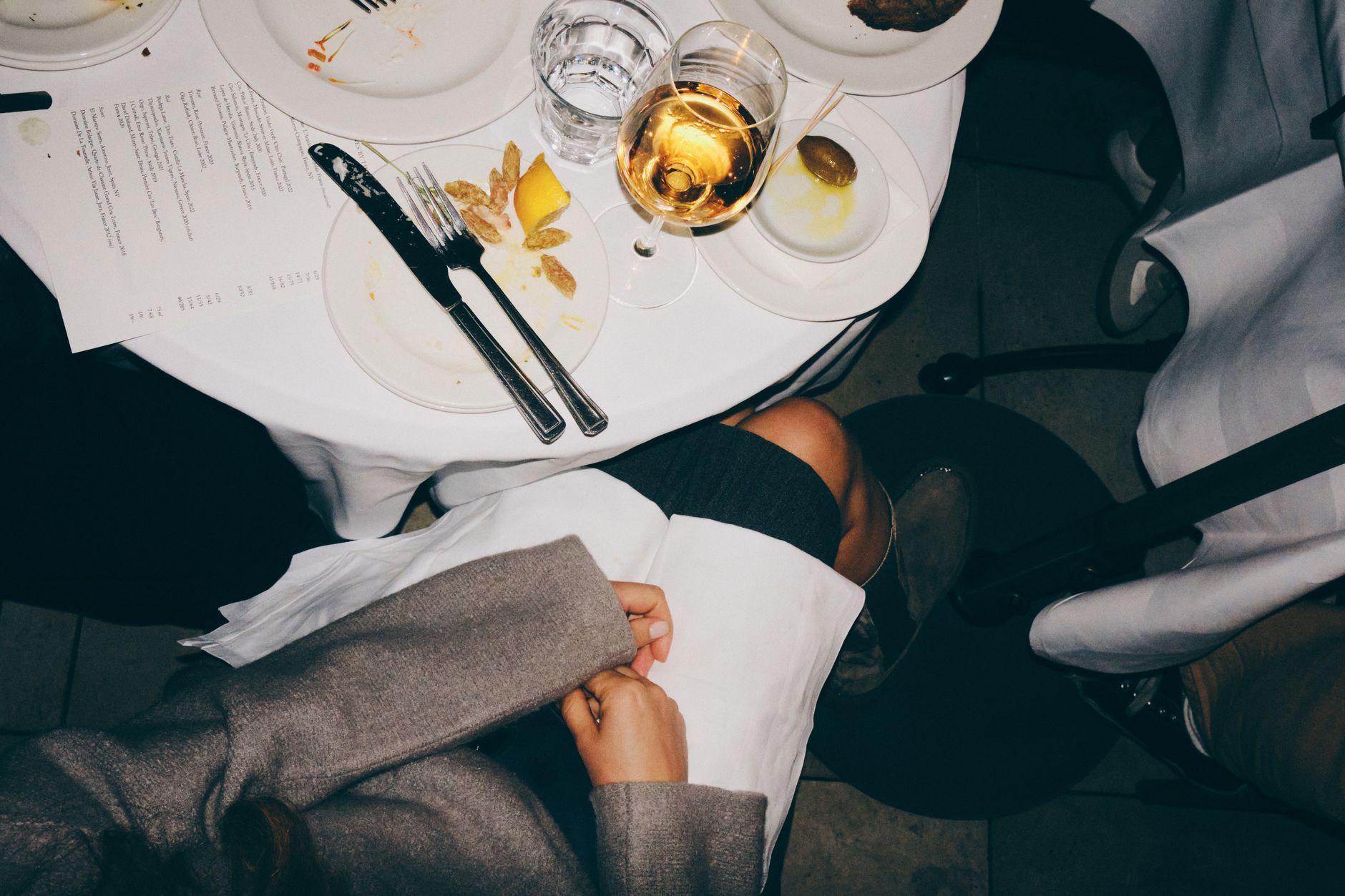
Practical, friendly advice for solo dining, from choosing the right restaurants and seats to what to do while you eat and how to handle uncomfortable moments.
For many first-time solo travelers, the idea of walking into a restaurant and asking for a table for one is the most intimidating part of a trip. It feels as though everyone is looking. In reality, most diners are absorbed in their own conversations, and restaurant staff see solo guests every day. With a few strategies, eating alone can become a highlight, a time to slow down, savour a place and watch daily life pass by. This guide offers practical steps for any kind of meal, from a morning coffee to a long dinner.
Why eating alone feels strange (and why it fades)
Much of the discomfort is cultural. In many places, meals are social events, and we learn to link food with company. We also imagine that others judge us. Yet research aside, everyday observation suggests that most people in a restaurant pay little attention to the tables around them. Staff are focused on service, and other guests are focused on their food and companions.
The feeling usually fades quickly. After two or three solo meals, most travelers find they enjoy the quiet, the freedom to choose what and when to eat, and the chance to notice details they would miss in conversation.
Start small and build up
If the idea feels daunting, ease into it.
- Begin with breakfast or coffee. Cafes are full of solo diners with laptops, books and newspapers. Nobody blinks.
- Move on to lunch. Lunch is casual in most places and often quicker, so there is less pressure.
- Try a bar or counter at dinner. Sitting at a counter feels natural for one person.
- Finally, book a proper dinner table. By now you will have the confidence to treat yourself.
You do not have to go straight to a fine dining room on night one.
Choose places that welcome solo diners
Some settings are easier than others.
- Counters and bars. Sushi counters, ramen shops, tapas bars and wine bars are designed for people to sit side by side.
- Food halls and markets. Shared tables and stalls make eating alone the default. You can choose your own dishes and sit where you like.
- Casual cafes and bakeries. Great for light meals and people watching.
- Cooking classes and food tours. These are social, which suits you if you want company without the pressure to arrange it.
- Community tables. Some restaurants seat guests together at a large table, and this can lead to easy conversation.
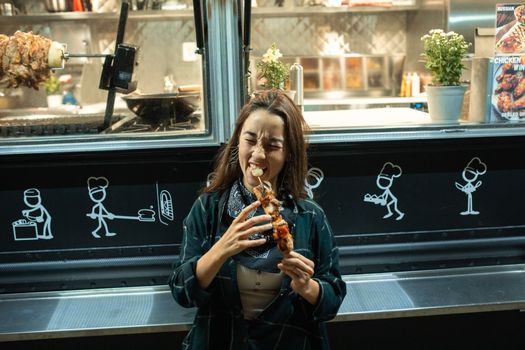
- Street food stalls. Standing or perching on a stool is often how locals eat as well.
In some countries, dining alone is especially common, such as in Japan, where many restaurants cater to individual diners, with solo booths and counter seating. In others, you may need to look a little harder, but there is almost always a place that suits you.
How to get the best seat
The seat can change the whole experience.
- Ask for a table by a window if you like watching the street.
- A corner seat or a place with your back to the wall can feel more comfortable and gives you a view of the room.
- If the restaurant has a bar, ask whether you can eat there.
- Avoid the table directly in the middle of a large room if you feel self-conscious.
- Do not accept a poor table just because you are alone. It is fine to politely ask for another option.
Arrive a little early or late, when the restaurant is quieter and staff have more time.
What to say when you arrive
You do not need a long speech. A simple "A table for one, please" works. If you do not speak the language, learn the phrase beforehand or show a finger and smile. If you have booked, give your name and confirm. Some restaurants may offer a smaller table or bar seat, and you can say yes or ask for something else.
If you are asked "Just one?" in a tone that seems judgemental, remember that it is usually a neutral question. Answer pleasantly and keep going.
What to do while you eat
A common fear is not knowing what to do with yourself. Here are options, and you can mix them.
- Watch and notice. Look at the room, the street, the way staff work and the dishes arriving at other tables. Eating slowly lets you see more.
- Read or write. A book, a Kindle or a notebook is a classic solution. Journaling about your day while you wait for the food is a calm pleasure.
- Plan tomorrow. Look at maps or notes, but try not to disappear into your phone for the entire meal.
- Take photos of the food. A few photos are fine, but be respectful of other diners and staff.
- Talk to the staff. Ask what they recommend, how a dish is made or what is typical at this time of year.
- Do nothing. It is okay to simply sit, sip and enjoy. This is the hardest and most rewarding option.
If you do use your phone, try setting a limit so that you can still enjoy the setting.
Ordering with confidence
Solo diners sometimes worry about ordering enough, or too much. Some tips:
- Ask about portion sizes. In some places, dishes are designed for sharing.
- Order small plates and tapas-style dishes, so you can try several things.
- Ask for a half portion if available.
- Take leftovers to go if it is customary and you have somewhere to keep them.
- Do not feel pressured to order more than you want to justify a table.
- Learn about local tipping customs, so you are comfortable when it is time to pay.
Allergies and dietary needs matter more when you cannot ask a companion for help. Learn key phrases or carry a card that explains your needs in the local language.
Safety and comfort
Dining alone is generally safe, and a few common-sense habits help.
- Keep your bag on your lap or under the seat, not hanging on the back of your chair.
- Keep your phone and wallet out of easy reach.
- Be careful with drinks, and do not leave them unattended.
- Choose well-lit places, especially for dinner.
- Let someone know your plans if you are going out late, and plan how you will get back to your accommodation.
- Trust your instincts. If a place feels wrong, you can leave.
This is general information, and conditions vary by place, so check local advice.
When people talk to you
Sometimes solo diners attract friendly conversation. Staff may chat more, a neighbour may ask where you are from, or a couple may invite you to share a table. Enjoy it if you wish. If you want to be left alone, a polite smile and a return to your book usually does the job. You are not obliged to talk to anyone.
Making meals an event
A shift in perspective can transform solo dining from something to endure into something to look forward to.
- Treat it as a date with yourself. Choose a place you really want to try, not just the nearest one.
- Build a food theme. Seek out the best bakery, the best market stall or the best local dessert, and make a small quest of it.
- Learn something. Ask what ingredients are used, or take notes about dishes you want to cook at home.
- Plan a treat. Book one special meal on each trip where you dress up a bit and go slowly.
- Take your time. Without a companion to coordinate, you can linger as long as you like.
Ideas for solo-friendly meals around the world
Here are some general examples where solo dining is easy and enjoyable.
- Japan. Counter-style restaurants, ramen shops and izakaya counters are common. Many ramen shops use ticket machines so you can order without speaking.
- Spain. Tapas bars let you have a drink and a few small plates standing at the bar, hopping from place to place.
- Italy. A coffee at the bar and a quick pastry in the morning is the local way. At lunch, look for a trattoria with a daily menu.
- Southeast Asia. Night markets and hawker centres have endless options, usually with shared tables.
- Mexico. Market stalls and taquerias serve quick, delicious meals, and counter seating is common.
- Middle East and North Africa. Cafes and street food stalls serve everything from falafel to fresh juices, and tea houses are friendly places to sit.
- United States and Canada. Diners, bars and food halls generally welcome solo guests, and bar seating is common even in nice restaurants.
Local customs differ, so observe how others eat and follow their lead.
Handling the tough moments
Even confident travelers have a bad evening. If you feel lonely, or uncomfortable, some options include:
- Move to the bar or a counter.
- Order something simple and eat at your own pace.
- Take your meal to a park or your room, if it is safe and appropriate.
- Call or message a friend or family member.
- Remind yourself that it will pass and that you did something brave.
If a staff member is rude, you can leave. There are many other places to eat.
Frequently asked questions
Is it rude to take a table for two when I am alone? During busy times, restaurants may prefer to seat solo diners at smaller tables or counters. It is considerate to accept what they offer, but you can ask about options.
Should I bring a book or phone? Either is fine. Many solo diners do. Try also spending part of the meal simply looking around, so you enjoy the setting.
How can I meet people while eating alone? Choose communal tables, food tours, cooking classes or hostels' dinner nights. Chat with staff, and look for cafe events.
Will I get worse service because I am alone? Usually not. In most places, service is the same for solo guests. If you feel overlooked, politely signal staff and keep a positive attitude.
Summary
Dining alone is a skill that improves quickly. Start with casual meals, pick counters and communal tables, choose a seat you like and bring something to do or nothing at all. Order what you want, stay aware of your belongings and treat the meal as part of the journey. With a little practice, a table for one becomes one of the pleasures of solo travel.
More pictures


Tags
Share this guide
We may earn a commission if you click a link and buy a product or service, at no extra cost to you. How affiliate links work.
Been there?