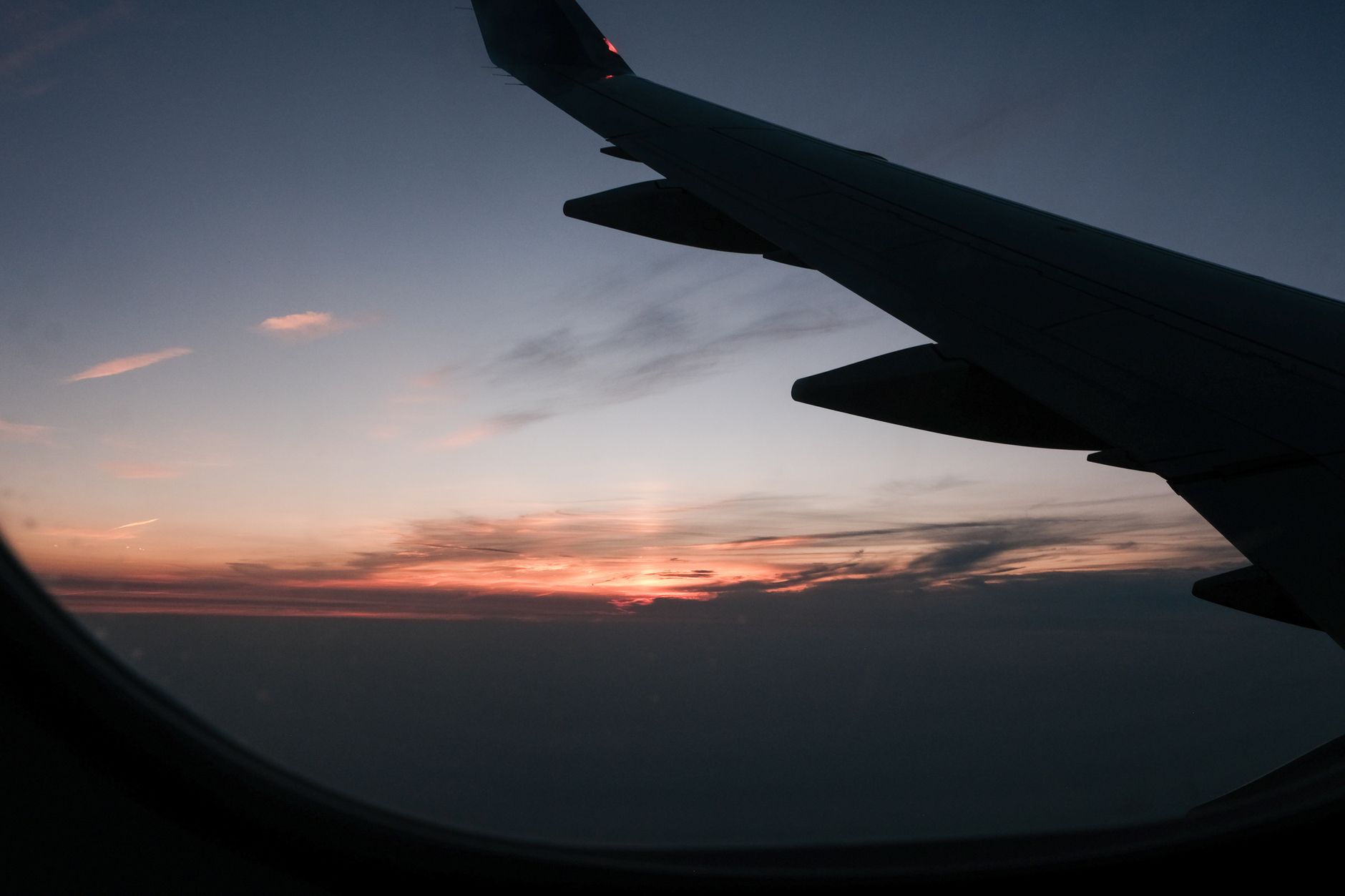
Jet lag can steal precious days from your adventure, turning vibrant cities into blurry memories. But what if you could banish it in just 24 hours, armed with secrets even locals swear by? Get ready to reclaim your travel energy and hit the ground running! ---
Beat Jet Lag in 24 Hours: The Locals' Secret Travel Hacks They DON'T Want Tourists to Know!
The year was 2015, and I was finally embarking on my dream trip to Rome. After a grueling 10-hour flight from New York, I landed, brimming with anticipation. My plan? Hit the Colosseum, toss a coin in the Trevi Fountain, and devour a cacio e pepe, all before dinner. My reality? I woke up face down on my hostel bed at 3 AM, drenched in sweat, having slept through my alarm, my dinner reservation, and a good chunk of the Roman night. My first 24 hours in the Eternal City were a blur of disorientation, missed opportunities, and a desperate craving for a bagel at 2 AM local time. Jet lag had won, and I felt utterly defeated.
Sound familiar? We’ve all been there. That crippling fatigue, the brain fog, the stomach doing somersaults – jet lag is the unwelcome travel companion that turns vibrant adventures into a sleepy haze. For years, I accepted it as an inevitable evil, a tax on traversing the globe. But then, something shifted. After countless long-haul flights and observing locals who seemed to effortlessly glide through their days while I struggled, I realized: there HAS to be a better way.
What if I told you there's a clandestine playbook, a set of strategies so effective, they'll have you syncing to a new time zone faster than you can say "espresso"? These aren't just random tips; these are the deeply ingrained habits and subtle tricks I've learned from seasoned travelers, expat friends, and even a few wise hostel owners who've mastered the art of time-zone hopping. These are the secrets locals embody, almost instinctively, that allow them to hit the ground running while tourists stumble. And today, I'm peeling back the curtain to share them with you. Get ready to reclaim your travel energy and make every moment count!
---
Phase 1: The Pre-Flight Power Play – Adjust Before You Land
Most people think jet lag mitigation starts on the plane. Wrong. The real battle is won before you even pack your carry-on. This is where you begin subtly nudging your internal clock towards your destination.
The Gradual Shift: The 15-Minute Rule A few days before your trip (ideally 3-4 days), start shifting your sleep schedule by just 15-30 minutes each day towards your destination's time zone. If you're flying east, go to bed and wake up earlier. Flying west? Later. This gentle adjustment is barely noticeable but incredibly effective. For my recent trip to Tokyo (a brutal 13-hour time difference!), I started going to bed 30 minutes earlier and waking up 30 minutes earlier for four days. By departure, I was already two hours into Tokyo time, psychologically and physically.
Hydration, The Unsung Hero: Forget the in-flight water; start hydrating intensely 2-3 days before your flight. Airplane cabins are notoriously dry, and dehydration exacerbates jet lag symptoms. Chug water like it's your job. I swear by adding electrolyte tablets to my water during these pre-flight days – it makes a noticeable difference. Skip the celebratory pre-flight beers; save them for your arrival.
Strategic Melatonin: Your Body Clock's Best Friend (Not a Sleep Aid) This is a game-changer. Melatonin isn't primarily a sleeping pill; it's a hormone that signals darkness and helps regulate your circadian rhythm. Take a very small dose (0.5mg - 1mg, not 5mg!) about 30 minutes before your new target bedtime (destination time) on the night before your flight, and potentially for the first 1-2 nights at your destination. This subtly tells your body, "Hey, it's time to start winding down." I once used this on a flight to Sydney, taking a tiny dose at what would be 9 PM Sydney time while still in California. The next day, I felt like I was already halfway there.
Light Exposure: Your Natural Alarm Clock Use light to your advantage. If you're shifting to an earlier time, get bright light exposure first thing in the morning. If later, avoid bright light in the evening. This is a subtle yet powerful signal to your brain. On my last flight to Lisbon, I made sure to get morning sun exposure for a few days before my flight, programming my body for an earlier wake-up.
Flight Booking Strategy: The Afternoon Arrival Advantage Whenever possible, book flights that land in the late afternoon or early evening at your destination. This gives you just enough time to check into your accommodation, grab a light dinner, and then go to bed at a reasonable local hour. Landing in the morning can be tempting, but it often leads to a desperate, ill-advised nap that throws your entire rhythm off.
---
Phase 2: Conquer the Cabin – Your Plane, Your Time Machine
Your flight isn't just transportation; it's your personal time machine. Every decision you make in the air can either propel you towards a smooth landing or drag you deeper into the jet lag abyss.
Set Your Watch IMMEDIATELY: As soon as you board, set your watch and phone to your destination's local time. This is a psychological trick that forces your brain to start thinking in the new time zone. When the flight attendant offers you a drink at 3 PM your departure time, mentally convert it to 9 AM destination time. This helps you plan your sleep and meal timings on board.
Hydrate, Hydrate, Hydrate (Again!): This cannot be stressed enough. Skip the alcohol and caffeine. They dehydrate you and disrupt your sleep. Instead, ask for water, and then ask for more water. Most airlines will happily provide it. I always bring my own reusable water bottle and fill it up after security. For my flight to Vietnam, I probably drank 3 liters of water during the 15-hour journey, making countless trips to the bathroom, but landing feeling surprisingly refreshed.
Strategic Napping vs. Full Sleep: If your flight spans your destination's night, try to sleep. If it's daytime, resist the urge to sleep for more than a short, controlled power nap (20-30 minutes). Use an eye mask, earplugs, and noise-canceling headphones (my Bose QC35s are non-negotiable) to create your personal sleep sanctuary. I often put on a white noise app or calming music. The key is to align your sleep with the destination's night hours.
Move Your Body: Every few hours, get up and walk the aisle. Do some simple stretches in the galley. This improves circulation, prevents stiffness, and signals to your body that you're awake and active. I once saw an elderly Japanese gentleman doing tai chi in the back of a flight to Osaka – he looked far more spry than anyone else landing!
Food Choices: Keep it Light Avoid heavy, sugary, or processed foods on the plane. They can make you feel sluggish and contribute to digestive issues. Opt for lighter meals, fruits, and vegetables. If you can, pack your own healthy snacks. I always bring a banana and some nuts.
---
Phase 3: The Arrival Blitz – Shocking Your System (The Good Way)
This is where most tourists fail, and where the "locals' secrets" truly shine. The moment your feet hit the ground, it's go-time. You're essentially performing an intervention on your body clock.
NO NAPS (Or Extremely Short, Timed Power Naps Only): This is the single biggest mistake people make. That tempting afternoon nap, "just for an hour," turns into three, and suddenly you're wide awake at 2 AM. Resist! The goal is to make it to local bedtime. If you absolutely must nap, set an alarm for 20-30 minutes – just enough to take the edge off, not to enter deep sleep. I learned this the hard way in Budapest, losing my entire first day to a "quick nap." Never again.
Immediate Light Exposure: Sun is Your Friend! As soon as you clear customs, get outside! Even if it's cloudy, natural light is incredibly powerful for resetting your circadian rhythm. Go for a walk, sit at an outdoor cafe, or just stand in the sunshine. This tells your brain, "It's daytime, wake up!" On a trip to Barcelona, I immediately headed to Barceloneta Beach for a walk, despite feeling like a zombie. The fresh air and sunshine were an instant pick-me-up.
Movement & Activity: Keep Moving! Don't collapse in your hotel room. Plan some light activity for your first afternoon. Explore your neighborhood on foot, take a leisurely stroll through a park, or do some gentle stretching. Avoid anything too strenuous, but keep your body engaged. A brisk walk from the train station to my AirBnB in Berlin, even with luggage, helped shake off the flight stiffness and signaled activity.
Hydration (Still!): Keep drinking water. Your body is still recovering from the dry cabin air. Grab a bottle of local mineral water and keep it handy.
Eat Local Meal Times: Even if you're not hungry, try to eat meals according to local time. This helps regulate your digestive system and further cues your body into the new schedule. If it's dinner time, eat dinner, even if it feels like breakfast. If it's breakfast, eat breakfast. A proper, protein-rich breakfast can be especially helpful on your first morning.
Cold Shower/Face Wash: The Instant Reset Button If you're feeling particularly groggy, a quick splash of cold water on your face or even a full cold shower can be incredibly invigorating. It's a shock to the system that instantly boosts alertness. It might sound awful, but trust me, after 12 hours on a plane, that cold water in Bangkok felt like pure magic.
---
Phase 4: The Local Sleep Secret – Mastering Your First Night
This is the make-or-break moment. How you handle your first night will largely determine how quickly you adapt. Locals treat sleep with reverence, and you should too.
Stick to Local Bedtime: This is non-negotiable. Even if you're exhausted at 7 PM, push through until a reasonable local bedtime (e.g., 9-10 PM). Power through with a light activity, a podcast, or a chat with a friend.
Create a Sleep Sanctuary: Your hotel room should be a cave. Complete darkness is crucial. If your room doesn't have blackout curtains, use clips to seal any light gaps, or even hang a towel over the window. Bring an eye mask if you're prone to light. Keep the room cool – optimal sleep temperature is usually between 60-67°F (15-19°C).
No Screens 1-2 Hours Before Bed: The blue light emitted from phones, tablets, and laptops suppresses melatonin production. Read a physical book, listen to music, or journal instead. This is a habit many locals adhere to for better sleep quality, not just for jet lag.
Relaxation Ritual: Wind down with a warm bath, a gentle stretching routine, or a cup of herbal tea (chamomile or valerian root are excellent). Avoid heavy meals or intense exercise right before bed.
Melatonin (Optional, Strategic): If you still feel completely out of sync, a small dose of melatonin (0.5mg - 1mg) 30 minutes before your target bedtime can help signal to your body that it's time to sleep. Don't rely on it, but use it as a gentle nudge.
---
Phase 5: The Day-After Recharge – Solidifying Your New Rhythm
Congratulations, you made it through the first 24 hours! Now it's about cementing that new rhythm and ensuring your body fully adapts.
Wake Up at Local Time (No Sleeping In!): Even if you had a restless night, resist the urge to hit snooze. Wake up at your target local time. This reinforces the new schedule.
Morning Light Exposure (Again!): Get outside immediately. Open the curtains, step onto a balcony, or go for a morning walk. A sunrise hike in Bali after a long flight cemented my body clock faster than any other trick. The combination of light and activity is incredibly powerful.
Hearty, Local Breakfast: Fuel your body with a good breakfast. Opt for protein and complex carbohydrates to provide sustained energy. Enjoying a traditional Portuguese pastel de nata and strong coffee at a local padaria in Lisbon felt like a proper reset.
Plan an Active Morning: Engage in some activity. This could be sightseeing, visiting a market, or a light workout. Keep your body moving and engaged. Avoid long periods of sitting indoors.
Strategic Caffeine Use: If you need coffee, have it in the morning. Avoid it in the afternoon to prevent it from interfering with your sleep later. Use it to boost alertness, not to mask profound fatigue.
Maintain Hydration and Meal Schedule: Keep drinking water and stick to local meal times. Consistency is key in these first few days.
---
Bonus Hacks: The 'Locals Don't Want You to Know' Toolkit
These are the nuanced, almost mystical tricks I've picked up, often through sheer observation or whispered advice from locals who truly understand their environment.
Earthing/Grounding: Walk Barefoot! This might sound a bit "woo-woo," but many cultures practice it. When you arrive, find a patch of grass, a sandy beach, or even a public park, and take off your shoes. Walking barefoot on the earth for 15-30 minutes is believed to help synchronize your body's electrical rhythms with the planet's, reducing inflammation and potentially aiding in jet lag recovery. I first tried this on a beach in Thailand, feeling skeptical, but I genuinely felt a subtle sense of calm and clarity afterward.
Local Remedies: Herbal Teas & Specific Foods Ask locals! In many cultures, there are traditional remedies for fatigue or sleep. In Japan, some swear by specific green teas for morning alertness and others for evening relaxation. In parts of Europe, a small glass of cherry juice (a natural source of melatonin) before bed is common. Magnesium-rich foods like dark leafy greens, nuts, and dark chocolate can also aid sleep and muscle relaxation.
Mindfulness & Meditation: Calm the Chaos Jet lag isn't just physical; it's mental. The disorientation can cause anxiety. Even 10-15 minutes of mindfulness or meditation can calm your nervous system, reduce stress hormones, and help you feel more centered. There are plenty of free apps like Headspace or Calm for guided sessions.
The "Power Nap Cafe" or Quiet Spot: If, despite your best efforts, you absolutely cannot function without a short nap, find a strategic location. Not your hotel bed. Look for a quiet corner in a library, a less-busy museum bench, or even a local park bench. Set an alarm for a strict 20 minutes. The slight discomfort of a public nap often ensures you don't oversleep, and it keeps you out of the "sleep cave" of your hotel room, which can be too inviting. In Rome, I discovered a quiet corner in the Borghese Gardens perfect for a quick reset.
A Specific Local Beverage: The Morning After Secret Weapon Beyond just coffee, many cultures have a specific morning beverage that locals swear by for energy. In Italy, it’s a perfectly pulled espresso, standing at the bar. In Japan, it might be a strong matcha. In Turkey, a robust black tea. Embrace it. It's not just the caffeine; it's the ritual, the taste, and the cultural connection that signals "It's morning, and we're ready."
---
Jet lag doesn't have to be an unavoidable travel tax. By adopting these insider strategies, by thinking like a local and proactively managing your body clock, you can transform your travel experience. Imagine landing in a new city, feeling energized and ready to explore, instead of spending your precious first days in a fog. These aren't just tips; they're a paradigm shift in how you approach long-haul travel.
So, the next time you book that dream trip, remember these secrets. Prepare your body, conquer the cabin, blitz your arrival, and master your first night. Your adventures are waiting, and you deserve to experience them with full energy and vibrant clarity.
Now, I want to hear from you! What are YOUR secret jet lag hacks? Have you tried any of these? Share your wisdom in the comments below! And don't forget to pin this post so you can beat jet lag on your next epic journey!
---
More pictures


Tags
Share this guide
We may earn a commission if you click a link and buy a product or service, at no extra cost to you. How affiliate links work.
Been there?