
Tired of crowded tourist traps? Embark on a journey to discover the world's most elusive hot springs – the ones cherished by locals and tucked away from the guidebooks. This is your exclusive pass to unlocking truly authentic, serene thermal experiences that promise pure, unadulterated bliss. ---
The steam curled around me, carrying the faint, earthy scent of sulfur and damp moss. Above, a canopy of ancient cedars dripped with morning dew, their branches creating a natural cathedral ceiling. The only sounds were the distant murmur of a hidden creek and the gentle lapping of water against smooth river stones. I sank deeper into the naturally heated pool, the warmth seeping into every tired muscle, and a profound sense of peace washed over me. This wasn't a crowded resort spa, nor was it a well-advertised national park attraction. This was "Whispering Falls Hot Pot," a place whispered about in hushed tones by the few locals who still considered it their secret. And it was, quite simply, magic.
For years, my travel blog, Tripsora, has been all about uncovering the authentic, the off-the-beaten-path, and the truly memorable. But there's a special category of travel that sits above all others for me: the hidden hot springs. These aren't the manicured, chlorinated, fee-for-entry pools you find on every tourist brochure. No, these are the wild, untamed, natural wonders that require a bit of effort, a dash of daring, and a healthy dose of respect to find. They are the places locals guard with a gentle possessiveness, not out of malice, but out of a desire to preserve their tranquility and pristine beauty. And today, dear reader, I’m pulling back the curtain (just a little) to share how you, too, can find these elusive thermal treasures.
The Allure of the Undiscovered: Why Go Off-Grid for a Soak?
Let's be honest, there's a certain thrill in discovery. In a world saturated with information and Instagram geotags, finding something truly untouched feels like a mini-adventure. For me, the appeal of a hidden hot spring goes far beyond just the warm water. It's about:
- Authenticity: These springs offer a raw, unfiltered connection to nature. There are no changing rooms, no gift shops, often no signs. It's just you, the earth, and the healing waters.
- Solitude & Serenity: Escape the crowds, the noise, and the constant digital buzz. Hidden springs are sanctuaries of quiet contemplation, perfect for recharging your mind and body.
- The Journey Itself: Often, finding these spots involves a hike through stunning landscapes, a drive down a forgotten dirt road, or a respectful conversation with a local. The journey becomes part of the reward.
- Cultural Immersion: Sometimes, these springs hold historical or spiritual significance for local communities. Approaching them with respect can offer a deeper understanding of the region's heritage.
- The Bragging Rights (Quietly): While we advocate for discretion, there's a quiet satisfaction in experiencing something few others have. It’s a story you’ll tell for years, perhaps omitting the exact coordinates, of course.
My first encounter with this kind of magic was years ago, backpacking through the Chilean Andes. A local shepherd, after a shared meal and much broken Spanish, sketched a crude map in the dirt, pointing towards a barely visible trail. "Termas," he grunted, "but only if you respect." That hike, those icy river crossings, and the ultimate reward of a steaming pool beside a glacial river, changed my entire perspective on travel. It cemented my quest for these hidden oases.
Decoding the Local Whisper Network: How to Find the Unfindable
So, how do you even begin to unearth these elusive spots? It's not about Googling "secret hot springs near me" (though that can sometimes lead to less secret ones). It's about cultivating a mindset of curiosity, respect, and a willingness to engage.
- Befriend Locals (Genuinely): This is your number one tool. Whether it's the barista, the innkeeper, a park ranger, or a shop owner, engage in genuine conversation. Ask about their favorite local hikes, their personal retreats. Don't immediately ask "where are the secret hot springs?" That screams "tourist trying to exploit local knowledge." Instead, build rapport. Share a story of your own, express your appreciation for their region, and then gently inquire about natural wonders or places they go to relax. Often, if they trust you, they'll offer a cryptic clue or a subtle nod in the right direction.
- Personal Anecdote: In Iceland, after a week of polite conversations with various guesthouse owners, one finally, conspiratorially, drew a rough map to a small, nearly invisible stream that fed into a naturally warm pool behind a waterfall. "Don't tell anyone," she'd winked. I kept my word, and the experience was utterly breathtaking.
- Go Analog: Maps & Local Libraries: Forget Google Maps for a moment. Grab a detailed topographical map of the region. Look for areas with geothermal activity (often marked with symbols or specific place names like "hot springs," "termas," "onsen," "baths," etc., even if they're not developed). Cross-reference with hiking trails. Sometimes, the most detailed maps will show small, unnamed water features. Local libraries or historical societies might also have old guidebooks or local lore that hints at these spots.
- Hike, Explore, and Keep Your Eyes Peeled: Many hidden springs are simply stumbled upon by persistent hikers. Look for tell-tale signs: steam rising from a riverbed, unusual rock formations, distinct mineral deposits, or areas where snow melts faster. The path less traveled is often the path to discovery.
- Online Forums (With Caution): Some niche backpacking or outdoor adventure forums might have very subtle hints, often disguised in riddles or vague descriptions. Be aware that these are often quickly discovered and can lead to overcrowding, so use them as a last resort and always verify information. Never, ever, ask for exact coordinates publicly.
My Top (Relatively) Secret Soaks: A Glimpse into the Wild
While I can't give away the precise coordinates to protect these precious places, I can paint a picture of the types of experiences you might find, drawing from my own adventures. Think of these as archetypes of the hidden hot spring experience.
1. The Emerald Grotto: A Rainforest Retreat (Central America)
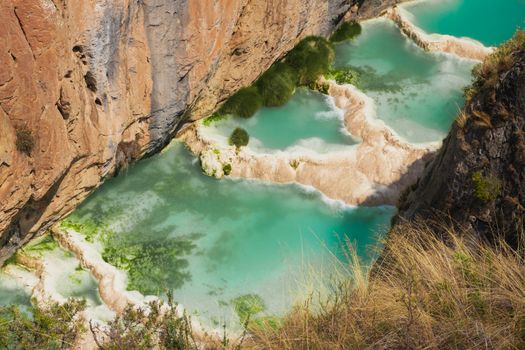
Imagine a winding path through dense, vibrant rainforest, the air thick with humidity and the calls of exotic birds. After a challenging hike, you push through a curtain of ferns and suddenly, before you, is a series of emerald-green pools, naturally carved into volcanic rock. The water, a perfect 100°F (38°C), cascades gently from one pool to the next, creating natural waterfalls. The "Emerald Grotto" (my nickname for a specific spot I found near La Fortuna, Costa Rica, but significantly off the beaten path from the main resorts) is a place of profound natural beauty.
- Getting There: Requires a 4x4 vehicle to navigate a rough, unpaved road, followed by a 45-minute moderate hike through muddy jungle trails. GPS is unreliable here; local directions are crucial.
- What to Expect: Untouched nature. No facilities whatsoever. The pools vary in depth and temperature. You might share it with a handful of locals, or have it entirely to yourself. The air is alive with the sounds of the jungle.
- Best Time to Visit: Early morning or late afternoon to avoid the midday heat and potential rain. Dry season (December-April) makes the trails more manageable.
- Cost: Free, but a small "parking fee" to a local farmer whose land you might cross is a kind gesture.
- What to Bring: Sturdy hiking shoes, swimsuit, towel, plenty of water, insect repellent, headlamp (if staying late), and a waterproof bag for electronics. Leave nothing behind.
2. Whispering Falls Hot Pot: The Alpine Oasis (Pacific Northwest, USA/Canada)
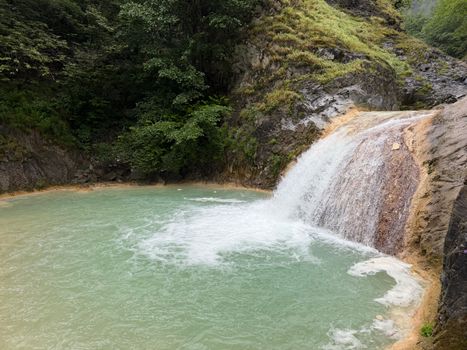
Deep in the heart of a temperate rainforest, nestled within a canyon carved by a roaring river, lies "Whispering Falls Hot Pot." This isn't a single pool, but a series of small, rock-lined tubs fed by a scorching hot spring that trickles down a moss-covered cliff face. The main pool, just large enough for 2-3 people, is perfectly situated to offer views of a misty waterfall cascading into the frigid river below. The contrast between the icy mountain air and the therapeutic warmth is exhilarating.
- Getting There: A long drive on a gravel logging road, followed by a 2-hour strenuous hike with significant elevation gain and scrambling over fallen logs. The trail is often overgrown and unmarked.
- What to Expect: Rustic, wild, and incredibly rewarding. The pools can be very hot, so test the water carefully. You'll likely encounter wildlife – deer, elk, and various bird species. The air is crisp and clean, and the silence is profound.
- Best Time to Visit: Late spring to early fall when snow has melted and trails are accessible. Weekdays are best for solitude.
- Cost: Free, but you might need a backcountry permit or parking pass depending on the specific wilderness area.
- What to Bring: Layers of warm clothing, waterproof hiking boots, swimsuit, quick-dry towel, plenty of food and water, first-aid kit, bear spray (depending on location), and a detailed map and compass (or offline GPS).
3. Solstice Spring: The Desert Mirage (Southwest USA)
Imagine the vast, stark beauty of the desert, red rock formations stretching to the horizon. After a day of exploring ancient ruins or slot canyons, you follow a barely visible trail that leads to an unexpected oasis. "Solstice Spring" (my name for a series of springs found in a remote corner of New Mexico) is a collection of shallow, sandy-bottomed pools nestled amongst mesquite bushes and cottonwood trees, fed by geothermal activity below. The water is a comfortable warmth, and as the sun sets, the desert sky explodes in a riot of color, transforming the experience into something truly spiritual.
- Getting There: A long drive on unpaved BLM (Bureau of Land Management) roads, often requiring high-clearance vehicles. The final approach is a short, easy walk, but finding the right turn-off can be challenging without good directions.
- What to Expect: Open desert landscape, incredible stargazing. The pools are often shallow, perfect for lounging. Be mindful of rattlesnakes and other desert wildlife. Respect the fragility of the desert ecosystem.
- Best Time to Visit: Spring and fall offer pleasant temperatures. Summer can be brutally hot; winter nights can be very cold, making the soak even more appealing.
- Cost: Free, often on public lands.
- What to Bring: Sunscreen, wide-brimmed hat, plenty of water (more than you think you need), swimsuit, towel, sandals for walking around the pools, and a headlamp for after dark.
The Unwritten Rules of the Secret Soak: Preserving the Magic
Finding these hidden gems is only half the adventure. The other, equally important half, is ensuring they remain hidden and pristine for others to discover responsibly. This is why locals are so protective. Adhere to these unwritten rules:
- Leave No Trace, Seriously: Pack out everything you pack in. This includes food wrappers, fruit peels, toilet paper, and anything else. If you see trash, pick it up. Leave the place cleaner than you found it.
- Respect the Silence: These are places of peace. Keep voices low, avoid loud music, and let the sounds of nature prevail.
- No Soap, Shampoo, or Chemicals: The water in these natural springs is part of a delicate ecosystem. Do not use any soaps, shampoos, lotions, or other chemicals that can pollute the water. Shower before you go if you need to.
- Stay on Established Paths (Even if Faint): Trampling vegetation can cause erosion and damage sensitive ecosystems.
- Be Mindful of Wildlife: You're in their home. Observe from a distance, never feed animals, and secure your food.
- Maintain Discretion: If you share your experience online, use vague descriptions and avoid geotagging specific locations. The goal is to inspire responsible exploration, not to create a new tourist bottleneck.
- Respect Local Customs: If there are signs, follow them. If locals are present, observe their behavior and emulate it. A friendly nod and a quiet presence go a long way.
- Safety First: Many of these spots are remote. Cell service is often nonexistent. Tell someone where you're going and when you expect to return. Be aware of changing weather conditions and potential hazards.
Beyond the Brochure: The True Reward
The true reward of seeking out these hidden hot springs isn't just the warmth of the water on your skin, or the stunning scenery. It's the profound sense of connection – to nature, to the history of the land, and to the quiet satisfaction of a journey earned. It's the feeling of being a true explorer, rather than just another tourist ticking off a list.
These are the moments that truly define travel for me. The ones that don't make it into the glossy brochures, but etch themselves into your memory with the vividness of a dream. The quiet conversations with strangers who become temporary guides, the challenge of navigating an unknown trail, the sheer bliss of sinking into water heated by the earth itself.
So, are you ready to trade the crowded resorts for the untouched wilderness? Are you willing to put in the effort, embrace the unknown, and respect the sanctity of these precious places? If your answer is a resounding "yes," then the world of hidden hot springs awaits. Go forth, explore responsibly, and perhaps, just perhaps, you'll discover your own secret slice of thermal paradise.
Now it's your turn, fellow adventurers! Have you ever stumbled upon a truly hidden gem? Share your types of experiences (no specific locations, please!) and your best tips for respectful, off-the-beaten-path exploration in the comments below! Let's inspire each other to travel deeper, not just wider.
---
More pictures

Tags
Share this guide
We may earn a commission if you click a link and buy a product or service, at no extra cost to you. How affiliate links work.
Been there?