
Ever felt that sinking feeling of being ripped off, surrounded by fellow tourists, and wondering if you're truly experiencing a place? We've all been there. This isn't just a guide; it's your blueprint to unlocking genuine adventures, finding hidden gems, and traveling so authentically, you'll wonder why you ever did it any other way. ---
Unlock Pro Secrets: How to Avoid Tourist Traps & Travel Like a Local You Need to Experience Before You Die
I remember it like it was yesterday: standing in front of the Eiffel Tower, camera in hand, feeling the rush of being in Paris. Then, the inevitable happened. A group of insistent street vendors swarmed me, trying to tie "friendship bracelets" onto my wrist. Before I knew it, I was guilt-tripped into paying €10 for a flimsy piece of string, feeling utterly foolish and a little bit violated. My romantic Parisian moment? Utterly deflated.
That day was a turning point. It wasn't the last time I'd encounter a tourist trap, but it was the moment I vowed to become a professional trap-dodger. I realized that merely seeing a destination wasn't enough; I wanted to feel it, to immerse myself in its true essence, away from the overpriced, inauthentic, and often annoying tourist conveyor belts.
Welcome to Tripsora, where we believe travel isn't just about ticking boxes, it's about collecting stories, connecting with cultures, and creating memories that truly last a lifetime. And the best way to do that? By learning to navigate like a pro, leaving the tourist traps behind, and discovering the soul of a place. This isn't just a guide; it’s a manifesto for the discerning traveler, a blueprint for experiences so rich and authentic, you’ll remember them on your deathbed. Let's dive in.
1. The Art of Pre-Trip Reconnaissance: Your Digital Detective Work
Before you even book your flight, your journey into authentic travel begins with meticulous research. Forget the glossy brochures and top-10 lists from generic travel sites. You're going deeper.
Actionable Advice:
- Dive into Niche Blogs & Forums: Instead of "Best Restaurants in Rome," search for "Rome local food blog" or "expat guide Rome." Websites like Reddit (subreddits like r/travel, r/solotravel, or specific city subreddits like r/ItalyTravel) are goldmines. Locals and experienced travelers share hidden gems, warn about scams, and recommend places they genuinely love. I once found an incredible, family-run trattoria in Trastevere, Rome, thanks to a Reddit thread, where the nonna herself was still making pasta. It was tucked away on a quiet side street, no English menu, and the food was divine – a world away from the crowded, English-menu-waving places near the Colosseum.
- Utilize Google Maps & Street View: Before you go, "walk" the streets virtually. Look at restaurants for signs of authenticity: Are there locals sitting outside? Are menus in the local language? Are there pictures of food on the menu board (a major red flag for tourist traps)? Zoom in on areas slightly outside the main tourist drag. Often, just a few blocks away, prices drop, and authenticity soars. I used this trick in Barcelona to find a tiny, bustling bodega just two blocks from La Rambla, serving €2 pinchos and local wine, packed with Catalans. The ambiance was electric, a stark contrast to the tourist-centric eateries on the main boulevard.
- Identify "Red Flag" Zones: Generally, any restaurant, shop, or experience directly adjacent to a major landmark (within 1-2 blocks) is likely a tourist trap. Think Times Square, the Champs-Élysées, or the area around the Brandenburg Gate. These places thrive on convenience and captive audiences. Be prepared to walk a little further.
- Scout Local Events Calendars: Look for local festivals, markets, or concerts happening during your visit. These are fantastic ways to immerse yourself in local culture and avoid manufactured tourist experiences. Many cities have "what's on" guides for residents.
2. Befriend a Local: The Human GPS & Cultural Interpreter
The internet is great, but nothing beats human connection. Locals are your ultimate resource for truly authentic experiences. They know the shortcuts, the best hidden spots, and the genuine pulse of their city.
Actionable Advice:
- Engage with Service Staff: Your hotel receptionist, a friendly barista, a shopkeeper – these people live and work in the city. Politely ask them, "Where do you go for [coffee/dinner/a drink]?" or "What's a local secret you love?" Emphasize you're looking for an authentic experience, not a tourist spot. In Lisbon, a barista at a tiny cafe near my Airbnb pointed me to an unassuming Fado house in Alfama. It was a hole-in-the-wall, packed with locals, raw and emotional, and cost a fraction of the price of the "Fado with dinner" shows advertised to tourists. It was an unforgettable night.
- Join Local Meetups or Tours: Look for language exchange groups, free walking tours (often run by passionate locals who work for tips), or even activity-based meetups (e.g., a local hiking group, a cooking class in a local home). Apps like Meetup.com can connect you with local communities. Couchsurfing also has a "Hangouts" feature for spontaneous meetups.
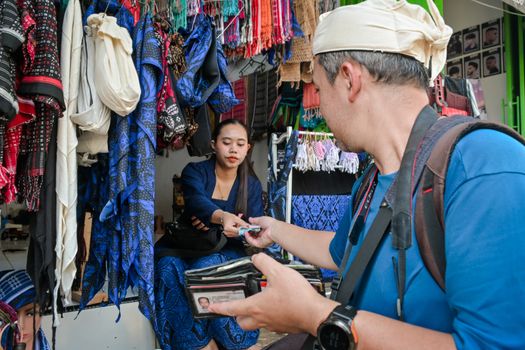
- Support Local, Small Businesses: When you buy from a local artisan, a family-run shop, or a street vendor, you're not just getting a product; you're often getting a story and a recommendation. Strike up a conversation!
- Learn Basic Phrases: Even a few words in the local language ("hello," "thank you," "please," "delicious") can break down barriers and open doors. Locals appreciate the effort and are more likely to engage with you authentically.
3. Master the Art of the Off-Peak & Off-Path: Timing is Everything
Crowds, queues, and inflated prices are hallmarks of tourist traps. By strategically timing your visits and venturing slightly off the beaten path, you can transform your experience.
Actionable Advice:
- Early Bird or Night Owl: For major attractions like the Vatican, the Louvre, or the Tower of London, arrive right when they open or an hour before closing. The difference in crowd levels is astronomical. Imagine experiencing the Sistine Chapel with only a handful of people, rather than being herded through like cattle. I once visited the Sagrada Familia in Barcelona right at opening. The morning light streaming through Gaudi's stained glass was breathtaking, almost spiritual, and I had ample space to simply be before the tour groups descended.
- Embrace the Shoulder Seasons: Traveling during spring (April-May) or fall (September-October) often means better weather, fewer crowds, and lower prices for flights and accommodation compared to peak summer. You get all the beauty without the chaos.
- Walk, Walk, Walk (and Get Lost Safely): Your feet are your best friends. Many of the most charming spots are discovered by simply wandering. Turn down that intriguing alleyway, explore the residential streets adjacent to the main square. Always have Google Maps open in the background (offline maps are a lifesaver!), but allow yourself to drift. I discovered the most charming antique market in Florence, Mercato delle Pulci, simply by taking a wrong turn away from the Ponte Vecchio crowds. It felt like stumbling upon a secret.
- Explore Adjacent Neighborhoods: Instead of dining directly on Venice's Piazza San Marco, cross a bridge or two into Cannaregio or Castello. You'll find authentic bacari (wine bars) serving delicious cicchetti (snacks) at a fraction of the price, surrounded by locals enjoying their evening.
4. The Culinary Compass: Eat Like a Local, Not a Tourist
Food is often the most direct gateway to a culture's soul. Tourist trap restaurants, however, will offer you bland, overpriced imitations designed for the lowest common denominator.
Actionable Advice:
- Beware of the "Red Flags" Menu: If a restaurant has an English menu prominently displayed outside, pictures of every dish, or a tout trying to lure you in, run the other way. These are almost guaranteed tourist traps.
- Look for Local Crowds: The ultimate indicator of good, authentic food is a place packed with locals, especially during lunch or dinner hours. If it's empty, or only filled with other tourists, it's a warning sign.
- Street Food & Markets are Your Friends: From tacos al pastor in Mexico City to pad see ew in Bangkok, street food is often the most authentic, delicious, and budget-friendly option. Similarly, local markets (like Borough Market in London or La Boqueria in Barcelona, though parts of the latter are now touristy) are fantastic for fresh produce, local delicacies, and often have small stalls serving prepared meals. My most memorable meal in Mexico City was from an unmarked street cart near the Zócalo, serving the most incredible suadero tacos for pennies. I only found it because a local pointed me there.
- Learn a Few Food-Related Phrases: Knowing how to ask for the "special of the day" (plat du jour, plato del día), or to compliment the chef, can lead to a more personal and authentic dining experience.
- Avoid Restaurants with Generic International Cuisine: If a restaurant offers Italian, Chinese, and American food all on one menu in Paris, you can bet none of it will be good. Stick to establishments specializing in local cuisine.
5. Beyond the Souvenir Stand: Experiences Over Knick-Knacks
Do you really need another mass-produced keychain or miniature landmark? True souvenirs are the memories, skills, and connections you make.
Actionable Advice:
- Seek Out Artisan Markets & Local Boutiques: Instead of generic souvenir shops, look for local craft markets or small boutiques. You'll find unique, handmade items that genuinely reflect the local culture and support local artists directly. I bought a beautiful, hand-painted ceramic tile in Seville from a tiny workshop tucked away in the Jewish Quarter, and it feels so much more special than a mass-produced magnet.
- Invest in Consumables: Local spices, artisanal chocolates, specialty coffees, local wines, or unique food items make for fantastic, authentic souvenirs. They are used, enjoyed, and remind you of your trip in a delicious way.
- Prioritize Experiences: Instead of buying things, do things. Take a cooking class (I took a macaron baking class in Paris and brought home recipes and memories, far better than any Eiffel Tower trinket!), attend a local concert, go on a guided nature hike, learn a few dance steps, or simply spend an afternoon people-watching in a local park. These are the "souvenirs" that truly enrich your life.
- Support Ethical & Sustainable Tourism: Choose tour operators and businesses that respect local communities, traditions, and the environment. This ensures your travel has a positive impact and helps preserve the authenticity you're seeking.
6. Trust Your Gut & Be Smart: Safety First, Authenticity Second
While seeking authenticity, it's crucial to remain aware and protect yourself from common scams and unsafe situations. Tourist traps aren't just about overpriced goods; they can also be about exploitation.
Actionable Advice:
- If It Feels Too Good to Be True, It Probably Is: Be wary of unsolicited offers, especially for "free" items (like the infamous "friendship bracelet" scam in Rome or Paris) or incredibly cheap services. My first "bracelet" experience taught me this valuable lesson.
- Agree on Prices Upfront: Always confirm the price of a taxi, a street vendor's item, or any service before you engage. Don't assume. In many places, negotiating is expected.
- Be Wary of Unsolicited "Help": People offering to "help" you with your bags, directions, or take your photo near major attractions are often looking for payment or distraction for pickpocketing. Politely decline.
- Keep Valuables Secure: In crowded areas, always keep your wallet in a front pocket, use a cross-body bag, or consider a money belt. Be aware of your surroundings.
- Research Common Local Scams: A quick Google search for "[City Name] travel scams" can arm you with valuable knowledge before you arrive. Knowing about the "broken camera" scam, the "bird poop" scam, or fake petition scams can save you a lot of hassle and money.
- Listen to Warnings from Reputable Sources: If your hotel or a trusted local warns you about a particular area or type of interaction, take it seriously.
Your Journey to Unforgettable Experiences Awaits!
Escaping tourist traps isn't about avoiding popular spots entirely; it's about experiencing them on your terms, then venturing beyond the facade. It's about seeking out the genuine, the unexpected, and the utterly local. It's about finding that hidden cafe with the best churros, or that quiet park where local families gather on a Sunday afternoon, or that bustling market where you haggle for fresh produce. These are the moments that truly define a trip, transforming it from a mere vacation into a profound, life-altering adventure.
So, next time you plan a trip, ditch the generic guides, embrace your inner digital detective, chat with a local, and let your curiosity lead the way. You'll discover experiences so rich, so authentic, and so utterly unforgettable, you'll feel like you've unlocked the secret heart of the world, one hidden gem at a time. These aren't just experiences you should have; they're experiences you need to have before you die.
Now it's your turn, fellow adventurers! What's your best anti-tourist-trap tip? Share your most memorable authentic travel experience in the comments below! Let's inspire each other to travel smarter, deeper, and more authentically.
---
More pictures



Tags
Share this guide
We may earn a commission if you click a link and buy a product or service, at no extra cost to you. How affiliate links work.
Been there?