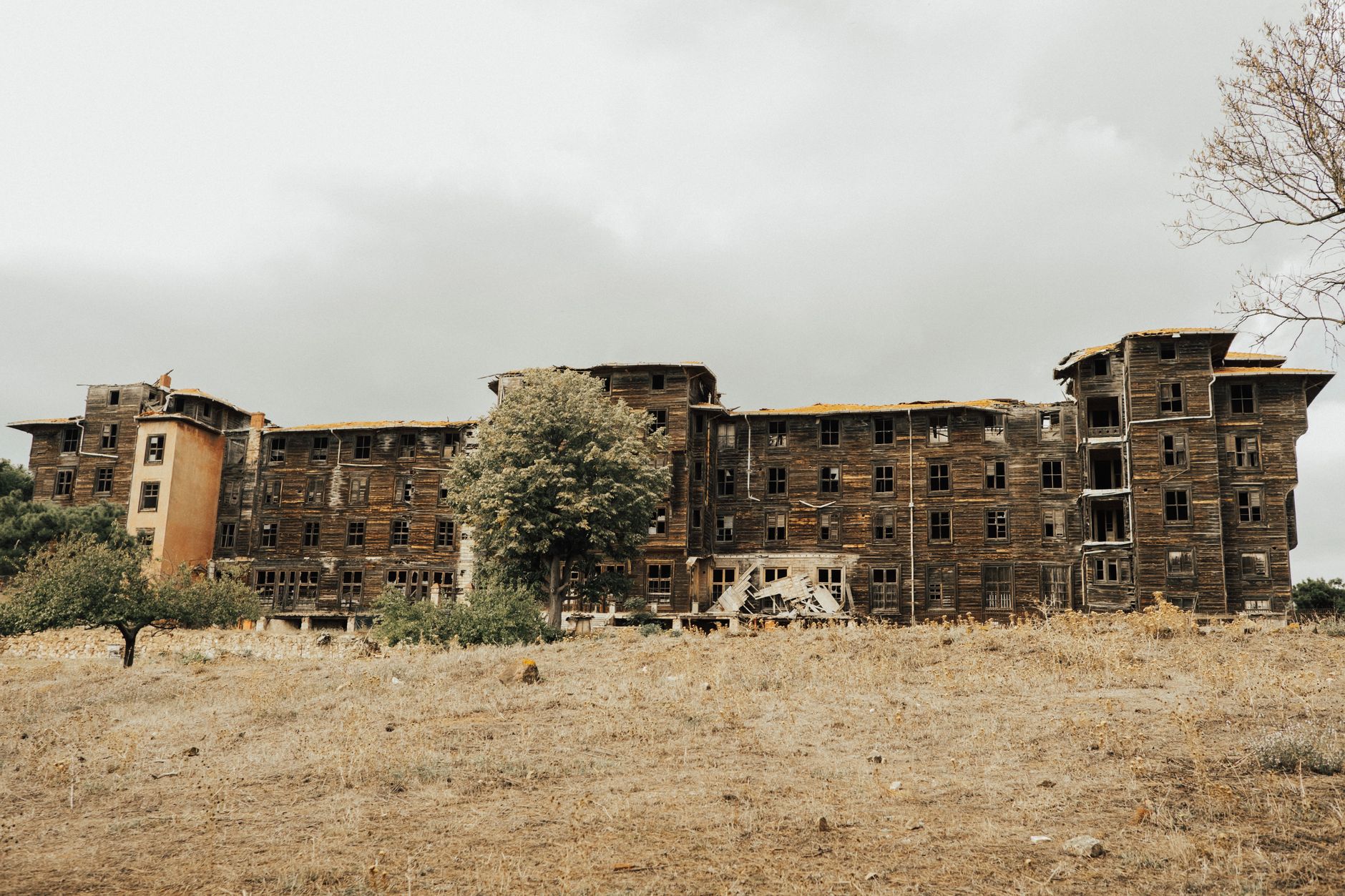
There's a profound beauty in decay, a silent narrative whispered by forgotten walls. These aren't just ruins; they're vibrant testaments to resilience and imagination, offering profound travel experiences that will redefine your journey and change how you see the world. --- ##
Whispers from the Past: How Abandoned Places Became My Greatest Teachers
I remember standing at the edge of what looked like a colossal, rusted skeleton against a bruised sky. It was my first encounter with an abandoned industrial complex, a former textile mill swallowed by invasive ivy and decades of silence. The air hung heavy with the scent of damp concrete and forgotten dreams. A shiver ran down my spine, a mix of trepidation and an undeniable pull towards the unknown. My rational mind screamed, "Danger! Turn back!" But my adventurous spirit, the one that lives for the untold stories of the world, urged me forward.
That day, navigating crumbling hallways and vast, empty workshops where machinery once roared, something shifted within me. It wasn't just the thrill of forbidden exploration; it was the profound connection to a past era, a tangible sense of history that no museum plaque could ever replicate. It was the realization that even in decay, there is immense beauty, and in abandonment, a powerful story waiting to be told.
Since then, my travels have taken an extraordinary turn. I've actively sought out places that were once vibrant, then forgotten, and now, through vision and dedication, have been reborn as incredible tourist attractions. These aren't your typical pristine landmarks; they are raw, authentic, and often hauntingly beautiful spaces that offer a unique lens through which to view human history, resilience, and the relentless march of time. They changed how I travel forever, inviting me to look beyond the surface and listen to the whispers of the past. And trust me, they’ll change yours too.
The Allure of the Forgotten: Why Abandoned Places Captivate Our Souls
Why are we so drawn to these spectral remnants of human endeavor? Is it the thrill of peeking behind the curtain of time? The romanticism of decay? Or perhaps the stark reminder of impermanence, juxtaposed with the enduring power of nature and human spirit?
For me, it’s all of the above. Abandoned places offer a unique narrative. They tell tales of boom and bust, of innovation and obsolescence, of lives lived and dreams shattered. When these sites are lovingly preserved and thoughtfully transformed into accessible attractions, they become more than just ruins; they become living museums, interactive art installations, and poignant memorials. They allow us to step into a different reality, to walk in the footsteps of those who came before us, and to ponder the cyclical nature of progress and decline.
The best part? Many of these reborn wonders are now UNESCO World Heritage sites, ensuring their preservation for future generations while offering incredible, safe, and regulated experiences for curious travelers like us. Forget dusty museums; these places offer an immersive, Instagram-worthy journey into history that feels utterly authentic.
Let me take you on a journey to some of the most profound abandoned places that have been lovingly repurposed and changed my life forever.
From Industrial Relic to Cultural Epicenter: Zeche Zollverein, Germany
Imagine a colossal, intricate machine, a marvel of industrial engineering, now standing silent yet majestic, breathing new life as a vibrant cultural hub. That’s Zeche Zollverein in Essen, Germany, a UNESCO World Heritage site that was once the largest and most modern coal mine in the world. When I first approached its iconic twin-winding towers, a masterpiece of Bauhaus architecture, I felt dwarfed by its sheer scale and history.
My Experience: My visit to Zollverein was like stepping into a steampunk dream. The sheer scale of the former coal washing plant, now home to the Red Dot Design Museum, is mind-boggling. The colossal machinery, the intricate network of pipes and conveyor belts, all meticulously preserved, felt like a journey into the heart of the Industrial Revolution. I spent hours wandering through the vast spaces, imagining the deafening roar of the machines and the countless miners who toiled here. What truly blew me away was how seamlessly modern art installations and design exhibitions coexisted with the raw industrial aesthetic. You can literally see a cutting-edge smartphone display just meters from a colossal coal crusher.
But Zollverein isn't just a museum. It's an entire campus transformed. There's the Ruhrmuseum, chronicling the history of the Ruhr region, housed in the former coal preparation plant. In winter, the coking plant's former cooling basins transform into an outdoor ice rink, an incredible juxtaposition of industrial heritage and joyful recreation. There are art studios, restaurants, and even a design university on site. It’s a testament to how intelligent repurposing can turn a symbol of heavy industry into a beacon of culture and innovation.
Specifics & Practical Tips:
- Location: Essen, Germany (easily accessible by public transport from major Ruhr area cities).
- Cost: Many areas, including the grounds and some exhibitions, are free. The Red Dot Design Museum and Ruhrmuseum have separate entry fees (approx. €10-€15 per museum). Guided tours are highly recommended (around €10-€15) for a deeper understanding.
- Must-Do: Take a guided tour (especially the "Path of Coal" tour) to understand the mining process. Climb the escalator to the roof of the coal washing plant for panoramic views. Visit the Red Dot Design Museum.
- Instagram-Worthy: The iconic headframe of Shaft 12, the geometric patterns of the coking plant, the juxtaposition of old machinery with modern art.
- Tripsora Tip: Allocate a full day, or even two half-days, to truly explore the vast complex. Wear comfortable walking shoes. Check their website for current exhibitions and events – there’s always something happening!
A City Reborn from Ash: Hashima Island, Japan (Battleship Island)
Few places evoke such a potent mix of awe and melancholy as Hashima Island, famously known as Gunkanjima or "Battleship Island." This tiny island off the coast of Nagasaki was once the most densely populated place on Earth, a thriving coal mining community. Then, in 1974, with the decline of coal, it was abruptly abandoned, leaving behind a haunting cityscape of concrete buildings slowly crumbling into the sea.
My Experience: The boat ride to Hashima was atmospheric, to say the least. As the island's silhouette emerged from the mist, resembling a formidable battleship, a hush fell over the boat. Stepping onto the designated viewing platforms, the silence was profound, broken only by the wind and the distant crash of waves. I walked along the designated paths, peering into the skeletal remains of apartment blocks, schools, and hospitals. It was like a ghost town frozen in time, each decaying window and collapsing wall whispering stories of the thousands who once lived, loved, and labored here.
The most poignant aspect was imagining the vibrant community that once thrived on this isolated rock. The narrow alleys, the shared facilities, the incredible ingenuity of building a self-sufficient city on such a small footprint. Seeing the remnants of everyday life – a broken television, a child's toy – amidst the encroaching decay was incredibly moving. It's a stark reminder of humanity's ambition, resilience, and the transient nature of even the most robust civilizations.
Specifics & Practical Tips:
- Location: Off the coast of Nagasaki, Japan.
- Cost: Only accessible via licensed tour operators. Expect to pay around ¥4,500-¥5,000 (approx. $30-$35 USD) for the boat tour, which typically lasts 2-3 hours including the island landing.
- Must-Do: Book your tour well in advance, especially during peak season. Pay attention to the onboard commentary which provides crucial historical context.
- Instagram-Worthy: The iconic concrete skyline resembling a battleship, the dramatic coastline, the eerie interiors glimpsed from the viewing platforms.
- Tripsora Tip: Tours can be cancelled due to rough seas, so have a backup plan. Wear layers, as it can be windy. Respect the strict rules – you cannot stray from the designated paths for safety and preservation reasons. This isn't urban exploration; it's a historical pilgrimage.
The Ghost Town with a Heartbeat: Kolmanskop, Namibia
Deep in the Namib Desert, a surreal landscape unfolds. Here, the relentless sands have reclaimed a once-thriving diamond mining town, creating a breathtaking tableau of decay and natural beauty. Kolmanskop, Namibia, is a ghost town unlike any other, where sand dunes drift through the doorways of elegant mansions and fill rooms up to their ceilings.
My Experience: Arriving at Kolmanskop just after sunrise, the light was ethereal, casting long shadows across the desert-swallowed buildings. It felt like walking onto a movie set from another dimension. I stepped into a former ballroom where the floor was a pristine, undulating dune, and sunlight streamed through broken windows, illuminating dancing dust motes. The vibrant, peeling paint on the walls contrasted starkly with the soft, golden sand.
The guided tour provided incredible insights into the town's opulent past – the first X-ray machine in the Southern Hemisphere, a bowling alley, a casino, all built for the German miners and their families who struck it rich here in the early 20th century. Then, the diamonds ran out, and by the 1950s, the town was completely abandoned. Today, it’s a controlled "museum town," with some buildings partially restored to show their former glory, while others are left to the desert's mercy, creating a powerful visual narrative of nature reclaiming civilization. It's an incredibly unique experience that perfectly blends history, photography, and the raw power of the natural world.
Specifics & Practical Tips:
- Location: Near Lüderitz, Namibia.
- Cost: Entry fee is approximately NAD 250-300 (approx. $15-$20 USD), which typically includes a guided tour. Photography permits for commercial use might be extra, but personal photography is encouraged.
- Must-Do: Take the guided tour to understand the town's history. Explore the sand-filled houses at your own pace afterwards.
- Instagram-Worthy: The iconic sand-filled rooms, the dramatic light streaming through broken windows, the vibrant colors of peeling paint against the desert backdrop.
- Tripsora Tip: Go early in the morning for the best light (golden hour!) and to avoid the midday heat and crowds. Bring plenty of water, a wide-brimmed hat, and sturdy shoes (sand gets everywhere!). A good camera is a must for capturing the incredible textures and light.
From Prison Walls to Public Art: Eastern State Penitentiary, USA
There's a palpable chill that lingers in the air at Eastern State Penitentiary in Philadelphia, Pennsylvania. Once the most famous and expensive prison in the world, pioneering the "penitentiary system" of solitary confinement, it housed notorious criminals like Al Capone. Abandoned in 1971, it now stands as a National Historic Landmark and a profoundly moving museum.
My Experience: My first steps into Eastern State were met with an eerie silence, broken only by the creak of my own shoes and the disembodied voices of the excellent audio tour. Walking down the long, vaulted hallways of the cellblocks, with their crumbling walls and decaying cells, was a profoundly immersive experience. I peered into Al Capone's surprisingly plush cell, listened to former guards and inmates recount their experiences, and reflected on the complex history of justice and punishment.
What truly sets Eastern State apart is its thoughtful integration of contemporary art installations. These pieces, often thought-provoking and site-specific, breathe new life into the desolate spaces, adding another layer of commentary on themes of confinement, freedom, and human rights. From a massive installation of toy LEGO houses representing the current US incarceration rate to a powerful soundscape in the hospital wing, the art enhances, rather than detracts from, the historical gravity of the site. It's a place that makes you think, feel, and reflect long after you've left.
Specifics & Practical Tips:
- Location: Philadelphia, Pennsylvania, USA (easily accessible within the city).
- Cost: Entry is typically $17-$25 USD depending on the season and day. The excellent audio tour, narrated by actor Steve Buscemi, is included.
- Must-Do: Absolutely take the audio tour; it's incredibly well-produced and provides invaluable context. Allow at least 2-3 hours for your visit.
- Instagram-Worthy: The dramatic, crumbling cell blocks, the central "hub" design, the juxtaposition of decay and modern art installations.
- Tripsora Tip: Check their website for special events. During Halloween, they host "Terror Behind the Walls," a massive haunted house experience, which is a completely different (and much scarier!) way to see the prison. Visit during the day for a more historical and reflective experience.
Practical Tips for Your Own Abandoned Adventure
Inspired to explore these captivating sites? Here's some actionable advice to make your journey safe, respectful, and unforgettable:
- Safety First: Always stick to designated paths and guided tours at official attractions. Never venture into truly abandoned, unregulated sites alone or without proper research and safety precautions (and often, permission). Heed all warning signs.
- Respect the History & Environment: These places are fragile. Do not touch, remove, or vandalize anything. Leave no trace behind. Remember, you're a guest in a place with a rich, often poignant, past.
- Research is Key: Before you go, check opening hours, entry fees, tour requirements, and accessibility. Some sites, like Hashima, are weather-dependent. Read up on the history – it will profoundly enrich your visit.
- Gear Up:
- Comfortable Shoes: You'll be doing a lot of walking, often on uneven terrain.
- Water & Snacks: Especially for remote or large sites like Kolmanskop or Zollverein.
- Camera & Power Bank: You'll want to capture every detail, and your phone battery will drain quickly with all those photos!
- Appropriate Clothing: Layers are always a good idea, and consider hats/sunscreen for outdoor sites.
- Photography Etiquette: Be mindful of other visitors. Don't block pathways or spend too long setting up a shot if others are waiting. Some locations might have specific rules about tripods or commercial photography.
- Embrace the Story: These aren't just pretty backdrops. Engage with the history, listen to the audio guides, talk to the local guides. The stories are what truly transform these places from mere ruins into profound experiences.
The Journey Continues: What Will You Uncover?
Stepping into these reborn abandoned places is more than just sightseeing; it's a profound journey through time, a meditation on human endeavor, and a powerful reminder of the beauty that can emerge from decay. They push you to look beyond the surface, to connect with history on a visceral level, and to appreciate the ingenuity and resilience of those who came before us.
My travels to Zeche Zollverein, Hashima Island, Kolmanskop, and Eastern State Penitentiary have irrevocably changed my perspective on travel, history, and the very concept of beauty. They taught me that the most impactful experiences often lie off the beaten path, in the quiet corners where the past whispers its loudest.
What abandoned wonders have you explored that left an indelible mark on your soul? Share your stories and recommendations in the comments below! Don't forget to tag #TripsoraAdventures and #RebornPlaces on your next journey to these incredible, transformative destinations. Let's inspire each other to unearth the past and discover the profound beauty in what was once forgotten. The world is full of these hidden gems, just waiting for you to listen to their stories.
---
More pictures

Tags
Share this guide
We may earn a commission if you click a link and buy a product or service, at no extra cost to you. How affiliate links work.
Been there?