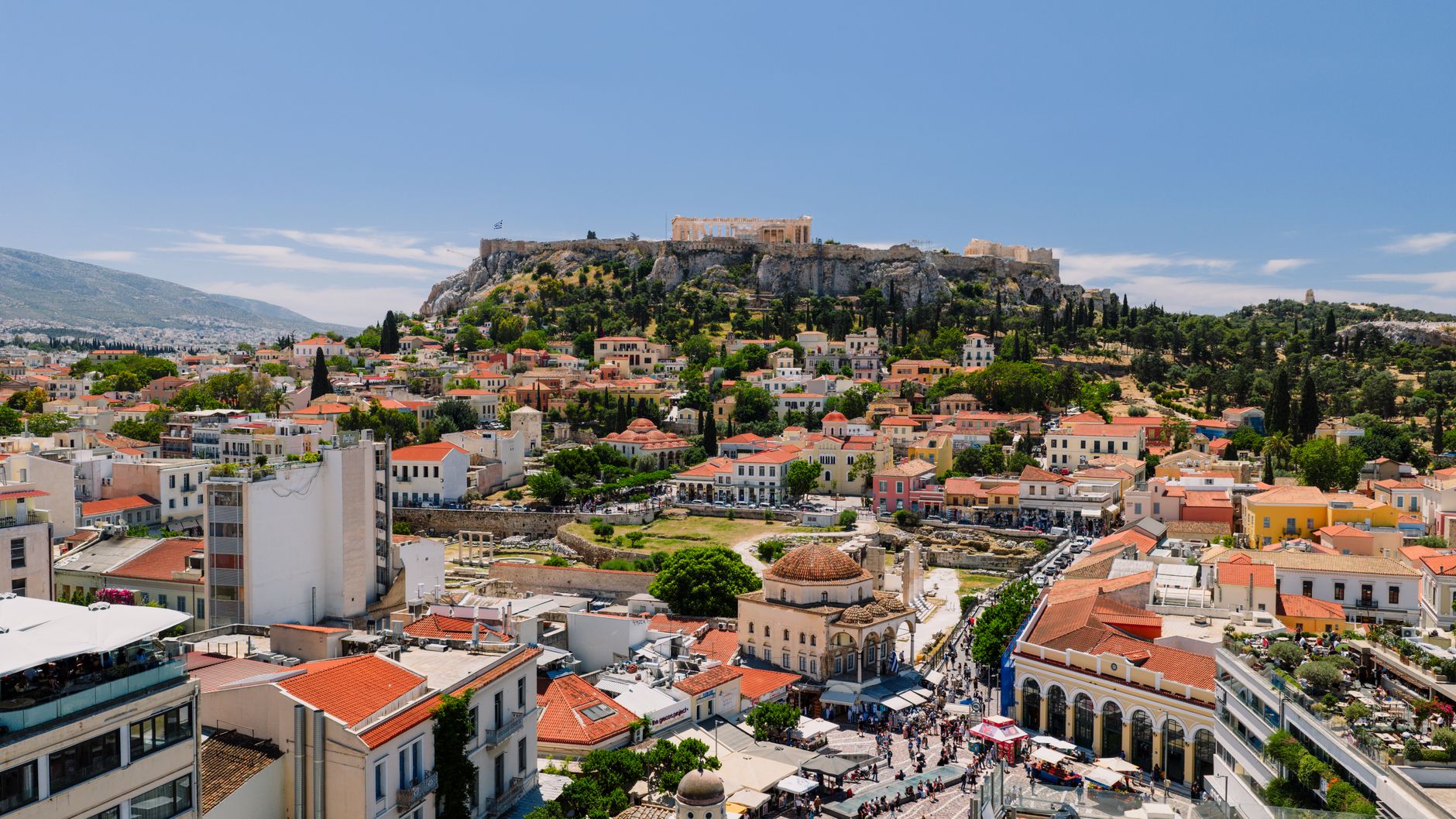
Tired of tourist-choked city centers? You don't need a multi-day flight to touch real history. From the ancient Roman port city that rivals Pompeii to medieval timber-framed hamlets hidden an hour from London, these elite day trips unlock centuries of architecture, local flavor, and epic storytelling—all within a two-hour train or car ride from six global capitals. Grab your bag; we are ditching the asphalt jungle for limestone, obsidian, and ancient oak. ---
The Escape Factor: Why 120 Minutes Changes Everything
I stepped off the local train onto the creaky wooden platform at Rye station, and the frantic hum of London’s Underground vanished into crisp, salt-tinged sea air and the faint aroma of burning woodsmoke. Within seventy minutes, I had traded diesel fumes and concrete towers for cobbled alleys carved by 14th-century smugglers and half-timbered jettied taverns where time seemed to have frozen during the reign of Henry VIII.
Most travelers make a critical mistake: they stick to the city grid until their feet ache, fighting three-deep crowds at mega-attractions. But the world’s greatest metropolises are surrounded by historic rings—sacred temples, royal hunting lodges, ancient trade ports, and revolutionary battlefields—sitting precisely inside a two-hour travel radius.
If you know where to look, a short suburban rail ride or highway sprint can transport you centuries into the past. Here is your definitive, field-tested masterclass on the most incredible historic sites within 2 hours of major cities right now.
---
1. London to Rye & Bodiam Castle (East Sussex, UK)
Travel Time: 1 hour 10 minutes via High-Speed 1 train from London St Pancras to Ashford International, connecting to Rye.
The Atmosphere
Perched on a hill overlooking the Romney Marsh, Rye is a living time capsule. Once an essential Cinque Port defending England against French raiders, this medieval town feels pulled straight from a Gothic novel. Streets like Mermaid Street boast steep, uneven cobbles flanked by timber-framed houses dating back to 1420.
A fifteen-minute local bus ride further into the countryside lands you at Bodiam Castle, a quintessential 14th-century moated fortress rising dramatically out of lily-covered waters.
Architectural Highlights
Look closely at the Mermaid Inn—rebuilt in 1420 after French raiders burned the town—to spot original Tudor oak beams, secret priest holes, and sprawling open fireplaces carved from local Kentish ragstone. At Bodiam, observe the massive portcullis grooves and murder holes built into the twin-towered gatehouse.
``` +-----------------------------------------------------------------------+ | INSIDER PRO-TIP | | Head to St. Mary’s Church tower in Rye by 9:30 AM. For £4, climb the | | narrow wooden ladders to stand beside the 1561 clock mechanism—one of | | the oldest operating church clocks in England—for an unmatched 360° | | view over Sussex down to the English Channel. | +-----------------------------------------------------------------------+ ```
Local Taste
Order a hot cardamom-spiced bun at The Cobbles Tea Room hidden down a narrow passage, followed by a pint of local Harvey’s Sussex Best Bitter in front of the giant hearth at the Mermaid Inn.
---
2. Rome to Ostia Antica (Lazio, Italy)
Travel Time: 30 minutes on the Metromare train from Roma Porta San Paolo (Piramide station).
``` [Rome Piramide Station] | | 30 mins via Metromare Line v [Ostia Antica Station] | | 5-minute footbridge walk v [2,000-Year-Old Roman Port City Ruins] ```
The Atmosphere
While tourists wait three hours in line under the scorching sun at the Colosseum, local Romans head west to Ostia Antica. This was imperial Rome’s bustling commercial port city, eventually abandoned after the fall of the empire and preserved under silt for centuries. Because it lacks the apocalyptic hype of Pompeii, you can wander empty 2,000-year-old streets in near-solitude, accompanied only by the whispering wind through umbrella pine trees (Pinus pinea).
Architectural Highlights
Unlike Pompeii's volcanic ash preservation, Ostia preserves multi-story brick apartment buildings (insulae), ancient taverns (thermopolia), and intact communal public toilets. Walk through the Piazzale delle Corporazioni (Square of the Guilds) to examine intact black-and-white floor mosaics depicting merchant ships, lighthouses, and dolphins that advertised sea traders 1,900 years ago.
Insider Details
- The Hidden Entrance: Don't skip the Capitolium temple at the center of the forum. Behind its massive brick podium lies a lower staircase leading to subterranean chambers where priests stored sacred offerings.
- Best Photo Spot: Climb to the top tiers of the restored 2nd-century Roman Theater during late afternoon; the sun illuminates the marble stage against a backdrop of deep green pines.
---
3. Tokyo to Kamakura & Kencho-ji (Kanagawa, Japan)
Travel Time: 55 minutes via the JR Yokosuka Line direct from Tokyo Station.
The Atmosphere
In 1192, Minamoto no Yoritomo established Japan’s first samurai government in Kamakura, creating a coastal center of military power surrounded by steep forest-clad hills and the Pacific Ocean. Today, it remains the ultimate antidote to Tokyo’s neon neon-lit freneticism. The air smells of salt water, cedar incense, and fresh matcha.
Architectural Highlights
Beyond the famous outdoor bronze Daibutsu (Great Buddha) at Kotoku-in, focus your attention on Kencho-ji, the oldest Zen training monastery in Kamakura (founded in 1253).
- Sanmon Gate: The massive two-story wooden entry gate built in 1775 features hand-carved dragon ceiling panels.
- Hojo (Abbot's Quarters): Step across squeaking "nightingale floors" (designed to alert monks to intruders) into a tranquil Zen garden composed of meticulously raked gravel surrounding a glass-like reflecting pond.
``` +-----------------------------------------------------------------------+ | PRO-TIP: THE HIDDEN HIKE | | Skip the crowded shuttle buses. Take the Tenen Hiking Trail behind | | Kencho-ji. The trail climbs steep stone steps lined with tengu | | (crow-demon) statues to the Hans坊 (Hansobo) Shrine, offering views | | of Mount Fuji on clear mornings. | +-----------------------------------------------------------------------+ ```
Local Taste
Stop at a street stall along Komachi-dori for Kamakura-bori style presentation foods, or grab a bowl of local shirasu-don (raw or boiled baby sardines served over warm rice with fresh grated ginger and shiso leaf).
---
4. Mexico City to Teotihuacan & San Juan (State of Mexico)
Travel Time: 1 hour by direct bus leaving from Terminal Central del Norte.
The Atmosphere
Long before the Aztecs dominated Central Mexico, an enigmatic civilization built Teotihuacan, the "City of the Gods." At its peak in 400 AD, this metropolis housed over 100,000 people. Arriving here at 8:00 AM reveals a landscape bathed in amber light, where towering pyramids bisect the desert floor along the central axis known as the Avenue of the Dead.
Architectural Highlights
- Pyramid of the Feathered Serpent: Observe the intricate stone carvings of Quetzalcoatl alternating with the rain god Tlaloc, displaying remnants of original red and green cinnabar pigments.
- Talud-Tablero Style: Notice the unique Mesoamerican architectural style featuring alternating sloping panels (talud) and vertical framed panels (tablero) that create dynamic light and shadow effects throughout the day.
``` TEOTIHUACAN LAYOUT
[Pyramid of the Moon] | | 2.5 km stretch | (Avenue of the Dead) | [Pyramid of the Sun] | | [Temple of Quetzalcoatl] ```
Insider Details
- Avoid the Trap: Do not buy cheap plastic souvenirs near the entrance gates. Walk 10 minutes into the neighboring town of San Juan Teotihuacán after exploring the ruins.
- The Artisans: Visit the family workshop at Taller de Obsidiana near Gate 3 to watch master craftsmen flake raw jet-black volcanic glass into surgical-sharp blades using traditional bone techniques.
---
5. New York City to Sleepy Hollow & Philipsburg Manor (New York, USA)
Travel Time: 52 minutes on the Metro-North Hudson Line express train from Grand Central Terminal to Philipse Manor or Tarrytown station.
The Atmosphere
Leaving the towering glass of Manhattan behind, the train traces the eastern bank of the Hudson River, where blue water frames the towering stone cliffs of the Palisades. Sleepy Hollow is not just Washington Irving’s fictional ghost story; it is a preserved pocket of early Dutch Colonial settlement, Revolutionary War espionage, and Gilded Age grandeur.
Architectural Highlights
- Old Dutch Church (1685): Built from local red sandstone and fieldstone, this is one of the oldest extant churches in New York. The surrounding churchyard contains original brownstone markers carved with winged skull motifs, dating back to the late 1600s.
- Philipsburg Manor (1750): An authentic Dutch manor house, heavy timber mill, and trading post that provides a stark, unvarnished look into the lives of enslaved Africans who operated the grain milling empire on the Pocantico River.
``` +-----------------------------------------------------------------------+ | PRO-TIP: LOGISTICS | | Sit on the LEFT side of the Metro-North train outbound from Grand | | Central for uninterrupted, water-level views of the Hudson River and | | the historic lighthouses along the route. | +-----------------------------------------------------------------------+ ```
Local Taste
Walk into nearby Tarrytown and visit Main Street Sweets for fresh apple cider donuts made with local Hudson Valley orchards' pressings, or sip a craft pale ale at The Horseman Taproom.
---
6. Paris to Château de Fontainebleau (Seine-et-Marne, France)
Travel Time: 40 minutes on Transilien Line R from Paris Gare de Lyon to Fontainebleau-Avon, plus a 10-minute local line 1 bus.
The Atmosphere
Forget the three-hour ticket queues and camera-swarming hall of mirrors at Versailles. Château de Fontainebleau served as the sovereign residence for French monarchs for over eight centuries, from Louis VII to Napoleon III. Surrounded by a massive 50,000-acre royal hunting forest of sandstone boulders and towering oaks, it offers grand French history without the oppressive crowd noise.
Architectural Highlights
Fontainebleau is an architectural chameleon showing medieval, Renaissance, and Classical elements seamlessly fused together.
``` MEDIEVAL KEEP (12th C.) │ ▼ RENAISSANCE GALERIE FRANÇOIS I (16th C.) [Stucco works by Italian master Rosso Fiorentino] │ ▼ BAROQUE HORSESHOE STAIRCASE (17th C.) [Site of Napoleon's emotional 1814 farewell] ```
- Galerie François I: The birthplace of the French Renaissance, featuring walnut woodwork carved by Italian craftsmen and stucco bas-reliefs framing allegorical frescoes.
- The Horseshoe Staircase: Designed by Jean Androuet du Cerceau in 1634, this magnificent sandstone staircase was where Napoleon famously bid farewell to his Old Guard before exiled to Elba.
Insider Details
- The Secret Garden: Skip the formal Grand Parterre and stroll around the Jardin Anglais (English Garden), laid out under Napoleon. Locate the hidden Fontaine Blaut, the natural freshwater spring that gave the palace its name.
- Best Time to Visit: Arrive on a Tuesday morning; while the Louvre and Versailles are notoriously closed or partially restricted, Fontainebleau is open, quiet, and tranquil.
---
Master Logistics & Budget Matrix
To make your trip planning effortless, here is your breakdown of travel costs, optimal windows, and essential transportation notes for all six day trips:
| Destination | Neighboring Metro | Transit Mode | Approx. Round-Trip Transit Cost | Optimal Visiting Window | Must-See Historic Highlight | | :--- | :--- | :--- | :--- | :--- | :--- | | Rye & Bodiam | London, UK | Southeastern Rail / Stagecoach Bus | £28–£42 ($35–$53 USD) | May – October (Wed–Sun) | Mermaid Street & Bodiam Moat | | Ostia Antica | Rome, Italy | Metromare Suburban Train | €3.00 ($3.25 USD) | October – April (Tues–Sun) | Mosaics of the Guilds & Forum | | Kamakura | Tokyo, Japan | JR Yokosuka Line | ¥1,900 ($12.50 USD) | Nov – Dec (Autumn Leaves) | Kencho-ji Monastery & Gardens | | Teotihuacan | Mexico City, MX | Autobuses Teotihuacán | $120 MXN ($7.00 USD) | November – March (8:00 AM gate open) | Pyramid of the Serpent & Obsidian Shops | | Sleepy Hollow | New York City, USA | Metro-North Hudson Line | $22–$30 USD | September – November | Old Dutch Churchyard & Manor Mill | | Fontainebleau | Paris, France | Transilien Line R + Bus | €10.00 (Free with Navigo Pass) | Year-round (Tuesdays ideal) | Galerie François I & Forest Trails |
---
Final Tactical Checklist for the Smart Traveler
Before heading out on any of these high-efficiency historic escapes, keep these three rules locked in your strategy:
- Pre-Purchase Regional Rail Passes: In cities like Paris or Tokyo, buying digital transit cards (like Suica on Apple Wallet or the Île-de-France Mobilités app) saves up to 30 minutes in line at ticket kiosks during peak morning hours.
- Reverse the Tourist Stream: Most casual tour buses leave major city hotels between 9:00 AM and 10:00 AM. Catch the 7:15 AM suburban train. You will arrive as gates open, get 90 minutes of pure, uncrowded photography, and be sipping local coffee by the time the big coaches arrive.
- Respect Local Dress & Customs: Historic religious sites like Kencho-ji require easy off/on footwear without holes in your socks. Ancient ruins like Teotihuacan or Ostia Antica demand flat, rubber-soled walking shoes—leave the slick sneakers or dress shoes in your hotel room.
Real history isn't tucked behind glass inside noisy city museums. It's waiting just a short train ride away—carved into ancient river stones, preserved under forest canopies, and ready to be explored right now.
---
More pictures


Tags
Share this guide
We may earn a commission if you click a link and buy a product or service, at no extra cost to you. How affiliate links work.
Been there?