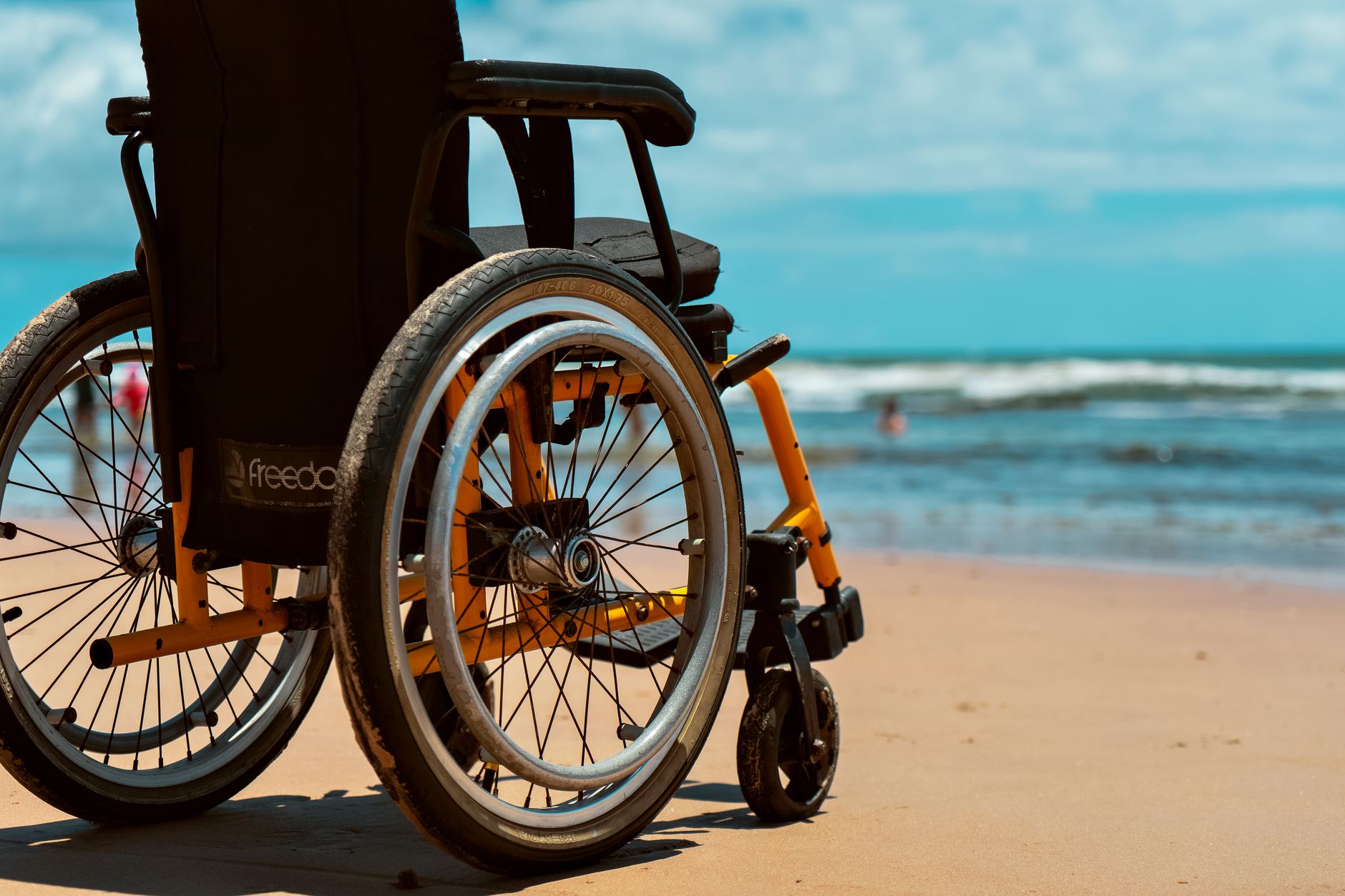
Planning an adaptive African safari no longer means compromising on thrill, comfort, or wildlife density. From custom Toyota Land Cruisers fitted with heavy-duty hydraulic lifts to roll-in pontoon boats on the Chobe River and accessible hot air balloon baskets over the Mara, top safari experts are re-engineering bush travel. Here is Tripsora’s ultimate, field-tested guide to the premier accessible safari vehicles, lodges, and bucket-list experiences opening up the wilderness to every traveler. ---
Breaking Boundaries in the Bush: The Ultimate Guide to Accessible Safaris
I stepped off the light aircraft onto the red dirt runway of the Sabi Sand Reserve, and the smell hit me immediately: damp river bank soil, crushed wild sage, and the sharp, dry heat of late-afternoon acacia wood. But what caught my eye wasn't the distant silhouette of a giraffe browsing on thorn trees—it was the custom-engineered Toyota Land Cruiser idling near the hangar.
For decades, African safaris were considered one of the final frontiers of travel, often plagued by rigid physical barriers, rough-terrain vehicles with high step-ups, and inaccessible wilderness camps. Today, that narrative has completely shifted. Groundbreaking engineering, progressive lodge design, and specialized adaptive guides have transformed the safari industry into a benchmark for inclusive luxury travel.
Whether you travel with a manual wheelchair, power chair, reduced mobility, or sensory sensitivities, expert-recommended accessible safari vehicles (ASVs) and tailored Bush experiences are making the African wilderness seamlessly available to everyone. Here is the definitive breakdown of the technology, destinations, and experiences leading this movement.
---
1. Engineering Freedom: The Evolution of Accessible Safari Vehicles (ASVs)
A standard 4x4 safari vehicle features a raised chassis designed to clear boulders and cross rivers. For a long time, entering these vehicles required manual lifts, piggyback transfers, or precarious step-stools. Modern adaptive safari operators have rewritten the rulebook with custom chassis modifications that blend safety, comfort, and unobstructed views.
``` +-------------------------------------------------------------------+ | MODERN ACCESSIBLE SAFARI VEHICLE (ASV) | +-------------------------------------------------------------------+ | [Hydraulic Lift / Ramp] -> Heavy-duty, quiet operation | | [Q'Straint Lock-In System] -> 4-point floor tracking security | | [Swivel Captain Chairs] -> 360-degree rotation for photography | | [Drop-Down Canvas Doors] -> Unobstructed eye-level sightlines | | [Air Suspension System] -> Reduces rough-terrain vibration | +-------------------------------------------------------------------+ ```
Heavy-Duty Hydraulic Lifts and Under-Floor Ramps
Leading adaptive operators—such as South Africa’s Endeavour Safaris and Kenya’s Go Africa Safaris—utilize modified 70-Series Toyota Land Cruisers fitted with remote-controlled hydraulic platform lifts. These lifts smoothly raise a wheelchair user directly from ground level into the vehicle frame without requiring a single manual transfer. For lower-clearance coastal reserves, fold-out aluminum ramps with non-slip tread plates provide a 1:12 slope ratio for effortless manual pushing or powered ascending.
Q'Straint Floor Tracking and Lock-in Systems
Safety over corrugated dirt tracks is non-negotiable. Modern ASVs replace middle-row bench seating with heavy-duty aluminum floor tracking systems. Operators use Q'Straint four-point tie-down systems alongside integrated shoulder lap belts, locking wheelchairs firmly into the vehicle frame. This eliminates side-to-side drift, providing maximum stability even when navigating rutted dry riverbeds or rocky outcrops.
Eye-Level Sightlines and Low-Sill Photography
A common complaint among wheelchair travelers on traditional modified vehicles was feeling "buried" behind high metal side panels. The latest expert-backed ASVs feature removable or drop-down side canvas doors and modified low-sill window frames. This places a seated traveler’s eye level at the exact height required to mount long telephoto lenses on beanbags along the vehicle frame, matching the field of view enjoyed by non-disabled travelers.
> Pro-Tip: When booking an ASV, always ask the operator if the vehicle uses a splined hydraulic pump or an electrical winch. Hydraulic systems are significantly quieter, preventing engine-noise startles that might flush skittish wildlife like leopards or rhinos before you can take a photo.
---
2. Navigating the Waterways: Accessible Boat Safaris and River Cruises
Wildlife viewing isn't restricted to four wheels. Some of Africa’s richest biodiversity is clustered along river networks like the Chobe River in Botswana and the Lower Zambezi in Zambia.
Flat-Deck Pontoon Boats
In Botswana’s Chobe National Park, operators like Chobe Game Lodge utilize custom flat-deck pontoon boats equipped with wide, level boarding ramps designed for zero-threshold roll-on access. The flat, carpeted decks offer ample space for multiple wheelchair users to rotate 360 degrees, following herds of elephants swimming across the river or pod-housing hippos resting on sandbanks.
Accessible Water Swivel Seats
For travelers who prefer transferring out of their mobility devices for river cruising, boats are equipped with padded, swiveling captain chairs featuring drop-down armrests and full lumbar support. High-grade safety harnesses ensure stability during minor water chops or sudden maneuvers.
> Pro-Tip: Book water safaris for late afternoon (around 3:30 PM). The lighting over the Chobe or Zambezi turns a deep, saturated copper, and animals line the water's edge to drink before sunset.
---
3. High-Flyers: Adaptive Hot Air Ballooning Over the Savannah
Floating over the Masai Mara or Serengeti at dawn in a hot air balloon is a quintessential bucket-list moment. Traditionally, entering a balloon basket required climbing over a 4.5-foot wicker wall, followed by standing for over an hour inside a cramped compartment.
Custom Door-Access Baskets
Top aerial operators, including Governor’s Balloon Safaris in Kenya and Miracle Experience in Tanzania, now deploy custom-designed wicker baskets featuring hinged, side-opening access doors. Wheelchair users or guests with severe mobility impairments can walk or roll straight into the basket without climbing.
Integrated High-Back Bucket Seats
Inside the basket, custom-fitted high-back padded seats with four-point safety harnesses lock securement in place. These seats are mounted at a height that allows an uninterrupted panoramic view over the basket rim through clear, high-impact polycarbonate viewing ports cut into the wicker walls.
``` +-------------------------------------------------------------------+ | ADAPTIVE HOT AIR BALLOON BASKET DESIGN | +-------------------------------------------------------------------+ | | | +-------------------+ +-----------------+ | | | Burner Assembly | | Polycarbonate | | | +---------+---------+ | Viewing Window | | | | +--------+--------+ | | v | | | [ Wicker Basket Rim ] <----------------------------+ | | | | | | | [Padded Bucket] | <- 4-Point Harness System | | | [ Seat Unit ] | | | | | | | +--[Hinged Door]----+ <- Zero-Climb Entry Ramp | +-------------------------------------------------------------------+ ```
---
4. Sensory and Neuro-Inclusive Bush Experiences
Accessibility extends far beyond physical mobility. Leading safari camps are expanding their operational frameworks to support visual impairments, hearing loss, and neurodivergent conditions, such as autism or sensory processing sensitivities.
Tactile and Olfactory Bush Walks
For visually impaired travelers, traditional visual spotter game drives can feel detached. Specialized adaptive guides conduct tactile micro-safaris around secure lodge perimeters. Guests interact directly with nature: feeling the iron-hard texture of a termitaria (termite mound), smelling the distinct camphor note of crushed bush-willow leaves, or tracing the wear patterns on weathered elephant jawbones.
Silent Electric Drives and Sensory Adjustments
Electric Safari Vehicles (ESVs)—pioneered by properties like MalaMala Game Reserve and Chobe Game Lodge—run on whisper-quiet electric motors. The complete absence of diesel rumble, exhaust fumes, and harsh engine vibrations dramatically improves the experience for neurodivergent guests sensitive to auditory overstimulation. Guides can also customize drives by dampening radio frequencies, eliminating sudden crackling squelches from central dispatch.
---
5. Top Expert-Recommended Accessible Safari Camps & Lodges
To qualify as a top-tier accessible lodge, a property must go beyond standard roll-in showers. Experts look for continuous paved or wooden boardwalk networks connecting common areas to private suites, zero-threshold entries, low-mounted light switches, and staff trained in disability etiquette.
``` +-----------------------------------------------------------------------------------+ | TOP ACCESSIBLE SAFARI DESTINATIONS | +-----------------------------------------------------------------------------------+ | Region | Recommended Lodge | Core Accessibility Features | +-----------------+-------------------------+---------------------------------------+ | Kruger (SA) | MalaMala Camp | Raised boardwalks, custom ASVs, | | | | roll-in showers, grab rails | +-----------------+-------------------------+---------------------------------------+ | Chobe (Bots) | Chobe Game Lodge | 100% accessible boardwalks, electric | | | | solar boats with boarding ramps | +-----------------+-------------------------+---------------------------------------+ | Maasai Mara (KE)| Sanctuary Olonana | Lowered luxury tents, paved paths, | | | | adaptive Land Cruisers on demand | +-----------------+-------------------------+---------------------------------------+ | Okavango (Bots) | Xigera Safari Lodge | Ramped stilt-walkways, electric | | | | glass-bottom boats with ramp access | +-----------------+-------------------------+---------------------------------------+ ```
MalaMala Main Camp (Greater Kruger, South Africa)
MalaMala sets the global gold standard for accessibility. The entire camp is linked by smooth, wide concrete pathways bordered by soft ground-lighting. Their accessible suites feature massive floor plans, roll-in showers with fold-down teak benches, dual-height sinks, and toilet grab bars tested to international structural standards. Their vehicle fleet includes custom-built Land Cruisers equipped with hydraulic lifts.
Chobe Game Lodge (Chobe National Park, Botswana)
As the only permanent lodge located directly inside Chobe National Park, this eco-luxury lodge features extensive wooden elevated boardwalks that span the edge of the Chobe River. Their entire guide team—notably Africa's first all-female guide team, "The Chobe Angels"—is extensively trained in physical assistance techniques, adaptive wildlife tracking, and equipment operation.
Sanctuary Olonana (Maasai Mara, Kenya)
Situated along a dramatic stretch of the Mara River, Sanctuary Olonana offers ultrachic, glass-walled suite cabins built with level-deck thresholds. Roll-in showers, wide doorways, and customized 4x4 vehicles with ramp options make this one of East Africa’s premier choices for mobility-impaired guests seeking to witness the Great Migration.
---
6. Essential Logistics, Flying with Equipment, and Pro-Tips
Planning an adaptive safari requires precise logistical scheduling. Flying into deep wilderness strips often involves bush planes with tight size and weight limitations, requiring advance planning for medical equipment and wheelchairs.
Medical Equipment and Solar Infrastructure
- CPAP Machines and Power: Wilderness camps running on off-grid solar generators must be notified in advance if you require 24/7 continuous AC power for CPAP machines or electric chair chargers. Premier camps will dedicate a uninterrupted battery inverter bank to your suite.
- Pressure Relief Gear: Game drives last anywhere from 3 to 5 hours over variable terrain. Dust covers for specialized pressure-relief cushions (such as ROHO or custom gel pads) are critical to prevent fine quartz dust from fouling air valves or degrading foam layers.
Managing Bush Plane Transfers
Small bush aircraft (e.g., Cessna Caravan 208Bs) are the primary mode of transfer between remote airstrips. Standard aircraft doors are narrow, and steps are steep.
- Specialized Boarding: Operators can coordinate Avisma mobility chairs (narrow aisle-wheelchairs) to carry passengers up plane stairs safely.
- Foldable Mobility Devices: If traveling with a powered wheelchair, ensure it utilizes dry-cell or lithium-ion batteries compliant with IATA dangerous goods regulations, and verify that the frame can be folded flat for cargo pod loading.
``` +-------------------------------------------------------------------+ | BUSH PLANE MOBILITY PREPARATION CHECKLIST | +-------------------------------------------------------------------+ | [ ] Verify battery chemistry (Lithium-ion must be <300Wh for air)| | [ ] Provide exact wheelchair dimensions/weight to charter agent | | [ ] Request an aisle-transfer chair at bush airstrips | | [ ] Pack a heavy-duty dust cover for medical gear/cushions | | [ ] Secure spare inner tubes or run-flat tires for manual chairs | +-------------------------------------------------------------------+ ```
---
7. Quick Facts & Travel Planning Overview
| Detail | Specifications & Expert Recommendations | | :--- | :--- | | Estimated Cost | $850 - $2,200 per person/night (Includes luxury adaptive lodge, private ASV driver/guide, custom transfers) | | Best Time to Visit | South Africa / Botswana: May–October (Dry season; foliage thins, low malaria risk, firm ground for wheels).<br>Kenya / Tanzania: July–October (Great Migration river crossings, dry tracks). | | Ideal Booking Window | 12 to 18 months in advance. Custom ASVs and specialized accessible suites are in high demand and limited in quantity per camp. | | Health & Medical | Confirm medical evacuation insurance (e.g., Flying Doctors Society Africa / Global Rescue) that covers specialized adaptive transport. | | How to Get There | Fly internationally into Johannesburg (JNB) or Nairobi (NBO). Both airports offer full PRM (Passengers with Reduced Mobility) tarmac assistance and bridge access. |
---
8. The Verdict: The Wilderness Belongs to Everyone
The dusty trails, lion roars echoing across silent nights, and thunderous herds crossing wide rivers are no longer locked behind physical barriers. Thanks to relentless design innovations in custom safari vehicles, specialized ramped watercraft, adaptive ballooning, and lodge architecture, inclusive travel in Africa has matured into a seamless, world-class reality.
When you sit in a hydraulic-lift Land Cruiser, positioned at eye level with an African sunset as an elephant herd moves quietly past your vehicle, you realize that true travel expertise isn't just about showing people the world—it’s about making sure the world is open to everyone.
Ready to plan your adaptive bucket-list expedition? Explore more inclusive travel itineraries, insider guides, and expert booking options at Tripsora.com.
---
More pictures

Tags
Share this guide
We may earn a commission if you click a link and buy a product or service, at no extra cost to you. How affiliate links work.
Been there?