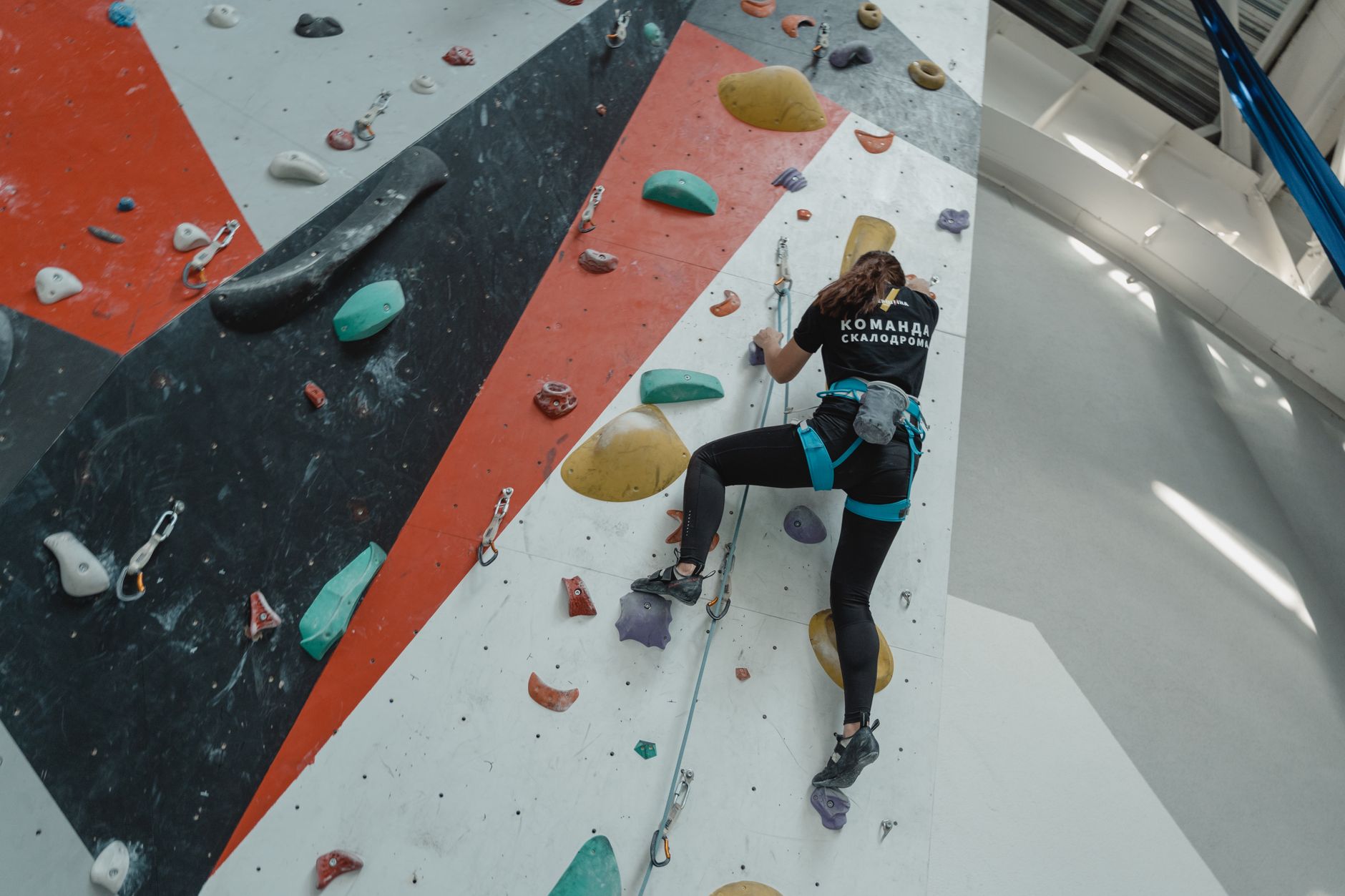
Do towering heights send shivers down your spine? What if the secret to conquering your acrophobia wasn't avoiding heights, but embracing them in the most exhilarating and surprisingly safe way possible? Prepare to have your mind blown as we explore how indoor climbing walls are transforming fear into triumph, one incredible ascent at a time. ---
The Edge of Fear: How Climbing Walls Blew My Acrophobic Mind
Let’s be honest, my relationship with heights used to be... complicated. "Used to be" is the operative phrase here. For years, the mere thought of a glass-bottomed observation deck, a flimsy-looking suspension bridge, or even the top rung of a rickety ladder would send a cold dread straight to my stomach. I’d clutch handrails, avert my gaze, and generally make myself look like a terrified squirrel caught in headlights. My friends, ever the adventurers, would tease me good-naturedly, but inside, I yearned for the freedom they seemed to possess – the freedom to look down and feel exhilarated, not paralyzed.
Then came a drizzly afternoon in Seattle. I was visiting a friend, Alex, who, unbeknownst to me, had become a climbing enthusiast. "Come on," he insisted, "just try bouldering. It's like vertical puzzles, and you never go high enough to actually fall badly." My inner acrophobe screamed, but my competitive spirit, coupled with Alex's infectious enthusiasm, dragged me to a place called Momentum Indoor Climbing. The air buzzed with energy, the walls were a riot of colorful holds, and people moved with an almost balletic grace. My palms were sweating before I even touched a single hold. But what happened next didn't just surprise me; it genuinely blew my acrophobic mind.
This isn't just a sport; it's a therapeutic journey, a mental re-calibration, and frankly, one of the most empowering experiences I've ever had. If you, like the old me, are held captive by the fear of heights, get ready for a game-changer. Because I'm here to tell you, from personal, shaky-kneed experience, that indoor climbing walls are not just for adrenaline junkies – they are for us.
The Paradoxical Cure: Why Climbing is Your Acrophobia Antidote
It sounds utterly counterintuitive, doesn't it? Fight fear of heights by... climbing higher? But hear me out. The magic of indoor climbing lies in its controlled environment. Unlike a sheer cliff face or a swaying bridge, everything here is designed for safety, progression, and psychological comfort.
Imagine this: You're wearing a harness that feels like a reassuring hug. A sturdy rope is securely attached, running through a sophisticated auto-belay system or managed by a certified instructor who is literally holding your life in their hands (and a very robust device). The holds are brightly colored, clearly marked, and strategically placed. The floor is covered in thick, bouncy mats. Every single element screams "safety first."
This isn't about throwing yourself into the deep end. It's about gradually dipping your toes in, feeling the water, and realizing it's not a terrifying abyss but a supportive medium. You learn to trust the gear, trust your body, and most importantly, trust the process. Each small ascent is a victory, each moment you look down and feel a flicker of pride instead of panic is a monumental shift. It's about retraining your brain, proving to it, one thoughtful move at a time, that heights can be conquered, controlled, and even enjoyed.
Bouldering for Babies (and the Bravely Hesitant)
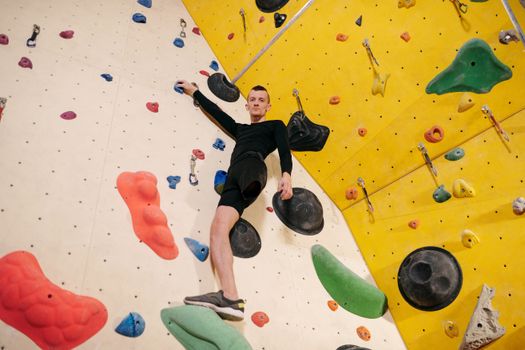
My journey, and the one I recommend for anyone with a fear of heights, started with bouldering. Think of bouldering as "mini-climbs." You're typically no more than 10-15 feet off the ground, and the entire floor beneath is a giant, plush crash pad. No ropes, no harnesses needed here – just special climbing shoes and chalk for grip.
The beauty of bouldering for acrophobes is twofold:
- Low Stakes: The height is manageable. If you fall, it's a soft landing, a mere tumble, not a terrifying plummet. This immediately reduces the "what if I fall?" anxiety that plagues us.
- Puzzle Solving: Bouldering routes (called "problems") are like physical puzzles. You focus intensely on how to move your body from one hold to the next, finding the most efficient sequence. This intense mental focus diverts your attention away from the height and onto the immediate task at hand. It's incredibly meditative!
My first bouldering session at Momentum was a revelation. I started on the easiest "V0" routes, barely getting my feet off the ground. But with each successful sequence, a tiny spark of confidence ignited. I wasn't thinking about the height; I was thinking, "Where does my left foot go next?" and "Can I reach that yellow hold?" The fear was still there, a low hum, but it was being drowned out by the satisfaction of solving the puzzle. By the end of the hour, I'd actually topped out on a V1 problem, a whopping eight feet off the ground, and for a split second, I felt a surge of pure, unadulterated triumph. It was the first time I'd voluntarily put myself at that height and smiled.
Top-Roping: Taking the Leap (Safely, with a Net)
Once bouldering started feeling less like a challenge and more like a warm-up, Alex gently nudged me towards top-roping. This is where the ropes, harnesses, and true "climbing wall" experience come into play.
Top-roping involves a rope that runs from a belayer on the ground, up through an anchor at the top of the wall, and back down to your harness. As you climb, the belayer takes in the slack, ensuring that if you let go, you only drop a few inches before the rope catches you. Many modern gyms also have auto-belay systems, which are mechanical devices that automatically take up slack and gently lower you to the ground when you let go. These are fantastic for solo climbers or when you're just starting and want to minimize the human-error factor.
My first top-rope experience was terrifying. It was at The Crag Loft in Brooklyn, a massive, airy gym with walls that seemed to scrape the sky. I clipped into the auto-belay, my heart pounding a frantic drum solo against my ribs. The wall stretched 40 feet above me. Forty feet! My old self would have been hyperventilating. But this time, something was different. I took a deep breath, remembered the lessons from bouldering about focusing on the next move, and started to climb.
Every few feet, I'd pause, take a deep breath, and look down. The ground felt further away, yes, but the harness felt secure, the rope taut. My instructor, a patient woman named Maya, offered calm encouragement from below. "Trust the rope, trust your feet. You've got this." And slowly, meticulously, I made it to the top. The view from 40 feet up, looking down at the ant-sized people below, was no longer a nightmare; it was a vista. And the descent? Pure exhilaration, a controlled, graceful glide back to solid ground. That moment was pure magic. It felt like I'd not only climbed a wall but also scaled a personal mountain of fear.
The Gear & The Guru: Your Essentials for a Safe Ascent
Getting started is surprisingly simple and affordable. Most climbing gyms offer everything you need for a day pass.
- Climbing Shoes: These are crucial. They're tight, sticky-soled, and designed to give you precision and grip on tiny holds. You'll rent these at the gym. Expect to pay around $5-10 for rentals.
- Chalk Bag: Filled with magnesium carbonate, it keeps your hands dry for better grip. Also rentable, often bundled with shoes.
- Harness (for top-roping): A comfortable, secure device that clips you into the rope. Rentable at the gym, usually included in an intro package.
- Belay Device (and Belayer): If you're not using an auto-belay, you'll need a belay device and someone certified to use it. Many gyms offer "Intro to Climbing" classes that teach you how to belay safely. This is highly recommended for building trust and understanding the safety systems.
Finding Your Guru: I cannot stress this enough: take an introductory class. Most gyms offer a beginner package that includes gear rental, a day pass, and a basic safety lesson for around $50-100. This is invaluable. A good instructor will:
- Teach you how to properly wear your harness.
- Explain the safety systems in detail.
- Show you basic climbing techniques (foot placement, body positioning).
- Be your first, most patient belayer, guiding you through your initial ascents and descents.
Look for gyms that emphasize a welcoming, supportive atmosphere. Read reviews. Places like Vertical Ascent Climbing Centre in London, Sender One in Los Angeles, or The Castle Climbing Centre in London are renowned for their beginner-friendly environments and excellent instructors.
Conquering the Climb, Conquering the Mind: Tips for Acrophobes
This isn't just about physical strength; it's a mental game. Here's what I learned that helped me transform my fear:
- Start Low, Go Slow: There's no rush to hit the top of the highest wall. Spend time bouldering. Focus on technique, not height. Build confidence gradually.
- Breathe Deeply: When fear starts to creep in, your breath shortens. Consciously take slow, deep breaths. This calms your nervous system and helps you focus. I'd often pause mid-climb, close my eyes for a second, and just breathe.
- Focus on the Next Hold: Don't look down. Don't look all the way up. Focus on the next handhold, the next foothold. Break the climb into tiny, manageable steps. This keeps your mind in the present moment.
- Trust Your Gear (and Your Belayer): This is crucial. Before you even start, ask questions. Understand how the harness works, how the belay device functions. Knowing the mechanics builds immense trust. If you have a human belayer, communicate! Tell them if you're feeling nervous, if you need a break, or if you want to be lowered.
- Embrace the Fall (or Lower): The first time you intentionally let go and trust the rope to catch you is a huge mental hurdle. It proves the system works. It's liberating! Practice lowering a few feet, then coming back up. Get comfortable with the sensation of being suspended.
- Celebrate Small Victories: Don't wait to summit Everest to feel proud. Celebrate reaching a hold you thought was impossible, balancing on a tricky foothold, or simply getting a few feet higher than last time. Each small win rewires your brain.
- Find Your Tribe: Climbing communities are incredibly supportive. I've met some of the kindest, most encouraging people at climbing gyms. They'll cheer you on, offer advice, and share your triumphs. Don't be afraid to strike up conversations!
Beyond the Summit: A New Perspective on Life
The transformation I experienced wasn't just confined to the climbing gym. The lessons learned on the wall started to seep into other areas of my life. The ability to break down a daunting task into small, manageable steps? Applicable to work projects. The capacity to breathe through anxiety and focus on the present? Invaluable in stressful situations. The trust in myself and others? A profound personal growth.
I still get a little flutter in my stomach on high ledges, but it's no longer paralyzing. It's a whisper, not a scream. I can now stand on those glass-bottomed decks, look down, and feel a sense of awe and accomplishment, rather than terror. I've even started exploring outdoor via ferratas – protected climbing routes in mountains – something my old self would have laughed at as utterly insane.
Climbing has taught me that courage isn't the absence of fear, but the triumph over it. It's about taking that first step, even when your knees are knocking, and discovering a strength you never knew you possessed. It's about pushing your boundaries, not just physically, but mentally, and finding immense joy in the process.
Your First Step: Finding Your Wall
Ready to blow your own mind? Here's how to get started:
- Google "Indoor Climbing Gyms Near Me": Most major cities and even many smaller towns have at least one. Check out their websites for beginner information.
- Look for "Intro to Climbing" or "Beginner Bouldering" classes: These are your best entry point.
- Call Ahead: Ask about their beginner packages, gear rentals, and what to expect on your first visit.
- Go with a Friend (or Solo!): A supportive friend can be great, but don't let not having one stop you. Auto-belays make solo climbing accessible, and you'll find friendly faces quickly.
- Wear Comfortable Clothes: Think athletic wear that allows for a full range of motion. Baggy shorts or yoga pants are perfect.
- Hydrate & Fuel: Bring a water bottle and maybe a small snack. It's a workout!
Don't let the fear of heights hold you back from incredible experiences any longer. Indoor climbing walls are a safe, thrilling, and profoundly empowering gateway to a new you. You'll not only discover muscles you didn't know you had, but you'll also unearth a resilience and courage that will quite literally, blow your mind.
So, what are you waiting for? Your vertical adventure awaits! Lace up those rental shoes, chalk up those hands, and take that first exhilarating step. You might just surprise yourself.
---
More pictures

Tags
Share this guide
We may earn a commission if you click a link and buy a product or service, at no extra cost to you. How affiliate links work.
Been there?