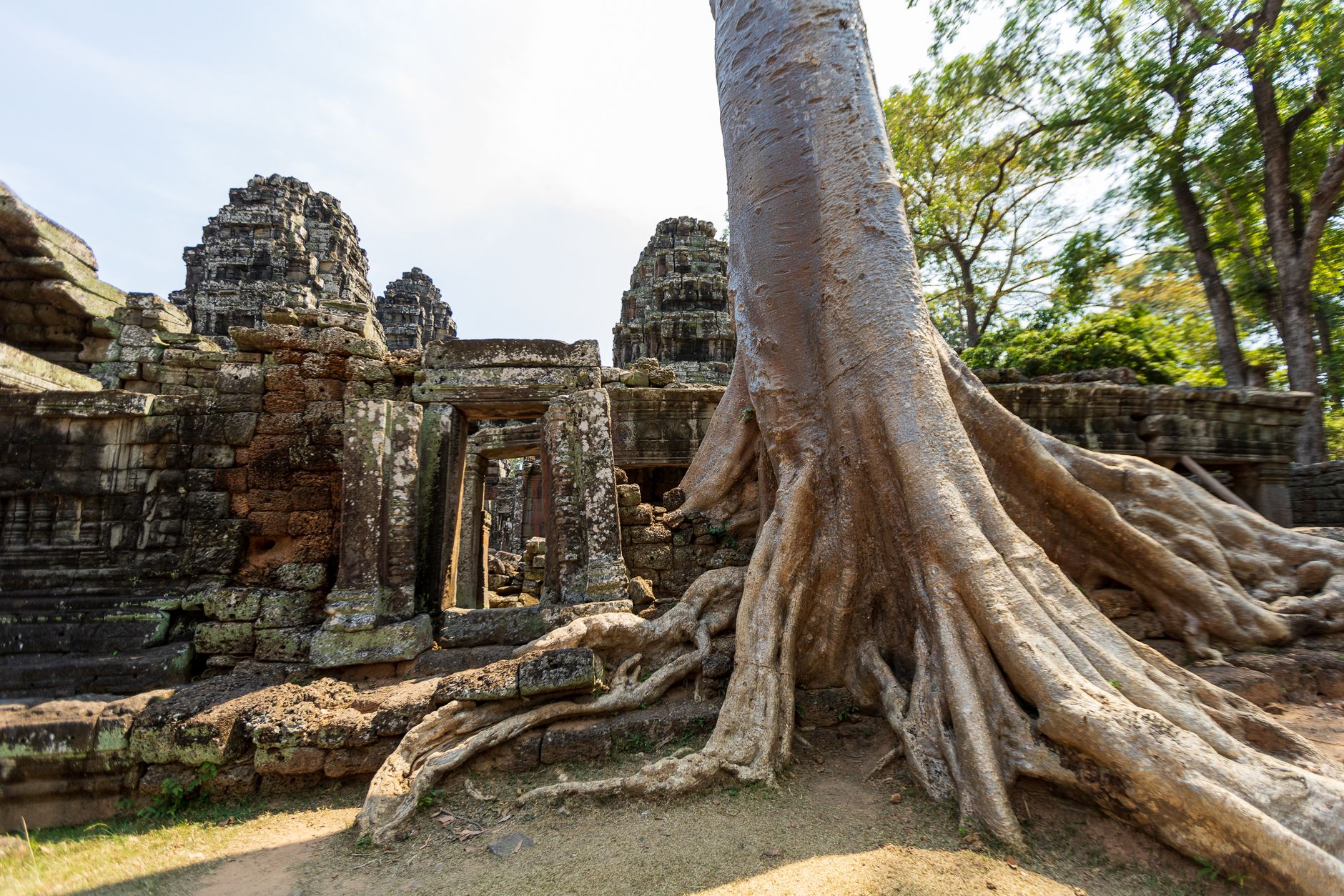
Forget crowded landmarks; the real magic lies where ancient stone meets wild forest. Hidden temples, reclaimed by nature's embrace, are the latest trend for travelers seeking peace, adventure, and a profound connection to history. Join me as we uncover why these mystical sanctuaries are calling to souls worldwide. ---
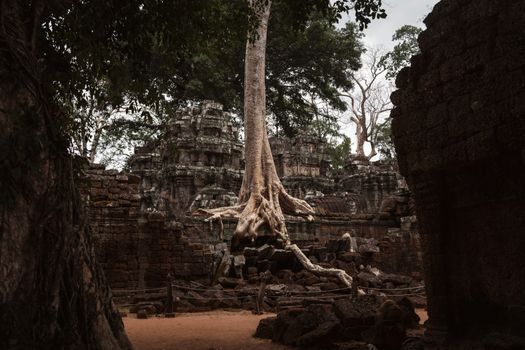
The air was thick with the scent of damp earth and ancient stone, a symphony of cicadas providing the soundtrack. Giant fig roots, like the sinews of a sleeping titan, snaked across moss-covered walls, slowly, deliberately reclaiming a thousand-year-old temple. Sunlight dappled through the dense canopy, illuminating intricate carvings that seemed to whisper stories of forgotten gods and empires. I stood there, utterly alone, save for the playful chatter of monkeys in the distance, and felt it – that profound, spine-tingling sense of discovery that only truly hidden gems can offer.
This wasn't some polished, tourist-trap landmark. This was a sanctuary, a secret whispered between trees and time, and it was utterly, breathtakingly real.
For years, our travel feeds have been dominated by iconic, often overcrowded, destinations. But something is shifting. Travelers, myself included, are increasingly seeking out experiences that offer more than just a selfie opportunity. We crave authenticity, tranquility, and a deeper connection to the places we visit. And that, my friends, is why hidden temples, tucked away in the heart of wild forests, are not just a niche interest anymore – they are trending.
From the steamy jungles of Southeast Asia to the misty mountains of Japan, these ancient wonders offer a potent antidote to our hyper-connected, fast-paced lives. They are places where history breathes, nature thrives, and the soul finds space to simply be. Ready to join the movement? Let's dive into why these mystical forest sanctuaries are captivating hearts globally and how you can discover their magic for yourself.
The Allure of the Unseen: Why Forest Temples Are Trending Right Now
Why the sudden surge in popularity for these secluded sacred sites? It's more than just the pursuit of an "unseen" Instagram shot (though, let's be honest, they are incredibly photogenic!). It’s a confluence of desires reflecting a deeper shift in how we approach travel:
- The Digital Detox & Mindful Escape: In an age of constant notifications, forest temples offer a forced (and welcome) digital detox. With limited to no cell service, you're truly present. The rustling leaves, the chirping birds, the sheer scale of ancient architecture – it forces you to slow down, breathe, and engage with your surroundings on a profound level. It's mindfulness in its purest form.
- Authenticity Over Crowds: We're tired of battling selfie sticks and tour bus hordes. Hidden temples provide an authentic, intimate experience. You're not just observing; you're discovering. This feeling of being an explorer, of earning your view, makes the experience infinitely more rewarding.
- Connection to Nature & History: These temples are often found in biodiverse, pristine environments. The journey to them is as much about connecting with nature as it is with history. The intertwining of stone and root, the way light filters through the canopy – it’s a powerful reminder of nature's relentless power and beauty, and how it reclaims even the grandest human endeavors.
- The "Undiscovered" Narrative: In a world saturated with information, the idea of finding something truly "hidden" or "lesser-known" holds immense appeal. Sharing these discoveries on social media isn't just about showing off; it's about inspiring others to seek out similar, unique adventures. It’s about being a pioneer in your own travel story.
- Spiritual & Healing Journeys: For many, these sites are not just ruins; they are places of profound spiritual energy. Whether you're seeking introspection, peace, or simply a connection to something larger than yourself, the ancient vibrations and natural serenity of these temples can be deeply healing.
My Top Picks: Temples That Whisper Ancient Secrets
I've had the privilege of wandering through some truly incredible forest temples, each leaving an indelible mark on my soul. Here are a few that embody this trending travel style, along with personal tips and details to help you plan your own journey.
1. Ta Prohm, Angkor, Cambodia: Where Nature Reclaims Glory
- My Experience: The first time I saw Ta Prohm, it felt like stepping into a movie set – because, well, it kind of is! Famous for its role in Tomb Raider, this temple complex within the Angkor Archaeological Park is a breathtaking example of nature's embrace. I remember arriving just after sunrise, the air still cool and misty. Massive strangler fig trees and silk-cotton trees had grown over and through the stone structures, their colossal roots gripping the walls like ancient tentacles. Walking through its crumbling corridors, bathed in the soft morning light, I felt a deep sense of awe and humility. The silence, broken only by the distant calls of jungle birds, amplified the feeling of being in a truly sacred, timeless space.
- Why it's trending: Its iconic "tree-root" aesthetics make it incredibly photogenic and a powerful symbol of nature's reclamation. It offers a more raw, less restored feel than Angkor Wat, appealing to those seeking authenticity.
- Details:
- Location: Angkor Archaeological Park, Siem Reap, Cambodia.
- Getting There: Best reached by tuk-tuk, taxi, or bicycle from Siem Reap. It's part of the Small Circuit tour.
- Entrance Fee: Included in the Angkor Pass (1-day pass: $37 USD, 3-day pass: $62 USD).
- Tripsora Tip: Go early – like, before dawn early. Beat the tour groups and experience the magic in relative solitude. Wear comfortable walking shoes and bring plenty of water. Hire a local guide for fascinating historical insights.
2. Okunoin, Koyasan, Japan: A Spiritual Forest of Lanterns
- My Experience: Koyasan isn't a single temple, but an entire sacred mountain complex, home to over 100 temples, and the stunning Okunoin Cemetery, a truly unique "forest temple" experience. My visit began with a scenic train ride from Osaka, followed by a cable car and bus up the misty mountain. Staying overnight in a shukubo (temple lodging) was transformative – vegetarian Buddhist meals, morning prayers with monks, and the serene quiet. But the real highlight was a night walk through Okunoin. Flanked by thousands of ancient gravestones and towering cedar trees, the path was lit by moss-covered lanterns, leading to Kobo Daishi's mausoleum. The mist, the silence, the flickering lights – it was ethereal, profoundly peaceful, and unlike anything I’d ever experienced. It felt like walking through a dream.
- Why it's trending: Offers a unique blend of spiritual immersion (shukubo stays), stunning natural beauty, and a deeply atmospheric, almost mystical, ambiance that's perfect for reflection and serene photography.
- Details:
- Location: Koyasan, Wakayama Prefecture, Japan.
- Getting There: Take the Nankai Koya Line from Osaka (Namba Station) to Gokurakubashi, then the cable car up to Koyasan.
- Cost: Train/cable car combo pass (Koyasan World Heritage Pass) is recommended (around ¥3,000-¥3,700, ~20-25 USD). Shukubo stays vary but expect ¥10,000-¥20,000 (~70-140 USD) per night including meals.
- Tripsora Tip: Definitely opt for an overnight shukubo stay. Book in advance, especially during peak season. A guided night tour of Okunoin is highly recommended for historical context and safety. Respect the sacred nature of the site.
3. Ritigala, Sri Lanka: An Ancient Monastery Lost to Time
- My Experience: While Sigiriya gets all the fame, Ritigala offers a truly off-the-beaten-path forest temple experience in Sri Lanka's cultural triangle. This ancient Buddhist monastery, now largely ruins, is nestled within a strict nature reserve, meaning the jungle has truly swallowed parts of it. My journey involved a bumpy tuk-tuk ride followed by a trek through dense foliage. What makes Ritigala special are its unique, non-decorative meditation platforms, stone-lined pathways, and massive stone-slab bridges, all set against a backdrop of wild, untamed nature. There are no grand frescoes or towering statues; instead, it offers a raw, meditative atmosphere. I spent hours exploring, feeling the cool stone beneath my fingertips, imagining the monks who once walked these very paths, seeking enlightenment amidst the jungle's embrace. I saw more monkeys than people, which was exactly the point.
- Why it's trending: It provides a stark contrast to more polished sites, offering a genuine sense of ancient discovery and deep connection to nature for those seeking tranquility away from crowds.
- Details:
- Location: Near Habarana, Cultural Triangle, Sri Lanka.
- Getting There: Best accessed by tuk-tuk or taxi from Dambulla, Sigiriya, or Habarana. It's about a 30-45 minute drive from these towns.
- Entrance Fee: Around 300-500 LKR (~1-2 USD).
- Tripsora Tip: Combine this with a visit to Sigiriya or Dambulla's cave temples, but dedicate a half-day solely to Ritigala. Wear sturdy shoes and bring insect repellent. There are no shops inside, so pack water and snacks.
4. Palenque, Chiapas, Mexico: Mayan Majesty in the Jungle
- My Experience: The first sound that greeted me at Palenque was the guttural roar of howler monkeys, echoing through the dense jungle canopy. It was a primal, unforgettable welcome. These Mayan ruins, dating back to 600-800 AD, are truly spectacular, with magnificent temples and palaces rising out of the emerald forest. Unlike Chichen Itza, a large portion of Palenque remains unexcavated, still hidden beneath thick jungle, which adds to its mystique. Walking through the Temple of the Inscriptions, the Palace, and the various smaller structures, I could almost feel the presence of the ancient Mayan priests and kings. The humidity was intense, the air thick with the scent of damp earth and tropical flowers, and the constant hum of jungle life created an immersive, almost spiritual, experience. It felt like I was discovering a lost city, not just visiting a historical site.
- Why it's trending: Offers a dramatic blend of ancient civilization and vibrant jungle, providing a thrilling sense of exploration and a rich cultural experience. The unexcavated portions fuel the imagination.
- Details:
- Location: Chiapas, Mexico.
- Getting There: Accessible by colectivo (shared van) or taxi from the town of Palenque. Many tour operators also offer day trips.
- Entrance Fee: Approximately 85 MXN (~5 USD) for the archaeological zone, plus a separate fee for the surrounding national park (around 40 MXN).
- Tripsora Tip: Go early to avoid the heat and crowds. Bring plenty of water, sunscreen, and strong insect repellent. Wear light, breathable clothing and comfortable shoes. Consider hiring a local guide at the entrance for in-depth insights into Mayan history and culture. Don't miss the museum near the entrance for a deeper understanding of the artifacts.
Planning Your Sacred Journey: Practical Tips for a Smooth Adventure
Embarking on a quest for hidden forest temples requires a little more planning than a typical city break. Here's how to ensure your adventure is smooth, respectful, and unforgettable:
- Research, Research, Research: While the allure is "hidden," don't go in blind. Understand the local culture, opening hours, potential hazards (wildlife, weather), and transportation options. Check recent reviews for up-to-date information on accessibility.
- Respect Local Customs & Sacredness: These are often active religious sites or places of deep historical significance. Dress modestly (shoulders and knees covered), speak softly, and follow any posted rules. Ask permission before taking photos of people. Remember, you are a guest in a sacred space.
- Go Early (or Late): This is the golden rule for avoiding crowds and experiencing the magic. Early mornings offer soft light, cooler temperatures, and a profound sense of solitude. Sunsets can also be magical, but check opening times carefully.
- Pack Smart & Light:
- Comfortable, sturdy shoes: You'll be walking on uneven terrain, roots, and slippery stones.
- Lightweight, breathable clothing: Long sleeves and pants can protect against sun and insects.
- Water bottle: Essential for staying hydrated in humid environments.
- Snacks: Energy bars, nuts – options might be limited once you're deep in the forest.
- Insect repellent: A non-negotiable for jungle environments.
- Sunscreen & Hat: Protection from the elements.
- Power bank: For your phone/camera, as charging points are rare.
- Small first-aid kit: Blister plasters, antiseptic wipes, pain relievers.
- Rain gear: A light poncho or rain jacket – jungle weather can be unpredictable.
- Consider a Local Guide: For truly off-the-beaten-path locations, a local guide is invaluable. They offer insights into history, culture, and nature that you wouldn't get otherwise. They also know the safest routes and can help you find truly hidden gems. Always negotiate prices beforehand.
- Practice Sustainable Travel: Leave no trace. Pack out everything you pack in. Stick to marked paths. Support local economies by buying from local vendors and staying in locally-owned accommodations.
- Safety First: Be aware of your surroundings. Inform someone of your plans. If traveling solo, use common sense and avoid venturing into extremely remote areas without a guide. Watch out for wildlife (monkeys can be cheeky!).
Capturing the Magic: Instagram-Worthy Shots & Mindful Moments
These places are undeniably stunning, and you'll want to capture their beauty. But remember to balance photography with presence.
- Golden Hour is Your Friend: The soft light of early morning or late afternoon creates incredible shadows and highlights, making ancient stones and lush foliage glow.
- Focus on Details: Don't just shoot wide shots. Look for intricate carvings, moss growing on ancient walls, the way a root embraces a stone, or the patterns of light filtering through leaves. These details tell a deeper story.
- Frame Your Shots: Use tree branches, archways, or temple windows to frame your subject, adding depth and intrigue.
- Embrace the Atmosphere: Try to convey the feeling of the place. A long exposure of misty forest, a close-up of a weathered statue, or a shot of you standing in quiet contemplation can often be more powerful than a perfectly posed selfie.
- Be Mindful: Take moments to put your camera away. Sit, listen, smell, feel. Let the energy of the place wash over you. The best "shots" are often the ones you capture with your heart and memory, not just your lens.
- Share Responsibly: When posting, consider adding context about the history, culture, and the importance of respecting these sites. Use relevant hashtags like #ForestTemples #HiddenGems #AncientWonders #MindfulTravel #SustainableTravel and geotag responsibly (if it’s truly a secret, sometimes vague geotags are better!).
Beyond the Temples: Embracing the Journey
The true magic of seeking out these hidden forest temples isn't just about the destination; it's about the entire journey. It's the bumpy tuk-tuk ride through a local village, the challenging hike that tests your resolve, the unexpected encounter with a local who shares a smile and a story. It's the taste of fresh, local fruit after a long trek, the sound of the jungle at dusk, and the feeling of deep satisfaction that comes from stepping off the well-trodden path.
These experiences force us to be present, to adapt, and to appreciate the world's raw, untamed beauty. They remind us that adventure isn't always about grand gestures, but often about the quiet moments of discovery and connection. They are a powerful call to reconnect with nature, history, and ourselves.
So, are you ready to answer the call of the wild? Are you prepared to swap the ordinary for the extraordinary, the crowded for the contemplative? The world's hidden forest temples are waiting, ready to reveal their ancient secrets to those brave enough to seek them out.
What's your favorite off-the-beaten-path discovery? Share your stories and tips in the comments below! Let's inspire each other to explore more mindfully.
---
More pictures

Tags
Share this guide
We may earn a commission if you click a link and buy a product or service, at no extra cost to you. How affiliate links work.
Been there?