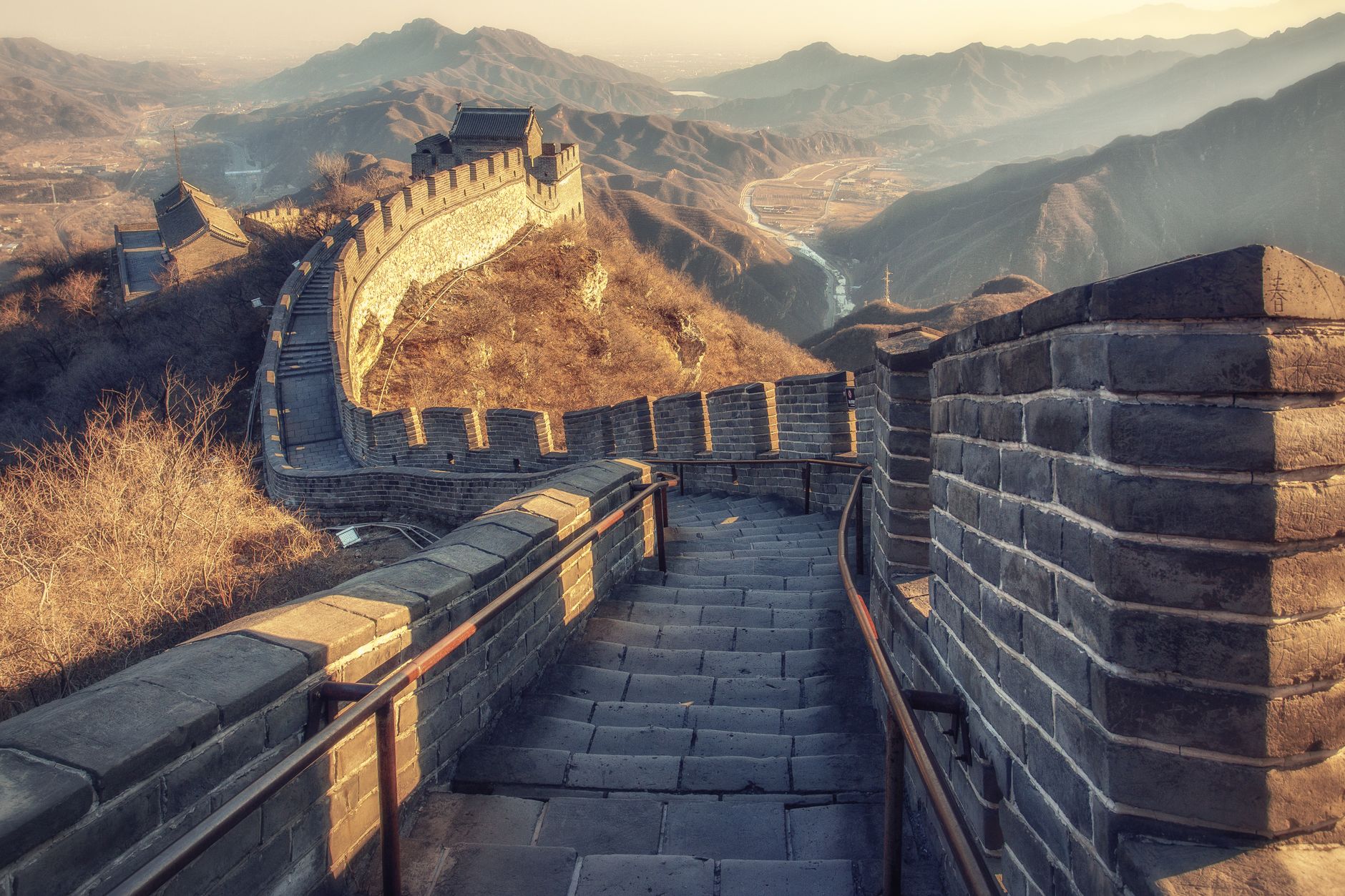
Tired of elbowing your way through crowds? In March 2026, ditch the tourist traps and uncover the *real* Great Wall. Imagine mist-shrouded ramparts, ancient stones underfoot, and silence – just you and millennia of history. This is your insider pass to the sections locals cherish, where every step is an adventure, not a photo op.
Unveiling the Great Wall's Whispering Secrets: March 2026 Edition
I stepped off the rattling overnight train, the crisp March air biting at my cheeks, carrying the faint, earthy scent of thawing soil and distant woodsmoke. The usual tourist throngs at the popular access points were a distant memory. My mission: to find the Great Wall sections that time, and the masses, have largely forgotten, especially as March 2026 dawns. Forget the selfie sticks and souvenir hawkers; this is about raw, untamed history, a personal communion with one of humanity's greatest feats.
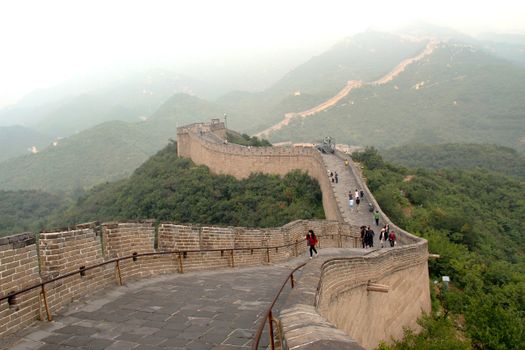
For too long, the narrative of the Great Wall has been dominated by a few heavily restored, perpetually crowded stretches. But the Wall is vast. It snakes for thousands of miles, a dragon of stone and earth, and much of it lies in a state of breathtaking, wild decay, waiting for those willing to venture just a little further. March, with its crisp air, fewer crowds, and burgeoning spring colours, is the perfect time to seek out these hidden gems.
1. Jiankou: The Wild, Untamed Beauty
The Hook: The first time I saw Jiankou, it felt like stumbling upon a forgotten titan. The wind whispered through crumbling watchtowers, carrying the ghosts of ancient sentinels. The sheer, rugged scale of it, draped precariously across jagged mountain ridges, was humbling. It’s not for the faint of heart, but the reward? Pure, unadulterated awe.
Jiankou (箭扣), meaning "Arrow Nock," is renowned for its dramatic, windswept silhouette. Unlike its polished counterparts, this section remains largely unrestored, offering a visceral connection to the Wall's past. You'll scramble over loose stones, navigate steep inclines, and feel the raw power of nature reclaiming its territory.
Pro-Tips for Jiankou:
- Best Time to Visit in March: Early to mid-March offers cooler temperatures for hiking, with the possibility of lingering snow on higher peaks adding a magical touch. Aim for a weekday to maximize solitude.
- The 'Heavenly Ladder': This notoriously steep section requires careful footing. Consider bringing sturdy hiking poles.
- Sunrise/Sunset Spectacle: If you're an experienced hiker and prepared for an overnight stay nearby, the views at dawn and dusk are simply otherworldly. The golden light painting the wild ramparts is unforgettable.
- Respect the Ruins: This is a fragile ecosystem of history. Stick to designated paths where possible and leave no trace.
2. Gubeikou: Echoes of Ancient Battles
The Hook: Standing on Gubeikou, the air thrummed with a palpable sense of history. I could almost hear the clash of steel, the shouts of soldiers. This section, a vital military stronghold for centuries, breathes stories of defense and resilience. It’s a more accessible wildness, offering a profound connection to the Wall's strategic importance.
Gubeikou (古北口) translates to "Ancient Northern Pass," and it was indeed a crucial gateway. This section is less about dramatic precipices and more about the sheer scale and historical weight. You'll find both restored and unrestored portions, offering a fascinating contrast.
Pro-Tips for Gubeikou:
- The 'General's Tower': This prominent structure offers panoramic views and a glimpse into the military architecture of the past.
- The Hidden Entrance: Many locals know of a less-obvious path near the village that bypasses the main entrance, offering a more secluded start to your hike. Ask around politely, perhaps with a small gesture of appreciation.
- Combine with Wohu Gorge: For a more challenging and rewarding trek, consider hiking from Gubeikou towards the unrestored Wohu Gorge (卧虎峡) section.
- Local Guides are Key: Hiring a local guide here can unlock fascinating historical anecdotes and point out details you’d otherwise miss.
3. Jinshanling: The Photographer's Dream (with a Quiet Corner)
The Hook: Jinshanling, while more known, still holds pockets of serene magic, especially in the shoulder season. I remember standing on a remote watchtower, the mist rolling in like a silent tide, obscuring the world below. The sheer number of watchtowers here, each with its unique design, felt like a whispered conversation across time.
Jinshanling (金山岭) is often lauded for its beauty and relative accessibility, but its vastness means you can still find tranquility. It boasts a unique blend of restored and semi-restored sections, featuring intricate architectural details that showcase the ingenuity of its builders.
Pro-Tips for Jinshanling in March:
- Arrive Early (7 AM): To truly experience its serenity, aim to be one of the first visitors. The soft morning light is sublime.
- Explore the Western Section: This area is generally less frequented than the main eastern stretch. The views here are spectacular and the crowds thinner.
- The 'Sky Ladder': A challenging but rewarding climb offering unparalleled vistas.
- Consider a Cable Car (and then walk away): While convenient, the cable car deposits you in a busier area. Hike away from the cable car station to find your solitude.
4. Huanghuacheng: The Water Great Wall
The Hook: The sight of the Great Wall plunging into a shimmering lake is something I’ll never forget. Huanghuacheng (黄花城) felt like stepping into a Chinese ink painting. The contrast of ancient stone against the tranquil, cerulean water was breathtaking, a testament to the Wall’s adaptable grandeur.
Known as the "Water Great Wall," Huanghuacheng offers a truly unique perspective. Parts of this section are submerged, creating a stunning visual effect, especially when the water levels are just right. It’s a more relaxed experience, with opportunities for boat rides and gentle exploration.
Pro-Tips for Huanghuacheng:
- Boat Tour Magic: A short boat trip offers incredible views of the Wall sections that disappear into the lake.
- The 'Nine-Arch Bridge': A picturesque and iconic feature of this section.
- Explore the Village: The surrounding village offers a glimpse into local life and often has small, family-run eateries serving delicious, simple fare.
- March Water Levels: While generally good, water levels can fluctuate. Check local conditions if the lake aspect is your primary draw.
5. Simatai: The Dramatic and the Exclusive
The Hook: Simatai (司马台) felt like stepping onto a movie set, but one sculpted by nature and history. Its dramatic cliffside location and steep ascents offered a thrilling challenge, and the exclusivity of its limited opening hours meant a more intimate encounter with its grandeur.
Simatai is famed for its steepness and dramatic architecture, including the unique "Sky Stair" and "Chessboard" formations. It was historically a more challenging pass to traverse, and its remote location and careful preservation efforts contribute to its more exclusive feel.
Pro-Tips for Simatai:
- Limited Access & Booking: Simatai often has strict visitor limits and specific opening hours. Book your tickets well in advance, especially for March 2026. This is crucial for avoiding disappointment and ensuring a less crowded experience.
- The 'Heavenly Ladder' (again!): This incredibly steep section is not for the faint of heart but offers incredible photo opportunities.
- Night Tours (if available): If offered, Simatai's night tours can be an absolutely magical, albeit eerie, experience.
- The Gubei Water Town Connection: While Gubei Water Town itself is a modern development, it offers convenient access to Simatai. However, to truly escape the crowds, consider arrangements that allow you to experience Simatai before or after the main tourist influx from the town.
The Insider's March Great Wall Itinerary: Quick Facts
| Section | Estimated Cost (USD) | Best Time in March | How to Get There | Pro-Tip Focus | | :---------------- | :------------------- | :----------------- | :-------------------------------------------------------------------------------------------------------------------------------------------------------------------------------------------------------- | :---------------------------------------------------------------- | | Jiankou | $50-100 (incl. guide) | Early-Mid March | Private car/taxi from Beijing (3-4 hrs). Hire local driver/guide. | Hiking poles, respect ruins, sunrise/sunset. | | Gubeikou | $40-80 (incl. guide) | Mid-March | Public bus from Beijing to Miyun, then local taxi/bus. Private car recommended for ease. (2.5-3 hrs) | Local guide, hidden entrance, combine with Wohu Gorge. | | Jinshanling | $30-60 (DIY/Bus) | Early March | Tourist bus from Beijing (check schedules), or private car/taxi (2-3 hrs). | Arrive 7 AM, explore western section, hike away from cable car. | | Huanghuacheng | $30-50 (DIY/Bus) | Mid-March | Public bus from Beijing (check routes), or private car/taxi (1.5-2 hrs). | Boat tour, explore village, check water levels. | | Simatai | $60-120 (incl. ticket)| Early-Mid March | Private car/taxi (2.5-3 hrs). Crucial: Book tickets in advance. Consider staying in nearby Gubei Water Town for logistics, but aim for early/late access. | Book tickets FAR in advance, night tours (if available), exclusivity. |
Note on Costs: These are estimates and can vary based on negotiation, group size, and specific services. Entrance fees are generally low ($5-15 USD), but transportation and guide fees will be the main components.
Beyond the Bricks: The Local Flavour
What truly elevates these off-the-beaten-path experiences is the immersion into local life. After a bracing hike on Jiankou, I found myself sharing steaming bowls of braised lamb with star anise and ginger at a tiny, unassuming eatery near the trailhead. The warmth of the food mirrored the warmth of the hospitality. At Gubeikou, the scent of fermented bean curd wafted from homes, a pungent but authentic aroma of rural China. These aren't just travel experiences; they are sensory journeys that connect you to the land and its people.
The architecture itself tells stories. Notice the different styles of watchtowers – some squat and functional, others tall and ornate. Observe how the Wall adapts to the terrain, clinging to impossibly steep slopes. This is not a monolithic structure; it's a testament to diverse engineering and evolving defense strategies across centuries.
Your March 2026 Great Wall Adventure Awaits
March 2026 presents a golden opportunity to witness the Great Wall in its quiet majesty. By choosing these less-trodden paths, you’re not just avoiding crowds; you’re forging a deeper, more personal connection with this iconic wonder. You’re stepping back in time, breathing in ancient air, and discovering the true spirit of the Great Wall. So pack your boots, your sense of adventure, and prepare for an experience that will resonate long after you've left its ancient stones behind.
More pictures

Tags
Share this guide
We may earn a commission if you click a link and buy a product or service, at no extra cost to you. How affiliate links work.
Been there?