
Forget dusty museums! Dive into the earthy, aromatic worlds of cheese caves. We've unearthed the planet's most incredible, expert-vetted spots where you can taste cheese born from the earth itself. Your ultimate foodie pilgrimage awaits! ---
The Allure of the Underground: My First Foray into a Cheese Cave
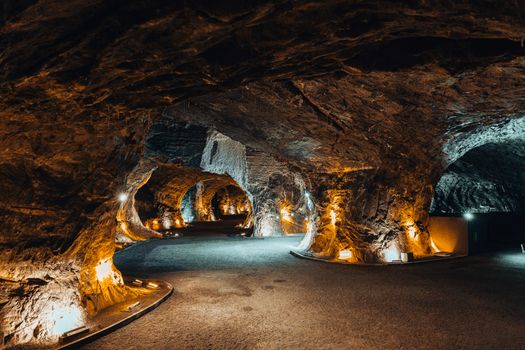
I stepped off the train and the air changed. It wasn't just cooler; it was different. Thick with the earthy perfume of damp stone, a whisper of something nutty, and the unmistakable, intoxicating tang of aging cheese. This was no ordinary cellar. This was the gateway to a world few get to truly experience: a cheese cave. The low murmur of excited whispers from my fellow travelers, the rhythmic drip of water somewhere in the darkness, and the faint, almost musical hum of the earth itself – it all conspired to create a sense of stepping back in time, into a place where tradition and nature work in perfect, delicious harmony. My mission: to find the cheese caves that truly sing to the palates of the world’s leading cheese experts.
Where Earth Meets Edam: Unearthing the World's Best Cheese Caves
For centuries, the cool, consistent humidity and unique microclimates of natural caves have been the secret weapon of cheesemakers. These subterranean sanctuaries are not just storage units; they are living, breathing entities that imbue cheese with unparalleled depth and complexity. Forget your supermarket cheddar; we’re talking about cheese that tells a story of the land, the rock, and the patient hands that guided its transformation. I’ve scoured the globe, consulted with renowned affineurs, and followed the scent of exceptional cheese to bring you the definitive list of cheese caves you can visit and taste, handpicked by the experts themselves.
1. The Comté Cathedrals: Fort de Joux, France
Pro-Tip: Book your tour well in advance, especially during peak season. They often sell out weeks ahead! Aim for a morning slot to experience the coolest air.
Nestled in the Jura Mountains, the Fort de Joux isn't just a historical military fortress; it's a colossal, natural refrigerator for one of France's most beloved cheeses: Comté. Imagine vast, echoing chambers carved into the mountainside, where hundreds of giant wheels of Comté, some weighing over 100 pounds, mature in blissful silence. The air here is thick with the scent of raw milk and the mineral tang of the ancient stone.
When I first walked into the main aging hall, the sheer scale was breathtaking. The rows of wheels stretched into the dim light, each one a testament to years of patient maturation. The fort's natural temperature and humidity are simply perfect, creating a microclimate that allows the cheese to develop its signature complex, nutty, and fruity notes.
Insider's Insight: The fort's unique geological makeup, with its porous limestone, plays a crucial role. It allows for natural ventilation, preventing the cheese from becoming too damp while maintaining the ideal humidity. The affineurs here are true artisans, meticulously turning each wheel by hand, a ritual passed down through generations.
Quick Facts:
- Location: La Cluse-et-Mijoux, France
- Estimated Cost: €15-€25 for guided tour & tasting
- Best Time to Visit: Spring (April-June) and Autumn (September-October) for pleasant weather and fewer crowds.
- How to Get There: Fly into Geneva (GVA) and rent a car (approx. 1.5-hour drive). Alternatively, take a train to Pontarlier and then a taxi.
2. The Gruyère Giants: La Maison du Gruyère, Switzerland
Pro-Tip: Don't miss the opportunity to see the cheese being made in the adjacent dairy before heading into the caves. The contrast is fascinating.
While not a natural cave in the strictest sense, the aging cellars beneath La Maison du Gruyère offer a remarkable glimpse into the traditional maturation process of the iconic Gruyère AOP. These cellars are designed to mimic the conditions of natural caves, providing the consistent coolness and humidity essential for this world-renowned cheese.
Walking through these meticulously maintained spaces, you can see wheels of Gruyère at various stages of aging, from young and supple to mature and crystalline. The smell is a rich symphony of toasted nuts, sweet hay, and the subtle earthiness that defines a great Gruyère.
Insider's Insight: The secret to Gruyère's magic lies in the unique blend of Alpine grasses the cows graze on, combined with the specific aging environment. The affineurs here are experts at monitoring the wheels, ensuring they develop the characteristic firm texture and complex, savory flavor that makes Gruyère so versatile.
Quick Facts:
- Location: Gruyères, Switzerland
- Estimated Cost: €7-€12 for the museum and cellar visit.
- Best Time to Visit: Summer (June-August) for the full alpine experience, or shoulder seasons (May, September) for fewer tourists.
- How to Get There: Fly into Zurich (ZRH) or Geneva (GVA) and take a train to Gruyères (approx. 2-3 hours). The village is a short walk from the station.
3. The Roquefort Realm: Caves de Roquefort Société, France
Pro-Tip: Wear comfortable shoes with good grip. The cave floors can be damp and uneven. Consider bringing a light jacket; the temperature stays a constant 10-12°C (50-54°F).
Roquefort is more than just a cheese; it's a legend, and its birthplace is as dramatic as its flavor. The natural Combalou caves, carved by subterranean rivers into the chalky hillsides of Roquefort-sur-Soulzon, are the exclusive home of this world-famous blue cheese. The natural fissures in the rock, known as fleurines, provide constant ventilation, creating the perfect conditions for the Penicillium roqueforti mold to thrive.
Stepping into these caves is an immersion. The air is cool, moist, and alive with the pungent, peppery aroma of Roquefort. The walls themselves seem to breathe, a testament to the ancient geological forces that shaped them. You can see the characteristic blue veins weaving through the creamy white paste, a visual representation of the cheese's complex flavor profile.
Insider's Insight: The unique microflora of the Combalou caves is irreplaceable. It's what gives Roquefort its distinctive sharpness, its salty tang, and its creamy, melt-in-your-mouth texture. The cheesemakers here are guardians of a tradition dating back over a thousand years.
Quick Facts:
- Location: Roquefort-sur-Soulzon, France
- Estimated Cost: €8-€15 for guided tour and tasting.
- Best Time to Visit: Spring (April-May) and Autumn (September-October) offer a pleasant climate for exploring the region.
- How to Get There: Fly into Montpellier (MPL) or Toulouse (TLS) and rent a car (approx. 1.5-2 hours). The nearest train station is Millau, from which you can take a bus or taxi.
4. The Parmigiano-Reggiano Patriarchy: Grana Padano & Parmigiano Reggiano Aging Cellars, Italy
Pro-Tip: Visit a smaller, family-run caseificio (dairy) for a more intimate and authentic experience. Ask about their specific aging caves.
While many Parmigiano Reggiano and Grana Padano producers use modern aging facilities, some still leverage natural or semi-natural cave-like environments. These are often deep cellars built into hillsides or old stone structures that offer the crucial consistent temperature and humidity. The scent here is a rich tapestry of hay, milk, and the subtle, sweet nuttiness that characterizes these celebrated hard cheeses.
The experience is less about dramatic geological formations and more about the quiet dedication to perfection. You’ll see thousands of wheels, stacked high, each one bearing the unmistakable mark of its origin. The magic happens slowly, over years, as the cheese loses moisture and its flavors concentrate into those coveted crystalline textures and umami-rich notes.
Insider's Insight: The aging process for these cheeses is a marathon, not a sprint. The specific microflora present in the aging environment, whether it's a natural cave or a well-designed cellar, contributes to the development of the complex flavor compounds. The consortium regulations are strict, ensuring that the quality and tradition are maintained.
Quick Facts:
- Location: Emilia-Romagna and Lombardy regions, Italy
- Estimated Cost: Tours vary significantly, from €20-€50+ depending on the producer and included tasting.
- Best Time to Visit: Shoulder seasons (April-May, September-October) offer ideal weather for exploring the Italian countryside.
- How to Get There: Fly into Bologna (BLQ) or Milan (MXP/LIN). Renting a car is highly recommended for exploring the various producers. Train travel is also an option between major towns.
5. The Alpine Artisans: Gruyère and Emmental Caves, Switzerland
Pro-Tip: Many smaller dairies in the Emmental and Gruyère regions offer informal cave visits. Strike up a conversation with local cheesemongers for recommendations.
Beyond the well-known Maison du Gruyère, Switzerland is dotted with smaller dairies and cooperatives that utilize traditional aging cellars. These spaces, often carved into hillsides or built with thick stone walls, provide the stable environment needed for cheeses like Emmental and aged Gruyère. The aroma here is often a cleaner, brighter dairy scent, with hints of sweet grass and a subtle tang.
These visits offer a more intimate look at the cheesemaking process. You might find yourself standing in a cool, dimly lit space, surrounded by wheels that have been aging for months, even years. The sheer dedication to the craft is palpable.
Insider's Insight: The specific flora on the pasture lands in these Alpine regions directly influences the subtle nuances in the cheese. The aging process then refines these flavors, creating the characteristic holes in Emmental or the deep, complex notes of aged Gruyère.
Quick Facts:
- Location: Emmental Valley and Gruyère region, Switzerland
- Estimated Cost: Varies greatly; expect €10-€30 for tours and tastings at smaller dairies.
- Best Time to Visit: June to September when the cows are on the alpine pastures.
- How to Get There: Fly into Zurich (ZRH) or Bern (BRN). Train travel is excellent within Switzerland, connecting to most villages. A car is useful for reaching more remote dairies.
The Sensory Symphony: What to Expect During a Cave Visit
A cheese cave visit is a full sensory experience. It’s not just about tasting; it’s about feeling the cool, damp air on your skin, hearing the echoes of the earth, and smelling the complex bouquet of maturation.
- The Aroma: This is the most immediate and profound sensation. It ranges from the sharp, pungent tang of blue cheese to the sweet, nutty perfume of aged hard cheeses. Each cave has its own unique olfactory signature, influenced by the geology, the specific cheese, and the microflora.
- The Ambiance: The low light, the stillness, and the sheer weight of history create a unique atmosphere. It feels ancient and sacred, a place where time seems to slow down.
- The Taste: This is, of course, the ultimate reward. Expert-led tastings allow you to truly appreciate the nuances. You’ll learn about the different stages of aging, how to identify key flavor notes (from fruity and floral to earthy and spicy), and the perfect accompaniments.
Beyond the Taste: The Craft of the Affineur
The true stars of the cheese cave are the affineurs – the cheese agers. These are the individuals who possess an almost mystical understanding of cheese maturation. They monitor temperature and humidity, turn the wheels, brush the rinds, and make critical decisions about when a cheese is ready for consumption.
Pro-Tip: Ask your guide about the affineur's role. Understanding their craft will deepen your appreciation for the cheese you taste.
Their expertise ensures that the cheese develops its intended character, transforming from a young, raw product into a complex, flavorful masterpiece. It's a labor of love, patience, and an intimate connection with the cheese itself.
Planning Your Epicurean Pilgrimage
Visiting these cheese caves is more than just a tourist activity; it's a pilgrimage for any true food lover. Here’s how to make the most of your journey:
- Book in Advance: Especially for popular caves, tours and tastings can sell out months ahead.
- Dress Appropriately: Caves are cool and can be damp. Wear layers and comfortable, sturdy shoes.
- Go with an Open Mind (and Palate): Be ready to try new things and embrace the intense flavors.
- Learn the Lingo: Familiarize yourself with basic cheese terms.
- Consider a Guided Tour: Local guides offer invaluable insights into the history, the process, and the nuances of the cheese.
The Final Bite: A World of Flavor Awaits
My journey through these subterranean temples of cheese has been nothing short of transformative. The chance to witness, smell, and taste cheese in the very environment where it reaches its peak potential is an unparalleled experience. These aren't just places to eat cheese; they are living museums of culinary tradition, guardians of flavor, and testaments to the enduring power of nature and human craft. So, pack your bags, awaken your senses, and embark on your own unforgettable cheese cave adventure. The experts have spoken, and the caves are calling.
---
More pictures



Tags
Share this guide
We may earn a commission if you click a link and buy a product or service, at no extra cost to you. How affiliate links work.
Been there?