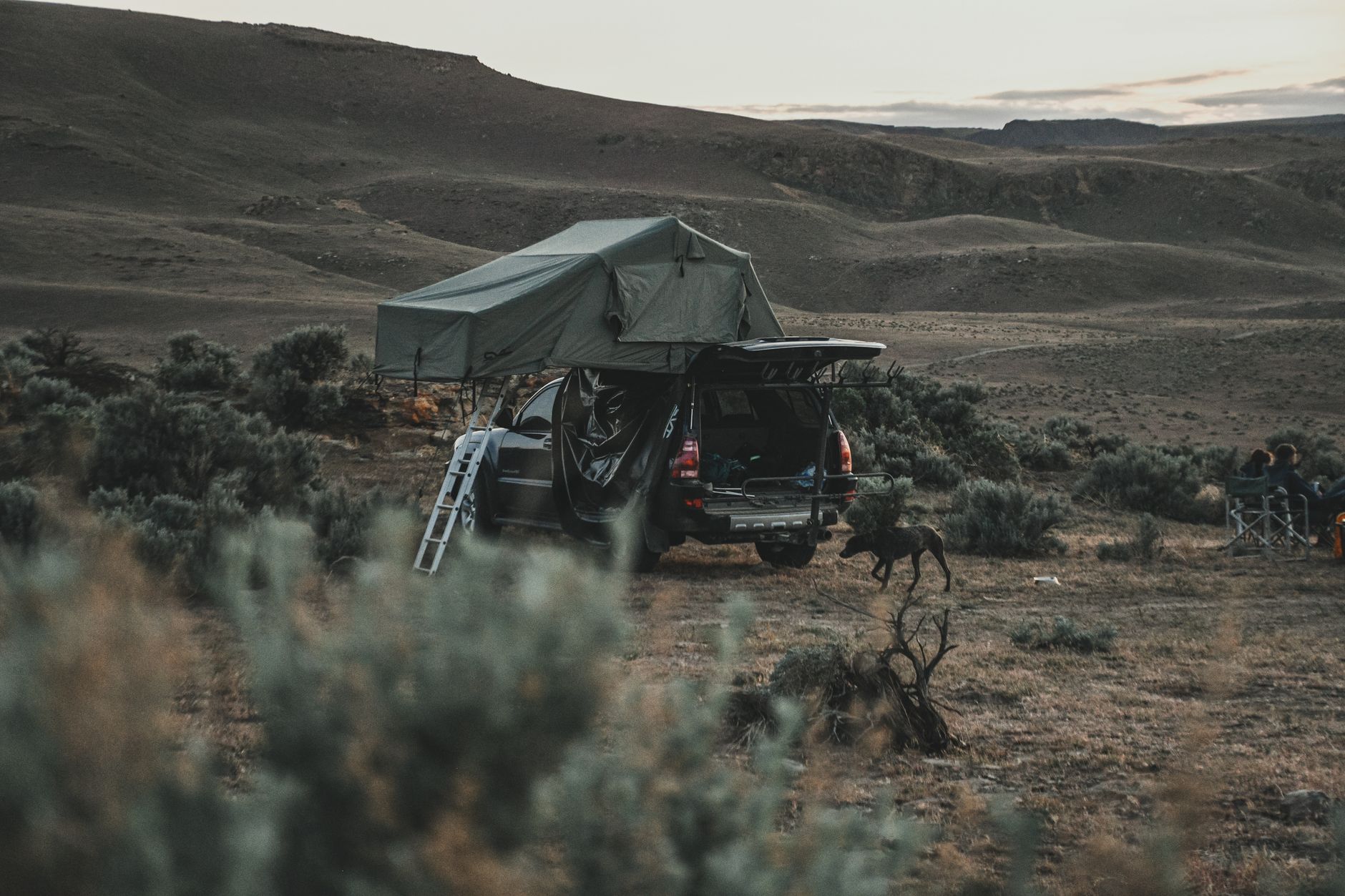
Imagine waking up to views that belong on a postcard, the crisp air filling your lungs, and the best part? It cost you absolutely nothing. We're diving deep into the world of free camping, unveiling hidden gems in locations so stunning, they'll redefine your idea of paradise and create memories to last a lifetime. ---
Unplugged, Unforgettable, and Utterly Free: Your Guide to the World's Most Epic Camping Spots
The scent of pine, the whisper of wind through ancient trees, the crackle of a campfire under a sky ablaze with stars – these are the moments we live for. But what if I told you that some of the most breathtaking, soul-stirring camping experiences on Earth come with a price tag of exactly zero dollars?
I remember my first real taste of free camping. It was a dusty, sun-baked evening in Southern Utah, my beat-up sedan packed with a tent, a cooler, and a sense of boundless anticipation. We'd been driving for hours, chasing the sunset through a landscape of impossible red rock formations, when we spotted a faint two-track leading off the main road onto Bureau of Land Management (BLM) land. With a shrug and a shared grin, we turned off. Hours later, as the last embers of our tiny fire glowed, I looked up at a canopy of stars so dense it felt like I could reach out and touch them. There was no campground host, no designated spot, just us and the universe. That night, something clicked. I realized that true freedom wasn't about fancy resorts or perfectly manicured sites; it was about finding your own slice of wilderness, respectfully, and without spending a dime.
Since then, "boondocking" or "dispersed camping" has become my addiction, my passion, and my go-to for experiencing places in a way that feels raw, authentic, and deeply personal. It's about escaping the crowds, embracing self-sufficiency, and discovering views so incredible they’ll make your jaw drop – all while keeping your travel budget happily intact.
But free camping isn't just about saving money; it's about unlocking a level of immersion you simply can't get otherwise. It’s about waking up to the sound of waves crashing, not RV generators. It’s about spotting wildlife from your tent flap, not from a crowded viewing platform. It's about experiencing the true, untamed heart of a destination.
Ready to trade your paid campsite for unparalleled freedom? Strap in, because I'm about to share some of the most incredible free camping spots you absolutely need to experience before you kick the bucket.
1. The Red Rock Majesty: Boondocking on BLM Land in Southwestern USA
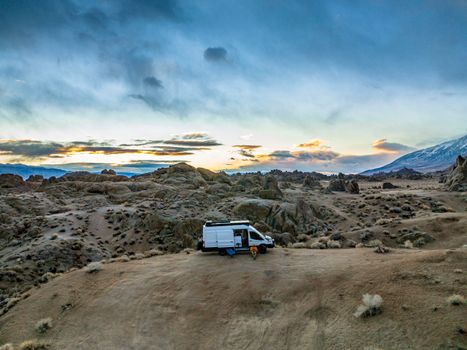
Location Focus: Utah, Arizona, Nevada Why it's a Must-Experience: Imagine sleeping under a blanket of stars so thick you can trace the Milky Way with your finger, surrounded by towering red rock formations that glow with an otherworldly light at sunrise. This isn't a dream; it's a typical night on BLM (Bureau of Land Management) land in the American Southwest. These vast public lands, managed for multiple uses including recreation, offer some of the most accessible and stunning free camping opportunities in the world.
My personal favorite memory? A spot just outside Goblin Valley State Park in Utah. While the park itself requires a fee, the surrounding BLM land offers countless pull-offs and established dispersed sites with panoramic views of the unique hoodoos and mesas. One morning, I woke up before dawn, brewed a cup of coffee, and watched as the sun slowly painted the landscape in hues of orange, red, and purple. It was utterly silent, save for the gentle rustle of the desert breeze, and I felt like I had the entire planet to myself. It's a feeling of profound solitude and connection that's truly irreplaceable.
Practical Tips for BLM Boondocking:
- Leave No Trace: This is paramount. Pack out everything you pack in, including human waste if facilities aren't available (a wag bag system is ideal). Leave your campsite cleaner than you found it.
- Water is Gold: You'll likely be far from amenities, so carry plenty of water for drinking, cooking, and basic hygiene.
- Fire Safety: Always check local fire restrictions. In dry desert environments, fires are often prohibited. If allowed, use a designated fire ring or a portable fire pit, and ensure your fire is dead out before leaving.
- Mapping Apps: Apps like iOverlander, The Dyrt (with a Pro membership), and FreeRoam are invaluable for finding established dispersed sites, reading reviews, and checking cell service. Gaia GPS is excellent for offline maps.
- Road Conditions: Many BLM roads are unpaved and can be rough. A high-clearance vehicle is often recommended, especially if venturing far from main roads.
2. Alpine Serenity: Dispersed Camping in the National Forests of the Rockies
Location Focus: Colorado, Montana, Wyoming Why it's a Must-Experience: If red rocks aren't your jam, perhaps the crisp, pine-scented air of the Rocky Mountains will call to you. The National Forests of the USA offer an abundance of dispersed camping opportunities, allowing you to set up camp amidst towering peaks, pristine alpine lakes, and dense evergreen forests. These are the places where you might wake up to deer grazing outside your tent or spot an eagle soaring overhead.
One unforgettable trip took me to White River National Forest in Colorado, just a stone's throw from the ritzy ski towns of Aspen and Vail, yet worlds away in terms of cost and atmosphere. We followed a forest service road deep into the wilderness, finding a perfect, secluded spot beside a gurgling stream. Days were spent hiking to breathtaking viewpoints, and evenings were for cooking over an open fire, sharing stories, and marveling at the sheer number of stars visible without any light pollution. The sounds of nature were our only lullaby. This is where you truly feel dwarfed by nature's grandeur and find a peace that city life rarely allows.
Practical Tips for National Forest Camping:
- Know the Rules: Dispersed camping typically means camping outside of developed campgrounds, usually within 150-200 feet of a forest service road. Check the specific forest's website for regulations, as some areas have restrictions on length of stay or require permits.
- Bear Safety: You're in bear country. Store all food, toiletries, and scented items in bear-resistant containers, a bear bag hung from a tree, or locked in your vehicle.
- Water Filtration: While streams and lakes might be abundant, always filter or treat water before drinking.
- Roads Can Be Tricky: Forest service roads can range from well-maintained gravel to extremely rough, rocky tracks. Research road conditions beforehand, especially if driving a low-clearance vehicle.
- Seasonal Access: Many high-elevation forest roads are closed due to snow well into early summer. Plan accordingly.
3. Pacific Paradise: Wild Camping Along Baja California's Coastline (Mexico)
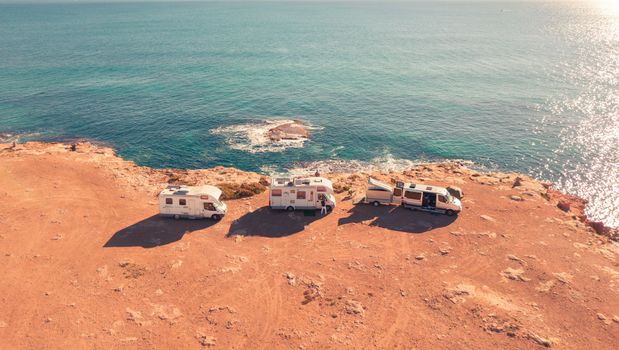
Location Focus: Baja California Sur, Mexico Why it's a Must-Experience: For those craving a truly unique, international free camping experience, Baja California Sur delivers. This Mexican peninsula, particularly the stretch along the Sea of Cortez, is a boondocker's paradise. Picture this: your tent or van parked directly on a pristine, white-sand beach, the gentle lapping of waves your soundtrack, and the warm Mexican sun on your skin. Fresh seafood, vibrant sunsets, and incredible snorkeling are just a bonus.
My absolute favorite spot, and one I return to again and again, is Bahia Concepcion. This bay is dotted with numerous coves and beaches where you can pull right up to the water's edge. While some spots might have a local asking for a small, optional donation for trash collection or basic amenities, many are truly free. I once spent a week at a secluded beach near Playa Santispac, waking up to pelicans diving for fish, kayaking in bioluminescent waters at night, and enjoying fresh-caught ceviche from a local fisherman who paddled by in his panga. The sense of community among fellow boondockers, combined with the vibrant local culture and stunning natural beauty, makes this an unparalleled adventure. It's truly a place where time slows down, and worries melt away with the tide.
Practical Tips for Baja Boondocking:
- Mexican Insurance: This is mandatory. Get it online before you cross the border.
- Vehicle Prep: Ensure your vehicle is in good working order. Gas stations can be sparse, and roads, especially off the main highway, can be rough.
- Water & Supplies: Stock up on water, food, and propane in larger towns like La Paz or Loreto. Local tiendas will have basics, but selection can be limited.
- Pesos are King: While some places accept USD, having Mexican Pesos is always best for local purchases.
- Respect Local Culture: Be friendly, learn a few Spanish phrases, and always ask if you're unsure about camping in a specific spot, especially if it seems like private land.
- Safety: Baja is generally safe, but common-sense precautions apply. Don't leave valuables unattended.
4. The Untamed North: Crown Land Camping in Canada's Wilderness
Location Focus: Ontario, British Columbia (Canada) Why it's a Must-Experience: Canada, with its vast wilderness and comparatively sparse population, is a haven for free camping, often referred to as "Crown Land camping." Imagine endless forests, crystal-clear lakes, and rugged mountains, all accessible without a permit or fee in many areas. This is where you truly disconnect and immerse yourself in the wild.
I once ventured deep into the backcountry of British Columbia, following logging roads off the Trans-Canada Highway. After hours of driving, we found a perfect, secluded spot overlooking a glacial-fed river, surrounded by towering cedars. The air was impossibly fresh, and the only sounds were the rushing water and the occasional call of a loon. We spent days hiking through ancient forests, fishing for trout, and marveling at the sheer scale of the landscape. It was a humbling experience, reminding me of the immense beauty and power of nature. For those who crave true solitude and an authentic wilderness experience, Crown Land camping in Canada is an absolute pilgrimage.
Practical Tips for Crown Land Camping:
- Know the Rules: Regulations vary by province. In Ontario, non-residents can camp on Crown Land for up to 21 days at any one site, but a permit is required for non-Canadian residents (though often free or very low cost for dispersed camping). In BC, it's generally free for up to 14 days. Always verify specific provincial and local regulations.
- Maps Are Essential: Crown Land is not always clearly marked. Utilize provincial Crown Land atlases (often available online) and robust GPS apps like Gaia GPS for navigation.
- Be Prepared for Remoteness: Cell service will be non-existent in many areas. Carry a satellite communication device (e.g., Garmin InReach) for emergencies.
- Wildlife Awareness: This is true wilderness. Be bear-aware, know how to store food, and carry bear spray.
- Road Conditions: Logging roads can be extremely rough, muddy, or washed out. A 4x4 vehicle with good ground clearance is often necessary.
5. Coastal Drama & Forested Retreats: Oregon's Pacific Wonderland
Location Focus: Oregon Coast, Siuslaw National Forest Why it's a Must-Experience: Oregon's coastline is famous for its dramatic cliffs, rugged headlands, and expansive sandy beaches. While many prime coastal spots are within state parks or private land, the nearby Siuslaw National Forest offers incredible free dispersed camping opportunities just a short drive from the ocean. This allows you to combine the best of both worlds: ocean adventures by day and peaceful forest camping by night.
I found a hidden gem within the Siuslaw National Forest, a quiet pull-off just a 20-minute drive from the iconic Cape Perpetua Scenic Area. We'd spend our days exploring tide pools, hiking through old-growth forests to panoramic viewpoints, and watching whales breach offshore. In the evenings, we'd retreat to our secluded forest spot, the smell of damp earth and fir trees filling the air, often accompanied by the distant roar of the Pacific. One morning, a dense fog rolled in, transforming the forest into an ethereal, mystical landscape – a truly unforgettable experience that felt uniquely Oregonian. This blend of coastal drama and forest tranquility is a powerful reminder of nature’s diverse beauty.
Practical Tips for Oregon Coast & Forest Camping:
- Weather: The Oregon Coast is known for its unpredictable weather. Be prepared for rain, fog, and wind, even in summer.
- Tides: If exploring beaches, always be aware of tide schedules to avoid getting cut off.
- Specific Forest Rules: Check the Siuslaw National Forest website for any specific dispersed camping regulations, fire restrictions, or road closures.
- Access: Some forest roads can be steep and gravelly. A robust vehicle is recommended for exploring deeper into the forest.
- Leave No Trace, Coastal Edition: Be extra mindful of fragile coastal ecosystems. Do not disturb wildlife or plants, and ensure all trash is secured to prevent it from blowing into the ocean.
6. The Ultimate Freedom: Mastering the Art of Free Camping with Essential Gear & Etiquette
Free camping isn't just about finding a spot; it's a mindset, a lifestyle, and a responsibility. To truly enjoy these incredible locations and ensure they remain accessible for generations to come, you need to be prepared and respectful.
Essential Gear for Your Free Camping Adventures:
- Reliable Vehicle: A high-clearance 4x4 isn't always necessary, but a vehicle in good mechanical condition is crucial, especially for rougher roads.
- Water Storage: Large water jugs (7-gallon Aqua-tainers are popular) and a good water filter/purifier are non-negotiable.
- Power Source: Solar panels, a portable power station (like Jackery or Goal Zero), or a robust dual-battery system will keep your devices charged and lights on.
- Navigation: Offline maps (Gaia GPS, Google Maps downloaded for offline use), a physical map, and a compass. A satellite communication device (Garmin InReach) for emergencies in remote areas.
- Waste Management: A portable toilet or wag bags for human waste, and sturdy trash bags for all other waste.
- Cooking Setup: A reliable camp stove, cooking utensils, and a cooler.
- Shelter: A sturdy tent, a reliable RV, or a well-equipped camper van.
- Safety Gear: First-aid kit, bear spray (if in bear country), headlamps, fire extinguisher.
- Comforts: Camp chairs, a table, and plenty of layers for varying temperatures.
The Golden Rule: Leave No Trace Principles:
- Plan Ahead and Prepare: Know the regulations and potential hazards.
- Travel and Camp on Durable Surfaces: Stick to existing roads and established sites.
- Dispose of Waste Properly: Pack it in, pack it out. This includes food scraps, toilet paper, and human waste.
- Leave What You Find: Don't take souvenirs. Leave rocks, plants, and historical artifacts as you found them.
- Minimize Campfire Impacts: Use established fire rings or a portable fire pit. Keep fires small, and ensure they are dead out before leaving.
- Respect Wildlife: Observe from a distance. Never feed animals.
- Be Considerate of Other Visitors: Keep noise down and respect privacy.
Free camping is about embracing self-sufficiency. There are no restrooms, no trash cans, and often no cell service. It’s you, your gear, and the wild. This might sound daunting, but it's precisely this challenge that makes the reward so much sweeter.
The Road Less Traveled Awaits
The world is full of incredible, untouched places just waiting to be discovered, and many of them don't require an entrance fee or a reservation. Free camping offers an unparalleled opportunity to connect with nature on a deeper level, to challenge yourself, and to create memories that money simply can't buy.
From the sun-baked deserts of Utah to the misty forests of Oregon, the vast wilderness of Canada, and the stunning beaches of Baja, these spots are more than just places to pitch a tent; they are experiences that will reshape your perspective, inspire your spirit, and remind you of the profound beauty of our planet.
So, what are you waiting for? Dust off your gear, download those offline maps, and start planning your next great adventure. The open road, and a million stars, are calling.
Have you discovered any incredible free camping spots that deserve a shout-out? Share your favorite hidden gems and tips in the comments below! And don't forget to bookmark this guide for your next epic, budget-friendly escape.
---
More pictures


Tags
Share this guide
We may earn a commission if you click a link and buy a product or service, at no extra cost to you. How affiliate links work.
Been there?