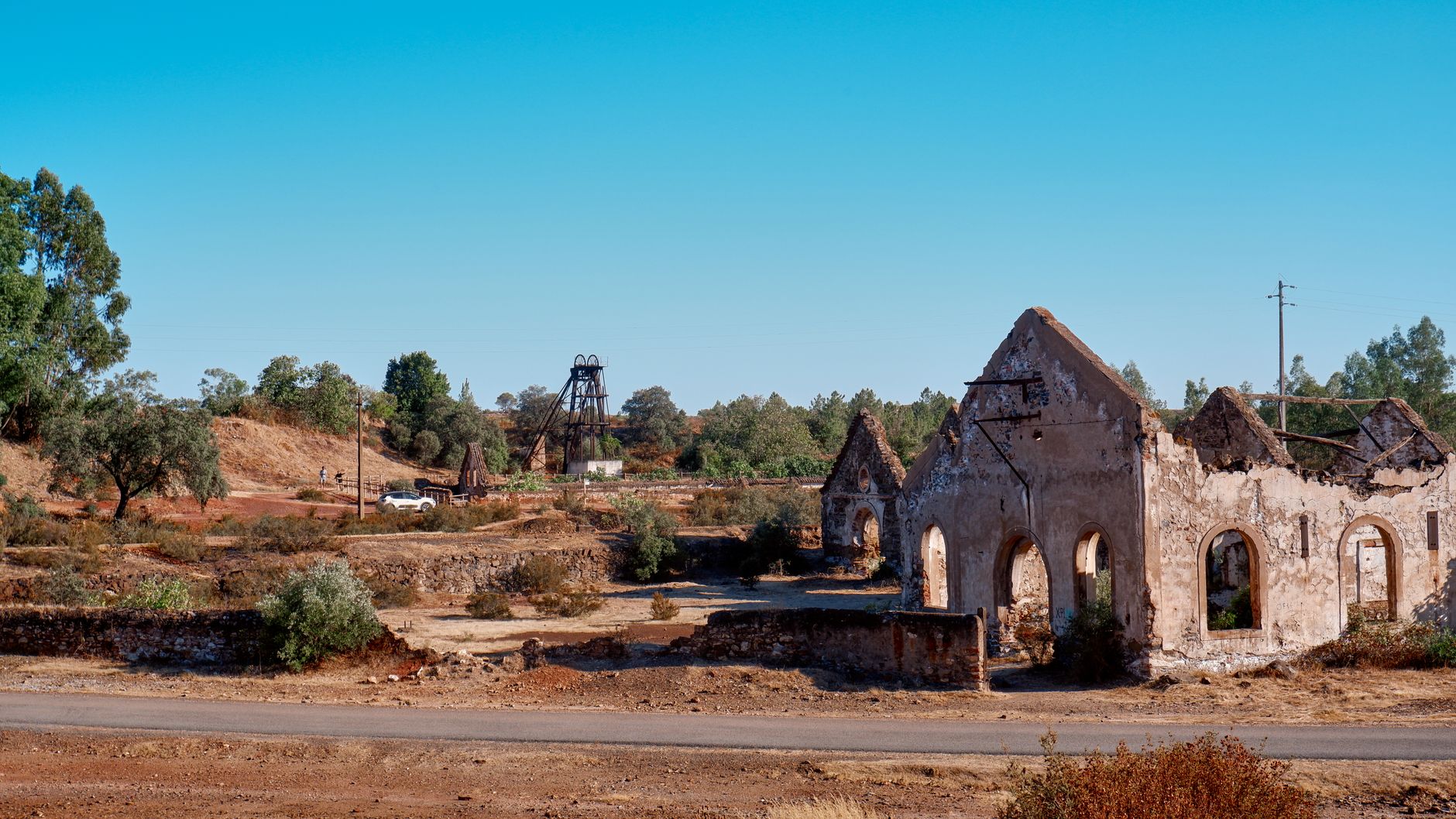
Tired of seeing the same old curated feeds? We're diving deep into the world of truly forgotten ghost towns, places so captivating and untouched, even the savviest influencers haven't caught on. Prepare to uncover secrets, capture stunning photos, and embark on an adventure truly your own. ---
Forgotten Ghost Towns: Secrets Influencers Don't Want You to Know!
I remember it like yesterday. The scorching Arizona sun beating down, dust devils dancing across the horizon, and the promise of an "undiscovered gem" just over the next ridge. My car, affectionately named 'Wanderer,' groaned up the gravel road, the tires kicking up a rooster tail of red dirt. I’d seen the Instagram posts – perfectly filtered shots of a "secret" hot spring, a "hidden" waterfall, a "secluded" canyon. Each one promised solitude, authenticity, a moment of pure, unadulterated connection with nature.
What I found, instead, was a line of SUVs, a dozen tripods already set up, and a queue of people waiting their turn for that iconic shot. The magic was gone, diluted by the very desire to share it. It was then I realized: the truly special places, the ones that whisper stories of the past, the ones that make your heart pound with discovery – those are the places influencers aren't talking about. Because if they did, they wouldn't be forgotten anymore.
This isn't about shaming anyone's travel style. It's about reclaiming the thrill of genuine exploration. It's about finding those untouched pockets of history, those eerie, beautiful echoes of lives lived long ago, that offer something infinitely more profound than a perfectly posed selfie. It's about the forgotten ghost towns.
Join me as we peel back the layers of curated content and dive into the magnificent desolation of places time forgot. These aren't the well-trodden tourist traps like Bodie or Jerome; these are the truly remote, the truly silent, the truly forgotten ghost towns that will ignite your wanderlust and leave you with stories no filter can replicate.
The Allure of the Abandoned: Why Ghost Towns Haunt Our Imagination
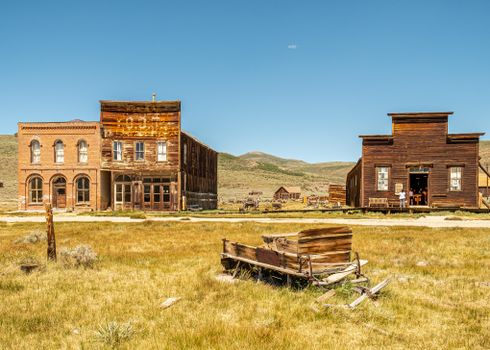
There's something inherently captivating about a place frozen in time. A ghost town isn't just a collection of old buildings; it's a silent testament to human ambition, resilience, and ultimately, impermanence. Walking through a deserted main street, you can almost hear the clatter of horse hooves, the murmur of conversations, the distant clang of a blacksmith's hammer. Each crumbling wall, each rusted relic, each faded sign tells a story, inviting you to piece together the narrative of lives lived and dreams abandoned.
For me, it's the profound sense of connection to history. In these places, the past isn't just something you read about in a book; it's something you can touch, feel, and breathe. It's a stark reminder that even the most bustling communities can vanish, leaving behind only whispers carried on the wind. This raw, unfiltered history is a stark contrast to the polished, often superficial experiences offered by over-touristed spots. Here, you're not a consumer; you're an explorer, an archaeologist of the everyday, a witness to the enduring power of nature reclaiming its own.
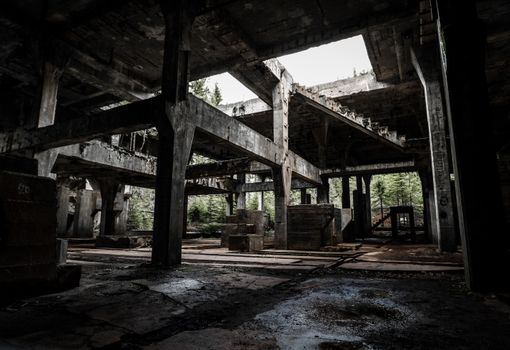
And let's be honest, for photographers, the visual feast is unparalleled. The textures of decay, the interplay of light and shadow on weathered wood and rusted metal, the melancholic beauty of structures succumbing to nature – it's an artist's dream. But more than just pretty pictures, these towns offer a narrative depth that challenges you to look beyond the surface, to find the beauty in the forgotten, and to tell a story that's truly unique.
The Art of Discovery: How to Uncover Your Own Hidden Haunts
Finding a truly forgotten ghost town isn't as simple as typing "ghost towns near me" into Google. The real gems require a bit more detective work, a dash of patience, and a willingness to venture off the beaten path – sometimes, way off. Here's how I approach the hunt:
- Old Maps & Atlases: Start with physical maps, especially historical ones. Look for defunct railway lines, old mining claims, or settlements marked with "ruins" or "abandoned." Geological survey maps can also reveal old mining districts.
- Local Libraries & Historical Societies: These are treasure troves of information. Librarians and local historians often know about forgotten settlements that never made it into mainstream guides. They might have old photographs, newspaper clippings, or even oral histories that point to vanished towns.
- Online Forums & Niche Groups: Look for forums dedicated to urban exploration, historical preservation, or regional history. Sometimes, incredibly detailed information, including GPS coordinates, can be found, but always cross-reference and verify.
- Word of Mouth (Carefully!): When traveling through remote areas, strike up conversations with locals – ranchers, park rangers, even gas station attendants. Sometimes, a casual chat can reveal an old "mining camp just past the wash" or a "railroad siding that used to be a town." Always approach with respect and never pressure for information.
- Satellite Imagery: Once you have a potential location, zoom in on Google Maps or other satellite imagery. Look for faint traces of roads, foundations, or clusters of trees that seem out of place in a desert or prairie.
Crucial Tip: Always verify land ownership before you go. Many ghost towns are on private property, active mining claims, or protected lands. Respect "No Trespassing" signs without exception. A little research upfront can save you a lot of trouble (and legal fees!).
Unveiling the Untouched: My Top Picks for Truly Forgotten Ghost Towns
These are the places I've personally explored, or extensively researched, that still hold that raw, untamed spirit. They aren't easy to get to, and that's precisely their charm.
1. Gunsight, Nevada: Whispers in the Silver Dust
- Location: Deep in the Great Basin Desert, Central Nevada. Specific coordinates are elusive, and that's by design. Think remote, high-desert valleys between Tonopah and Ely.
- The Story: Gunsight boomed briefly in the late 1800s as a silver mining camp. Like many Nevada towns, it sprang up overnight with a few saloons, a general store, and a hundred hardy souls chasing fortunes. When the silver played out, so did Gunsight, leaving behind a stark, beautiful ruin.
- What You'll Find: This isn't a town with perfectly preserved buildings. Gunsight is a testament to the desert's reclaiming power. You'll find collapsed wooden shacks, skeletal frames of larger structures, and countless scattered artifacts: rusted tin cans, broken glass, the occasional horseshoe. The most prominent feature is often the remains of a small stone assay office, remarkably resilient against the elements. I remember finding a child's porcelain doll head, half-buried in the dust near what might have been a small cabin – a chilling, poignant reminder of the lives once here.
- My Experience: The drive to Gunsight is an adventure in itself, often requiring a high-clearance 4x4 and a strong sense of direction (and a satellite communicator!). The silence is profound, broken only by the wind whistling through the empty window frames. The light at golden hour here is absolutely magical, casting long, dramatic shadows that make every piece of debris tell a story.
- Instagram-Worthy Shot: The solitary stone assay office silhouetted against a vibrant sunset, or a close-up of rusted mining tools half-buried in the sand, telling a story of forgotten labor.
- Practical Tip: Carry at least two gallons of water per person, per day. There are absolutely no services for hundreds of miles. Be prepared for extreme temperatures and sudden dust storms.
2. Pyramid, Montana: Echoes in the Evergreen
- Location: Tucked away in the dense forests of Western Montana, near the Idaho border, far from any major highway.
- The Story: Pyramid was a logging and railroad town established in the early 1900s to support the booming timber industry. It had a sawmill, a small general store, and housing for the loggers and their families. When the local forests were largely cleared and the demand for timber shifted, the railroad pulled out, and Pyramid slowly faded into the wilderness.
- What You'll Find: Unlike the desert towns, Pyramid is being slowly swallowed by the forest. Moss-covered foundations, decaying wooden structures, and rusting machinery are gradually being consumed by ferns and towering evergreens. You might find remnants of the old rail line, an abandoned steam donkey, or even a few cabins with their roofs collapsed, but walls still standing. The air here is cool and damp, carrying the scent of pine and decay. I once stumbled upon an old cast-iron stove, remarkably intact, with a small, gnarled tree growing right through its chimney pipe.
- My Experience: Exploring Pyramid feels like stepping into a forgotten dream. The quiet is punctuated only by the rustling of leaves and the occasional call of a bird. The forest creates a beautiful, melancholic atmosphere, and the way nature reclaims man-made structures is a powerful visual. The access roads can be treacherous, especially after rain, and often require navigating overgrown logging trails.
- Instagram-Worthy Shot: A moss-draped logging cabin with sunlight filtering through the trees, or a close-up of rusted gears and machinery being embraced by vibrant green foliage.
- Practical Tip: Be aware of wildlife, particularly bears, in this region. Carry bear spray, know how to use it, and make noise as you hike. Dress in layers, as weather can change quickly, and waterproof footwear is a must.
3. Terlingua, Texas (Original Mining District): Beyond the Tourist Trail
- Location: While the "new" Terlingua Ghost Town is a popular tourist spot near Big Bend National Park, the original quicksilver mining district – a few miles further into the desert – remains largely forgotten by the masses.
- The Story: Terlingua was once a thriving quicksilver (mercury) mining town, peaking in the early 20th century. It attracted miners from all over, creating a vibrant, if harsh, community. The Chisos Mining Company dominated the area, but when the price of mercury plummeted after WWII, the town rapidly declined.
- What You'll Find: The tourist "ghost town" has renovated structures and businesses. The original district, however, is a vast, sprawling landscape of true ruins. You'll find the remains of the old Chisos Mining Company headquarters, countless miners' shacks crumbling into the earth, extensive mine shafts (DO NOT enter!), and industrial relics scattered across the desert. The cemetery, with its sun-baked graves and makeshift markers, is particularly haunting. I spent hours here, feeling the heat radiate from the red rock, imagining the lives of the hard-scrabble miners who called this desolate place home.
- My Experience: The beauty of the original Terlingua mining district is its sheer scale and raw authenticity. It feels less like a single town and more like an entire industrial landscape slowly dissolving back into the desert. The quiet is immense, broken only by the chirping of cicadas and the distant cry of a hawk. The backdrop of the Chisos Mountains makes for incredibly dramatic scenery.
- Instagram-Worthy Shot: The sprawling ruins of the Chisos Mining Company against the rugged backdrop of the Chisos Mountains, or a poignant shot of a weathered grave marker in the old cemetery at sunrise.
- Practical Tip: This is harsh desert country. Sun protection (hat, sunscreen, long sleeves), ample water, and sturdy hiking boots are non-negotiable. Be aware of venomous snakes and scorpions. Cell service is virtually non-existent.
4. Kennecott, Alaska: A Glacier's Embrace
- Location: Deep within Wrangell-St. Elias National Park and Preserve, Alaska. Accessible only via a long, gravel road (McCarthy Road) or small plane, then a footbridge.
- The Story: Kennecott was once a thriving copper mining town from 1911 to 1938, home to one of the richest copper lodes in the world. Its remote location meant incredible engineering feats were required to extract the ore and transport it via railroad to the coast. When the copper ran out, the entire operation was abandoned, leaving behind an astonishingly preserved industrial complex and townsite.
- What You'll Find: This is the most "intact" of my picks, but its extreme remoteness and difficulty of access keep it off the typical influencer circuit. The massive 14-story mill building, processing plants, power plant, and various mine buildings cling to the mountainside, dwarfed by surrounding glaciers and towering peaks. The townsite itself has numerous wooden buildings: a general store, hospital, school, and bunkhouses. The scale is breathtaking, and the history palpable. I felt a chill, not just from the glacial air, but from imagining the harsh lives of the miners here.
- My Experience: Getting to Kennecott is an epic journey. The drive down McCarthy Road is an adventure in itself, and then crossing the footbridge into the ghost town feels like stepping back in time. Guided tours are available for some buildings, but much of it can be explored independently. The sheer size of the mill building against the backdrop of the Root Glacier is an unforgettable sight. It's a place that demands respect for both its history and its stunning natural setting.
- Instagram-Worthy Shot: The towering 14-story red mill building framed by the Root Glacier and surrounding mountains, or a wide-angle shot of the entire townsite nestled in the vast Alaskan wilderness.
- Practical Tip: Plan for at least 2-3 days to truly experience Kennecott and McCarthy. The gravel road requires careful driving and can be rough. Accommodations are limited in McCarthy, so book well in advance. Be prepared for all types of weather, even in summer. This is true wilderness; carry bear spray and know wilderness safety.
The Unwritten Rules of Ghost Town Exploration: Responsible & Safe Travel
Visiting these forgotten places comes with a profound responsibility. We are guests in these silent towns, and our actions dictate their future preservation.
- Leave No Trace: This is paramount. Pack out everything you pack in. Do not leave trash, food scraps, or any indication of your visit.
- Take Only Photos, Leave Only Footprints: Do not take artifacts, relics, or anything from the site. These items belong to the history of the place and should remain for future visitors (and researchers). Moving or disturbing anything diminishes its historical context.
- Respect Private Property: Many ghost towns, or parts of them, are on private land. Always heed "No Trespassing" signs. If in doubt, assume it's private.
- Safety First:
- Structural Integrity: Old buildings are unstable. Never enter crumbling structures. Walls can collapse, floors can give way. Admire from a safe distance.
- Mine Shafts: Never, ever enter mine shafts or tunnels. They are incredibly dangerous due to unstable ground, lack of oxygen, and toxic gases.
- Wildlife: These remote areas are home to wildlife. Be aware of your surroundings and know how to react to encounters (e.g., bears, snakes).
- Weather: Remote locations mean extreme weather. Be prepared for sudden changes, carry appropriate gear, and check forecasts.
- Navigation: Cell service is rare. Carry physical maps, a GPS device, and consider a satellite communicator for emergencies.
- Essentials: Always carry ample water, first aid supplies, extra food, and emergency gear. Tell someone your itinerary and expected return time.
- Research & Prepare: The more you know about a place before you go, the more you'll appreciate it, and the safer your trip will be. Understand the history, the access routes, and potential hazards.
Capturing the Spirit: Photography Tips for the Undiscovered
While the goal isn't just "the 'gram," capturing the essence of these places through photography is a powerful way to share their stories responsibly.
- Embrace the Decay: Don't try to make things look perfect. Focus on the textures of weathered wood, rusted metal, peeling paint, and crumbling stone. These details tell the story of time's passage.
- Utilize Natural Light: Golden hour (sunrise/sunset) provides soft, dramatic light that enhances textures and creates long, interesting shadows. Blue hour (just before sunrise/after sunset) can lend an eerie, melancholic mood. Overcast days can offer diffused, even light, perfect for capturing intricate details without harsh shadows.
- Focus on Composition: Use leading lines (old roads, fences, rows of buildings) to draw the viewer's eye. Frame subjects within doorways or windows. The rule of thirds is your friend, but don't be afraid to break it for strong central compositions, especially with solitary structures.
- Tell a Story with Details: Beyond wide shots, look for the small, poignant details: a rusted coffee pot, a broken chair, a faded newspaper clipping. These human touches evoke the past more powerfully than any grand vista.
- Drone Photography (Ethically!): If you have a drone and it's permitted (check local regulations and park rules!), aerial shots can provide a breathtaking perspective, showcasing the town's layout and its relationship to the surrounding landscape. Always fly respectfully and responsibly, ensuring you don't disturb wildlife or other visitors.
- Authenticity Over Posing: Resist the urge for overly staged or "influencer-style" poses. The power of these places lies in their raw, untouched beauty. Let the ghost town be the star, and if you're in the shot, let it be in a way that feels natural and contemplative.
Your Adventure Awaits: Go Forth and Discover!
The world is still full of wonders waiting to be discovered, places that aren't plastered across social media feeds, places that demand a little effort, a little grit, and a lot of respect. These forgotten ghost towns offer an unparalleled opportunity for genuine adventure, a chance to connect with history on a deeply personal level, and to capture images that truly tell a story.
So, pack your bags, fill up your tank, double-check your maps, and prepare to venture beyond the curated. The thrill of finding something truly forgotten, of standing in a place where time has stood still, is an experience that will stay with you long after the dust has settled.
What forgotten corners of the world have you discovered? Share your stories (responsibly, of course!) in the comments below. Let's inspire each other to seek out the truly extraordinary, one silent, windswept ghost town at a time.
Are you ready to trade the crowds for captivating history? Tag a friend who needs to embark on a real adventure!
---
More pictures
Tags
Share this guide
We may earn a commission if you click a link and buy a product or service, at no extra cost to you. How affiliate links work.
Been there?