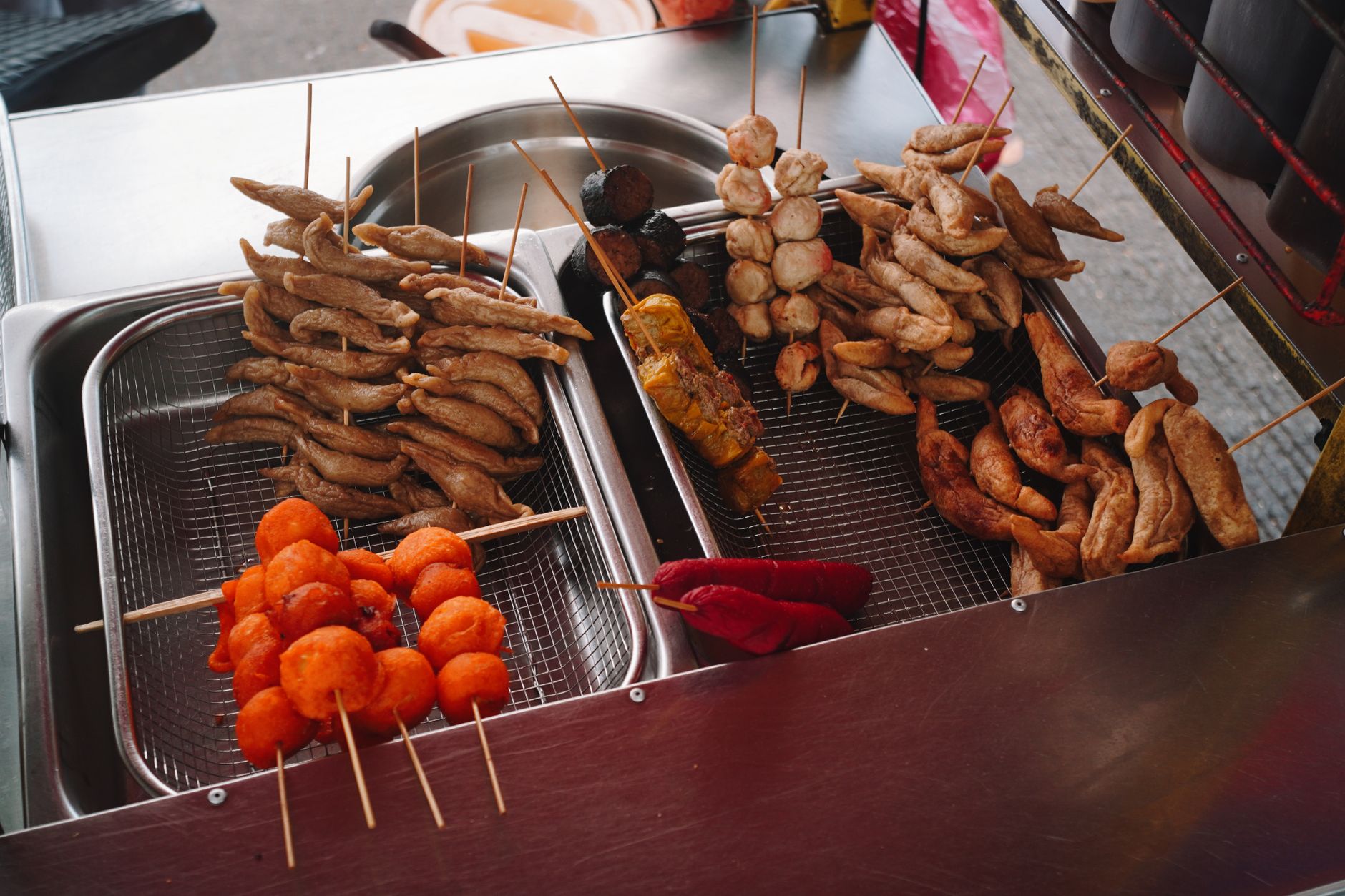
Prepare to have your taste buds challenged and your mind blown! We're diving deep into the fascinating, often dangerous, and sometimes downright bizarre world of foods that are perfectly legal in some corners of the globe but strictly forbidden in others. Get ready for a culinary journey that pushes the boundaries of legality and flavor. ---
The air was thick with the scent of aged cheese and something... else. Something pungent, almost alive. I was in Sardinia, tucked away in a tiny, family-run agriturismo, where my host, Nonna Elena, had just winked conspiratorially. "Tonight," she whispered, her eyes twinkling, "we taste the forbidden."
My heart hammered. I’d heard whispers, seen blurry videos, but nothing truly prepares you for the moment you’re about to encounter Casu Marzu, the infamous 'maggot cheese'. In most countries, even the thought of cheese teeming with live insect larvae is enough to trigger a health code violation faster than you can say "export ban." Yet, here I was, about to delve into a delicacy that embodies the very essence of culinary rebellion.
Travel, for me, isn’t just about seeing new places; it’s about tasting them. It’s about diving headfirst into local culture, and often, that means pushing the boundaries of what you thought was edible. But what about foods that push the boundaries of legality? What about the dishes so controversial, so dangerous, or so ethically fraught that they’re outlawed in most parts of the world?
That’s what we’re exploring today on Tripsora. Get ready to have your mind blown by foods that are illegal in most countries, yet cherished in others. This isn't just about weird food; it’s about understanding global food laws, cultural traditions, and the sheer audacity of human gastronomy. Consider this your definitive, albeit cautionary, guide to the world's most forbidden flavors.
The Living Legend: Casu Marzu – Sardinia, Italy
My Encounter: That night in Sardinia, Nonna Elena presented a small, glistening wheel of Pecorino Sardo, but this wasn't just any Pecorino. It was Casu Marzu. As she carefully sliced into it, the surface shimmered, and then I saw them: tiny, translucent maggots, wriggling with an almost rhythmic pulse. My stomach did a flip-flop. Nonna Elena scooped a spoonful, offered it to me with a mischievous grin, and said, "Close your eyes, feel the life."
Why It's Illegal (Mostly): Casu Marzu translates to "rotten cheese." It's made by introducing cheese flies (Piophila casei) to Pecorino Sardo. The larvae digest the cheese, breaking down its fats, giving it an incredibly soft, creamy texture and a pungent, spicy flavor. The primary reason for its ban in countries outside of the EU (and even within the EU, it's under strict traditional food exemptions) is health concerns. There's a risk of intestinal myiasis if the maggots survive stomach acids, leading to abdominal lesions.
Where to Find It (Legally & Traditionally): Sardinia, Italy. It's considered a traditional Sardinian product and is protected by the EU as a "traditional food," allowing for local production and consumption, though commercial sale outside Sardinia is still highly restricted. You won't find it in supermarkets. You need local connections, often through farmers or small producers who keep the tradition alive. Expect to pay anywhere from €30-€60 per kilogram, but good luck finding someone willing to sell to a tourist directly without a trusted local intermediary.
The Taste & Experience: The initial shock gives way to a surprisingly complex flavor. It's intensely piquant, creamy, and earthy, with a lingering aftertaste that some describe as "fiery." And yes, you do feel the maggots. Some locals cover their eyes while eating to avoid jumping larvae, which can reportedly leap up to 6 inches! It’s a sensory overload that will redefine your understanding of "fresh."
Practical Tips: If you’re brave enough to seek it out, do so through trusted local contacts. Never attempt to make it yourself. And remember, you might need to sign a waiver or just keep it hush-hush. It’s a truly unique, Instagram-worthy story, but one to approach with extreme caution and respect for local traditions.
The Deadly Delicacy: Fugu (Pufferfish) – Japan
My Encounter: I first heard about Fugu when I was backpacking through Japan, captivated by the country's meticulous culinary artistry. The idea of a fish so deadly that its preparation requires years of intense training, certification, and a literal license to kill (or not kill, as the case may be) was utterly mesmerizing. I confess, I haven't personally eaten Fugu. My travel budget and my sheer self-preservation instinct have kept me from it. But I've sat in hushed awe in Tokyo's Tsukiji Outer Market, watching a master fugu chef, his hands moving with surgical precision, dissecting the fish, knowing that one wrong cut could mean instant death for his diners.
Why It's Illegal (Mostly): Fugu contains tetrodotoxin, a neurotoxin 1,200 times more potent than cyanide, found primarily in its liver, ovaries, intestines, and skin. There's no known antidote. Even a tiny amount can cause paralysis and death within hours. Many countries ban the import and sale of Fugu entirely, or have extremely strict regulations, due to the extreme risk.
Where to Find It (Legally & Safely): Exclusively in Japan (and a few other Asian countries with strict regulations like Korea). In Japan, only specially licensed chefs are permitted to prepare and sell Fugu. These chefs undergo rigorous training, sometimes for years, and must pass a demanding national examination. Restaurants serving Fugu are often high-end, and a multi-course Fugu meal can range from ¥8,000 to ¥20,000 (approx. $50-$130 USD) or more. Look for restaurants displaying the fugu license.
The Taste & Experience: Those who brave it describe Fugu as having a delicate, clean, almost transparent flesh, often served as ultra-thin sashimi (fugu-sashi or tessa). It's said to have a subtle, sweet flavor, sometimes accompanied by a tingling sensation on the lips and tongue – a sign that the chef has left just enough toxin to provide a thrilling, albeit controlled, brush with danger.
Practical Tips: If you must try Fugu, do so only in Japan, and only at a highly reputable restaurant with a certified Fugu chef. Do your research, read reviews, and don't skimp on cost. This is not the time to be a budget traveler. It’s a bucket-list item for true culinary daredevils, and the story alone is certainly Instagram-worthy.
The Ethical Enigma: Ortolan Bunting – France
My Encounter: My friend, a seasoned food writer, once recounted a hushed, almost reverent tale from a clandestine dinner party in rural France. He spoke of small, golden-brown birds, consumed whole, under a white napkin. The experience sounded more like a ritual than a meal, steeped in history and controversy. He couldn't go into details, citing a vow of silence, but the allure of the forbidden was palpable.
Why It's Illegal (Mostly): The Ortolan Bunting is a small songbird, historically considered a delicacy in France. The traditional preparation involves force-feeding the bird until it's morbidly obese, drowning it in Armagnac, then roasting it whole. The diner consumes the entire bird, bones and all, often with a napkin draped over their head – a practice believed to trap the aromas and hide the shame from God. The bird's population has plummeted due to overhunting, leading to strict protection laws across the EU. Hunting, selling, and serving Ortolan Bunting is now largely illegal, with severe fines and potential prison sentences.
Where to Find It (Legally & Traditionally): Officially, nowhere. Ortolan Bunting is a protected species under EU law. However, illegal poaching and clandestine consumption persist, especially in southwestern France, as a defiant act against perceived culinary oppression. It's a dish whispered about, not advertised. If you were to find it, it would be through extremely secretive, underground channels, and the "price" would be more about risk than monetary value.
The Taste & Experience: Descriptions speak of an intense, rich, gamey flavor, with a burst of Armagnac and a combination of delicate bones and rich fat. It’s described as a unique, almost spiritual experience, a connection to a bygone era of French gastronomy.
Practical Tips: Frankly, don't try to find this. The ethical and legal implications are enormous. Beyond the risk of fines and jail time, consuming an endangered species contributes to its extinction. This is a dish best left to history books, a stark reminder of how culinary traditions can clash with conservation efforts. Share the story, but not the dish.
The Unripe Danger: Ackee – Jamaica (and beyond)
My Encounter: On a vibrant morning in Negril, Jamaica, I was at a bustling local market, eager to try the national dish: Ackee and Saltfish. My host, a cheerful woman named Mama G, pointed to a stall selling bright red, pod-like fruits. "Ackee," she smiled, "but you must know which part to eat, and when!" She then recounted stories of people falling gravely ill from consuming unripe ackee, a stark warning against culinary carelessness.
Why It's Illegal (Mostly): Ackee is a delicious and nutritious fruit, but only when perfectly ripe and correctly prepared. The unripe fruit, and specifically the black seeds and the red arils surrounding the seeds, contain a potent toxin called hypoglycin. Ingesting this can lead to "Jamaican Vomiting Sickness," characterized by severe vomiting, hypoglycemia, and in extreme cases, coma or death. Because of this toxicity, the import of raw ackee is banned in many countries, including the United States, unless it's canned or frozen and processed to ensure safety.
Where to Find It (Legally & Safely): Legally and commonly consumed in Jamaica, West Africa, and other Caribbean islands. Outside these regions, you can usually find canned or frozen ackee in specialty Caribbean markets, particularly in cities with large Caribbean diaspora populations (e.g., London, New York, Toronto). A can of ackee typically costs around $5-$8 USD.
The Taste & Experience: When properly prepared, ackee has a unique, delicate, buttery flavor and a texture often compared to scrambled eggs. It's savory, not sweet, and pairs wonderfully with the salty flakiness of codfish. Ackee and Saltfish is a quintessential Jamaican breakfast, a comforting and flavorful start to the day.
Practical Tips: If you’re in Jamaica, enjoy Ackee and Saltfish from reputable restaurants or local cooks. Do not attempt to pick or prepare fresh ackee yourself unless you are an expert in identifying its ripeness. If buying canned or frozen ackee abroad, ensure it comes from a trusted brand and is clearly labeled "processed for safety." This is a fantastic, flavorful dish to try, but respect its inherent danger. It’s a beautiful, colorful dish that looks great on Instagram!
The Surprising Snack Ban: Kinder Surprise Eggs – USA
My Encounter: I was in Rome, browsing a local supermarket, and there they were: rows upon rows of those iconic foil-wrapped chocolate eggs with the familiar Kinder logo. A small child nearby was excitedly unwrapping one, eager for the toy inside. I bought a few, remembering how much I loved them as a kid in Canada. When I tried to bring a couple back to the US for a friend’s child, I was stopped at customs. "These are illegal, ma'am," the officer stated, holding up the chocolate egg. I was genuinely flabbergasted.
Why It's Illegal (Mostly): This one comes as a shock to many. Kinder Surprise eggs are banned in the United States, not because of any dangerous food ingredient, but because of a specific FDA regulation dating back to 1938. The Federal Food, Drug, and Cosmetic Act prohibits the sale of any candy that contains a "non-nutritive object" (i.e., a toy) embedded within it. The concern is that young children could choke on the small toy surprise inside the chocolate egg.
Where to Find It (Legally & Traditionally): Almost everywhere else in the world! From Canada and Mexico to Europe, Asia, and Australia, Kinder Surprise eggs are a beloved childhood treat. You can buy them in virtually any supermarket or convenience store for around €1-€2 (approx. $1.10-$2.20 USD).
The Taste & Experience: A delicious combination of milk chocolate and white cream, with the added thrill of a small, buildable toy inside. It’s a simple pleasure, a nostalgia trip for many, and a rite of passage for kids globally.
Practical Tips: If you’re traveling outside the US, feel free to indulge! Just remember to finish them before you cross the US border, or declare them and be prepared for them to be confiscated. Interestingly, Kinder has developed a "Kinder Joy" egg for the US market, which separates the chocolate and the toy into two distinct halves, bypassing the regulation. It's a fun, innocent, and highly Instagrammable treat (outside the US, that is!).
The Ancestral Offal: Haggis – USA
My Encounter: My first Burns Night supper was in Edinburgh, Scotland. The bagpipes wailed, the whisky flowed, and then came the star of the show: a great chieftain o' the pudding-race, a steaming, savory haggis. The Address to a Haggis was recited with gusto, and then we dug in. It was rich, earthy, and surprisingly delicious. Later, I learned that this very dish, a cornerstone of Scottish identity, faced a surprising barrier to entry in my home country.
Why It's Illegal (Mostly): Haggis is a savory pudding containing sheep's pluck (heart, liver, and lungs), minced with onion, oatmeal, suet, spices, and salt, encased in the animal's stomach (though now often in artificial casing). The ban on traditional haggis in the United States dates back to 1971, specifically targeting the use of sheep's lungs. The USDA considers lungs unfit for human consumption due to the risk of parasitic infections and other contaminants that can accumulate in the organ. Many other countries, however, have no such ban.
Where to Find It (Legally & Traditionally): Scotland is the obvious place! You can find haggis in virtually any supermarket, butcher shop, or restaurant across the country. A typical restaurant portion might cost £10-£15 (approx. $12-$18 USD). You can also find it in other countries like Canada, Australia, and New Zealand, which don't have the same lung ban. For those in the US, some Scottish butchers make a "US-legal haggis" using other offal but omitting the lungs, or using alternative ingredients to mimic the texture and flavor.
The Taste & Experience: Haggis is hearty, peppery, and incredibly satisfying. It has a crumbly, almost mealy texture and a deep, gamey flavor. It's often served with "neeps and tatties" (turnips and potatoes) and a dram of whisky. It's a dish that evokes strong feelings of tradition and comfort.
Practical Tips: If you’re in Scotland, embrace the haggis! It’s an essential part of the cultural experience. Don’t let the ingredients deter you; it’s far more delicious than it sounds. If you want to bring the flavor home to the US, look for the legal versions or find a good Scottish pub that imports and prepares it correctly (without the illegal ingredient, of course). It’s a fantastic, conversation-starting meal for any social media feed.
The Thrill of the Forbidden: A Responsible Culinary Journey
My journey through the world of forbidden foods has taught me that legality is often a patchwork of history, health science, ethics, and sometimes, plain old bureaucracy. From the exhilarating danger of Fugu to the ethical dilemma of Ortolan, and the surprising ban on a simple chocolate egg, each forbidden food tells a unique story about our relationship with what we eat.
While the thrill of the forbidden is undeniably alluring, it’s paramount to approach these culinary adventures with responsibility. Always, always prioritize your safety and health. Research local laws, understand the risks, and seek out reputable sources if you choose to try something controversial. And remember to respect the cultural context and ethical implications of what you consume. Sometimes, the most adventurous thing you can do is learn about a dish without needing to taste it.
So, what's your take? Would you dare to try Casu Marzu? Have you ever unknowingly smuggled a Kinder Surprise across a border? The world of food is vast, wild, and full of surprises. It’s an endless journey of discovery, one bite at a time.
What's the most surprising food ban you've encountered on your travels? Share your stories in the comments below! And don't forget to share this post with your fellow food adventurers – let's get the conversation started!
---
More pictures



Tags
Share this guide
We may earn a commission if you click a link and buy a product or service, at no extra cost to you. How affiliate links work.
Been there?