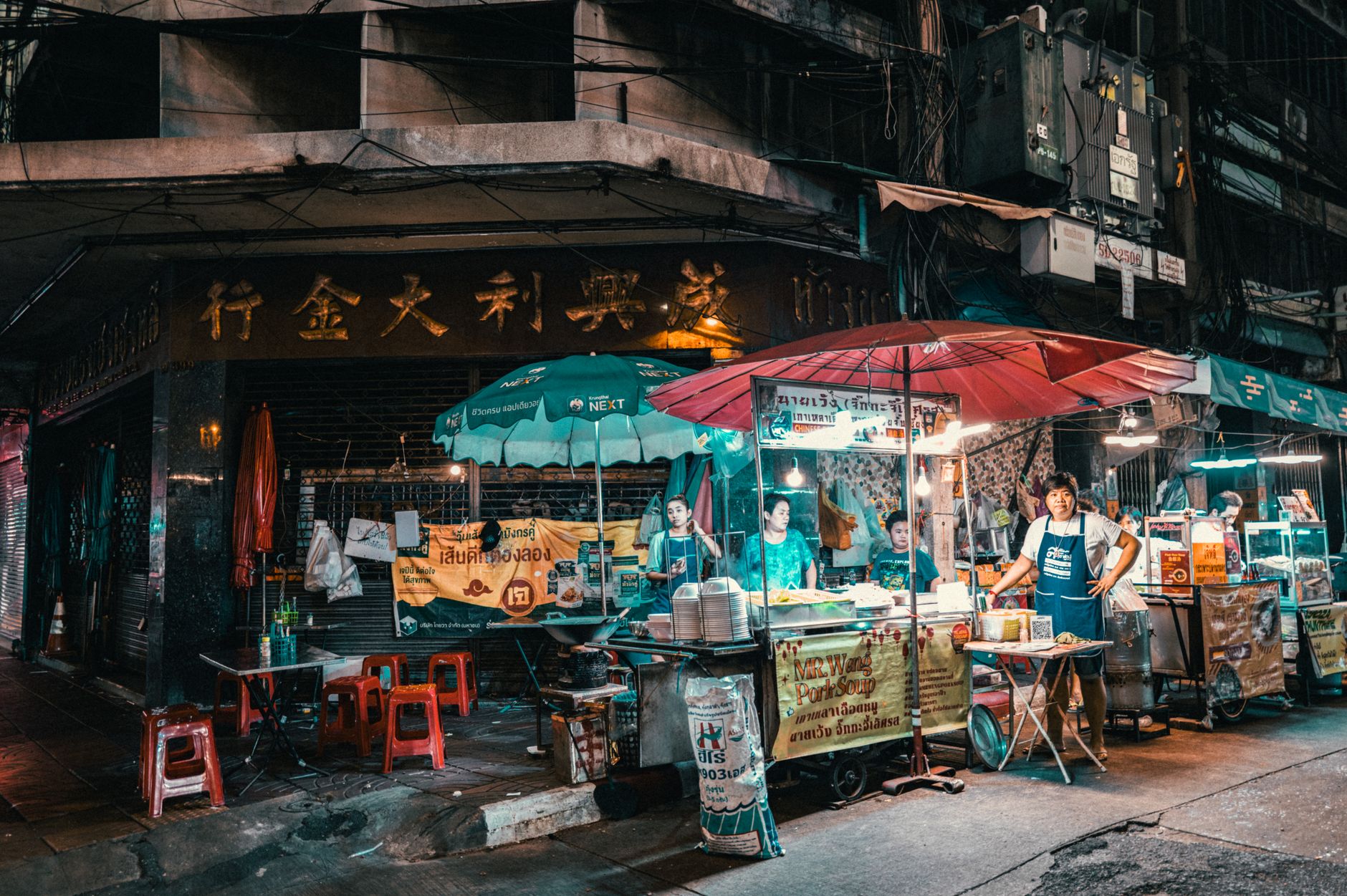
A practical guide to choosing food markets abroad, comparing market types in Europe, the Middle East, Africa and Latin America, with tips on picking quieter ones and eating well.
Travel advisors who work with food-loving clients often give the same advice: stop chasing the single most famous market and start choosing markets by type. A famous market can be wonderful, but it can also be loud, crowded and priced for visitors. A smaller market that fits the way you like to eat often delivers more.
This guide approaches the question differently from a simple list of destinations. It explains the main kinds of food markets you will meet around the world, gives examples in several regions, and shows how to pick the right one for your trip. If Bangkok's street-food scene is your benchmark, you will find similar energy elsewhere, often with more space to enjoy it. Opening days, hours and prices change, so confirm details locally.
Five Types of Food Market
Markets look similar from a distance, but they work in very different ways. Knowing the type tells you what to expect.
1. The daily produce market
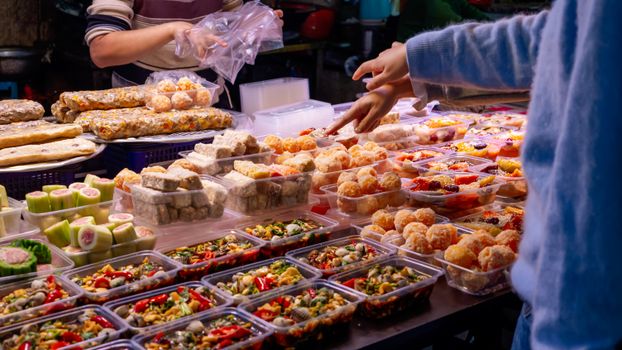
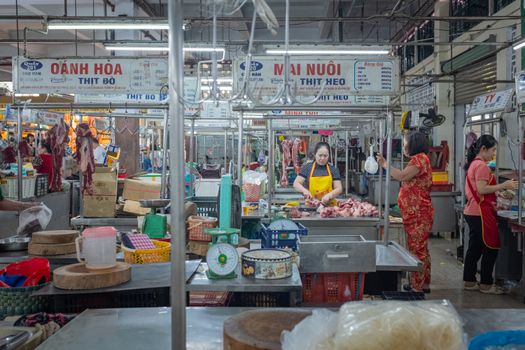
These are markets where residents buy vegetables, fruit, meat, fish and bread. Food to eat on the spot is a bonus, often at small counters or simple stalls at the edges. Prices are local, crowds are mostly shoppers, and the best time is early morning.
2. The night market
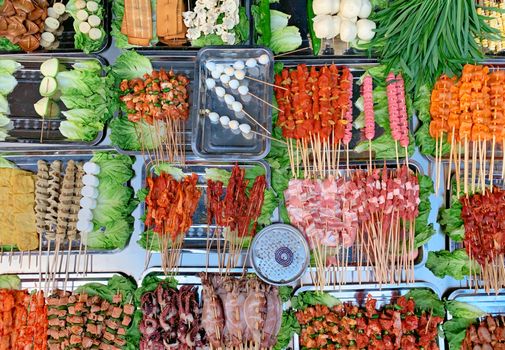
Night markets are built around eating and socialising. They are loud, bright and sometimes very busy, with grilled snacks, noodles, sweets and drinks. They are common in East and Southeast Asia, though versions exist elsewhere.
3. The food hall
Historic covered halls, such as those found in many European cities, host stalls that serve prepared dishes at counters and shared tables. Some are very touristy, others remain mostly local. They are comfortable in bad weather.
4. The hawker or food-court centre
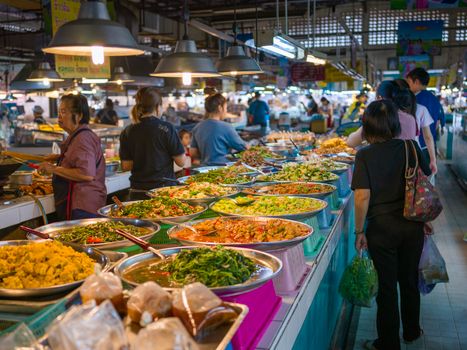
Common in Malaysia and Singapore, these centres gather dozens of stalls under one roof, each specialising in a few dishes. Orders and payment are simple, hygiene is regulated, and there are usually plenty of seats.
5. The weekend or festival market
Seasonal or weekly markets, such as farmers' markets or harvest festivals, bring producers and makers together. They can be charming, but they run only on specific days.
Think about which type suits your mood. If you want a lively night out, pick a night market. If you want a quiet, local feel, choose a daily produce market in the morning.
The Mediterranean and Southern Europe
Valencia and the Spanish coast
The Central Market in Valencia is large and beautiful, and it gets busy. Smaller neighbourhood markets in the city sell similar produce and serve breakfasts and lunches to locals. Try ordering a cafe con leche and a pastry at a market bar, and walk the aisles with the shoppers.
Athens and Thessaloniki
Athens has a central meat and fish market with attached eateries, and the surrounding streets are filled with spice and cheese shops. Thessaloniki's Modiano and Kapani markets offer a mix of produce and small eateries, often more relaxed than Athens' busiest spots. In both cities, early weekday visits are calmer.
Sicily
Palermo's historic markets, such as Ballaro and Capo, are famous for street food like panelle, arancine and sfincione. They can be intense, but the food is excellent and the setting vivid. Smaller towns across the island have markets that feel gentler. Be aware of your belongings in crowded areas.
Portugal's smaller cities
Besides Lisbon and Porto, cities such as Coimbra, Braga and Faro have traditional markets, often with upstairs restaurants and cafes. Seafood, cheese, bread and pastries are strong points.
Turkey, the Middle East and North Africa
Istanbul and beyond
Istanbul's Kadikoy neighbourhood on the Asian side has a bustling food market, much beloved by locals. Outside Istanbul, cities such as Gaziantep are known for baklava, kebabs and breakfast spreads, with markets and traditional restaurants that show regional cooking at its best.
Beirut and Lebanon
Lebanon has a deep culinary tradition, with markets, bakeries and sweet shops. Conditions can change, so check government travel advice before planning.
Morocco
Markets in Fes, Marrakech and smaller cities are sensory feasts. The busiest squares draw large crowds in the evening, whereas daytime markets in the old towns have a more local rhythm. Learn a few polite phrases and agree prices before ordering where menus are not shown. Be cautious with unrequested guides and follow local advice.
Sub-Saharan Africa
Food markets in many African cities are social centres. In places such as Dakar, Accra and Nairobi, markets offer grilled meats, stews, fresh fruit and local snacks. Visitors often get the most from going with a local guide or host who can introduce vendors and explain dishes. Safety conditions vary a lot by city and neighbourhood, so check official travel advice and ask local hosts for guidance on timing and areas.
Latin America
Oaxaca, Puebla and central Mexico
Mexico's markets are among the most vibrant in the world, with stalls for mole, tamales, tlayudas, fresh tortillas and fruit. Oaxaca and Puebla have markets that range from tourist-heavy to proudly local. Lunchtime fills up, so go for a late breakfast or early afternoon meal.
Peru
Lima has outstanding food, from ceviche counters to markets like Surquillo. Cusco and Arequipa have markets that serve soups, juices and snacks to locals and visitors. High altitude can affect appetite and energy, so go slowly in the first days and ask your doctor about altitude health.
Colombia
Cities like Cali, Medellin and Cartagena offer markets full of tropical fruit, fried snacks and soups. Plaza markets can be hectic, so go with a plan, keep valuables secure and follow local safety advice.
Asia Beyond the Famous Names
Even within Asia, the quieter options reward curiosity. In Taiwan, Tainan has a reputation for small-shop snacks and old-town breakfasts, and its neighbourhood night markets often feel more local than the best-known Taipei ones. In Malaysia, Penang and Ipoh give you hawker centres where you can order from several stalls at a single table. In Vietnam, smaller cities such as Hue and Hoi An offer regional specialities with a gentler pace than the largest cities. In Japan, local arcades and morning markets outside the headline tourist streets can be a calm way to eat well. Each of these places has its own flavours, so treat Bangkok as a reference point rather than a template.
Matching Markets to Travel Styles
Advisors often suggest thinking about who is travelling, not just where.
- Solo travellers usually enjoy hawker centres and food halls, where sharing tables is normal and ordering is simple.
- Families with children may prefer daytime produce markets and food halls with seating, plus a quick exit if little ones tire. Look for places with high chairs, shade or air conditioning.
- Couples often like evening markets and pintxo-style bar crawls where you can graze, then walk.
- Groups do well with shared plates and markets that have lots of seating, so nobody has to eat standing up.
- Travellers with dietary needs should look for markets with clearly labelled stalls, or consider a local guide who can translate. Vegetarian, halal and kosher options vary hugely from place to place, so research in advance.
- Travellers with mobility needs should check whether the market has level floors, wide aisles and accessible toilets. Older covered halls are often easier than crowded outdoor markets.
How to Choose a Quieter Market
Advisors often use a simple checklist when matching clients with markets.
- Check the day and time. A market on a weekday morning is a different place than on a Saturday night.
- Look at who is there. If you see mostly residents with shopping bags, it is likely authentic and not purely for visitors.
- Look beyond the headline market. Cities usually have several. The second or third most famous can be nearly as good with fewer people.
- Consider the neighbourhood. Markets in residential areas tend to be calmer than those next to landmarks.
- Check the season. Holidays, school breaks and cruise-ship days change crowd levels.
- Read recent reviews carefully. Look for comments from the last few months and from people who eat the way you do. Treat any single review sceptically.
Reading a Stall and Ordering Well
A few quick signs help you choose where to eat.
- Short menu, strong focus. A stall that does one or two dishes usually does them well.
- Steady local queue. A line of locals is a good sign, though a long line is not essential for quality.
- Visible freshness. Look for hot food cooked to order and ingredients stored properly.
- Clean working area. Tidy stalls and good handwashing are reassuring.
- Clear prices. Posted prices reduce stress. If there are none, ask politely before ordering.
When you order, start with small portions and share. Trying many dishes beats finishing a single large one.
Staying Healthy and Considerate
This is general information and not medical advice.
- Wash or sanitise your hands before eating.
- Choose food that is cooked hot and fresh.
- Be cautious with raw salads, unpeeled fruit and ice if local tap water is not considered safe.
- Tell vendors about allergies, and bring translated allergy cards if needed.
- Keep your bag zipped, and use a cross-body bag in crowded markets.
- Carry small notes and coins.
- Ask before taking photos of people and stalls.
- Do not haggle over food prices where prices are fixed, since it can be insulting.
Planning a Market-Focused Day
A relaxed market day might look like this.
- Morning: Visit a daily produce market, have a coffee and a pastry, and watch the shoppers.
- Midday: Walk to a nearby neighbourhood and eat a simple lunch.
- Afternoon: Rest, visit a museum or garden, and drink something cold.
- Evening: Head to a night market or food hall at a slightly early hour to find a seat and smaller queues.
Keep one flexible slot for something you stumble across.
Frequently Asked Questions
What is the difference between a food market and a food hall?
A market is usually an open or covered space where vendors sell produce and sometimes prepared food. A food hall is typically indoors, with stalls specialised in ready-to-eat dishes, and may be more like a modern food court.
Are markets cheaper than restaurants?
Often, especially for simple dishes, but not always. Tourist-focused markets can be pricey. Compare prices before ordering.
Should I go to markets alone or with a guide?
Both work. A food tour or a local guide can help in unfamiliar places, while independent exploring suits those who like to go at their own pace.
Is it rude to take photos?
Ask first, particularly when photographing people. A smile and a gesture usually clarify the answer.
Summary
The best food market for you may not be the most famous. Think about the type of market, the time of day and the neighbourhood. Look to the Mediterranean, Turkey, Morocco, parts of Africa and Latin America for markets that rival Bangkok's flavours, often with smaller crowds. Choose busy-but-not-packed stalls, share small portions, stay mindful of health and local customs, and leave room for surprises. Check opening days and travel advice before you go, and let your curiosity lead.
More pictures

Tags
Share this guide
We may earn a commission if you click a link and buy a product or service, at no extra cost to you. How affiliate links work.
Been there?