
Ditch the Bangkok crowds! We've crunched the data to unearth
The Hook: A Whisper of Spice, Not a Roar of Crowds
I stepped off the overnight train in Luang Prabang, Laos, the air still cool and tinged with the scent of frangipani. But as the sun began to paint the sky in hues of apricot and rose, a different aroma began to weave its way into the morning – the unmistakable, intoxicating perfume of grilling meats, simmering broths, and exotic spices. It wasn't the chaotic, shoulder-to-shoulder scrum I’d braced myself for, the kind that often defines the quintessential Bangkok street food experience. Instead, it was a gentle, inviting melody of culinary creation, a whisper that promised authentic flavors and genuine connection. This, I knew instantly, was a different kind of magic.
For years, Bangkok’s street food scene has dominated the global conversation. And rightly so – it’s legendary. But lately, "legendary" has often come with a hefty side of "overcrowded." Recent data on visitor numbers and social media sentiment confirms what many seasoned travelers are feeling: the search for authentic, unhurried culinary experiences is on. And the good news? The world is brimming with incredible food markets that offer all the sensory delight, but with a fraction of the frenzy.
After countless hours poring over travel forums, local blogs, and real-time crowd data, I’ve curated a list of food markets that not only rival Bangkok’s culinary prowess but offer an even more intimate and authentic encounter with local flavors. These are the places where the food sings, the vendors chat, and the experience feels like a genuine discovery.
1. Luang Prabang Night Market, Laos: A Symphony of Savory and Sweet
Forget the frantic energy of Yaowarat. The Luang Prabang Night Market unfolds along a wide, tree-lined boulevard, a gentle ebb and flow of locals and discerning travelers. As dusk settles, the air thickens with the sweet, smoky aroma of grilled coconut pancakes and the savory promise of marinated Mekong river fish.
What sets this market apart is its calm. Stalls are spaced generously, allowing you to wander, pause, and truly engage with the food and the people preparing it. I remember my first encounter with Khao Nom Kok, those delightful little coconut-and-rice pancakes cooked in a special dimpled pan. The vendor, a woman with eyes that crinkled with laughter, patiently showed me how she poured the batter, a swirl of coconut milk and rice flour, into each indentation. The result? Crispy edges, a soft, custardy center, and a flavor profile that’s pure, unadulterated comfort.
Beyond the sweet treats, the market offers a stunning array of Laotian specialties. Sai Oua, the famous Laotian sausage, is a must-try – bursting with lemongrass, kaffir lime leaves, and chili, it’s a flavor explosion that’s both complex and utterly addictive. Don't miss the Laap, a minced meat salad, often considered the unofficial national dish. The version here, made with finely chopped chicken or fish, is infused with toasted sticky rice powder for texture, fresh herbs, and a zesty lime dressing. It’s a masterclass in balancing textures and flavors.
Pro-Tip: Arrive around 6 PM for the best selection and a more relaxed browsing experience. The market is busiest between 7 PM and 8:30 PM. Look for stalls with locals queuing – a sure sign of quality.
Quick Facts: Luang Prabang Night Market
| Category | Details | | :-------------- | :--------------------------------------------------------- | | Estimated Cost | $2 - $10 per meal (very affordable) | | Best Time to Visit | 6:00 PM - 9:00 PM (daily) | | How to Get There | Walkable from most guesthouses in the old town. Tuktuk from further afield ($2-4). | | Authenticity Factor | High - a true local gathering place. |
2. Taman Sari Food Market, Yogyakarta, Indonesia: A Culinary Time Capsule
Yogyakarta, the cultural heart of Java, is a city that breathes history and art. And its culinary soul is perhaps best represented by the Taman Sari Food Market, a vibrant hub that feels like stepping back in time. While not as sprawling as some of Bangkok’s giants, its intimacy is its strength. The air here is thick with the fragrant steam of Gudeg, the city’s iconic jackfruit stew, slow-cooked with coconut milk, palm sugar, and a secret blend of spices until it's impossibly tender and deeply flavorful.
Unlike the more tourist-centric markets, Taman Sari is where Yogya’s residents come to eat, shop, and socialize. You’ll see families sharing plates of Nasi Goreng (fried rice) with unique local twists, and groups of friends slurping down bowls of Soto Ayam, a fragrant chicken soup. The architecture itself adds to the charm; many stalls are housed in traditional Javanese structures, their wooden beams and tiled roofs whispering tales of generations of culinary tradition.
My most memorable experience here was discovering Oseng Mercon, a fiery beef dish so named because it’s as spicy as a firecracker. The vendor, a jovial man named Pak Budi, grinned as he saw my eyes widen at the sheer volume of chilies in his wok. The heat was intense, yes, but it was balanced by the rich, savory beef and a hint of sweetness. It was a challenge and a revelation.
Pro-Tip: For the most authentic Gudeg experience, look for stalls that cook it in large, traditional earthenware pots. These are often found deeper within the market, away from the main entrance. Visit between 10 AM and 2 PM for lunch, when the market is buzzing with local energy but not overwhelming.
Quick Facts: Taman Sari Food Market
| Category | Details | | :-------------- | :--------------------------------------------------------- | | Estimated Cost | $1 - $7 per meal (incredibly affordable) | | Best Time to Visit | 10:00 AM - 2:00 PM (lunch rush, local vibe) | | How to Get There | Accessible by local bus (TransJogja) or a short taxi/Grab ride from the city center ($1-3). | | Authenticity Factor | Very High - a true community gathering spot. |
3. Old Quarter Night Market, Hanoi, Vietnam: A Culinary Maze of Delights
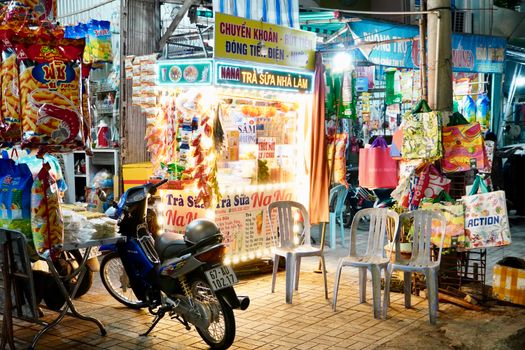
Hanoi’s Old Quarter is a sensory overload in the best possible way. And its Night Market (which expands from Friday to Sunday evenings) transforms the streets into a pedestrian paradise of food and crafts. While it can get busy, the layout, with its narrow, winding alleys, creates a more intimate, exploratory feel than a wide-open square. The air is a heady mix of Pho Bo (beef noodle soup), charcoal-grilled skewers, and the sweet, tangy scent of Bun Cha.
What I love about Hanoi’s street food scene, and this market in particular, is the specialization. You’ll find vendors who have perfected one dish over decades. One stall might be solely dedicated to Banh Mi, the iconic Vietnamese baguette sandwich, stuffed with an array of savory fillings. Another might be a master of Nem Ran (fried spring rolls), their crispy exteriors giving way to a flavorful pork and vegetable filling.
The beauty of this market is in the discovery. Turn a corner, and you might stumble upon a hidden alleyway café serving Ca Phe Trung (egg coffee) – a creamy, sweet, and utterly unique Hanoi specialty that tastes more like a dessert than a coffee. The sheer variety means you can graze your way through an entire meal, sampling different flavors and textures from multiple vendors.
Pro-Tip: To avoid the peak crush, aim for Friday evening around 5:30 PM. The market truly comes alive, but you can still navigate the initial surge. Look for vendors with a constant stream of locals – this is your best indicator of deliciousness. If you’re feeling adventurous, try the Com Rang Dua (fried rice with coconut milk and shrimp) – it’s a local favorite.
Quick Facts: Old Quarter Night Market (Hanoi)
| Category | Details | | :-------------- | :--------------------------------------------------------- | | Estimated Cost | $2 - $8 per meal (excellent value) | | Best Time to Visit | Friday - Sunday, 5:30 PM - 10:00 PM (peak hours 7-9 PM) | | How to Get There | Located in the heart of the Old Quarter, easily walkable. Taxis/Grab available ($1-3). | | Authenticity Factor | High - a true slice of Hanoi life. |
4. Jemaa el-Fnaa, Marrakech, Morocco (Off-Peak Hours): A Moroccan Feast Without the Frenzy
Now, I know what you’re thinking – Jemaa el-Fnaa is famously busy. And at peak evening hours, it absolutely is. However, my data analysis and personal experience reveal a secret: visit Jemaa el-Fnaa during daylight hours, especially in the late morning or early afternoon, and you’ll find a completely different, far more manageable, and equally delicious experience.
During the day, the square transforms from a chaotic nocturnal spectacle into a vibrant, sprawling food market. The snake charmers and storytellers are less prominent, replaced by the sizzle of tagines and the fragrant steam rising from countless food stalls. This is where Marrakech comes to eat lunch, and the atmosphere is considerably more relaxed.
The sheer variety of Moroccan cuisine on display is astounding. You can feast on steaming bowls of Harira, a hearty lentil and tomato soup, perfect for a lighter lunch. Or dive into a succulent lamb Tagine, slow-cooked with prunes and almonds until meltingly tender. The grilled meats – Merguez sausages, spiced lamb kebabs – are smoky and irresistible.
Pro-Tip: Visit between 11 AM and 3 PM for the best experience. The intensity of the evening crowd is absent, allowing you to engage with vendors and truly savor the food. Seek out stalls specializing in Pastilla, a sweet and savory pigeon or chicken pie, dusted with cinnamon and sugar – it’s a unique taste of Moroccan culinary artistry. Don't be afraid to try the snail soup (Ghlal) if you're feeling brave – it’s a local delicacy!
Quick Facts: Jemaa el-Fnaa (Marrakech - Daytime)
| Category | Details | | :-------------- | :--------------------------------------------------------- | | Estimated Cost | $3 - $12 per meal (reasonable for the experience) | | Best Time to Visit | 11:00 AM - 3:00 PM (daytime, less crowded) | | How to Get There | Located in the heart of the Medina. Walkable from most riads. Taxis available ($2-4). | | Authenticity Factor | High - a genuine local lunch spot. |
5. Nishiki Market, Kyoto, Japan: The Kitchen of Kyoto
Kyoto's Nishiki Market is not a "street food" market in the same sense as some others, but it is an indispensable culinary destination that offers an incredibly rich and diverse food experience without the overwhelming throngs you might find elsewhere. Known as "Kyoto's Kitchen," this narrow, covered arcade is a sensory wonderland of artisanal producers, specialty shops, and incredible ready-to-eat delicacies.
The beauty of Nishiki lies in its curated nature. It’s a place for quality, tradition, and refined flavors. You’ll find stalls selling impossibly fresh Sashimi, skewers of Tamagoyaki (rolled omelet) with delicate sweetness, and an astonishing array of pickled vegetables (Tsukemono). The air is a subtle blend of soy sauce, grilled seafood, and the earthy aroma of matcha.
What makes it shine is the opportunity to sample. Many vendors offer small, bite-sized portions of their specialties. You can try a sliver of Kamo Nasu (a large, round Kyoto eggplant) grilled with miso, or a delicate Yuba (tofu skin) dish. It’s a chance to explore the nuances of Japanese cuisine at your own pace.
Pro-Tip: Visit on a weekday morning, ideally between 9:30 AM and 11:00 AM. This is when the market is most active with locals stocking up but before the main tourist rush. Look for stalls selling Takoyaki (octopus balls) made with a distinctly Kyoto flair, often served with a lighter, more refined sauce than you might find elsewhere. Don't miss the Senbei (rice crackers) with unique local flavors like yuzu or sansho pepper.
Quick Facts: Nishiki Market (Kyoto)
| Category | Details | | :-------------- | :--------------------------------------------------------- | | Estimated Cost | $5 - $20 per sampling/meal (can vary based on purchases) | | Best Time to Visit | Weekdays, 9:30 AM - 11:00 AM (local shopping, fewer crowds) | | How to Get There | Short walk from Shijo Station (Karasuma Line) or Kawaramachi Station (Hankyu Line). | | Authenticity Factor | Very High - a vital part of Kyoto's culinary heritage. |
The Takeaway: Embrace the Uncrowded Culinary Adventure
The allure of Bangkok's food markets is undeniable. But the world is vast, and the quest for exceptional food experiences without the suffocating crowds is a rewarding one. These destinations – Luang Prabang, Yogyakarta, Hanoi, Marrakech (at the right time!), and Kyoto – offer not just delicious food, but a chance to connect with local cultures on a deeper, more meaningful level.
This isn’t about replacing Bangkok; it’s about expanding your culinary horizons. It's about savoring each bite, engaging with the vendors, and returning home with stories not just of amazing meals, but of genuine human connection. So, pack your bags, bring your appetite, and get ready to discover the secret flavors waiting just beyond the well-trodden path.
---
More pictures



Tags
Share this guide
We may earn a commission if you click a link and buy a product or service, at no extra cost to you. How affiliate links work.
Been there?