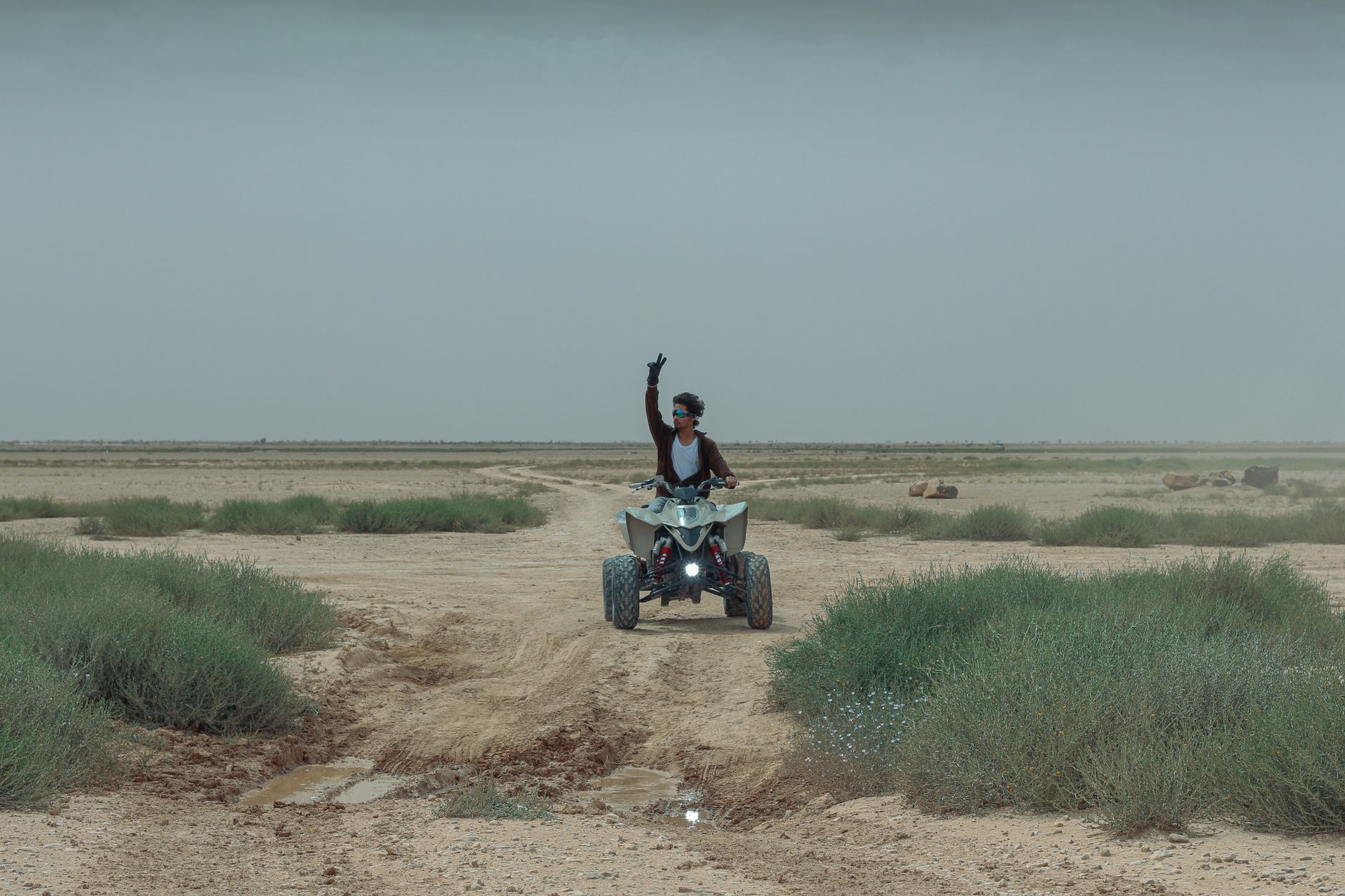
Gravity is no longer a gatekeeper. From the peaks of the Swiss Alps to the breaks of Oahu, adaptive technology and expert-led programs are shattering the "look but don't touch" barrier of adventure travel. This is the definitive guide to the extreme sports now possible for disabled travelers that experts are recommending for 2024 and beyond. ---
The Day Gravity Lost Its Grip
The scent of aviation fuel and crisp, high-altitude ozone hit me the moment I wheeled onto the tarmac in Interlaken. It’s a sharp, metallic tang that usually signals the start of something reckless. My heart wasn't just racing; it was performing a drum solo against my ribs. I looked at the Cessna 206, then at my customized harness, and finally at my jumpmaster, Rico. He didn’t give me a "sympathy smile." He gave me a fist bump and a technical breakdown of the dual-locking carabiner system designed for my specific spinal cord injury level.
"Ready to stop rolling and start falling?" he asked.
Falling is easy. It’s the landing, the gear, and the logistics that used to be the hard part. But as I stepped—or rather, was expertly guided—out of that plane at 14,000 feet, the world didn't look like a series of barriers anymore. It looked like a playground.
For years, "accessible travel" meant ramps and wider bathroom doors. Today, thanks to a revolution in adaptive engineering and a shift in the global tourism mindset, it means BASE jumping, sit-skiing, and deep-sea exploration. Here is the grit and the gear behind the extreme sports now possible for disabled travelers experts are recommending.
---
1. Skydiving & Paragliding: The Ultimate Equalizer
In the air, there are no curbs. Skydiving has become one of the most recommended extreme sports for travelers with limited mobility because, once you’re in freefall, the playing field is entirely level.
The Tech: Experts are now pointing travelers toward centers using "foot-steering" bypasses and extra-secure leg straps that prevent flailing during high-velocity descents. For paragliding, companies like Outdoor Interlaken in Switzerland use specially designed "buggy" seats with shock-absorbing suspension that allow for a seated takeoff and landing.
Expert Recommendation: "Don't just look for a tandem jump," says adaptive sports consultant Sarah Miller. "Look for 'USPA Integrated Student Program' instructors who have specific endorsements for adaptive tandems. They understand the physiological needs, like pressure sores and circulation, during high-G turns."
- Pro-Tip: Wear compression leggings. The change in atmospheric pressure can affect circulation differently if you have a lower-limb impairment.
---
2. Sit-Skiing: Carving the "White Circus"
If you think skiing is off-limits, you haven't seen a Tessier Dualski in action. This is the Ferrari of the slopes.
The "White Circus" (as the pro circuit is called) has moved into the mainstream. Destinations like Park City, Utah, and Whistler, British Columbia, have invested millions into "Mountain Access" programs. We’re talking about high-tech buckets mounted on high-performance shocks and twin skis that allow you to carve through powder with more precision than many standing skiers.
The Insider Scoop: The National Ability Center (NAC) in Park City is the gold standard. They don't just "help" you; they train you to be independent. Their instructors use "tethers" only as a safety net, pushing you to master the torque and lean required to shred black diamonds.
- Pro-Tip: Visit in late February. The snow is "hero dirt"—soft enough for a cushioned spill but firm enough to hold an edge during high-speed carves.
---
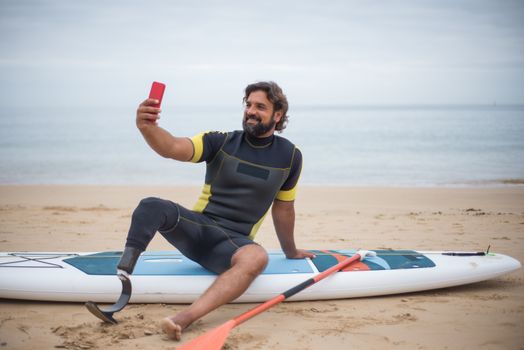
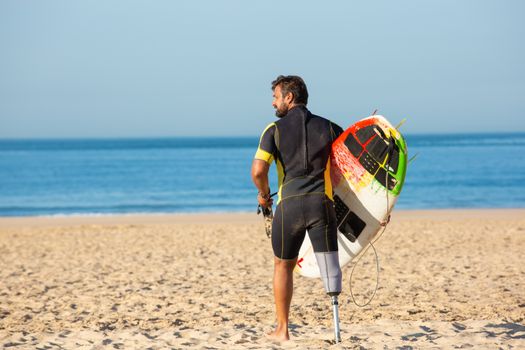
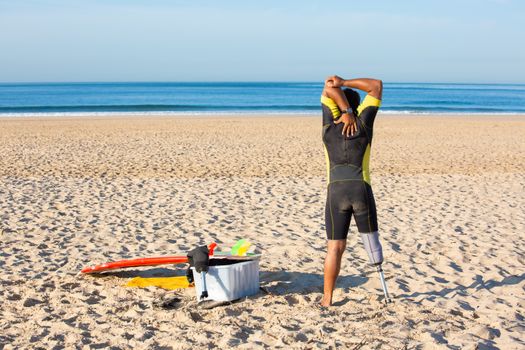
3. Adaptive Surfing: Catching the "Big Wednesday"
There is a specific smell to the North Shore of Oahu—a mix of salt spray, hibiscus, and high-performance surfboard wax. For a long time, the surf community was a closed shop. No longer.
Through organizations like AccesSurf, the ocean has been reopened. They utilize specialized "wave skis" and prone-boards with high-density foam handles and lateral supports.
The Experience: It’s visceral. Feeling the raw kinetic energy of a Pacific swell move under your board is something a video can't capture. Experts recommend the Duke’s OceanFest in Hawaii as the premier destination to see this in action and get connected with world-class coaches.
- Pro-Tip: Ask for a "belly board" with a slick bottom if you have limited core strength; it reduces friction and makes the transition from the sand to the white water seamless.
---
4. Vertical Limits: Adaptive Rock Climbing
Rock climbing is about three things: friction, focus, and leverage. For travelers with limb differences or paralysis, the "leverage" part has been solved by the "Jumar" system and specialized pulley harnesses.
The Destination: Joshua Tree National Park, California. The monzogranite provides incredible grip. Organizations like Paradox Sports host annual trips where they rig complex mechanical advantage systems. This allows climbers to use their upper body strength to ascend vertical faces that would challenge a pro.
The Gear: Look for "side-entry" harnesses and "well-padded" leg loops to prevent skin shear during long hangs on the wall.
---
5. Off-Road Handcycling: Torque in the Dirt
Forget the pavement. The real thrill is in the "dirt-track" handcycling. With the advent of the Bowhead Rogue—an electric-reach adventure cycle—the backcountry is now wide open. These rigs feature independent front suspension and heavy-duty motors that can climb 30-degree inclines.
The Hidden Gem: Whistler’s Bike Park now has dedicated adaptive trails. Look for the "Crankworx" festival, which now features high-profile adaptive categories.
- Pro-Tip: Check your tire PSI before hitting the trail. For adaptive rigs, a slightly lower pressure (around 18-20 PSI) provides better "bite" on loose shale.
---
Quick Facts: Logistics & Budget
| Sport | Top Destination | Estimated Cost ($) | Best Time to Visit | Accessibility Rating | | :--- | :--- | :--- | :--- | :--- | | Skydiving | Interlaken, Switzerland | $450 - $600 | June - August | 5/5 Stars | | Sit-Skiing | Park City, USA | $200 (Full Day) | Jan - March | 5/5 Stars | | Surfing | Waikiki, Hawaii | $150 (Lesson) | Year-round | 4/5 Stars | | Handcycling | Whistler, Canada | $150 (Rental) | July - Sept | 4/5 Stars | | Scuba Diving | Cozumel, Mexico | $500 (Cert) | Nov - May | 5/5 Stars |
---
The "Expert" Logistics: How to Get There
Traveling with adaptive gear requires a "tactical" mindset.
- The "Blue Door" Secret: When flying with a 400lb electric handcycle or a sit-ski, never just show up at the gate. Call the airline’s "Accessibility Desk" (most major carriers like Delta or Lufthansa have them) 72 hours in advance. Use the phrase: "I am traveling with a dry-cell battery-operated mobility device." It’s the magic password that prevents gate-side headaches.
- The Hidden Entrance: In many European mountain towns, the "hidden entrance" to the gondola is often behind the main ticket office. Ask for the "Cargo Lift"—it’s usually larger, level with the floor, and gets you to the summit faster than the tourist line.
- Insurance: Standard travel insurance won't cover "extreme sports." You need a rider. Look for World Nomads or Allianz and specifically check the "Adaptive Sports" box. It’s an extra $50 that could save you $50,000.
---
Why This Matters Now
We are living in the "Golden Age" of inclusive travel. It’s not just about the adrenaline; it’s about the agency. When you are 100 feet underwater in the Cozumel reefs, buoyancy is the great equalizer. Your wheelchair is on the boat, and you are a diver, pure and simple.
The experts aren't just recommending these sports because they are "possible." They are recommending them because the infrastructure—the trained guides, the tested gear, and the inclusive resorts—has finally caught up to the ambition of the travelers.
So, stop scrolling and start booking. The mountain doesn't care about your disability; it only cares about your line. The ocean doesn't care about your legs; it only cares about your timing. And the sky? The sky has always been open—you just needed the right harness.
---
More pictures

Tags
Share this guide
We may earn a commission if you click a link and buy a product or service, at no extra cost to you. How affiliate links work.
Been there?