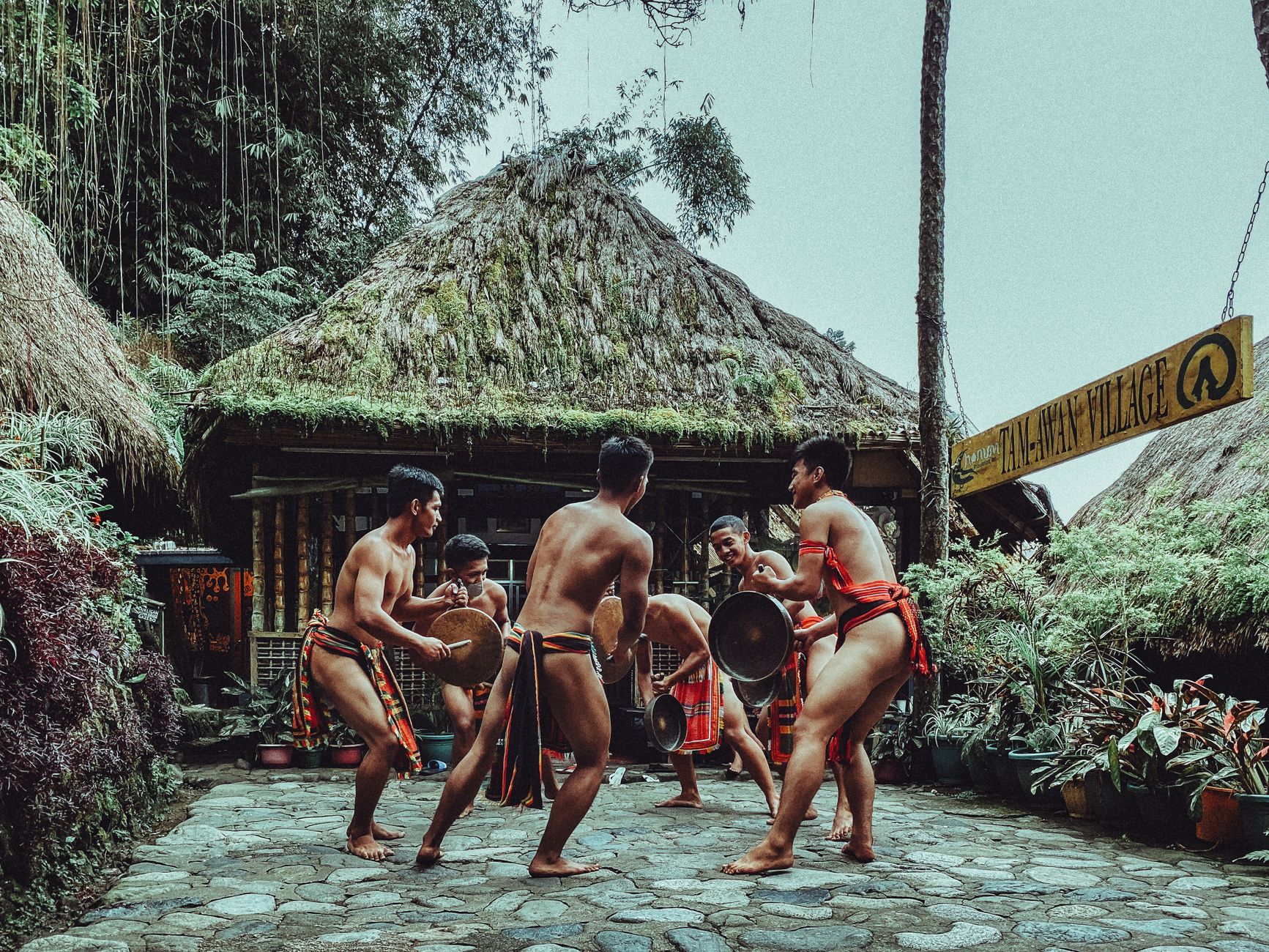
Ever dreamt of experiencing a festival so authentic, so deeply rooted in local culture, that it feels like you've stumbled upon a hidden world? Forget the crowded tourist traps. I'm taking you on a journey to uncover the most enchanting, once-a-year celebrations that locals guard fiercely – until now. Prepare to bookmark, share, and start planning your most unforgettable adventure yet. ---
The air was thick with the scent of woodsmoke and something sweet – roasted plantains, perhaps? Ahead, a flickering glow pulsed through the dense jungle foliage. My local guide, a wiry man named Kham, placed a finger to his lips, a mischievous glint in his eye. "Quiet, farang," he whispered, using the Thai word for foreigner with a playful smirk. "This is not for the guidebooks."
We were deep in a remote corner of northern Laos, far from any paved road, on a tip I’d gotten from a dusty map and a conversation with a wise old woman at a roadside noodle stall. She’d spoken in riddles about "the time the river spirits sing," hinting at a celebration so intimate, so sacred, that only those truly meant to find it ever did. And now, as the rhythmic beat of hand drums grew louder, and the ethereal glow of hundreds of paper lanterns illuminated a hidden village nestled by a winding river, I knew I’d found it. This wasn't a festival; it was a living, breathing secret.
That moment, years ago, ignited a passion within me: to seek out the world’s most authentic, fiercely guarded annual celebrations. These aren't the mega-festivals splashed across travel brochures. These are the soul-stirring, once-a-year events where traditions run deep, community bonds are forged, and locals genuinely don't want tourists to know – not because they're unwelcoming, but because their magic lies in their intimacy, their purity, and their preservation from the tourist gaze.
But I believe that for the right kind of traveler – the respectful, the curious, the one who seeks connection over spectacle – these secrets can be shared. So, lean in close, because I’m about to unveil some of the most extraordinary annual festivals you won’t find on any mainstream list. These are the experiences that will change how you see the world, and yourself.
The Whispering Waters Festival of Ban Na (Northern Laos)
What it is: Imagine a moonless night, the jungle alive with the chirping of insects, and a quiet village coming alive with the soft glow of thousands of handmade paper lanterns. The Whispering Waters Festival is an ancient ritual in Ban Na, a tiny village nestled beside the Nam Ou River, dedicated to appeasing the river spirits and ancestors for a bountiful harvest and safe passage. It’s a profoundly spiritual and visually breathtaking event, occurring annually on the last night of the eleventh lunar month (usually late October/early November).
My Experience: Kham led me to a small, rickety boat, and we pushed off into the inky blackness. The river itself was already a tapestry of light, with villagers launching small, intricate banana-leaf boats, each carrying a flickering candle and offerings of rice and flowers. The air hummed with soft chanting, not loud and boisterous, but a gentle chorus that felt ancient and deeply personal. We drifted past families gathered on the banks, their faces illuminated by the lanterns they carefully released, watching them float downstream like silent prayers. The highlight was watching the children, with wide, reverent eyes, releasing their own tiny vessels, believing their wishes would be carried directly to the spirits. It wasn’t about fireworks or booming music; it was about quiet reverence and a profound connection to nature and heritage.
Why locals keep it secret: The villagers of Ban Na cherish the festival’s intimacy. They fear that large tourist crowds would disrupt the delicate spiritual balance, commercialize their sacred offerings, and turn a heartfelt ritual into a photo-op circus. They value the authenticity of their tradition above all else.
Insider Tips for the Respectful Traveler:
- When to go: Last night of the eleventh lunar month (check local calendars, often late Oct/early Nov). It’s not a fixed date on the Gregorian calendar.
- How to get there: This is the tricky part. Fly into Luang Prabang (LPQ), then take a slow boat up the Nam Ou River towards Nong Khiaw or Muang Ngoi Neua. From there, you'll need to hire a local longtail boat specifically to Ban Na. It’s a multi-day journey.
- Accommodation: There are no hotels. You must arrange a homestay in advance, ideally through a trusted local contact in Nong Khiaw. Expect basic facilities: a mat on the floor, a mosquito net, shared squat toilet. This is part of the immersive experience.
- Cost: Mostly free, but bring small kip notes (Laos currency) for offerings, and be prepared to contribute to your homestay family (negotiate a fair price, perhaps 50,000-100,000 LAK per night including meals).
- Etiquette: Dress modestly (shoulders and knees covered). Participate respectfully, observe more than you photograph, and absolutely ask permission before taking close-up photos of people. Offer a small donation at the village temple. Learn a few basic Lao phrases (hello, thank you).
- Instagram-worthy moment: The river glowing with hundreds of lanterns, the serene faces of villagers illuminated by candlelight. Capture the atmosphere, not just the action.
The Ember Dance of Eldoria (Transylvania, Romania)
What it is: Deep in the Carpathian foothills, in a village seemingly untouched by time, the Ember Dance is a pre-Christian midsummer ritual celebrating fertility, warding off evil spirits, and ensuring a prosperous harvest. Held on the summer solstice (June 20th-22nd), it culminates in villagers leaping over massive bonfires.
My Experience: I stumbled upon Eldoria purely by accident, a wrong turn leading me down a winding dirt road in my rented Dacia. The village, a cluster of ancient wooden houses, felt like a movie set. As dusk fell, the air crackled with anticipation. Women in vibrant embroidered skirts and men in traditional vests gathered around a colossal bonfire, its flames reaching for the twilight sky. The highlight was the "Dance of the Embers," where, fueled by local plum brandy (palincă) and ancient folk music, villagers – young and old – would take turns leaping over the dying embers. It wasn’t reckless; it was a dance, a ritual, a test of faith and agility. One old woman, her face a roadmap of wrinkles, cleared a surprisingly large pile of glowing coals, her laughter echoing into the night. I found myself swept into a circle dance, my feet clumsily trying to keep pace with the locals, a feeling of pure, unadulterated joy bubbling inside me.
Why locals keep it secret: Eldoria’s residents are fiercely proud of their heritage and wary of outsiders commercializing or trivializing their sacred traditions. They believe the power of the Ember Dance lies in its authenticity and the shared belief within the community, something they feel would be diluted by mass tourism.
Insider Tips for the Respectful Traveler:
- When to go: Summer Solstice (June 20th-22nd). The main event is usually on the longest night.
- How to get there: Fly into Cluj-Napoca (CLJ) or Sibiu (SBZ). Rent a car and be prepared for unpaved roads. Eldoria is not on GPS; you'll need local directions. Ask around in smaller towns like Râșnov or Viscri for clues.
- Accommodation: Your best bet is a guesthouse (pensiune) in a nearby, slightly larger village, or try to arrange a homestay directly in Eldoria if you can establish trust with a local beforehand. Book well in advance.
- Cost: Minimal. The festival itself is free. Costs will be for accommodation, food, and transport. Expect to pay 100-200 RON per night for a basic guesthouse.
- Etiquette: Participate if invited, but always observe first. Bring a small gift for your host family if you do a homestay. Offer to help with preparations or cleanup. Dress respectfully but comfortably for the outdoor setting. Be prepared for strong local spirits!
- Instagram-worthy moment: The fiery glow of the bonfire against the darkening sky, villagers mid-leap over the embers, the intricate details of traditional Romanian folk costumes.
Pachamama's Weave (Peruvian Andes)
What it is: High in the Peruvian Andes, in a tiny Quechua village near Ausangate Mountain, Pachamama's Weave is an annual tribute to Mother Earth (Pachamama) and the mountain spirits (Apus). Held during the dry season (typically August), it's a vibrant celebration of indigenous culture, textile artistry, and agricultural blessings.
My Experience: After a grueling two-day trek with a local guide from Cusco, we reached the village of Patacancha, nestled among towering peaks. The air was thin, but the warmth of the community was palpable. The festival involved elaborate ceremonies, where villagers, dressed in their finest hand-woven ponchos and hats, offered coca leaves, corn, and chicha (fermented corn beer) to the earth. Women meticulously demonstrated their ancient weaving techniques, their fingers moving with incredible speed and precision, creating patterns that told stories passed down through generations. The highlight for me was the communal feast: a pachamanca, where food (potatoes, corn, various meats) is cooked slowly in an underground oven of hot stones. Sharing this meal, sitting on the earth with the community, feeling the chill mountain air on my face and the warmth of their hospitality in my heart, was an experience of profound connection.
Why locals keep it secret: The Quechua people hold their traditions sacred. They fear that an influx of tourists would exploit their culture, turn their spiritual practices into a show, and potentially disrupt the delicate ecosystem of their mountain home. Their way of life is intrinsically linked to these rituals.
Insider Tips for the Respectful Traveler:
- When to go: Mid-dry season, usually August. Specific dates vary yearly based on agricultural cycles.
- How to get there: Fly into Cusco (CUZ). From there, you must arrange transport with a local, reputable, and ethical tour operator who has existing relationships with these communities. Many trekkers pass through similar villages on the Ausangate trek, but attending the festival requires a special invitation or specific arrangements. Expect a challenging journey.
- Accommodation: Homestays are the only option. Expect very basic conditions: no electricity, shared outdoor toilets, simple meals. Bring a good sleeping bag and warm layers.
- Cost: Expect to pay for your guide, transport, and a fair contribution to your host family (around $30-50 USD/day, which is a significant amount for them). Bring Peruvian Soles (PEN) in small denominations.
- Etiquette: Altitude sickness is real; acclimate in Cusco first. Bring small gifts for children (pencils, notebooks, not candy). Always ask permission to photograph. Participate in activities respectfully. Learn basic Quechua phrases like "allinllachu" (hello) and "sullpayki" (thank you).
- Instagram-worthy moment: The vibrant colors of the traditional textiles against the stark beauty of the Andes, the smoke rising from the pachamanca, the genuine smiles of the Quechua people.
The Stargazer's Feast of Tagine (Sahara Fringe, Morocco)
What it is: On the edge of the Sahara, in a small oasis village a few hours from Merzouga, the Stargazer's Feast is a nomadic gathering celebrating the end of the date harvest and the beginning of the cooler, star-filled nights. It's a feast of storytelling, traditional music, and communal stargazing, occurring over three nights after the first new moon following the date harvest (usually late September/early October).
My Experience: I’d heard whispers of this festival from a Berber merchant in Marrakech, who spoke of "the desert calling the stars." After a dusty jeep ride and a camel trek, I arrived at a makeshift encampment of tents and glowing campfires. The air was filled with the intoxicating aroma of spices and roasting lamb. Under a sky so densely packed with stars it felt like velvet sprinkled with diamonds, elders shared ancient tales of the desert, accompanied by hypnotic Berber music played on traditional instruments. We feasted on communal tagines, dates, and sweet mint tea. The highlight was when the music softened, and everyone lay back, silent, simply gazing at the Milky Way. It was a profound reminder of humanity's small place in the cosmos, shared with a community that felt like family. I even learned to identify a few constellations from my new Berber friends.
Why locals keep it secret: The nomadic communities value their traditions and the intimate nature of their gatherings. They fear that large groups of tourists would disrupt their spiritual connection to the desert, commercialize their unique music and storytelling, and potentially harm the fragile desert environment.
Insider Tips for the Respectful Traveler:
- When to go: After the first new moon following the date harvest (late September/early October). This date is fluid and based on local observation.
- How to get there: Fly into Fes (FEZ) or Marrakech (RAK). Take a bus or hire a private driver to Merzouga. From there, you must arrange a guided camel trek or 4x4 with a trusted local Berber guide who knows the specific oasis. This is not a place you can just "show up" to.
- Accommodation: Tents in the desert, ranging from basic to glamping. You'll likely be part of a small, organized group, but aim for one that focuses on cultural immersion rather than just a quick photo op.
- Cost: This will be the most expensive, as it requires a specialized desert tour. Expect to pay $200-500 USD for a multi-day, all-inclusive desert trip that can facilitate this experience, depending on duration and luxury.
- Etiquette: Dress modestly, especially women (shoulders and knees covered). Be prepared for sand, heat (during the day), and cold (at night). Learn basic Arabic or Berber greetings. Always accept mint tea. Ask permission before photographing people, especially women.
- Instagram-worthy moment: The vast, star-studded desert sky, the warm glow of campfires, the intricate patterns of Berber carpets, and the timeless faces of storytellers.
Koto-mura's Autumn Lanterns (Gifu Prefecture, Japan)
What it is: Nestled deep in the mountains of Gifu, the tiny village of Koto-mura holds its Autumn Lantern Festival on a single evening in late October, just as the autumn leaves reach their peak. It’s a quiet, contemplative festival where villagers meticulously craft and display thousands of paper lanterns, each bearing a unique, hand-painted scene depicting local folklore or seasonal beauty.
My Experience: After spending a few days exploring the stunning Gifu prefecture, I heard about Koto-mura from a friendly innkeeper in Takayama. He mentioned a "light festival, very small, very old." Intrigued, I took a local bus, then hitched a ride with a farmer on his tractor. Koto-mura was a picture-perfect Japanese village, wooden houses and terraced rice paddies. As twilight deepened, the village transformed. Every house, every pathway, every small shrine was illuminated by these exquisite lanterns. Children, dressed in traditional yukata, carried smaller lanterns, their faces alight with wonder. The air was crisp, carrying the scent of burning wood and damp earth. The highlight was a silent procession to the local shrine, where each lantern bearer placed their light, creating a breathtaking river of glowing art. It wasn't a party; it was a collective meditation on beauty and tradition.
Why locals keep it secret: Koto-mura is a small, aging community. They cherish the quiet beauty and the meticulous craftsmanship of their festival. They fear that large crowds would overwhelm their limited infrastructure, damage the delicate lanterns, and disrupt the serene, contemplative atmosphere that is central to the event.
Insider Tips for the Respectful Traveler:
- When to go: A single evening in late October, coinciding with peak autumn foliage. The exact date is announced locally, usually just a few weeks prior.
- How to get there: Fly into Nagoya (NGO) or Osaka (KIX), then take a train to Takayama. From Takayama, local buses run to the general area, but Koto-mura itself requires a very local bus or even a taxi/hitchhike from a larger village. It’s remote.
- Accommodation: Very limited. Your best bet is to stay in Takayama or a slightly larger neighboring town and travel in for the evening, or try to arrange a homestay through a local contact (extremely difficult without Japanese language skills).
- Cost: The festival is free. Costs will be primarily for transport, food, and accommodation in a nearby town (e.g., a ryokan in Takayama can range from 10,000-30,000 JPY per night).
- Etiquette: Japanese etiquette is paramount. Be extremely quiet and respectful. Do not touch the lanterns. Remove shoes when entering homes or shrines. Ask permission before photographing people. Learn basic Japanese phrases. Do not litter.
- Instagram-worthy moment: The village streets illuminated by thousands of intricate lanterns, the vibrant autumn leaves providing a stunning backdrop, the serene faces of children carrying their own small lights.
Blending In: The Art of Respectful Discovery
Finding these hidden gems isn't just about showing up; it's about being invited, welcomed, and becoming a temporary part of the fabric. Here’s how to maximize your chances and ensure you're a responsible traveler:
- Go Local, Really Local: Forget major tour operators. Seek out independent guides, homestays, and small family-run guesthouses. They are your gateway to local knowledge and trust.
- Learn the Language (Even a Little): "Hello," "thank you," "please," and "can I ask a question?" go a long, long way. It shows respect and opens doors.
- Dress Respectfully: Always err on the side of modesty, especially in traditional or religious settings. Observe what locals are wearing and try to blend in.
- Ask Permission: Before taking photos of people, always ask. A smile and a gesture usually suffice. Be prepared for "no" and respect it.
- Offer a Contribution: If you're staying with a family or participating in a community event, offer a fair contribution of money, food, or help. Don't expect things for free.
- Be Patient and Flexible: These are not organized tourist events. Things might not run on time, or as you expect. Embrace the spontaneity.
- Listen and Observe: Don't be the loudest person in the room. Watch, listen, and learn. The true magic lies in the subtle details.
- Leave No Trace: Pack out everything you pack in. Respect local environments.
- Build Trust: These experiences often require time and genuine connection. Don't rush it. Share stories, listen intently, and show genuine interest in their lives and traditions.
Your Adventure Awaits
Discovering these festivals isn't just about ticking off another item on a bucket list. It's about forging genuine connections, understanding diverse cultures on a deeply personal level, and witnessing the sheer beauty of human tradition. It’s about being a guest, not a spectator.
These are just a few whispers from the global tapestry of hidden celebrations. There are countless more, waiting to be discovered by those with an open heart and a respectful spirit. The world is full of secrets, and sometimes, if you listen closely, it will share them with you.
So, are you ready to step off the well-trodden path? Are you ready to earn your stories, not just buy them? These experiences aren't easy to find, and they require effort, patience, and humility. But I promise you, the rewards are immeasurable. You won't just witness a festival; you'll become a part of its story.
What hidden gems have you stumbled upon? Share your experiences in the comments below, or better yet, start planning your own journey to uncover the world's best-kept secrets!
---
More pictures

Tags
Share this guide
We may earn a commission if you click a link and buy a product or service, at no extra cost to you. How affiliate links work.
Been there?