
Forget Paris! Experts are flocking to *surprising* countries for mind-blowing fermentation workshops. Smell the tangy brine, feel the ancient wisdom, and taste the future of food. Ready for your gut-friendly adventure?
The Hook: Aromatic Whispers and Tangy Promises
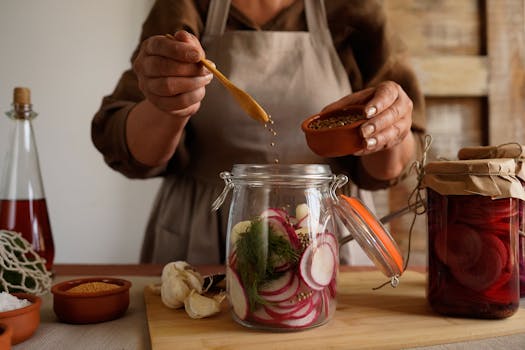
I stepped off the train in the small, sun-drenched town of Plovdiv, Bulgaria, and was immediately enveloped by a symphony of scents. Not the usual tourist bouquet of exhaust fumes and cheap perfume, but something deeper, earthier. It was the unmistakable aroma of fermentation – a subtle hum of lactic acid, a whisper of dill, and the sharp, clean tang of something ancient and alive. I’d heard whispers, of course, from a few intrepid chefs and food scientists I’d met on my travels, about the burgeoning scene of fermentation workshops in countries most people wouldn't even consider for a culinary trip. This wasn't just about making pickles; it was about tapping into a living history, a tradition passed down through generations, now being shared with curious outsiders.
Beyond the Usual Suspects: Where Experts Are Getting Their Hands Dirty
When you think of fermentation, your mind probably jumps to Korea for kimchi, Germany for sauerkraut, or maybe even Denmark for skyr. And while those are undoubtedly fantastic, the real buzz among those in the know – the chefs, the nutritionists, the hardcore foodies – is about the unexpected. These are the places where fermentation isn't just a trend; it's a way of life, deeply woven into the fabric of daily existence.
Bulgaria: The Balkan Brine Bosses
My Plovdiv adventure was just the beginning. Bulgaria, often overlooked on the culinary map, is a fermented powerhouse. Think lyutenitsa, a smoky, rich roasted pepper and tomato spread that’s a national obsession, and a dizzying array of pickled vegetables (turshiya) that vary from region to region.
Pro-Tip: Many of the best workshops are hosted by local grandmothers (babi) in their own homes. Ask around at the local markets – that’s where the real intel is.
I found myself in a cozy kitchen, the air thick with the scent of garlic and dill, learning the art of making kiselo mlyako (Bulgarian yogurt) from a woman whose family had been perfecting the recipe for centuries. The process was surprisingly simple, yet the depth of flavor was astounding. It’s a world away from the mass-produced yogurt you find in supermarkets.
Georgia: Fermentation's Ancient Cradle
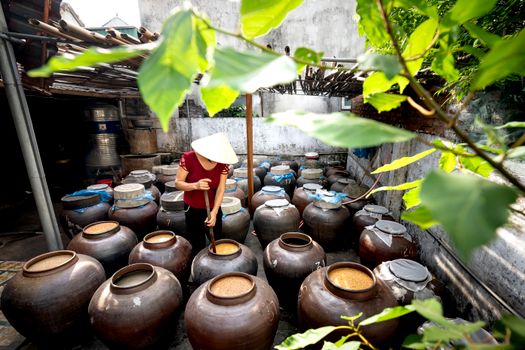
Georgia. The name itself conjures images of dramatic mountain landscapes and a legendary hospitality. But did you know it’s also one of the oldest wine-producing regions in the world, with winemaking techniques dating back 8,000 years? This ancient tradition is rooted in qvevri, large clay vessels buried underground, where grapes ferment naturally with their skins and stems.
Pro-Tip: Visit Kakheti, the wine region, during harvest season (late September to October) for the most immersive experience. You'll likely stumble upon impromptu qvevri-making demonstrations.
While learning to make qvevri wine is a serious undertaking, many smaller guesthouses and wineries offer workshops on making other Georgian fermented delights, like nabadi (a type of cheese) or the essential adjika, a fiery paste made from peppers, garlic, and spices. The sheer respect for tradition here is palpable.
Indonesia: The Tempeh and Beyond Trail
Indonesia is a tropical paradise, and for good reason, its culinary scene is vibrant and diverse. While Bali might be the first place that comes to mind, venture beyond the tourist hubs. Java, in particular, is the birthplace of tempeh, a fermented soybean cake that's a staple protein.
Pro-Tip: Look for workshops in Yogyakarta, a cultural hub where you can learn to make tempeh from scratch, from inoculating the soybeans to wrapping them in banana leaves.
The process is fascinating – a delicate balance of temperature and humidity. The resulting tempeh, with its nutty flavor and firm texture, is a revelation. Beyond tempeh, you can explore workshops on making tauco (a fermented soybean paste) or even traditional fermented rice drinks.
Mexico: Beyond Tequila and Mezcal
When you think of Mexican fermentation, tequila and mezcal are likely the stars. But Mexico’s fermentation heritage runs much deeper, particularly with its indigenous communities. Think about pulque, a milky, slightly sour alcoholic beverage made from the fermented sap of the agave plant, a drink with a history stretching back millennia.
Pro-Tip: Seek out workshops in smaller towns in the states of Hidalgo or Tlaxcala, where pulque culture is still very much alive. You might even get to try your hand at raspando (scraping the agave sap).
Beyond pulque, explore workshops focused on making chapulines (fermented grasshoppers – a surprisingly delicious and sustainable protein source!) or traditional corn fermentation for dishes like pozole. The depth of flavor and the connection to ancient agricultural practices are truly remarkable.
Denmark: The New Nordic Fermentation Frontier
Yes, Denmark! While not as ancient as some of the others, Denmark has embraced fermentation with a modern, scientific, and incredibly delicious twist, spearheaded by the New Nordic cuisine movement. Copenhagen is a hotbed for innovative fermentation workshops.
Pro-Tip: Look for workshops at culinary institutes or even dedicated fermentation labs in Copenhagen. They often focus on less common ferments like fermented vegetables with unique flavor profiles or even fermented dairy products beyond skyr.
These workshops often delve into the science behind fermentation, exploring probiotics, gut health, and creating complex flavor profiles using local, seasonal ingredients. It’s a fascinating blend of tradition and cutting-edge culinary exploration.
The Art of the Tang: Why These Workshops Matter
It’s easy to see these workshops as just another travel trend, another box to tick on a foodie bucket list. But for me, and for the experts I’ve spoken with, it’s so much more.
- Preserving Ancient Knowledge: In a world of rapid globalization, these workshops are vital for keeping traditional food preservation techniques alive. They are living libraries of ancestral wisdom.
- Gut Health Revolution: We're finally understanding the profound impact of a healthy gut microbiome. Learning to ferment at home is a direct pathway to incorporating more beneficial probiotics into your diet.
- Unlocking Flavor: Fermentation transforms simple ingredients into complex, nuanced flavors that simply cannot be replicated. It’s a culinary alchemy.
- Connecting with Culture: Food is culture. By learning to ferment, you’re not just learning a technique; you’re engaging with the history, the people, and the land of a place in a deeply intimate way.
Navigating the Fermentation Trail: Quick Facts
| Destination | Estimated Workshop Cost ($) | Best Time to Visit | How to Get There | | :----------------- | :-------------------------- | :-------------------------- | :----------------------------------------------------------------------------- | | Plovdiv, Bulgaria | $50 - $150 | Spring (April-May), Autumn (Sept-Oct) | Fly into Sofia (SOF), then train or bus to Plovdiv. | | Kakheti, Georgia | $75 - $200 | Harvest Season (Sept-Oct) | Fly into Tbilisi (TBS), then hire a driver or join a wine tour. | | Yogyakarta, Indonesia | $40 - $100 | Dry Season (May-Sept) | Fly into Adisutjipto International Airport (JOG). | | Central Mexico | $60 - $180 | Dry Season (Nov-April) | Fly into Mexico City (MEX), then bus to regional towns. | | Copenhagen, Denmark | $100 - $250 | Year-round (consider seasons for ingredients) | Fly into Copenhagen Airport (CPH). |
Pro-Tip: Workshop availability can be seasonal and often depends on local harvest cycles. Booking in advance is highly recommended, especially for home-based workshops.
Insider Tips for Your Fermentation Adventure
- Learn a Few Local Phrases: A simple "hello" and "thank you" can open doors and warm hearts.
- Bring an Open Mind (and Stomach): You might encounter flavors and textures that are new to you. Embrace them!
- Ask Questions: Don't be shy about asking about the history, the ingredients, and the process. The locals are proud of their heritage.
- Pack Light, but Smart: Bring comfortable shoes for exploring markets and a small notebook to jot down recipes and observations.
- Embrace the Imperfect: Fermentation is a living process. Not every batch will be perfect, and that's part of the learning experience.
The Takeaway: Taste the World Differently
My journey into the world of surprising fermentation workshops has been nothing short of transformative. It’s about more than just learning a skill; it’s about connecting with the earth, with history, and with people on a fundamental level. So, the next time you’re planning a trip, consider stepping off the beaten path. Seek out the tangy whispers, the earthy aromas, and the vibrant cultures that are fermenting a new kind of travel experience. Your taste buds, and your gut, will thank you.
More pictures



Tags
Share this guide
We may earn a commission if you click a link and buy a product or service, at no extra cost to you. How affiliate links work.
Been there?