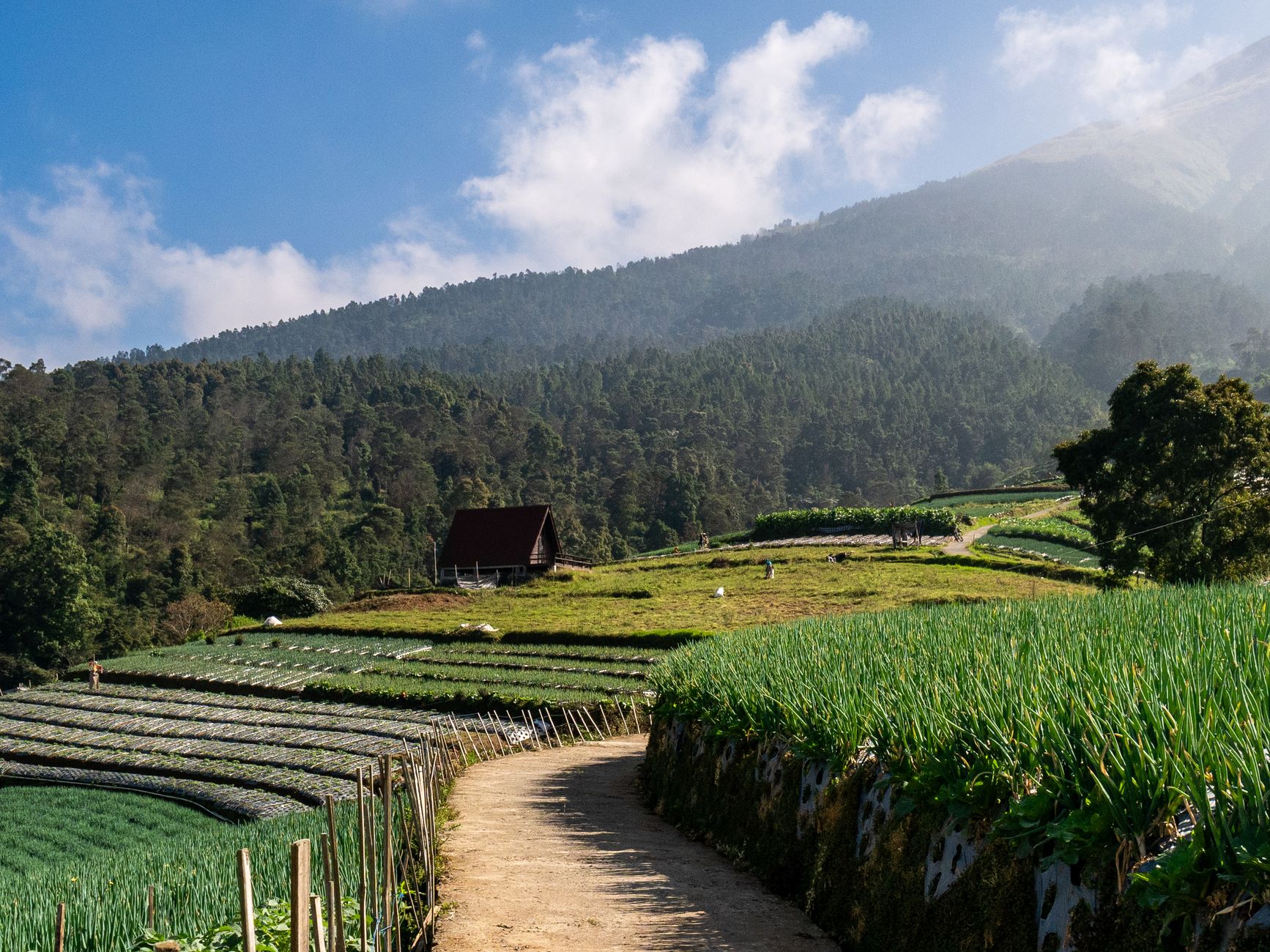
Ready to trade fluorescent grocery store lighting for soil under your fingernails? We’ve vetted the world’s most immersive farm stays where you don't just eat farm-to-table—you do the harvesting, digging, and foraging yourself. From plucking heirloom nightshades in Tuscany to gathering wild *sansai* in the Japanese Alps, here is your definitive playbook for edible travel. ---
The First Bite is Earned in the Dirt
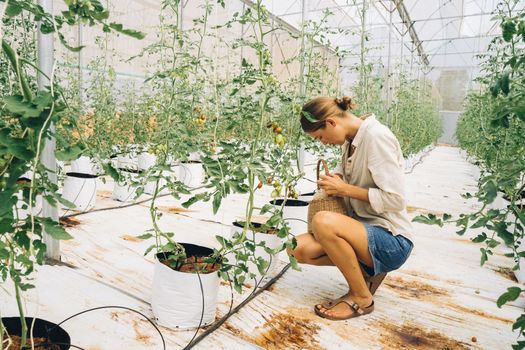
I stepped off the rustic timber shuttle in the misty hills above Montepulciano, and the sharp, piney aroma of damp rosemary and crushed volcanic soil immediately hit my lungs. My boots sank three inches into the clay before I even made it to the farmhouse porch. There was no formal lobby check-in, no glass of complimentary mass-produced prosecco. Instead, absolute legend and third-generation farmer Donato handed me a pair of heavy shears, a hand-woven wicker basket, and pointed toward a hillside of twisting, ancient heirloom tomato vines dripping with dew.
"Harvest the San Marzanos with the deep crimson skins," he instructed in rapid-fire Italian, nudging me toward the terraced plot. "If they aren't warm from the sun, leave them on the vine. Dinner starts in two hours."
By 8:00 PM, those exact tomatoes—sun-warmed, tangy, and bursting with rich sugars—were cooked down into a rich pomodoro sauce over handmade pici pasta that I helped roll with my own flour-dusted palms. That single dinner shattered every lazy perception I had about modern travel dining.
We live in an era of disconnected consumption. We swipe through delivery apps and eat produce picked three weeks early and ripened in transit gas chambers. But across the globe, a quietly radical movement of high-end agritourismos and permaculture sanctuaries is flipping the script. These aren't romanticized rustic petting zoos; they are working, high-yield ecological farms where guests roll up their sleeves, work the earth, and consume meals composed 100% of ingredients they harvested hours—or minutes—earlier.
Here are the five absolute best farm stays across the globe where you can pull your dinner straight from the soil right now.
---
1. Fattoria Poggio All'Oro | Tuscany, Italy
Heirloom Nightshades, Tuscan Kale, and Wild Saffron
Located on the ridge lines overlooking the medieval towers of San Gimignano, Fattoria Poggio All'Oro is a clinic in traditional, unpretentious Tuscan foodways. The farm spans 35 hectares of organic vineyards, olive groves, and meticulously maintained vegetable beds (orti).
``` [ Vineyards & Olive Groves ] │ ▼ [ Heirloom Vegetable Beds ] ──► [ Kitchen / Stone Oven ] │ │ ▼ ▼ (Self-Harvesting) (Handmade Dinners) ```
Guests are assigned a plot upon arrival based on seasonal harvest needs. In late summer and early autumn, your daily routine involves gathering Cavolo Nero (Tuscan kale), sweet datterini tomatoes, wild garlic, and white borlotti beans. Between October and November, guests rise before dawn to hand-pick crocus flowers for wild saffron, along with raking organic Frantoio olives directly into hand-nets for pressing at the local mill.
- The Culinary Experience: Dinner is prepared in an open, stone-vaulted kitchen. You'll muddle your harvested herbs into grass-green extra virgin olive oil, stuff homemade ravioli with fresh ricotta and garden-plucked sage, and grill heirloom vegetables over embers of pruned vine wood.
- Pro-Tip: Head to the lower terraced garden at 7:00 AM sharp. The night-cool air causes the sugars in the heirloom fig trees to concentrate, making it the perfect time to harvest breakfast fruit alongside head grower Matteo.
---
2. Satoyama Jujo | Niigata Prefecture, Japan
Wild Sansai Greens, Ancient Rice, and Alpine River Char
Deep in the snow country of Minami-Uonuma, Satoyama Jujo offers a transformative look at Japan's ancient satoyama philosophy—the harmonious borderland where arable flatland meets wild mountain wilderness. Housed in a timber-framed, 150-year-old kominka (traditional farmhouse), this design-forward retreat revolves entirely around wild mountain foraging (sansai) and ancient organic rice cultivation.
Depending on when you arrive, you will join local foragers hiking into the beech forests to harvest spring shoots like kogomi (ostrich fern fiddleheads), tara-no-me (angelica tree shoots), and wild fuki (butterbur). In early fall, guests wade into the terraced paddies to cut and bundle Koshihikari rice using traditional hand-sickles.
``` +-------------------------------------------------------------------+ | SATOYAMA JUJO HARVEST CALENDAR | +--------------------+----------------------------------------------+ | Spring (Apr - Jun) | Wild Sansai Shoots, Fiddleheads, Mountain Herbs| | Summer (Jul - Sep) | Edamame, Sweet Mountain Corn, Wild Mushrooms | | Autumn (Oct - Nov) | Koshihikari Rice, Root Crops, Persimmons | +--------------------+----------------------------------------------+ ```
- The Culinary Experience: Executive Chef Keiko Kuwakino transforms your daily forage into a Michelin-level Kappo dining experience. Bitter wild greens are flash-fried into paper-thin tempura, river trout caught in local streams are salted and roasted over charcoal, and fresh-dug mountain yams are grated into delicate dashi broths.
- Pro-Tip: Ask for boots and a harvesting basket at the rear mudroom behind the wooden sliding door at 3:00 PM. The kitchen staff hosts an informal daily workshop on how to identify edible wild mint and mountain pepper berries (sansho) along the perimeter trails.
---
3. Villa Blanca Cloud Forest & Farm | San Ramón, Costa Rica
Volcanic Soil Crops, Passiflora, and High-Altitude Coffee
Perched on the boundary of the Los Angeles Cloud Forest Reserve, Villa Blanca sits at an elevation where cool mountain mist sweeps across volcanic soil, creating an hyper-fertile environment for organic crop production. The property’s Greens & Grains bio-garden operates entirely on regenerative, zero-waste permaculture principles.
Guests work closely with the resident agronomists, navigating raised beds stacked high with organic turmeric, bird’s eye chilies, passion fruit (maracuyá), root cassava, and heirloom leafy greens. You'll spend mornings hand-selecting red coffee cherries from the shade-grown bushes lining the trails, learning the delicate process of pulping, fermenting, and sun-drying the beans on elevated drying beds.
- The Culinary Experience: Dining takes place at El Senderos, where your freshly plucked produce is transformed into rich Costa Rican comfort food. Think hot gallo pinto elevated by your freshly picked cilantro and peppers, roasted cassava root gnocchi, and cloud forest berry tarts made with native lulo fruit you gathered earlier that afternoon.
- Pro-Tip: Request a garden plot walk with Don Jose at 8:00 AM. He will show you the "three sisters" intercropping system and give you access to the secluded nightshade greenhouse where the sweetest gold-cherry tomatoes grow.
---
4. Willow Witt Ranch | Southern Oregon, USA
High-Desert Permaculture, Alpine Goat Milk, and Cold-Hardy Greens
Tucked deep into the Cascade-Siskiyou National Monument at 4,500 feet elevation, Willow Witt Ranch is a masterclass in off-grid, high-altitude permaculture. Spanning 445 off-grid acres powered by solar energy, this working ranch is home to Alpine dairy goats, pastured poultry, and raised bio-intensive vegetable gardens designed to thrive in short mountain growing seasons.
This is a true work-and-stay farm model. Guests can roll up their sleeves for the morning farm chores: hand-milking the herd of Alpine goats, gathering warm eggs from pastured laying hens, and pulling pristine cold-weather crops like crisp radishes, rainbow chard, sugar snap peas, and garlic scapes from the rich black soil.
``` [ Morning Goat Milking ] ──► Fresh Raw Milk & Artisanal Chèvre │ ▼ [ Bio-Intensive Soil Beds ] ──► Rainbow Chard, Garlic Scapes, Heirloom Peas │ ▼ [ Outdoor Cast-Iron Kitchen ] ──► Farm-Fresh Wood-Fired Dinners ```
- The Culinary Experience: You have access to a fully equipped outdoor cookhouse featuring cast-iron cookware and wood-fired stoves. Strain your freshly milked goat milk to make fresh chèvre cheese, toss your plucked mountain greens with home-harvested honey-mustard dressings, and cook pastured meats over open hardwood fires beneath the Milky Way.
- Pro-Tip: The best garlic scapes are ready for harvesting along the northern greenhouse border. Snip them when the curl forms a complete loop—they make an incredible wild pesto when mashed with pine nuts and fresh chèvre.
---
5. Babylonstoren | Franschhoek Valley, South Africa
The 8-Acre Cape Dutch Botanical Engine
If farm-stay luxury exists on a sliding scale, Babylonstoren sits at the absolute pinnacle. Located in the Drakenstein Valley of the Cape Winelands, this historical Cape Dutch farm features an extraordinary 8-acre formal produce garden inspired by the historic Company’s Garden of Cape Town. Every single one of the 300+ plant varieties in the garden is edible or medicinal.
Upon checking into your whitewashed farm suite, you are handed a map of the garden, a pair of canvas totes, and open permission to harvest anywhere within the public and private garden plots. You can pick sweet blood oranges from the citrus block, pull crisp heirloom carrots from the alluvial soils, cut fragrant lavender and rooibos herbs, and pluck juicy figs straight from the historic espaliered orchards.
- The Culinary Experience: Babylonstoren features two legendary farm-to-plate restaurants: Babel and The Bakery. At Babel, the menu is arranged by color—Red, Yellow, and Green salads featuring the exact botanical crops you harvested during your afternoon stroll, paired with award-winning wines grown on the surrounding estate slopes.
- Pro-Tip: Meet the garden team at the main iron gates at 7:30 AM for the daily harvest run. You'll get exclusive access to the specialized mushroom house, where you can harvest exotic oyster and shiitake mushrooms off hanging hardwood logs before the general public arrives.
---
How to Master the Hands-On Farm Stay: Rules of Engagement
To get the absolute most out of a harvest farm stay, you need to shed standard resort expectations and embrace the rhythm of working land.
``` [ MORNING ] [ AFTERNOON ] [ EVENING ] 06:30 AM - Soil Harvest 12:30 PM - Washing/Prep 06:30 PM - Cook & Fire Cool temps, peak sugar Sorting, chilling, and Woodfire cooking & levels in vegetables. herbal infusions. estate wine pairing. ```
1. Timing is Everything
The best harvesting happens early. Sugars concentrate in leaf tissues and fruits overnight, meaning leafy greens, nightshades, and berries picked at 7:00 AM taste significantly sweeter and stay crisp longer than those harvested in the heat of 2:00 PM sun.
2. Respect the Harvesting Protocols
Always ask the farm master before harvesting permanent perennial structures. When picking crops like tomatoes, eggplant, or figs, use sharp bypass pruners rather than yanking the branches, which damages the plant's vascular tissue and ruins future crop yields.
3. Dress for the Dirt
Leave the crisp white sneakers at home. Bring sturdy, waterproof ankle boots, heavy canvas work trousers, and breathably woven sun hats. Farm soil will stain, mud is guaranteed, and berry thorns do not respect designer fashion.
---
Logistics & Planning Guide
| Farm Stay | Nearest Major Airport | Starting Price (Night) | Ideal Harvest Season | Key Signature Crop | | :--- | :--- | :--- | :--- | :--- | | Fattoria Poggio All'Oro (Italy) | Florence (FLR) / Pisa (PSA) | ~$180 USD | Sept – Nov | San Marzano Tomatoes, Wild Saffron | | Satoyama Jujo (Japan) | Niigata (KIJ) / Tokyo (HND) | ~$420 USD | May – Oct | Wild Sansai, Koshihikari Rice | | Villa Blanca (Costa Rica) | San José (SJO) | ~$220 USD | Year-Round | Passion Fruit, Coffee, Cassava Root | | Willow Witt Ranch (USA) | Medford, OR (MFR) | ~$155 USD | June – Oct | Goat Dairy, Garlic Scapes, Cold Greens | | Babylonstoren (South Africa) | Cape Town (CPT) | ~$650 USD | Oct – April | Blood Oranges, Cape Figs, Rooibos |
---
The Verdict: Reconnecting with the Origin of Flavor
When you harvest your own food, the act of eating ceases to be a passive refueling stop and transforms into a deep celebration of place, climate, and human labor. You taste the iron in the high-desert groundwater, the sharp volcanic kick of cloud forest soils, and the century-old sunshine stored in old-growth Tuscan olive oil.
Pack your work boots, drop your digital distractions, and prepare to discover what real food actually tastes like when you take it straight from the dirt to your plate.
---
More pictures

Tags
Share this guide
We may earn a commission if you click a link and buy a product or service, at no extra cost to you. How affiliate links work.
Been there?