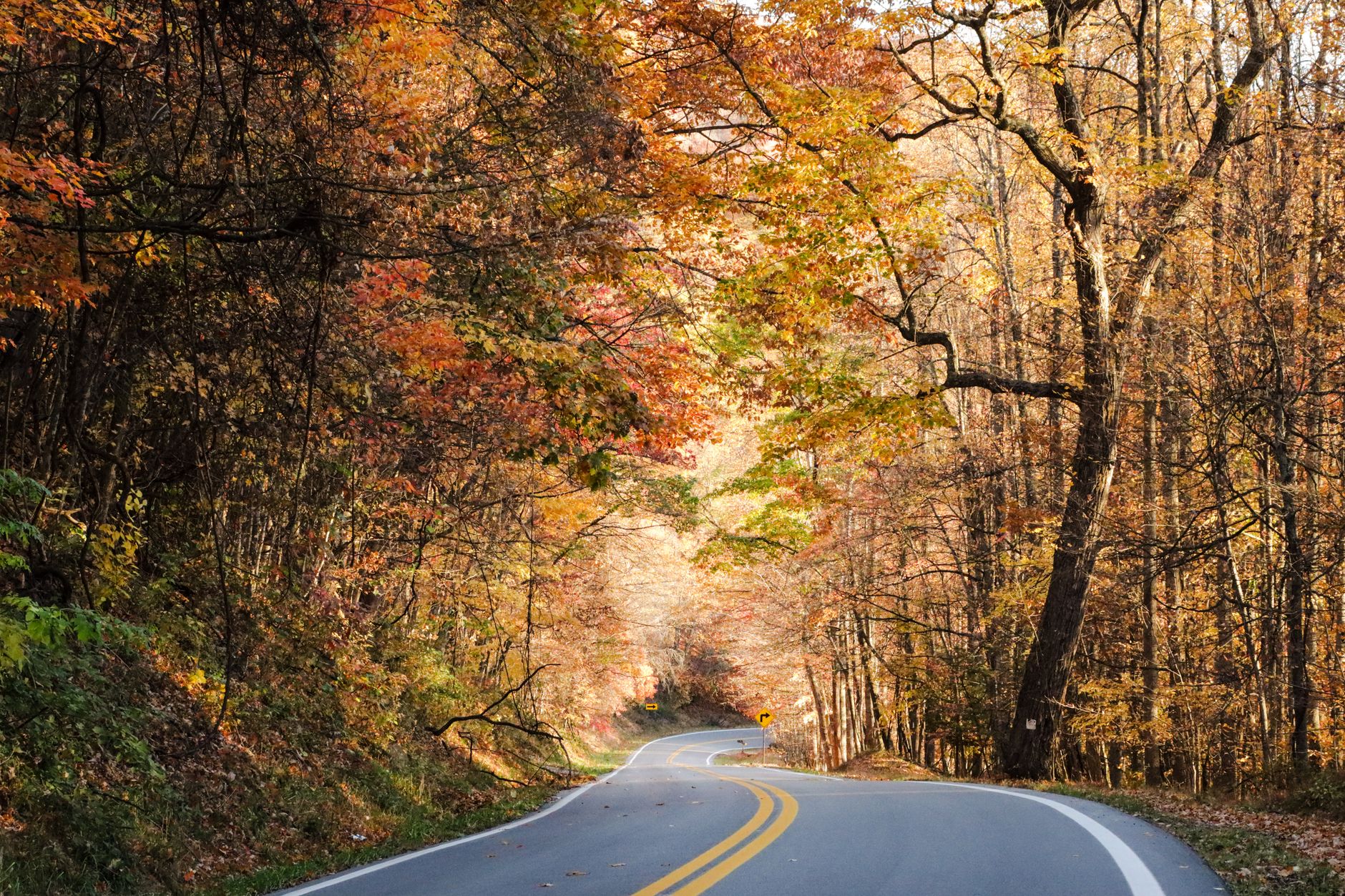
Tired of fighting for a photo op at overcrowded fall foliage spots? It's time to redefine your autumn adventure. We're diving deep into spectacular, largely undiscovered locations where vibrant leaves paint epic landscapes, promising an authentic, awe-inspiring experience before the masses catch on.
The crisp autumn air, the scent of woodsmoke, and that undeniable urge to witness nature's grand finale before winter sets in – it's a feeling every true traveler knows. For years, my fall travel ritual involved meticulously tracking peak foliage reports for New England, the Rockies, or perhaps a dreamy trip to Kyoto. And while those places are undeniably stunning, a creeping sense of déjà vu started to set in. The same iconic shots, the same bustling crowds, the same struggle to find a quiet moment amidst the fiery maples.
One year, after yet another "epic" but ultimately crowded leaf-peeping trip, I decided enough was enough. What if the most breathtaking fall colors weren't where everyone was looking? What if the true magic lay off the well-worn path, waiting to be discovered? That thought sparked an obsession, a quest to uncover the world's best-kept autumn secrets. And let me tell you, what I found transformed my fall travel forever.
Forget the mainstream. This isn't about finding a slightly less popular trail in Vermont; this is about entirely reimagining where autumn can take you. These are the places I’ve explored, the hidden gems that offer unparalleled fall beauty, authentic cultural experiences, and the priceless luxury of space to breathe it all in. Get ready to bookmark, share, and start planning your most unforgettable fall adventure yet.
---
1. Svaneti, Georgia: Where Ancient Towers Meet Fiery Peaks
My journey to Svaneti, nestled high in the Caucasus Mountains of Georgia, felt like stepping into a medieval fairytale. I arrived in late October, just as the last hints of green were giving way to a riot of gold, amber, and crimson. The region is famous for its unique defensive stone towers that dot the landscape, some dating back to the 9th century, standing sentinel against a backdrop of towering peaks, many already dusted with fresh snow.
I remember driving the winding road to Mestia, the main town, my jaw literally dropping around every bend. The ancient forests clinging to the mountainsides were ablaze. Poplars turned brilliant yellow, birches shimmered gold, and various deciduous trees added splashes of red, creating a mosaic against the stark grey rock and white snow. It was a scene straight out of a fantasy novel.
One afternoon, I hiked from Mestia to the Koruldi Lakes. The trail, usually busy in summer, was almost deserted. The only sounds were my own footsteps on fallen leaves and the distant rush of a mountain stream. Reaching the lakes, I was greeted by a panoramic view of Ushba, one of the most iconic peaks, its snow-capped grandeur framed by a foreground of fiery yellow larches. The reflection in the still, clear water was pure magic.
Why it's Underrated for Fall: Svaneti is known for its summer trekking and winter skiing. Its autumnal beauty, however, remains largely a local secret. The combination of ancient culture, dramatic mountains, and vibrant fall colors is truly unique.
Practical Tips:
- Best Time: Late October to early November.
- Getting There: Fly into Kutaisi (KUT) or Tbilisi (TBS), then take a marshrutka (minibus) or hire a private driver to Mestia. The drive from Kutaisi is roughly 5-6 hours.
- Accommodation: Guesthouses (guesthouses.ge is a good resource) in Mestia offer authentic Svan hospitality, often including homemade meals. Expect to pay around $30-50 USD per night per person.
- Activities: Hiking to Koruldi Lakes, exploring the Svaneti Museum of History and Ethnography, visiting the village of Ushguli (a UNESCO World Heritage site).
- Budget: Georgia is very affordable. A daily budget of $50-80 USD can cover food, accommodation, and local transport.
---
2. The Ozark National Forest, Arkansas, USA: Southern Charm, Northern Hues
When people think of fall colors in the U.S., Arkansas rarely makes the top of the list. And that, my friends, is exactly why it’s a hidden gem. The Ozark National Forest, spread across the northwestern part of the state, explodes with color from late October into early November, offering a surprisingly vibrant and diverse display that rivals its more famous northern counterparts.
I stumbled upon the Ozarks a few years ago during a cross-country road trip, seeking a detour from the usual routes. What I found was a tapestry of oak, hickory, maple, and dogwood trees turning brilliant shades of scarlet, gold, and deep burgundy. The rolling hills, serene lakes, and countless waterfalls (many of which are still flowing strong in autumn) create a dynamic landscape for leaf peeping.
My favorite memory was driving along Scenic Byway 7, dubbed "Arkansas's Most Scenic Highway." The road winds through dense forests, offering breathtaking vistas at every turn. I pulled over at a small, unmarked overlook and hiked down to a secluded waterfall, its waters cascading into a pool surrounded by fiery red maples. The air was cool and crisp, and the only sound was the rushing water – pure tranquility. Later, I found a charming cabin near Jasper for the night, enjoying a quiet evening under a canopy of stars.
Why it's Underrated for Fall: Often overshadowed by the Appalachians, the Ozarks offer a distinct Southern charm with its unique geology and flora, making for a truly different fall experience without the crowds.
Practical Tips:
- Best Time: Late October to early November.
- Getting There: Fly into Fayetteville (XNA) or Little Rock (LIT) and rent a car. A car is essential for exploring.
- Accommodation: Charming cabins, B&Bs, and small inns are plentiful in towns like Eureka Springs, Jasper, and Ponca. Camping is also an option in the national forest. Expect $80-150 USD for a good cabin.
- Activities: Scenic drives (Byway 7, Pig Trail Scenic Byway), hiking to waterfalls (Hawksbill Crag, Whitaker Point, Hemmed-in-Hollow), canoeing/kayaking on the Buffalo National River (check water levels).
- Budget: Generally very affordable, especially for accommodation and activities.
---
3. Transylvania, Romania: Dracula's Domain in Autumnal Splendor
Forget spooky Halloween vibes; Transylvania in autumn is a spectacle of natural beauty. While the region is celebrated for its medieval castles and gothic allure, its fall foliage is a well-kept secret, transforming the Carpathian Mountains into a canvas of gold, bronze, and deep crimson. I visited in mid-October, and the experience was nothing short of magical.
My journey began in Sibiu, a charming Saxon city, before heading into the mountains. Driving through the Prahova Valley towards Bran Castle, the dense forests were ablaze. Beech trees turned a rich copper, while oaks and maples added bursts of scarlet and yellow. It wasn't just the sheer volume of color, but the way it contrasted with the ancient, imposing castles and fortified churches that made it so captivating.
I particularly loved exploring the Retezat National Park. While many flock here for summer hikes, the autumn trails offer solitude and incredibly vibrant views. I spent a day trekking near Lake Bucura, marveling at the golden larches against the rugged peaks. Later, I found myself in a small, traditional village, enjoying a hearty Romanian stew, the air filled with the scent of woodsmoke and damp earth. It felt like a true step back in time, amplified by the season's beauty.
Why it's Underrated for Fall: Most tourists visit Transylvania in summer for the history and hiking, or around Halloween for the Dracula theme. The sheer scale and intensity of its fall colors are often overlooked.
Practical Tips:
- Best Time: Mid-October.
- Getting There: Fly into Bucharest (OTP) and rent a car for the drive to Transylvania (approx. 3-4 hours to Brasov or Sibiu). Trains are also an option, but a car offers more flexibility for scenic drives.
- Accommodation: Historic guesthouses, boutique hotels in cities like Brasov and Sibiu, or quaint village stays. Expect $50-100 USD per night.
- Activities: Driving the Transfagarasan Highway (check if open, usually closes late Oct), visiting Bran Castle and Peles Castle, exploring medieval towns, hiking in the Carpathian Mountains.
- Budget: Romania is very budget-friendly. A daily budget of $60-100 USD will allow for comfortable travel.
---
4. New Mexico's Enchanted Circle, USA: Aspens in the Land of Enchantment
When you picture fall colors, New Mexico likely conjures images of desert landscapes, not vibrant foliage. And yet, tucked away in the Sangre de Cristo Mountains, the "Land of Enchantment" offers a spectacular and distinct autumn experience, particularly along the Enchanted Circle Scenic Byway. This 83-mile loop through Taos, Angel Fire, Eagle Nest, and Red River is a revelation.
My first time driving the Enchanted Circle in early October, I was mesmerized. The high-altitude aspens turn a brilliant, almost fluorescent gold, shimmering against the deep blue New Mexico sky and the rust-colored mesas below. It’s a completely different palette from the East Coast, with a unique high-desert light that makes the colors pop even more.
I remember stopping frequently along the road, especially between Taos and Questa, where groves of aspens create tunnels of pure gold. One afternoon, I hiked a short trail near Wheeler Peak Wilderness Area, the highest point in New Mexico. The contrast of the golden aspens against the dark evergreens and the distant red rocks was breathtaking. After a day of leaf-peeping, enjoying a green chile cheeseburger in Taos, the crisp mountain air carrying the scent of piñon smoke, felt like the perfect end to a uniquely Southwestern fall day.
Why it's Underrated for Fall: New Mexico's autumn beauty is overshadowed by its desert reputation. The high-altitude aspen forests offer a distinct and stunning fall display that's very different from typical fall destinations.
Practical Tips:
- Best Time: Late September to early October.
- Getting There: Fly into Albuquerque (ABQ) and rent a car for the 2.5-hour drive to Taos.
- Accommodation: Taos offers a range of options from historic adobe inns to modern hotels. Red River and Angel Fire also have good choices. Expect $100-200 USD per night.
- Activities: Driving the Enchanted Circle Scenic Byway, hiking in the Wheeler Peak Wilderness, visiting Taos Pueblo (UNESCO World Heritage site), exploring art galleries in Taos.
- Budget: Moderately priced. $80-150 USD daily can cover food and activities.
---
5. Valle d'Aosta, Italy: Alpine Splendor Beyond the Dolomites
When Italians think of fall, they often think of Tuscany's vineyards or the Dolomites. But tucked away in the northwestern corner, bordering France and Switzerland, lies the Valle d'Aosta – a region that offers an equally stunning, yet far less crowded, alpine fall experience. Here, majestic peaks like Mont Blanc and the Matterhorn stand guard over valleys ablaze with color.
I explored Valle d'Aosta in mid-October. The drive through the Dora Baltea valley was a feast for the eyes. The dominant larch trees turn an incredible golden yellow, contrasting beautifully with the deep green pines and the grey stone of ancient castles perched precariously on hillsides. It’s a rugged, dramatic landscape, softened by the warm autumn hues.
One of my most memorable moments was visiting Fénis Castle. This incredibly well-preserved medieval fortress, with its impressive double circuit of walls and numerous towers, was framed perfectly by golden trees. I spent hours just wandering the grounds, the only sounds being the rustle of leaves and the distant clang of cowbells. Later, I took a cable car up to Courmayeur, a charming alpine town, and hiked a short trail with panoramic views of Mont Blanc, its lower slopes painted in vibrant yellows and reds. The crisp mountain air, the scent of pine, and the quiet grandeur of the Alps in autumn – it was pure bliss.
Why it's Underrated for Fall: While known for its skiing and summer hiking, Valle d'Aosta's autumn display is often overlooked in favor of more famous Italian regions. Its unique blend of alpine scenery, castles, and golden larches makes it a special fall destination.
Practical Tips:
- Best Time: Mid-October.
- Getting There: Fly into Turin (TRN) or Milan (MXP) and rent a car for the drive (approx. 1-2 hours to Aosta, the regional capital). Trains are also available to Aosta.
- Accommodation: Charming hotels and agriturismi (farm stays) are available throughout the region. Aosta itself has many options. Expect $80-150 USD per night.
- Activities: Visiting castles (Fénis, Verrès, Issogne), scenic drives through the valleys, hiking in the Gran Paradiso National Park, exploring Roman ruins in Aosta.
- Budget: Italy can be moderate to expensive, but Valle d'Aosta outside of peak ski season offers good value. Daily budget of $100-180 USD.
---
6. Patagonia, Argentina & Chile: A Southern Hemisphere Autumn Dream
This one requires a shift in your fall calendar, but trust me, it’s worth it. While the Northern Hemisphere is enjoying its autumn, the Southern Hemisphere, specifically Patagonia, is experiencing its own spectacular fall. From late April to May, the iconic landscapes of Torres del Paine and El Chaltén transform as the native Lenga and Ñire trees turn brilliant shades of red, orange, and gold.
I traveled to Patagonia in late April, and the sheer scale of the landscape was overwhelming. Imagine the iconic granite spires of Fitz Roy or Torres del Paine, usually framed by green, now surrounded by entire mountainsides ablaze with fiery hues. It's a fall experience unlike any other, with a wild, untamed beauty.
One morning, I hiked to Laguna de los Tres in Argentina, starting before dawn. As the sun rose, it illuminated the Fitz Roy massif, and the Lenga forests below me erupted in color. The contrast of the snow-dusted peaks, the turquoise glacial lakes, and the intense red and orange forests was absolutely mind-blowing. The wind was biting, but the beauty was so profound it made me forget the cold. Later, I crossed into Chile and spent days trekking in Torres del Paine, witnessing similar breathtaking scenes, often with guanacos grazing peacefully amidst the colorful trees.
Why it's Underrated for Fall: Its timing (April/May) means most North American and European travelers aren't thinking "fall" then. However, it offers a dramatic, large-scale autumn display in one of the world's most iconic landscapes.
Practical Tips:
- Best Time: Late April to mid-May.
- Getting There: Fly into El Calafate (FTE) in Argentina or Punta Arenas (PUQ) in Chile. Rent a car or use buses to reach El Chaltén (Argentina) or Puerto Natales (Chile) for park access.
- Accommodation: Guesthouses, hostels, and hotels are available in El Chaltén, El Calafate, and Puerto Natales. Book well in advance, even for the shoulder season. Expect $60-150 USD per night.
- Activities: Trekking to Fitz Roy and Cerro Torre (Argentina), "W" or "O" circuit treks in Torres del Paine (Chile), scenic drives, wildlife spotting.
- Budget: Patagonia can be expensive, especially for tours and high-end accommodation. A daily budget of $100-250 USD is realistic, depending on your style.
---
Your Guide to Off-the-Beaten-Path Fall Travel: General Tips
Venturing to these less-traveled fall destinations requires a bit more planning, but the rewards are immense. Here are my go-to tips:
- Flexibility is Key: Peak foliage dates can vary slightly year-to-year depending on weather. Build a buffer into your travel dates if possible.
- Rent a Car: For almost all these destinations, a car is essential to truly explore the scenic routes and reach hidden viewpoints.
- Pack Layers: Autumn weather, especially in mountainous regions, can be unpredictable. Be prepared for everything from crisp sunshine to chilly winds and even early snow. Waterproof outer layers are a must.
- Embrace Local Culture: These destinations offer more than just leaves. Engage with the local communities, try the regional cuisine, and learn about their traditions. This is where the real magic happens.
- Photography Tips:
- Golden Hour is Your Friend: Shoot during sunrise and sunset for the most dramatic light.
- Look for Contrast: Frame vibrant leaves against snow-capped peaks, ancient stone, or deep blue skies.
- Reflections: Still water (lakes, puddles after rain) can double the beauty.
- Details: Don't just shoot wide landscapes. Capture close-ups of individual leaves, textures, and forest floors.
- Responsible Travel: Stick to marked trails, pack out everything you pack in, and respect local customs and wildlife. Help keep these hidden gems pristine.
- Share Wisely: While it's tempting to Instagram every stunning shot, consider holding back on exact, specific, super-secret spots. Let others discover a little too, or share general locations to encourage exploration without pinpointing and overwhelming.
---
The Unbeaten Path Awaits
There's a unique thrill that comes with uncovering a place before it becomes the next big thing. It’s the quiet satisfaction of experiencing nature's grandeur without the distraction of crowds, the joy of connecting with a destination on a deeper, more authentic level. These fall foliage destinations are more than just pretty pictures; they are invitations to adventure, to step outside your comfort zone, and to rediscover the magic of autumn.
So, this year, instead of following the usual leaf-peeping pilgrimage, why not blaze your own trail? Choose one of these incredible, underrated spots, pack your bags, and prepare to be utterly captivated. The world is full of untold autumn stories, and it's time to write your own.
Which of these secret fall spots is calling your name? Share your thoughts in the comments below, and don't forget to tag #TripsoraAutumnAdventures on your next fall journey!
More pictures

Tags
Share this guide
We may earn a commission if you click a link and buy a product or service, at no extra cost to you. How affiliate links work.
Been there?