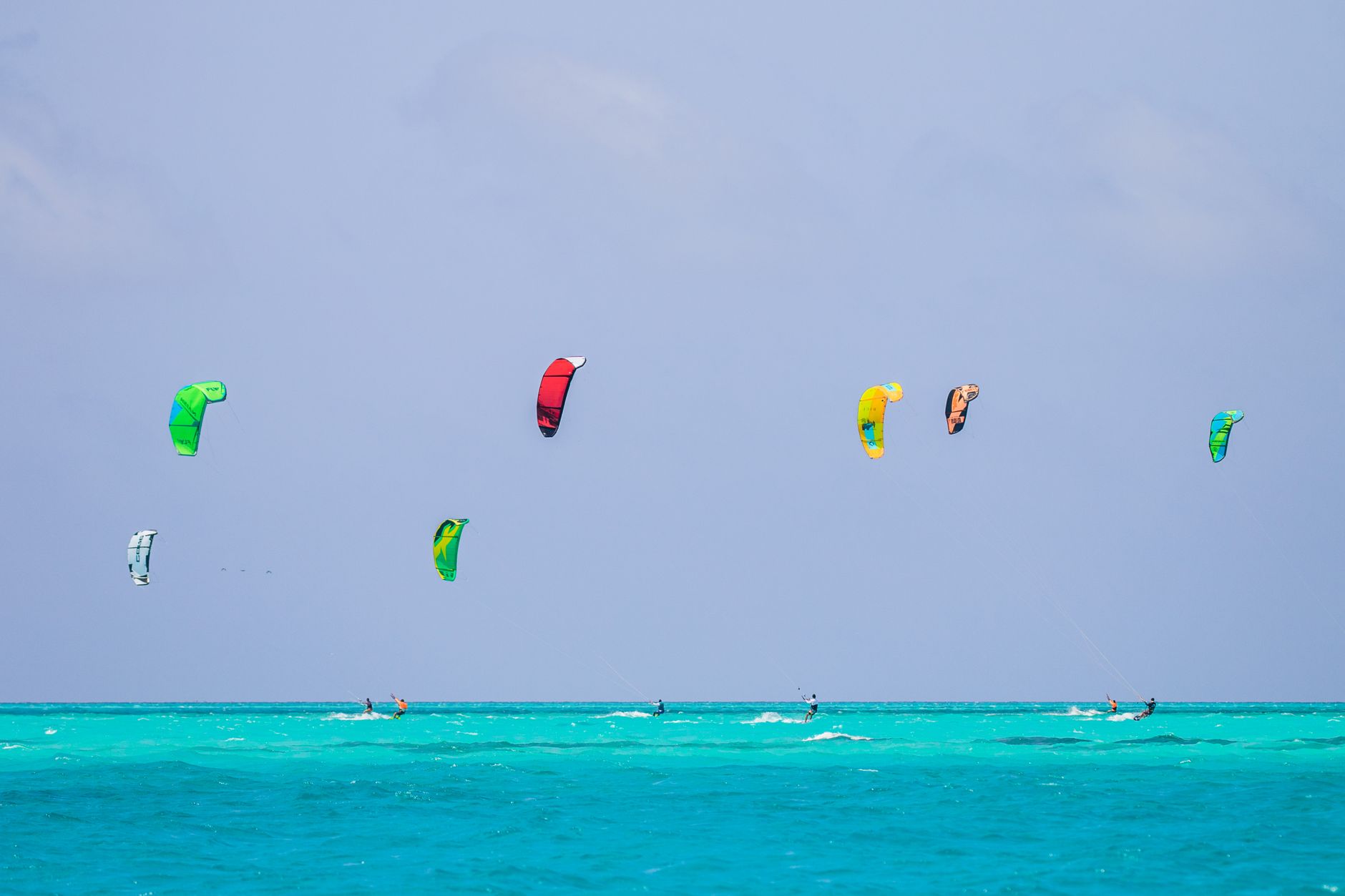
Stuck in a rut? I was too, until a leap of faith into beginner extreme sports utterly transformed my life. What started as a challenge to try 'just one thing' turned into an exhilarating journey, proving that anyone can find their thrill and conquer their fears. ---
From Desk Job to Drop-In: How Beginner Extreme Sports Changed My Life Forever
There I was, twenty-eight years old, staring at my reflection in a coffee shop window. Another Monday morning, another lukewarm latte, another email inbox overflowing. My life wasn't bad, per se. It was… predictable. Comfortable. Safe. And utterly, soul-crushingly boring. I had a stable job, a cozy apartment, and a growing collection of half-read books. What I didn't have was adventure. Or, frankly, much excitement beyond ordering extra guacamole.
Growing up, I was the kid who clung to the side of the pool, the one who chose reading over rugby. Heights? Forget about it. Deep water? Instant panic. The idea of "extreme sports" was something reserved for Red Bull-sponsored athletes with chiseled abs and a complete absence of fear. It certainly wasn't for me.
But that morning, something shifted. Maybe it was the existential dread of another Monday, or perhaps a fleeting glimpse of an online travel blogger effortlessly catching a wave. Whatever it was, a tiny, rebellious whisper started in my mind: "What if?" What if I tried just one thing? Something that scared me. Something that pushed me out of my perfectly comfortable, perfectly boring little box.
That "what if" wasn't just a question; it was the spark that ignited a fire. Over the next few years, I embarked on a journey that took me from timid observer to an enthusiastic, if still slightly clumsy, participant in the world of beginner extreme sports. And let me tell you, it didn't just add a few cool stories to my repertoire; it fundamentally changed who I am. It taught me about resilience, about the incredible power of my own body, and about the sheer joy of living fully.
If you're reading this, feeling that same whisper of "what if" – this post is for you. I'm going to share my journey, the beginner-friendly extreme sports that rocked my world, and how you can take that first terrifying, exhilarating step.
1. Surfing: Riding the Beginner Waves in Bali & Beyond
My first foray into the unknown was surfing. The ocean, with its vastness and unpredictable power, had always intimidated me. But something about the grace of surfers, the way they moved with the water, called to me. I decided to dive in, quite literally, during a solo trip to Bali.
The Experience: I booked a beginner lesson at a surf school on Kuta Beach, known for its gentle, rolling waves perfect for newbies. My instructor, a sun-kissed local named Wayan, handed me a massive, foam-topped board that felt more like a buoyant mattress. After a quick beach lesson on paddling and popping up, we hit the water.
The first 30 minutes were a hilarious struggle. I swallowed half the Pacific, got pummeled by white wash, and felt utterly clumsy. But then, Wayan pushed me into a small wave, and for a glorious second, I was up! Standing! It was wobbly, short-lived, and probably looked more like a startled giraffe on ice skates, but the feeling was pure, unadulterated triumph. The sheer rush of moving with the wave, the salty spray on my face, the roar of the ocean – it was addictive.
Why it changed me: Surfing taught me patience and resilience. You fall, you get back up. You paddle, you miss a wave, you paddle again. It's a constant dance with nature, a lesson in humility and persistence. It also connected me to the ocean in a way I never thought possible.
Tips for Beginners:
- Location, Location, Location: Start in places known for beginner-friendly waves. Kuta Beach (Bali, Indonesia), Waikiki (Hawaii, USA), Taghazout (Morocco), or Ericeira (Portugal) are excellent choices.
- Get a Lesson: Seriously, don't try to teach yourself. A good instructor will teach you safety, etiquette, and the basics much faster. Look for schools offering group lessons (often cheaper) or private ones.
- Soft-Top Board: You'll start on a large, foam "soft-top" board. They're stable and forgiving.
- Expect to Fall: Embrace it! Falling is part of learning.
- Average Cost: A 2-3 hour beginner group lesson usually costs $30-$70 USD, often including board rental. Multi-day packages are also available.
2. Indoor Skydiving: The Fear-Conquering Freefall (Without the Parachute)
My fear of heights was deeply ingrained. The mere thought of jumping out of a plane made my stomach churn. But I was committed to pushing my boundaries. That's when I discovered indoor skydiving – a brilliant stepping stone that simulates the freefall experience in a vertical wind tunnel.
The Experience: I booked a session at an iFly center in a major city (they have locations worldwide, including Orlando, London, Dubai). Walking into the facility, I was a mix of nervous excitement and sheer terror. After a safety briefing and donning a flight suit, helmet, and goggles, it was my turn.
Stepping into the wind tunnel, the roar of the massive fans was deafening. My instructor, a seasoned pro, guided me into the airstream. The moment the wind caught me, lifting me off my feet, was utterly surreal. It wasn't falling; it was floating. My body instinctively tensed, but with my instructor's gentle adjustments, I learned to relax, to spread my limbs, and to fly. For a few glorious minutes, I was soaring, experiencing the exhilaration of freefall without any of the actual danger. We even did a high-fly at the end, where the instructor takes you up to the very top of the tunnel – an incredible rush!
Why it changed me: This experience was a profound lesson in facing fear head-on, safely. It demystified the sensation of freefall and showed me that my body could do incredible things. It was a massive confidence booster and a gateway to considering actual skydiving later (which I did!).
Tips for Beginners:
- Find an iFly (or similar) Center: Search for "indoor skydiving" or "bodyflight" in your area.
- Book a First-Timer Package: These usually include training, gear rental, and 2-4 "flights" (each lasting about 60 seconds, which feels much longer!).
- Listen to Your Instructor: They are experts and will guide you every step of the way.
- Relax: The more relaxed you are, the easier it is to control your body in the wind.
- Average Cost: A first-timer package typically ranges from $70-$120 USD, depending on location and number of flights.
3. Rock Climbing (Bouldering & Top-Roping): A Vertical Puzzle
My journey continued with rock climbing. Again, heights were an issue, but the idea of using my body and mind to solve a vertical puzzle intrigued me. I started at a local climbing gym, opting for bouldering first.
The Experience: Bouldering is climbing shorter walls without ropes, relying on crash pads below. It's a fantastic way to learn technique and build strength. I started on easy "V0" routes, my muscles screaming in protest, my hands quickly developing calluses. It was frustrating at first, trying to figure out the sequence of holds, feeling my grip fail. But the satisfaction of reaching the top of a problem I’d struggled with was immense.
After a few months, I moved to top-roping, which involves climbing taller walls with a rope run through an anchor at the top, and a belayer on the ground managing the rope for safety. This brought in the height element, and my first few climbs were a battle against my own mind. My legs would tremble, my breath would quicken. But with each successful ascent, the fear lessened, replaced by a deep sense of focus and achievement. I learned to trust the gear, my belayer, and most importantly, myself.
Why it changed me: Climbing taught me mental fortitude and problem-solving. It's not just about brute strength; it's about strategy, balance, and trusting your body. It also introduced me to an incredibly supportive and encouraging community.
Tips for Beginners:
- Start at a Gym: Indoor climbing gyms are the safest and best place to learn.
- Try a "Intro to Climbing" Class: Many gyms offer these, covering basic safety, knot tying, and belaying.
- Rent Gear: Don't buy expensive gear upfront. Rent shoes and a harness from the gym.
- Bouldering First: It's a great way to build strength and technique without the added complexity of ropes and heights.
- Find a Partner: Climbing is often a social sport. Ask around the gym, or join a group class.
- Average Cost: Day pass for a climbing gym: $15-$25 USD. Intro class: $50-$100 USD.
4. White Water Rafting (Class I-III): Teamwork in the Rapids
After conquering some personal fears, I was ready for an experience that involved teamwork and the raw power of nature. White water rafting, specifically beginner-to-intermediate rapids (Class I-III), seemed like the perfect fit.
The Experience: I joined a guided rafting trip on a section of the Colorado River near Moab, Utah. Our group of eight crammed into a large inflatable raft, paddles in hand, listening intently to our guide, Maya, who was a whirlwind of energy and safety instructions. The river started calm, allowing us to practice our paddle strokes and learn to work as a team.
Then, the first set of rapids hit. It wasn't the raging, death-defying rapids you see in movies, but it was enough to send a jolt of adrenaline through me. The raft bucked and splashed, water surged over the bow, and we paddled furiously to Maya's commands: "Forward two! Back paddle! Hold on!" Laughter, gasps, and shouts filled the air. We navigated through "Big Bend" and "The Wave," getting thoroughly soaked and exhilarated. The sense of camaraderie, of everyone pulling together, was incredible.
Why it changed me: Rafting taught me the importance of teamwork and trusting others. It also gave me a profound appreciation for the power and beauty of rivers. It was a reminder that even in challenging situations, joy and connection can be found.
Tips for Beginners:
- Choose the Right Class: Start with Class I-III rapids. These offer excitement without extreme danger. Class IV+ is for experienced rafters.
- Go with a Reputable Outfitter: Always choose a licensed and experienced outfitter with certified guides. They provide all gear (rafts, paddles, life vests, helmets).
- Listen to Your Guide: Your guide is your leader and your safety net. Pay attention to all instructions.
- Wear Appropriate Clothing: Quick-drying layers are best. Many outfitters rent wetsuits if the water is cold.
- Great Locations: Colorado River (Utah/Arizona), Pacuare River (Costa Rica), Ottawa River (Canada), Zambezi River (lower sections, Zimbabwe/Zambia) all offer beginner-friendly options.
- Average Cost: A half-day or full-day guided rafting trip can range from $70-$150 USD, depending on location and duration.
5. Scuba Diving (PADI Discover Scuba Diving): Breathing Underwater
My final "extreme" adventure, and perhaps the most transformative, was scuba diving. The underwater world had always been a mystery to me, a place of silent, alien beauty. Overcoming my discomfort with deep water was a huge hurdle, but the allure was too strong.
The Experience: I signed up for a PADI Discover Scuba Diving (DSD) experience in Koh Tao, Thailand – a renowned spot for beginner divers. This isn't a certification, but a guided introduction to diving under the direct supervision of an instructor. After a classroom session covering basic physics, equipment, and safety, we headed to a calm, shallow bay.
Donning the heavy gear – tank, BCD, regulator, mask, fins – felt cumbersome at first. The moment I took my first breath underwater, however, everything changed. It was like stepping into another dimension. The silence was profound, broken only by the sound of my own breathing. Schools of iridescent fish darted past, vibrant coral swayed gently, and the sunlight filtered through the water, creating an ethereal glow. My instructor was right beside me, guiding me through some basic skills, and then we were off, exploring the reef. The feeling of weightlessness, of being truly immersed in this alien world, was utterly mesmerizing.
Why it changed me: Scuba diving opened up an entirely new world. It taught me to be calm under pressure, to control my breathing, and to move with grace in an unfamiliar environment. It instilled a deep respect for marine life and a passion for ocean conservation. It was the ultimate lesson in letting go of control and trusting the process.
Tips for Beginners:
- Start with a DSD: The PADI Discover Scuba Diving program is perfect for trying it out without committing to a full certification.
- Choose a Reputable Dive Center: Look for PADI or SSI certified centers with good reviews, well-maintained equipment, and experienced instructors.
- Be Honest About Health: You'll fill out a medical questionnaire. Certain conditions (like asthma or ear problems) might prevent you from diving.
- Learn to Clear Your Ears: This is crucial for comfort and safety. Your instructor will teach you.
- Take it Slow: Don't rush. Breathe deeply, equalize often, and enjoy the experience.
- Great Locations: Koh Tao (Thailand), Cozumel (Mexico), Great Barrier Reef (Australia - outer reef for DSD), Utila (Honduras), and the Caribbean islands are fantastic for beginners.
- Average Cost: A DSD program typically costs $80-$120 USD, including equipment and instructor.
Your Adventure Awaits: Practical Tips for Taking the Leap
My journey into extreme sports wasn't about becoming an elite athlete. It was about pushing my personal boundaries, discovering strength I didn't know I had, and adding a vibrant, exhilarating dimension to my life. If you're ready to trade predictability for possibility, here are some actionable tips:
- Start Small, Dream Big: You don't have to jump out of a plane on day one. Indoor skydiving, bouldering, or a beginner surf lesson are fantastic entry points. Build confidence and skills gradually.
- Research & Reputable Providers: Always prioritize safety. Look for certified instructors, well-maintained equipment, and companies with excellent safety records and reviews. Read forums and ask for recommendations.
- Invest in Lessons, Not Gear (Initially): For most beginner sports, the provider will supply all necessary equipment. Focus your initial budget on quality lessons and guidance.
- Embrace the Fear: It's natural to be scared. Acknowledge it, but don't let it paralyze you. The most profound growth often happens just outside your comfort zone. Each time you push past that fear, your comfort zone expands.
- Listen to Your Body: Know your limits. Don't push yourself beyond what feels safe and reasonable, especially when starting.
- Find Your Tribe: Many extreme sports have incredibly welcoming communities. Connect with others online or at local gyms/centers. Sharing the experience enhances the journey.
- Document Your Journey: Take photos, videos, or keep a journal. Not just for Instagram, but for yourself. Seeing how far you've come is incredibly motivating. Plus, those action shots are definitely shareable!
- Budget Smart: Adventure doesn't have to break the bank. Look for group discounts, off-season rates, or choose destinations where activities are more affordable (e.g., Southeast Asia for diving/surfing).
The Unforeseen Transformation: More Than Just Adrenaline
These beginner extreme sports didn't just give me an adrenaline rush; they reshaped my entire perspective. I learned that I am capable of far more than I ever imagined. My self-confidence soared. I became more adaptable, more resilient, and more present in my everyday life. The mundane tasks of Monday mornings no longer felt quite so daunting, because I knew I had the courage to face challenges, whether they were towering waves or a stack of emails.
My travels became richer, no longer just about seeing sights, but about experiencing them in the most visceral way possible. I met incredible people, saw breathtaking places, and lived moments that felt truly alive.
So, if you're feeling that familiar pull towards something more, towards an adventure that could truly change your life, don't hesitate. You don't need to be an athlete, you just need a little courage and a willingness to try.
What's your first extreme sport going to be? The world is waiting for you to dive in, climb up, or paddle out. Go on, take that leap. I promise, you won't regret it.
---
More pictures
Tags
Share this guide
We may earn a commission if you click a link and buy a product or service, at no extra cost to you. How affiliate links work.
Been there?