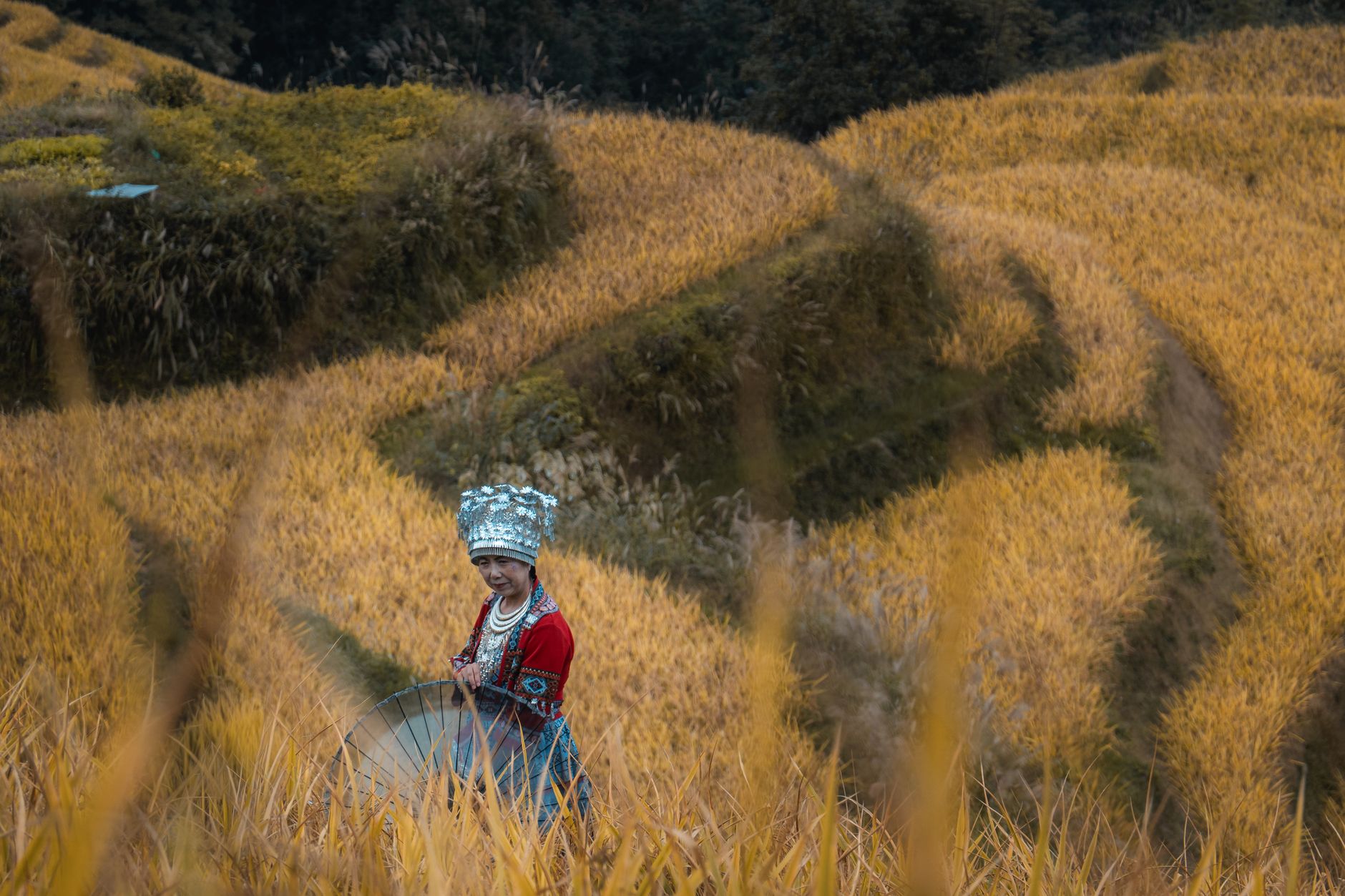
Tired of curated tourist traps? Autumn offers a unique chance to dive deep into local culture by participating in harvests most travelers never even know exist. Join us as we uncover five incredible, hands-on experiences that will connect you with the land and its people, leaving you with memories far richer than any postcard. ---
The crisp autumn air hits differently when you’re not just admiring the changing leaves from a bus window. It hits you with the earthy scent of turned soil, the sweet perfume of ripe fruit, or the faint, unmistakable aroma of something truly unique. I remember my first "real" harvest experience – not a staged wine-tasting event, but a genuine, sweaty, back-breaking (in the best way!) afternoon in a small, sun-drenched Italian vineyard. The family spoke little English, I spoke even less Italian, but as we snipped plump grapes from the vines, shared a rustic lunch under a pergola, and laughed at my clumsy attempts, a connection formed that transcended language. It wasn't on any tour brochure, and frankly, the locals probably preferred it that way.
That day sparked a realization: some of the most profound travel experiences aren't found in guidebooks or on popular travel blogs. They’re whispered secrets, passed down through generations, often happening right under the noses of unsuspecting tourists. As a travel blogger for Tripsora, I’m all about uncovering these hidden gems, and autumn, with its bounty, is arguably the best time to find them. Forget pumpkin spice lattes for a moment, and imagine yourself knee-deep in cranberries, carefully plucking saffron threads, or even hunting for elusive truffles. These aren't just activities; they're invitations into the heart of a culture, a chance to truly live like a local, even if just for a day. And trust me, these are the stories you'll be telling for years.
So, pack your sense of adventure (and maybe some sturdy boots), because I’m about to spill the beans on some incredible autumn harvests that locals genuinely don't want you to know about. Shhh... don't tell everyone.
The Golden Threads of Dawn: Saffron Picking in La Mancha, Spain
Imagine waking before the sun, the air still cool and damp, and heading out to a field bathed in the soft glow of pre-dawn light. This isn't just any field; it's a sea of delicate, purple crocus flowers, each holding the promise of the world's most expensive spice: saffron.
My journey to this secret started quite by accident. I was driving through the windmills of Consuegra in La Mancha, a region often overlooked for Spain's more famous coastlines or cities. I'd booked a small, family-run casa rural outside a tiny village called Camuñas. One morning, over a breakfast of homemade tostadas, the owner, Maria, gestured towards the fields. "Today, azafrán," she said, her eyes twinkling. I was intrigued.
The saffron crocus (Crocus sativus) blooms only for a few short weeks in late October to early November. Each flower yields just three tiny, crimson stigmas – the "threads" of saffron. The harvest must be done by hand, quickly, before the sun gets too hot and wilts the fragile blossoms. Maria's family has been doing this for generations. I joined them, bundled in layers, my fingers soon numb from the cold and the meticulous work. We moved slowly, carefully, bending low to pluck each purple flower. Later, gathered around a large table, the real work began: desbriznado, the delicate process of separating the stigmas from the rest of the flower. It’s meditative, almost sacred work, and the scent of the fresh saffron is intoxicating.
How to find your own saffron secret:
- When to go: Late October to early November is prime time.
- Where to look: Focus on smaller villages in La Mancha, like Camuñas, Madridejos, or even near Consuegra. Avoid big tour operators.
- The Approach: Stay in a casa rural (rural guesthouse) or small family-run hotel. Strike up conversations with locals at the village market or a small cafe. Express genuine interest in their traditions, not just as a tourist, but as someone eager to learn and help. Offer to lend a hand; often, they'll appreciate the extra pair, especially during peak harvest.
- Cost: Usually free, sometimes a small payment or, more commonly, a shared meal and the priceless experience of cultural exchange.
- Instagram Moment: A close-up of delicate purple crocuses, your hands carefully plucking the red stigmas, or a basket full of freshly picked flowers. Use #SaffronSecrets #LaManchaHidden
Liquid Gold: Olive Picking in Rural Puglia, Italy
Forget Tuscany’s rolling hills for a moment and journey south to Puglia, the "heel" of Italy. This region is a treasure trove of ancient olive groves, some trees standing for thousands of years, their gnarled trunks telling stories of seasons past. While many tourists flock to Puglia for its stunning coastline and charming trulli houses, few realize the magic that unfolds in late autumn: the olive harvest.
My experience began at a masseria (fortified farmhouse) near Ostuni, which I found through a friend of a friend. It wasn't advertised as an "agritourism experience"; it was simply a working farm. The owner, Nonno Antonio, a man whose face was etched with decades of sun and laughter, was initially skeptical of my offer to help. "You? With your soft city hands?" he grumbled good-naturedly. But I persisted.
The work is surprisingly physical but deeply satisfying. We spread huge nets under the ancient trees, then used long poles to gently "comb" the branches, coaxing the olives down. The air buzzed with the chatter of the family and the rhythmic thud of olives hitting the nets. By midday, our nets were bulging with green and black fruit, destined for the local frantoio (olive mill). The highlight? A lunch of fresh focaccia, local cheeses, and, of course, bread dipped in the first press of the season's oil – a vibrant, peppery, emerald-green liquid that tasted like pure sunshine. It was a taste I'll never forget.
How to find your own olive adventure:
- When to go: Late October to early December, depending on the varietal and region.
- Where to look: Explore the Salento peninsula or the Valle d'Itria. Focus on smaller towns and rural areas.
- The Approach: Look for small, family-run masserie or agriturismi that aren't overly tourist-oriented. Sometimes, WWOOFing (Worldwide Opportunities on Organic Farms) is an option, but for a shorter experience, simply asking locally is best. Visit a small olive oil shop and inquire if any local families need help.
- Cost: Free, or sometimes a small fee for accommodation/food at an agriturismo. The reward is the experience and often a bottle of fresh oil.
- Instagram Moment: Ancient, gnarled olive trees, nets full of plump olives, a close-up of vibrant green, freshly pressed olive oil. Use #PugliaOlives #HarvestItaly
The Crimson Tide: Cranberry Bog Work in Wisconsin, USA
When most people think of autumn harvests in the US, apples and pumpkins come to mind. But tucked away in the heart of Wisconsin, a truly unique and visually spectacular harvest unfolds: cranberries. And I mean really tucked away – you won't find this on a typical fall foliage tour.
I stumbled upon this gem during a road trip through the Midwest. I'd heard whispers of cranberry bogs and decided to investigate. My destination was a small town near Warrens, known as "The Cranberry Capital of Wisconsin." I found a small, family-owned farm through a local visitor's center, which, surprisingly, was willing to let me observe and even participate if I was prepared for the chill.
Cranberry harvesting is often a "wet harvest." Fields are flooded, and specialized machines gently churn the water, dislodging the berries from their vines. The berries, being buoyant, float to the surface, creating a stunning, vibrant red carpet across the water. Donning thick waders, I waded into the icy bog, helping to corral the floating berries with large booms. The cold was biting, but the sight of millions of crimson spheres bobbing around me was utterly breathtaking. It’s hard, physical work, but the camaraderie among the farmers and the sheer novelty of the experience made it unforgettable.
How to find your own cranberry experience:
- When to go: Late September to late October.
- Where to look: Central Wisconsin (Warrens, Tomah, Wisconsin Rapids areas) or parts of Massachusetts.
- The Approach: Contact local cranberry growers associations or small visitor centers in cranberry-producing towns. Smaller, independent farms are more likely to offer a hands-on experience than large commercial operations. Express your interest in learning about the process and offer your help.
- Cost: Observing is usually free. Participating might involve a small fee or simply your labor.
- Instagram Moment: A vast, shimmering red bog, you in waders surrounded by cranberries, a close-up of the bright red berries. Use #WisconsinCranberries #BogLife
The Scent of the Forest Floor: Truffle Hunting in Istria, Croatia
While not a "harvest" in the traditional sense, truffle hunting is an autumn foraging experience that is equally, if not more, secretive and deeply rooted in local tradition. Forget the touristy truffle tours that promise a guaranteed find; I'm talking about connecting with a genuine tartufaio (truffle hunter) and their trusty dog in the misty forests of Istria, Croatia.
My adventure started in a tiny village outside Motovun. I’d spent days asking around, relying on broken Croatian and the kindness of strangers. Eventually, a guesthouse owner connected me with "Jure," a gruff but kind man with a mischievous glint in his eye and two highly energetic dogs named Bella and Max.
We set off at dawn, the forest still shrouded in mist. This wasn't a leisurely stroll; it was a focused hunt. Jure explained that the dogs, specially trained for years, are the real stars. Bella suddenly became frantic, digging furiously at the base of an oak tree. Jure quickly intervened, gently brushing away the soil to reveal... a golf-ball-sized white truffle! The aroma was intoxicating – earthy, musky, complex, unlike anything I'd ever smelled. The thrill of finding this subterranean treasure, guided by the instincts of a dog and the knowledge of a seasoned hunter, was electrifying. It was a profound connection to the ancient forests and a glimpse into a very guarded way of life.
How to find your own truffle hunt:
- When to go: White truffle season is generally September to December. Black truffles are found year-round but autumn is peak.
- Where to look: The forests around Motovun, Buzet, and Livade in Istria.
- The Approach: This is the trickiest to arrange authentically. Avoid large tour companies. Instead, stay in a small, family-run agroturizam or guesthouse in the Istrian hinterland. Ask your hosts if they know a local tartufaio who might be willing to take a respectful, curious guest. Be prepared for a potentially higher cost, as genuine truffle hunters guard their spots fiercely.
- Cost: Can range from €100-€300+ for a personalized experience, but it's an investment in a truly unique adventure.
- Instagram Moment: A truffle dog digging excitedly, a freshly unearthed truffle in hand, misty forest paths. Use #IstrianTruffles #TruffleHunt
The Sweetest Secret: Date Harvest in the Moroccan Oasis
Morocco is famous for its vibrant souks, bustling medinas, and the Sahara desert. But in the hidden oases of the Ziz Valley, a truly ancient and profoundly communal harvest takes place each autumn: the date harvest. This is a harvest that requires courage, skill, and a deep respect for tradition.
My journey took me to a small village near Erfoud, on the edge of the Sahara. I was staying in a traditional guesthouse, and one morning, my host, Hassan, asked if I wanted to see something truly special. We walked to a nearby palm grove, where a flurry of activity was underway. Men were scaling the towering date palms, some using simple ropes and harnesses, others with incredible agility, shimmying up the rough trunks.
The sight was mesmerizing. These brave climbers, often bare-chested under the desert sun, would expertly cut down heavy bunches of ripe dates, which were then caught in nets or blankets by those below. The air was thick with the sweet, sticky scent of dates. I didn't climb (it's far more dangerous than it looks!), but I helped sort and pack the dates, my hands quickly becoming sticky with their natural sugars. Later, we shared a feast of tagine, mint tea, and, of course, an abundance of freshly picked dates – plump, juicy, and bursting with a sweetness that store-bought dates can only dream of. It was a testament to the hard work and communal spirit that sustains life in this harsh but beautiful landscape.
How to find your own date harvest experience:
- When to go: October to November.
- Where to look: The Ziz Valley, particularly around Erfoud and Rissani, which are major date-producing regions.
- The Approach: Stay in a local guesthouse or riad in one of the smaller towns or villages within the Ziz Valley. Engage with your hosts and local guides, expressing your interest in traditional life and agriculture. They are often the best conduit to these experiences. Be respectful of local customs and offer to help in any way you can.
- Cost: Usually free, with the expectation of sharing meals and showing gratitude.
- Instagram Moment: Towering date palms against a blue sky, baskets overflowing with fresh dates, or a close-up of the sweet, plump fruit. Use #MoroccanDates #ZizValleyHarvest
Your Invitation to Authenticity: Go Beyond the Brochure
These aren't just pretty pictures; they're invitations to step outside your comfort zone, to connect with people on a deeper level, and to experience the true heartbeat of a place. Participating in a local harvest isn't just about picking fruit or finding truffles; it's about understanding the rhythm of life, the challenges, the traditions, and the sheer joy of communal effort. It's about tasting food that has traveled mere meters from its source to your plate.
The "secrets" I've shared aren't meant to be exploited, but to be approached with respect, curiosity, and a genuine desire to learn. Locals might be hesitant at first – they're used to tourists who just want a photo op. But show them you're willing to get your hands dirty, to listen, and to truly engage, and you'll often find doors open to experiences far richer than any five-star resort could offer.
So, this autumn, ditch the predictable. Seek out the hidden fields, the ancient groves, the misty forests, and the sun-drenched oases. Go find your own secret harvest. You won't just collect memories; you'll collect stories that are truly your own, and isn't that what travel is all about?
Now it's your turn! Have you ever stumbled upon a hidden harvest or a unique local tradition while traveling? Share your stories and tips in the comments below! Let's inspire each other to explore beyond the usual. And don't forget to tag #TripsoraHarvests on your social media posts!
---
More pictures
Tags
Share this guide
We may earn a commission if you click a link and buy a product or service, at no extra cost to you. How affiliate links work.
Been there?