
Forget what you think you know about "disaster tourism." There's a profound, ethical way to connect with communities and witness incredible human and natural resilience after major events. This isn't about rubbernecking; it's about deep engagement, learning, and contributing to the inspiring journey of recovery.
The news cycle can be relentless, painting vivid, often heartbreaking pictures of the world's natural disasters. From raging wildfires to devastating floods, powerful hurricanes to unpredictable earthquakes, these events dominate our screens, leaving us feeling helpless, distant, and perhaps, a little morbidly curious.
I remember scrolling through social media after a particularly brutal typhoon tore through a remote island nation I'd once visited. My heart ached for the people, the vibrant culture, the lush landscapes I'd come to love. Then, I saw comments, some well-meaning, others... less so. "I wonder what it's like there now?" "Should we go help?" "Is it even safe to visit?" There’s a fine line between genuine concern and the problematic concept of "disaster tourism"—a line that, as travelers, we have a responsibility to understand and never cross.
But what if I told you there’s a different kind of journey, one that takes you not into the heart of a disaster, but through its aftermath, revealing something far more powerful than destruction: the incredible, undeniable spirit of human and natural resilience? This isn't about chasing the sensational; it's about seeking connection, understanding, and contributing to the long, arduous, yet ultimately hopeful path of recovery. It’s about experiences you can only have when the world rebuilds, when communities rise, and when nature reclaims its beauty.
This is a call to ethical, transformative travel – a journey that leaves you changed, not just with Instagram-worthy photos, but with a deeper sense of global citizenship and empathy.
The True Meaning of "Post-Disaster" Travel: Beyond the Headlines
Let's be crystal clear: traveling during or immediately after a natural disaster is almost always irresponsible, dangerous, and a burden on already strained local resources. It diverts aid, puts emergency responders at risk, and can exploit suffering. That's disaster tourism, and it's a hard NO from Tripsora.
However, once the immediate crisis has passed, once infrastructure begins to stabilize, and once communities start the long process of rebuilding, a unique window opens for responsible travelers. This isn't about gawking at destruction; it's about engaging with the recovery. It’s about witnessing the indomitable human spirit, learning from communities who face unimaginable challenges, and offering support in ways that truly matter. These are the "experiences" that are trending in the hearts of truly conscious travelers – not the disaster itself, but the inspiring journey beyond it.
Section 1: Voluntourism Reimagined – Helping Hands, Open Hearts
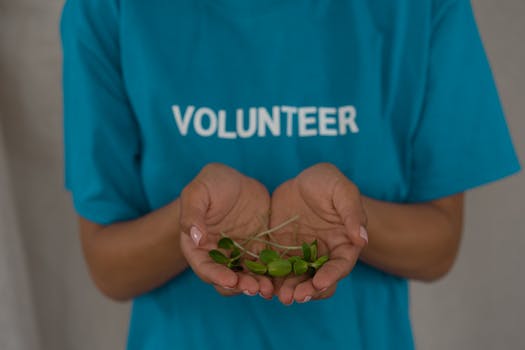
One of the most direct and impactful ways to engage with communities recovering from natural disasters is through ethical voluntourism. But "ethical" is the keyword here. This isn't about showing up with good intentions and no skills. It’s about finding reputable organizations that have established, long-term relationships with local communities and understand their needs.
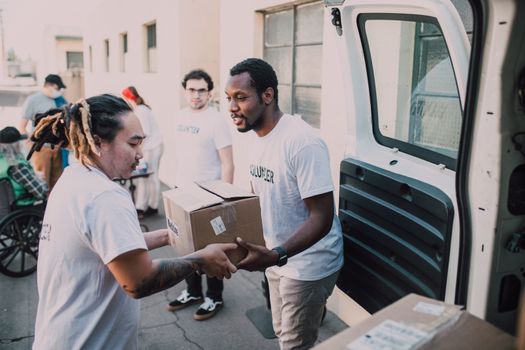
My Experience in the Philippines: A few years after that devastating typhoon, I joined a structured program with a well-vetted NGO focused on sustainable community development in the affected region. We weren't there to clear rubble (that phase was long past); we were there to help build resilient homes using local materials and traditional techniques, teach English in temporary schools, and assist with environmental restoration projects like mangrove planting.
The "price" wasn't just a program fee (which typically ranges from $500-$2000 for a 1-4 week program, covering accommodation, food, and project costs); it was the investment of my time, energy, and willingness to learn. I stayed in a simple, shared guesthouse, ate local food prepared by community members (which directly supported their livelihoods), and worked alongside incredibly strong, joyful people who had lost so much but never their spirit.
Practical Tips for Ethical Voluntourism:
- Do Your Research: Look for NGOs with a proven track record, clear objectives, and local leadership. Sites like VolunteerMatch, Idealist, or specific country-focused aid organizations are good starting points.
- Assess Your Skills: Be realistic about what you can offer. Manual labor, teaching, medical assistance, environmental work, or even administrative support can be valuable.
- Commit to the Long Haul: Short-term "voluntourism" can sometimes do more harm than good. If you can commit to a longer stay (2+ weeks), your impact will be greater.
- Be Prepared to Pay: Ethical voluntourism often involves a program fee. This isn't a scam; it covers your living expenses, project materials, and supports the organization's work.
- Cultural Sensitivity: Learn about local customs, dress codes, and communication styles. You are a guest.
Section 2: Witnessing Nature's Incredible Rebirth and Adaptation
Natural disasters, while devastating, are also powerful forces of change that can reset ecosystems and create unique natural phenomena. Witnessing nature's resilience and adaptation in the aftermath can be a truly profound experience, often only accessible years after the event.
My Hike Through a Recovering Wildfire Zone (California): After a massive wildfire swept through parts of Northern California, I returned a few years later, not to see charred remains, but to witness the astonishing rebirth. Guided by a local naturalist (crucial for safety and understanding), I hiked through areas where new growth was erupting from the ashes. Fire-adapted plants, like certain species of Manzanita and Ceanothus, were thriving, their seeds only germinating after intense heat. The landscape wasn't just recovering; it was transforming into something new and equally beautiful.
This experience, which cost me a modest fee for the guided tour (around $50-$100), offered a unique perspective on ecological cycles and the power of nature to heal. It was a reminder that even in destruction, there is renewal.
Specific Details & Instagram-Worthy Moments:
- Volcanic Landscapes: After an eruption, new lava flows create stark, otherworldly landscapes that are eventually colonized by pioneer species. Places like Hawaii (Kilauea) or Iceland (various active volcanoes) offer guided tours to safely observe new land formations.
- Coral Reefs: After a bleaching event or hurricane damage, some reefs show remarkable signs of recovery, with new coral polyps forming. Diving or snorkeling with responsible operators in places like the Great Barrier Reef (certain sections) or parts of the Caribbean can reveal these subtle, hopeful changes, often with marine biologists explaining the process.
- Forests Post-Fire: Observe "pyrodiversity" – the mosaic of burned and unburned areas, and the different stages of regrowth. Many national parks in the US offer educational programs or guided hikes in fire-affected areas years after the event.
Actionable Advice: Always go with certified guides who prioritize safety and ecological preservation. Never venture into restricted or dangerous areas. Respect nature’s process.
Section 3: The Art of Cultural Resilience – Festivals, Food, and Innovation
One of the most moving aspects of post-disaster travel is witnessing how communities not only rebuild physically but also reaffirm and innovate their cultural identity. Disasters often strip away material possessions, but they rarely extinguish spirit or tradition. In fact, they can sometimes forge new ones.
A Festival of Hope in Japan: Following the devastating earthquake and tsunami in Tohoku, Japan, I visited a small coastal town several years later. What struck me was not just the rebuilt infrastructure, but the vibrant new festivals that had emerged. One, a "Festival of Light and Hope," involved community members releasing lanterns onto the water, each carrying a message of remembrance and a wish for the future. It wasn't an ancient tradition, but a beautiful, poignant new one born from shared loss and collective hope.
Experiencing this cost me only the train fare and the joy of participation. I stayed in a local guesthouse (around $70/night), ate at small, family-run restaurants (supporting local businesses), and spent an evening chatting with locals about their journey. These interactions, the shared stories, and the quiet strength were invaluable.
Unique Cultural Experiences:
- Adaptive Architecture: See how communities innovate building techniques to be more resilient to future disasters, often blending traditional knowledge with modern engineering.
- Culinary Resilience: Taste dishes that have adapted to new food sources or that celebrate traditional ingredients that survived. Support local eateries that are rebuilding.
- Storytelling and Arts: Attend local performances, art exhibits, or oral history projects that document the community's experience and recovery. These are powerful expressions of resilience.
Shareable Moments: Pictures of community festivals, innovative architectural designs, or a shared meal with locals tell a story of hope and strength far more compelling than any image of destruction.
Section 4: Learning and Advocacy – Becoming a Global Citizen
Perhaps the most profound "experience" of engaging with post-disaster communities is the transformation within yourself. It’s an education unlike any other, fostering empathy, broadening your perspective, and often inspiring a lifelong commitment to global citizenship and climate action.
My Time in Haiti: After its catastrophic earthquake, I visited Haiti years later, not as a volunteer, but as part of an educational tour focused on sustainable development. We met community leaders, learned about the challenges of rebuilding in a complex socio-economic environment, and understood the long-term impacts of such events. It wasn't just about the physical damage, but the systemic issues that make recovery so difficult.
This trip, organized by a university program, was an investment (around $2500 for two weeks, including expert lectures and local guides). But the return was immeasurable. It shifted my understanding of global inequalities, the urgency of climate change, and the power of local solutions. It wasn't just travel; it was an awakening.
Actionable Advice for Learning & Advocacy:
- Support Local Businesses: When you do visit, ensure your money stays in the local economy. Stay in locally owned guesthouses, eat at small restaurants, hire local guides.
- Listen More Than You Speak: The most valuable thing you can do is listen to the stories of those who have lived through these events. Their resilience is your greatest teacher.
- Educate Yourself: Before, during, and after your trip, learn about the region's history, its challenges, and the specific disaster.
- Become an Advocate: Use your experience to educate others, support relevant causes, or advocate for policies that build resilience and address climate change.
Section 5: The Golden Rules of Responsible Post-Disaster Travel
To ensure your journey is genuinely impactful and ethical, always adhere to these principles:
- Timing is Everything: Never travel during or immediately after a disaster. Wait until emergency services confirm that non-essential travel is safe and will not burden local resources.
- Respect Local Authority: Always follow the guidance of local governments, emergency services, and community leaders.
- Prioritize Local Needs: Your presence should be a benefit, not a burden. Ensure your spending supports the local economy.
- Go with Reputable Organizations: If voluntouring or on an educational trip, choose organizations with transparency, local partnerships, and clear goals.
- Be Self-Sufficient: Don't expect locals to cater to your needs. Bring your own supplies, be prepared for basic living conditions, and have comprehensive travel insurance.
- Cultural Sensitivity: Be mindful of local customs, dress respectfully, and understand that people may be grieving or traumatized.
- Leave No Trace, Take Only Memories (and Lessons): Minimize your environmental impact and avoid taking anything that belongs to the community.
- Financial Support: If you can't travel, consider donating to reputable aid organizations working on the ground.
Conclusion: A Journey of Profound Connection
The "experiences you can only have during natural disasters" are not about the chaos, the destruction, or the fleeting sensationalism. They are about the profound, often quiet, moments of human connection that emerge from shared adversity. They are about witnessing the astonishing strength of communities as they rebuild, innovate, and celebrate life. They are about seeing nature's enduring power to heal and renew.
These are not easy journeys. They demand empathy, patience, and a willingness to step outside your comfort zone. But they are, without a doubt, some of the most transformative, humbling, and deeply rewarding travel experiences you can undertake. They redefine what it means to be a traveler, shifting the focus from mere sightseeing to meaningful engagement and global citizenship.
So, are you ready to embark on a journey that transcends the headlines, connects you with the heart of human resilience, and leaves you with a truly unforgettable story?
Call to Action: Share your thoughts on ethical travel in the comments below! Have you had an experience witnessing resilience? What are your tips for responsible engagement? If you're inspired to learn more, research reputable NGOs working in disaster recovery and consider how your next trip can make a positive impact.
More pictures



Tags
Share this guide
We may earn a commission if you click a link and buy a product or service, at no extra cost to you. How affiliate links work.
Been there?